Skip to content
Details

Custom Serum Boxes

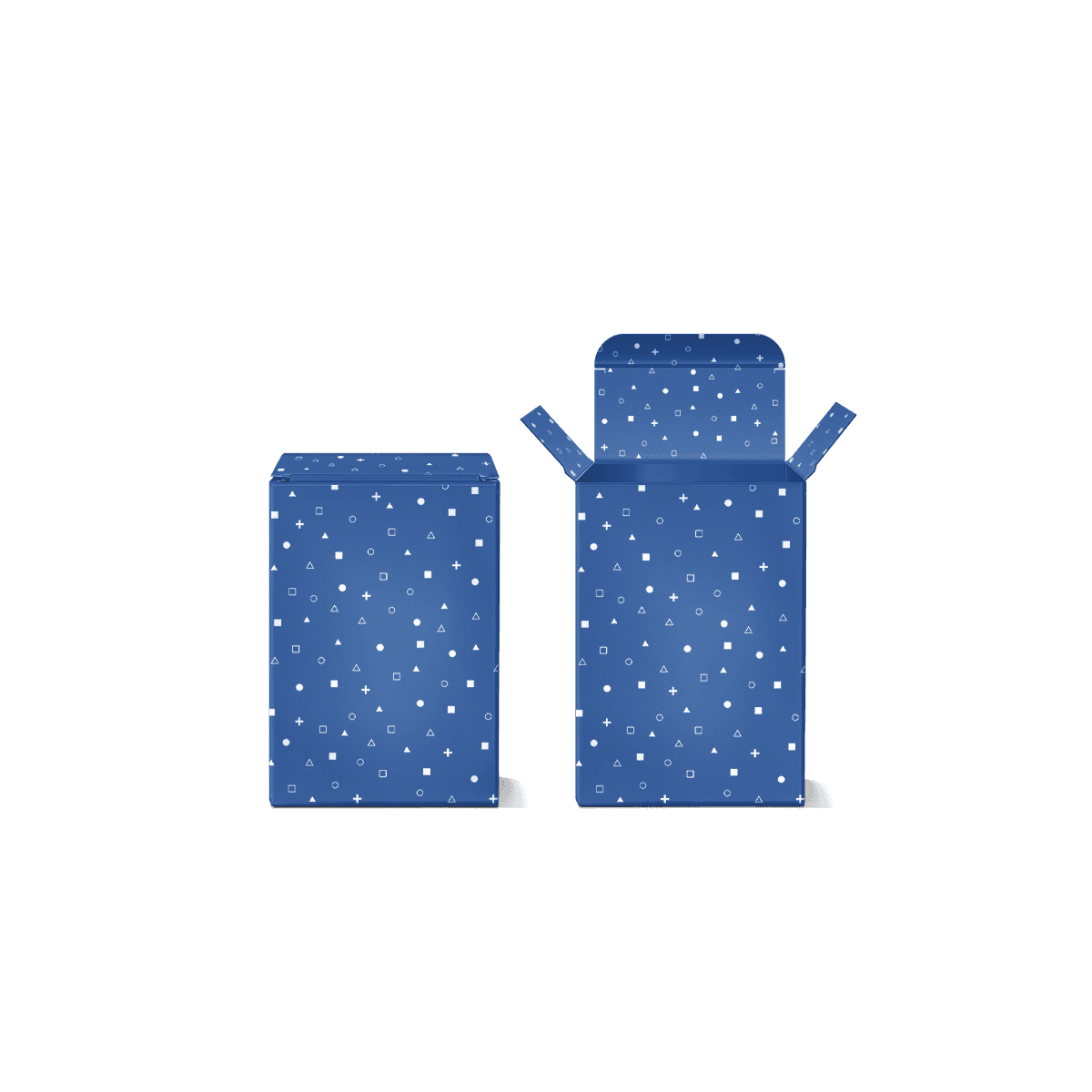
Serum boxes need to protect glass bottles, droppers and pump formats while keeping the range clean, credible and easy to merchandise. Custom Packly develops cartons that support skincare presentation, practical fit and safer handling from shelf to dispatch.

Size the Bottle, Not Millilitres

A 30 ml serum does not have a standard outer-carton size. Custom Serum Boxes should be sized from the finished bottle with its dropper, pump, collar, label and any tamper feature in place because two containers holding the same volume can have very different heights and widths.

Serum cartons are usually narrow enough that the closure geometry can change the whole pack. A wider collar may set the carton width, a taller dropper may set the height and dense glass can change what the bottom closure needs to carry. Start with the sale-ready bottle and let those physical constraints determine the box.

Measure the Complete Closure

Start with the maximum external dimensions of the sale-ready product, not the bottle body on its own. Measure the widest point, total height and filled weight. If the dropper bulb, pump head or collar projects beyond the glass, it belongs in the measurement.

Do not select a carton from the nominal fill volume alone. A tall 30 ml dropper and a shorter 30 ml pump bottle may need different dielines even when the formula volume is identical. If you are still confirming the structure, made-to-fit product packaging is the better starting point than forcing the component into a stock size.

Keep Pressure Off the Dropper

The top closure should close cleanly without pressing down on the pipette, dropper bulb or pump head. A carton can appear to fit while still transferring pressure through the top flap every time it is stacked or handled.

The safer goal is controlled headspace: enough clearance for the closure and flap movement without creating a loose cavity above the bottle. Decorative droppers and tall pumps deserve particular attention because the most vulnerable part of the component often sits at the highest point of the carton.

Glass Changes the Bottom Load

Serum cartons are usually tall relative to their footprint. That makes bottle weight, base style and paperboard stiffness important even when the box itself is small.

A light plastic bottle and a dense glass bottle can share similar dimensions but load the lower closure very differently. Stock thickness alone does not correct a base that is poorly matched to the packed weight.

Check the Filled Base Load

A serum bottle can have a small footprint while still placing noticeable load on the bottom closure once dense glass and liquid are combined. Check the filled product rather than judging the carton from bottle size alone.

A simple tuck can still work when the packed unit is light enough and closes cleanly. What matters is whether the bottom panels remain flat and secure after the real bottle is loaded, stacked and handled.

Upgrade the Bottom Selectively

Move to a locking or auto-bottom structure when the filled bottle repeatedly pushes a simple tuck beyond what it should carry. The reason should be the actual bottle load and handling route, not the fact that the serum is positioned as premium.

This keeps the carton proportionate while giving heavier glass a more appropriate lower closure.

Use Inserts Only When Needed

Not every serum bottle needs an insert. If the carton is closely sized, the bottle is balanced and the product will sit inside suitable outer delivery packaging, adding an insert can create extra cost and assembly without solving a real problem.

Use internal support when it has a clear job: reducing side movement around glass, keeping an unusual bottle centred, preventing a decorative closure from taking contact or presenting more than one component in a fixed position.

When Close Fit Is Enough

For a straightforward single bottle, a well-proportioned paperboard carton may provide enough control on its own. The bottle should enter without rubbing the label, stand without obvious rattle and leave enough room for the closing flaps to move freely.

Do not oversize the outer carton simply to make packing easier. Excess space allows movement and can make a small serum look lost inside a tall box.

When Glass Needs Restraint

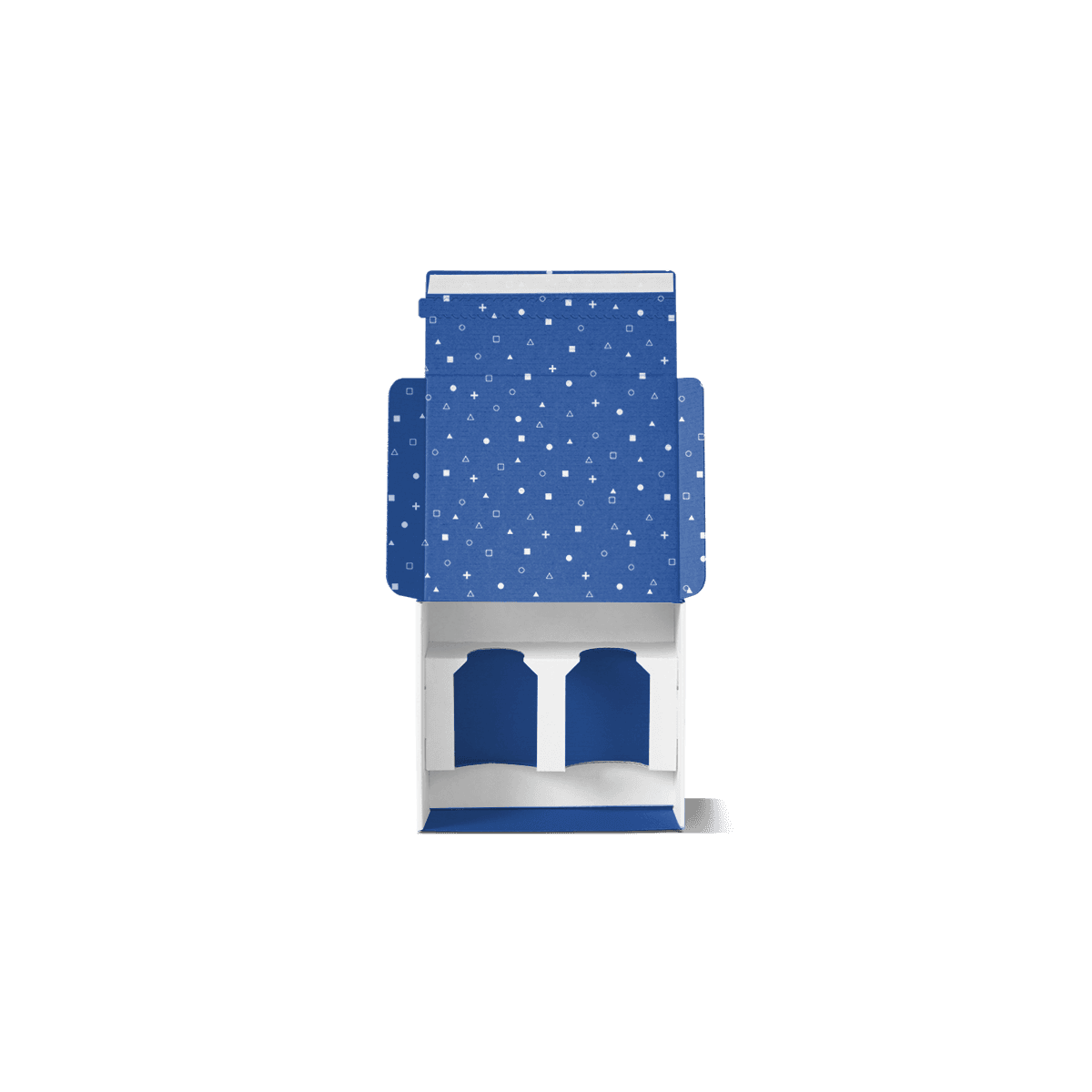
An insert becomes more useful when the bottle is dense, irregular, top-heavy or paired with an applicator or second item. Cosmetic Box Inserts can then handle the internal holding problem while the serum carton carries the printed product information and brand presentation.

Keep the insert discussion at that level until the actual component has been assessed. Cavity depth, removal clearance, loading sequence and multi-product layouts should be engineered from the physical items rather than guessed from a screen.

Make Small Panels Work

Serum boxes often have narrow side panels and a high ratio of required information to printable area. Good artwork therefore depends on hierarchy, not on shrinking every line until it technically fits.

Decide which information needs the front face, which can move to the sides and which belongs on the base. Keep the variant name, key product identifier and barcode area in predictable positions across related formulas while allowing the carton size to change when the bottle geometry genuinely changes.

Protect Readability at Creases

Small text, barcodes and fine rules should not sit tight against cut lines, creases or glue areas. A flat artwork file can make a panel look generous, but the usable visual space becomes smaller once folds and overlapping flaps are considered.

Packaging dielines show where cut, crease, bleed and safe areas sit before artwork is approved. For serum cartons, that matters because one or two millimetres of careless placement can be more visible on a narrow side panel than on a large mailer.

Use Print and Finish With Restraint

Smooth white paperboard is a strong starting point for detailed cosmetic artwork because it supports fine text and controlled colour. Kraft can work when the natural surface is part of the brand direction, but its tone changes how lighter colours reproduce.

Premium offset printing is useful when colour control, fine typography or a polished solid field matters. Digital printing can make more commercial sense for some shorter or frequently changing runs. The digital-versus-offset printing decision should follow the artwork, quantity and colour requirement rather than a blanket rule.

Matte, soft-touch, foil, embossing and spot UV can all add emphasis, but finishes should not crowd already-limited information space. Packaging customisation works best after the bottle fit and panel hierarchy are settled.

Do Not Reuse Size Blindly

Using one carton across several serum formulas can simplify production, but only when the physical component remains genuinely the same. Shared fill volume is not enough.

If one formula uses the same bottle, closure, label footprint and packed weight as another, the same structural dieline may remain suitable with different artwork. Change the pump, dropper, collar or bottle supplier and the fit should be checked again.

Same Bottle, New Formula

A stable bottle system can make repeat serum launches easier because the physical carton does not need to be reinvented for every active or concentration. Artwork can change while the approved dimensions, paperboard and closure remain controlled.

This is where serum-specific planning should stay narrower than the wider skincare decision. Skincare Boxes may need to coordinate jars, tubes and pumps across a complete routine. Serum boxes should first prove that each bottle-led SKU fits its own outer carton properly.

New Closure, Recheck Fit

A switch from dropper to pump can change the total height, widest point and pressure zones even when the glass body is unchanged. The same applies when a decorative cap or collar is added for a premium launch.

Treat a component change as a fit change until measured otherwise. It is cheaper to recheck the dieline than to discover after production that the flap presses on the pump or the new closure rubs the inside wall.

Do Not Mail the Retail Carton

A printed serum carton is usually a secondary retail pack, not the parcel that should absorb courier drops, abrasion and compression. This matters more with glass bottles because damage can come from both external handling and movement inside the parcel.

For direct-to-consumer orders, protect the serum box inside a suitable outer structure rather than over-specifying the retail carton in an attempt to make it do two jobs.

Keep the Shelf Pack Clean

Foil, soft-touch surfaces, sharp corners and precise print can arrive marked if the retail carton travels exposed through a courier network. A Cosmetic Mailer Box can take the delivery handling while the inner serum carton keeps its shelf and unboxing finish.

That division also lets the retail carton stay compact. You do not need to add corrugated bulk to every serum unit simply because some orders are shipped online.

Choose Material by Journey

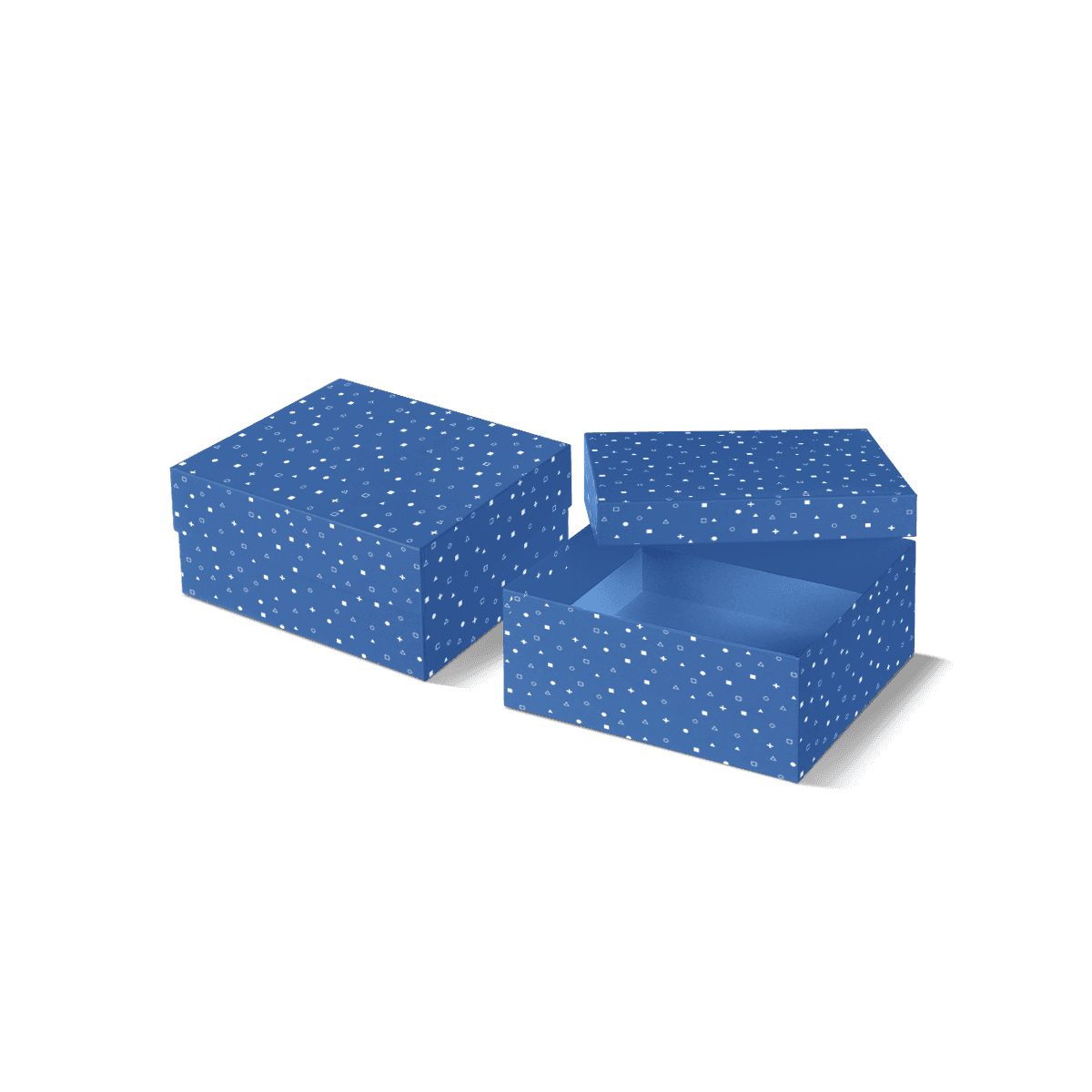
Paperboard is usually the more efficient direction for a lightweight retail serum carton. Corrugated material belongs where the packaging itself must handle delivery risk while rigid material makes more sense when presentation value and margin justify the heavier structure.

The distinction between paperboard, corrugated and rigid packaging is more useful than treating material as a simple quality ladder. For most serum projects, the question is what the inner carton must do and what the outer delivery pack will handle.

Build Artwork From the Dieline

Artwork should follow the approved structure, not force the structure to rescue a finished design. Serum cartons make this especially obvious because narrow panels, top flaps and compact bases leave little room for late corrections.

If you are using a supported straight tuck structure, the free box dieline generator can create a useful starting layout from your dimensions. Other carton styles should use the final production dieline prepared for the chosen structure and stock.

Choose the Front Before Designing

Mark the customer-facing panel, loading end, glue seam and top orientation before placing copy. This prevents a strong logo from landing beside a side seam or a key instruction from being split by a crease.

The full dieline and artwork setup process also helps designers keep bleed, safe areas and finish masks separate before the file reaches production.

Check the Erected Carton

Always judge the artwork on the assembled box as well as the flat file. Tall serum cartons can make top-panel orientation mistakes, uneven visual weight and badly placed variant cues much more obvious once the box is standing on shelf.

A clean dieline, sensible panel hierarchy and a realistic 3D review are more valuable than adding another decorative finish after the layout is already crowded.

Quote the Finished Bottle

For serum packaging, the quickest route to useful pricing is a bottle specification, not a description such as "30 ml skincare serum". Send the closure-on dimensions or bottle drawing, filled weight, closure type and required quantity, plus whether the unit needs an insert or will travel inside an outer mailer.

If the carton style is still undecided, that is enough to start. Custom Packly can help narrow the structure and stock from the actual component, then move the confirmed dimensions into the dieline and print specification.

Use the detailed quote form when you are ready to price the finished bottle rather than an assumed standard serum size.

FAQs

It depends on the bottle size, closure height and weight. Straight tuck and reverse tuck cartons are often the strongest starting point for standard single serums because they keep storage efficient and print well. Heavier glass bottles, premium droppers or bundled skincare formats may need inserts or a stronger base. The right choice should follow the actual component rather than a generic skincare box size.

Start with the filled bottle dimensions, including the full height of the dropper or pump and the widest point of the glass. Confirm the total unit weight, the amount of panel space needed for ingredients and directions and whether the bottle needs insert support. It also helps to confirm how the cartons will be packed, shipped and stored after assembly.

No, not every serum carton needs an insert. A well-sized carton can hold a standard bottle securely on its own if the component is balanced and the transit risk is low. Inserts become more useful when the bottle is heavier, the dropper is decorative or the pack includes more than one product. They also help when the opening presentation needs to feel more deliberate.

A fixed product system works best. Ingredient-led variants such as hyaluronic acid, vitamin C or niacinamide should keep consistent positions for name, strength cue and barcode detail so the line stays easy to read. That consistency matters for shelf display and picking accuracy. If every variant follows a different layout, the range quickly loses visual order.

Serum Boxes are the better route when the product uses a bottle-led skincare format with droppers, pumps or active-led information needs. They usually need more panel discipline, more careful sizing and better support around fragile glass than broader cosmetic cartons. General makeup packaging often follows different component logic, so using the same carton approach can weaken both fit and presentation.

Process

How it works

Your Packaging Journey, From Idea to Production and Delivery

01

Tell Us Your Specs

Custom packaging boxes

Tell Us Your Specs

Provide size, quantity, printing, and finishes.

02

Get a Fast Quote

Custom packaging boxes

Get a Fast Quote

Instant transparent pricing, no hidden fees.

03

Design and Approval

Custom packaging boxes

Design and Approval

Artwork checks, revisions, and final sign-off.

04

Produce

Custom packaging boxes

Produce

Expert manufacturing to meet deadlines.

05

Ship to Your Door

Custom packaging boxes

Ship to Your Door

Hassle-free, flexible delivery options.

Get Your Quote for Custom Serum Boxes

Share your product details, dimensions, quantity and artwork needs. We’ll help choose the right packaging style and send a clear quote.