Skip to content
Details

Custom Subscription Mailer Boxes

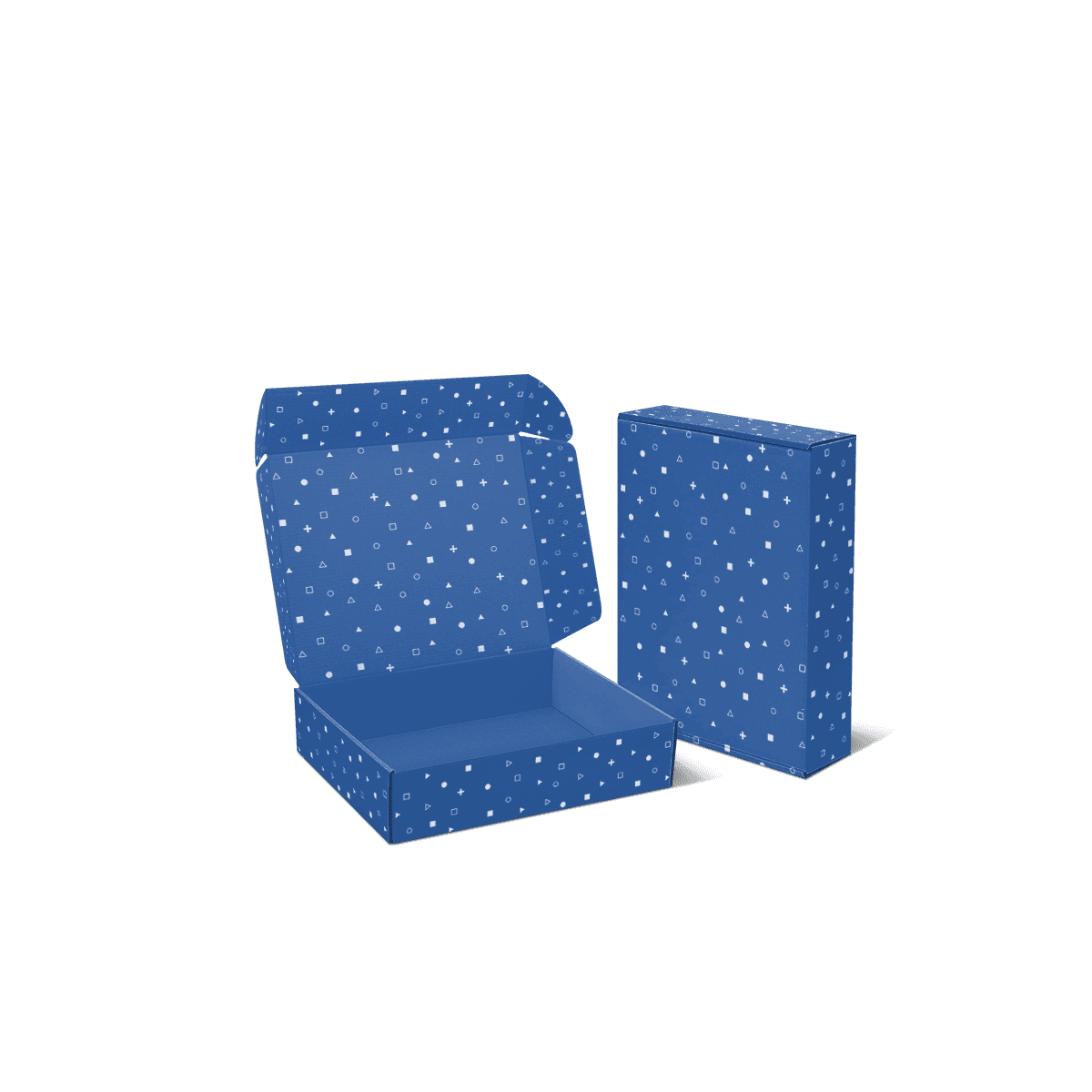
Subscription Mailer Boxes suit recurring deliveries that need safe transit, tidy product arrangement and a stronger branded reveal. They give subscription brands room for inserts, printed messaging and a more memorable unboxing experience.

Build the Mailer Around the Subscription Cycle

Custom Subscription Mailer Boxes have a different job from ordinary ecommerce packaging. A one-off online order can change completely from customer to customer. A subscription programme usually repeats on a schedule, so the packaging has to stay familiar and dependable while the contents, artwork or promotional pieces may change from one dispatch to the next.

The strongest specification separates what should stay fixed from what should remain flexible. The outer footprint, closure, packing sequence and main brand cues can remain stable. Inserts, cards, interior artwork or one variable product position can change when the monthly assortment changes.

That approach gives subscription teams a repeatable packaging system rather than a new box problem every month. It also keeps this use distinct from Custom Ecommerce Mailer Boxes, which are better suited to mixed one-off orders, returns and a broader range of order combinations.

Separate Fixed and Variable Elements

Start by identifying the products that appear in most dispatches. Their combined dimensions, weight and position should influence the core mailer. If two or three items remain constant for six months, they should not move around the box simply because one sample or seasonal extra changes.

A stable outer size also helps with flat-pack storage, packing instructions, courier labelling and repeat production. It becomes easier to train new fulfilment staff because the basic handling sequence does not change every cycle.

Let Monthly Changes Happen Inside

Not every variation deserves a new outer dieline. A changing sample, leaflet, sachet, accessory or promotional card can often be handled with an interchangeable insert, removable divider, sleeve or controlled open zone.

Treat truly unusual seasonal drops separately. Designing the everyday mailer around the largest gift-heavy month can leave the other eleven deliveries carrying unnecessary board and empty space.
Choose a Core Size Without Designing for the Biggest Month

The best subscription mailer size normally comes from the typical filled dispatch, not the largest product you might send once a year. Start with the recurring product set, then include the real space needed for inserts, tissue, cards and removal clearance.

A box that is several centimetres too large may seem harmless, but recurring orders multiply that decision across storage, material use, void fill and delivery volume. The Custom Packly analysis of packaging cost mistakes shows why an oversized subscription mailer can look premium while still working badly operationally.

Size From the Filled Arrangement

Measure products in the position they will actually occupy. Include caps, pumps, retail cartons, sleeves and any components that increase the finished footprint. Then measure the insert or divider system around them.

For a subscription box, the important dimensions are not simply the longest product measurements. The internal arrangement matters because products may sit side by side, on separate levels or in defined cells.

Leave enough clearance for easy loading and removal, but do not create a loose cavity that allows products to migrate during delivery.

Add a Second Size When Variation Becomes Structural

One core size is useful only while it still performs properly. A second subscription mailer may make sense when a recurring premium tier is consistently taller, heavier or wider than the standard assortment.

That is different from creating a new size for every monthly edit. A small, deliberate size system can support standard, premium and seasonal subscription levels without turning the packing area into a shelf of near-identical cartons.

Use Inserts That Adapt to Changing Assortments

Subscription packaging often fails because the outer mailer is treated as the permanent part while the insert is treated as an afterthought. In practice, the insert is where much of the monthly flexibility should live.

Packaging inserts and dividers can separate products, hold core items in defined positions and give rotating products their own controlled space. The right choice depends on weight, fragility, box depth and how often the assortment changes.

Fix the Products That Rarely Move

When two products appear every month, fixed positions can make loading faster and the reveal more consistent. Die-cut paperboard inserts can suit lighter items and presentation-led sets. Corrugated fitments can add more support where products are heavier or where the mailer travels through normal courier handling.

Finger access matters too. A product can be held neatly and still be frustrating to remove if the cut-out is too tight or the insert grips the wrong part of the pack.

Create One Flexible Zone for Rotating Products

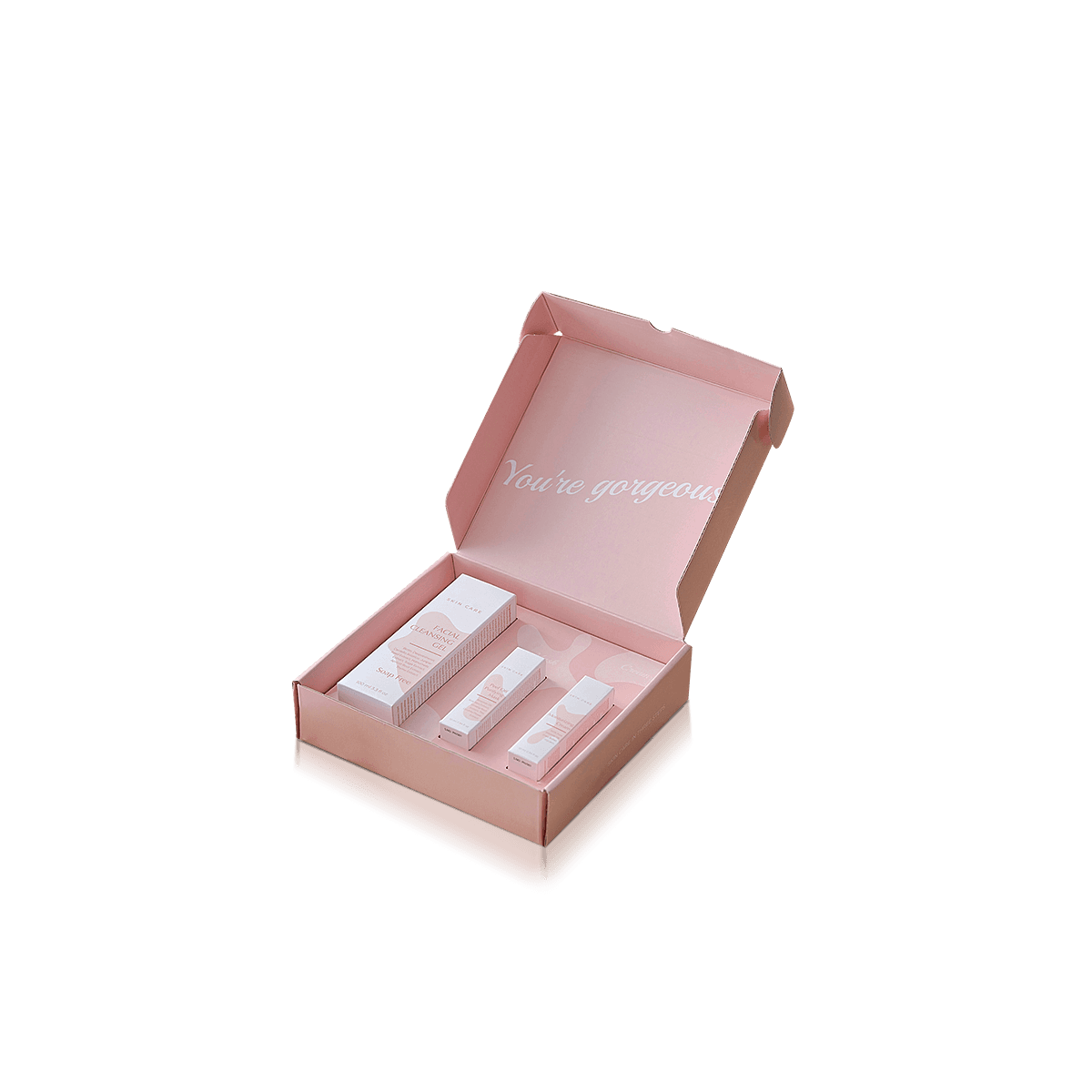
Consider a skincare subscription that always carries two 30 ml serum cartons but rotates a third item between a cream carton, a sachet wallet and a travel-size bottle. A rigid three-cavity insert cut for one month forces the next assortment into the wrong spaces. Removing the insert entirely creates too much movement and loses the repeatable presentation.

A more practical solution is to keep the two core serum positions fixed and use a removable divider or interchangeable fitment for the third zone. The outer mailer can stay unchanged while the variable area adapts to the monthly product. The result is less uncontrolled movement, a familiar opening sequence and a packing method that does not need to be reinvented with every product swap.

Free samples and 3D mockups are useful at this stage because the internal arrangement needs to work physically as well as visually. Custom Packly also provides 24/7 packaging support when a changing assortment raises fit or insert questions close to a dispatch window.

Make Repeat Packing Easy to Reproduce

A subscription box is handled repeatedly by the fulfilment team before it is handled repeatedly by the customer. The packing method therefore deserves as much attention as the printed lid.

A structure with too many loose pieces, awkward folds or unclear product positions can turn a simple monthly dispatch into avoidable labour. The goal is a sequence that can be taught, checked and repeated.

Use One Loading Order

Decide which component is placed first, where each core product sits and which pieces are added last. If tissue, information cards or samples change monthly, keep their placement rule consistent even when the artwork changes.

This is especially useful for subscriptions assembled by several people or packed by a fulfilment partner. The box should make the correct arrangement obvious rather than relying on memory.

Plan the Flat Pack and Label Area

Check how the mailers arrive, where they are stored and how much space the flat blanks use. A well-sized corrugated mailer can protect products effectively and still remain efficient to store before assembly.

Leave a deliberate area for the delivery label so it does not cover the main exterior branding. If a packing code, month identifier or SKU reference helps staff select the correct blank, place it where it is easy for the team to see without becoming distracting to the customer.

The main E-commerce and Subscription area covers adjacent delivery needs such as postal orders, samples, PR sends and fragile products. Subscription Mailer Boxes should remain focused on repeat dispatch logic rather than trying to solve every ecommerce use case.

Refresh the Experience Without Resetting the Specification

Recurring packaging should feel recognisable without looking identical forever. The economical way to create freshness is usually to change the graphics or internal communication before changing the physical box.

Keep the structural dieline stable when it still fits the subscription. Then rotate interior print, cards, sleeves, stickers or selected artwork elements around seasonal themes, product education or membership milestones.

Use Inside Print for the Monthly Change

The inside lid is valuable because it appears at the moment of opening and is protected during most of the delivery journey. It can carry changing colour, copy or campaign artwork while the outside remains more consistent.

Premium offset printing can support detailed recurring artwork and controlled colour across planned runs. CMYK works well for full-colour graphics, while Pantone colours can be useful when a particular brand colour needs tighter control.

Change Artwork Without Moving the Dieline

Changing graphics is simpler than changing dimensions. Once a subscription mailer has been tested for fit, closure and packing, avoid shifting cut-outs, folds or insert positions simply to accommodate a new visual idea.

Use the free box dieline generator to organise the outer dimensions and panel layout before artwork is placed. Free 3D mockups can then help review how recurring and seasonal graphics move across the assembled box.

Custom Packly works as a full-service packaging partner across structure, dielines, artwork support, inserts, printing, finishes, production and repeat ordering. Keeping those stages connected is particularly useful when one physical specification has to support several artwork versions over the year.

Match Protection to the Heaviest Regular Dispatch

Corrugated board is usually the strongest starting point for a subscription mailer that travels directly through parcel networks, but the answer is not simply to use the heaviest board available.

The box should be specified around the heaviest regular combination, the span of the panels, the fragility of the products and how well the internal fit controls movement. The distinction between paperboard, corrugated and rigid packaging matters because each material solves a different physical problem.

Choose Strength for the Normal Delivery Risk

A compact beauty or hobby subscription may suit a finer corrugated profile that balances protection with cleaner print presentation. A heavier food, glass or multi-item set may need a stronger specification or more supportive internal fittings.

The final decision should follow the actual packed weight and handling conditions. Increasing material without fixing loose internal fit can add cost without solving the real movement problem.

Let the Insert and Outer Box Work Together

A stronger mailer cannot stop two glass bottles colliding if they are free to move. Likewise, a fitted insert cannot compensate for an outer wall that is too weak for the load.

Treat the mailer and insert as one protective system. For subscriptions carrying fragile products, the highest-risk item should influence both the outer strength and the internal restraint, even if the remaining products are lightweight.

Subscription Packaging Has a Natural Limit

Custom Subscription Mailer Boxes are most useful when a recurring set needs a recognisable outer structure, controlled internal arrangement and repeatable opening experience. Another style can be more efficient when those conditions do not apply.

Mixed Baskets Need a Different System

A general ecommerce operation may ship hundreds of different combinations with frequent returns and changing order sizes. In that situation, the packaging system often needs several mailer sizes, return-ready closures and faster order-by-order selection rather than one recurring assortment.

That is where standard ecommerce mailer planning has the clearer role.

Flat Refills Should Stay Flat

If the subscription contains flat printed matter, slim accessories, sachets or other low-profile products, depth can matter more than a dramatic reveal. A postal or letterbox-style structure may reduce unnecessary volume and make home delivery simpler.

Do not force a deep corrugated mailer around products that do not need the space.

Launch Kits Should Stay Campaign-Specific

A PR send has a different rhythm. It may be created around one launch, one creator campaign or one highly staged reveal. The insert can be specific to that campaign because repeatability may not matter.

Subscription packaging should usually make the opposite trade-off: enough visual freshness to keep recurring deliveries interesting, but enough structural consistency to make the operation sustainable month after month.

Plan Stock Around the Next Dispatch Window

Recurring orders turn packaging stock into an ongoing operational decision. Ordering too little can create repeated rush pressure. Ordering far beyond the subscriber cycle can tie up storage space and leave the business holding boxes after artwork or product plans change.

MOQ starts from 100 boxes, which can support a smaller launch or controlled subscription test. As volume becomes steadier, bulk custom boxes can be planned around larger repeat runs, warehousing and scheduled deliveries rather than forcing every unit into the business at once.

Set Reorder Timing From Dispatch Cadence

Work backwards from the next packing date, not from the date the last box is used. Keep enough time for artwork versioning, any insert changes and internal checks before the next run.

Custom Packly guarantees 4–6 working day production and delivery. The steps in fast-turnaround mailer planning are still useful because ready dimensions and organised artwork reduce avoidable work before production starts.

Separate Box Stock From Monthly Printed Extras

The outer mailer may be stable enough to hold in larger quantities while interior cards, sleeves or other short-life printed pieces change more often. Separating those stock decisions can reduce the risk of discarding perfectly usable boxes just because a monthly message has changed.

Scheduled deliveries can keep stable outer-box stock and short-life printed extras on different replenishment cycles, which is more useful here than adding more physical components to every monthly pack.

Bring Three Subscription Cycles to the Specification Review

The most useful brief for Subscription Mailer Boxes is not a single product list. It is a small picture of how the subscription changes over time.

Prepare three versions before the final specification is locked:

  • a normal recurring dispatch with the products that appear most often
  • the lightest or smallest realistic variation
  • the fullest regular variation, excluding rare one-off gift editions

For each version, note the filled weight, product dimensions, fragile areas, insert needs and anything that changes monthly. Also identify which artwork must remain constant and which elements are expected to rotate.

That gives the packaging team enough information to decide whether one outer mailer can carry the programme cleanly, whether the insert needs modular zones or whether a second size is justified.

When those three cycles are clear, use the custom packaging quote to share the core size, recurring quantity, product mix and artwork direction. The aim is not just to price the first dispatch. It is to establish a mailer specification that remains practical when the subscription repeats.

FAQs

Corrugated board is usually the right starting point because subscription deliveries face handling, stacking and repeat movement through fulfilment and courier networks. Lighter monthly edits may suit a single wall specification, while heavier mixed sets often need more strength. The right choice depends on total pack weight, product fragility, box size and how tightly the contents are held inside.

Inserts are strongly recommended when the box carries multiple items, glass containers, small accessories or products that can shift into one another. A loose arrangement may save a little material, but it often weakens presentation and increases movement in transit. Dividers, die-cut supports or folded cardboard cradles keep the contents neater and make packing more consistent across repeat dispatches.

The biggest gain usually comes from internal presentation rather than just outer print. Inside-lid messaging, coordinated tissue, branded sleeves, product story cards and clean item placement make the delivery feel intentional the moment it opens. That matters for repeat subscriptions because the box is not only protecting the products, it is also reinforcing brand memory and helping each cycle feel worth keeping.

Subscription Mailer Boxes are the stronger choice when the product set needs more depth, more protection or a fuller reveal. They suit curated assortments, layered inserts and heavier item combinations better than a slim post-through carton. Letterbox Boxes are often better when the contents are flatter, postage efficiency matters more and the goal is straightforward home delivery through a standard letter slot.

Confirm the exact product list, packed dimensions, total filled weight, dispatch frequency, insert needs, postal method and any seasonal content changes first. It also helps to decide whether the box needs inside print, campaign cards or sample compartments from day one. A clear brief lets Custom Packly recommend a specification that stays practical across repeat runs rather than only fitting the first launch.

Process

How it works

Your Packaging Journey, From Idea to Production and Delivery

01

Tell Us Your Specs

Custom packaging boxes

Tell Us Your Specs

Provide size, quantity, printing, and finishes.

02

Get a Fast Quote

Custom packaging boxes

Get a Fast Quote

Instant transparent pricing, no hidden fees.

03

Design and Approval

Custom packaging boxes

Design and Approval

Artwork checks, revisions, and final sign-off.

04

Produce

Custom packaging boxes

Produce

Expert manufacturing to meet deadlines.

05

Ship to Your Door

Custom packaging boxes

Ship to Your Door

Hassle-free, flexible delivery options.

Get Your Quote for Custom Subscription Mailer Boxes

Share your product details, dimensions, quantity and artwork needs. We’ll help choose the right packaging style and send a clear quote.