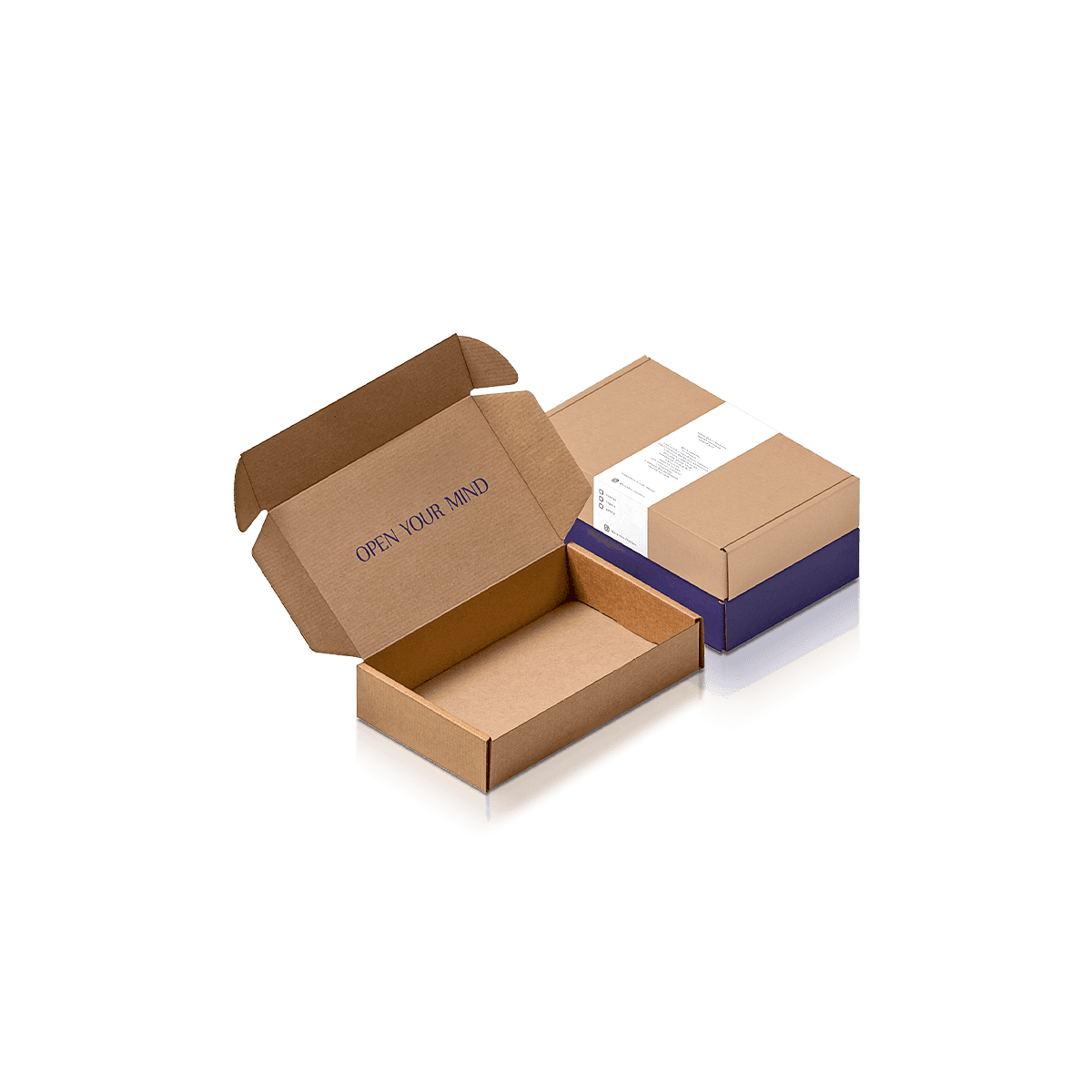
Your Store Ships Baskets, Not Individual SKUs
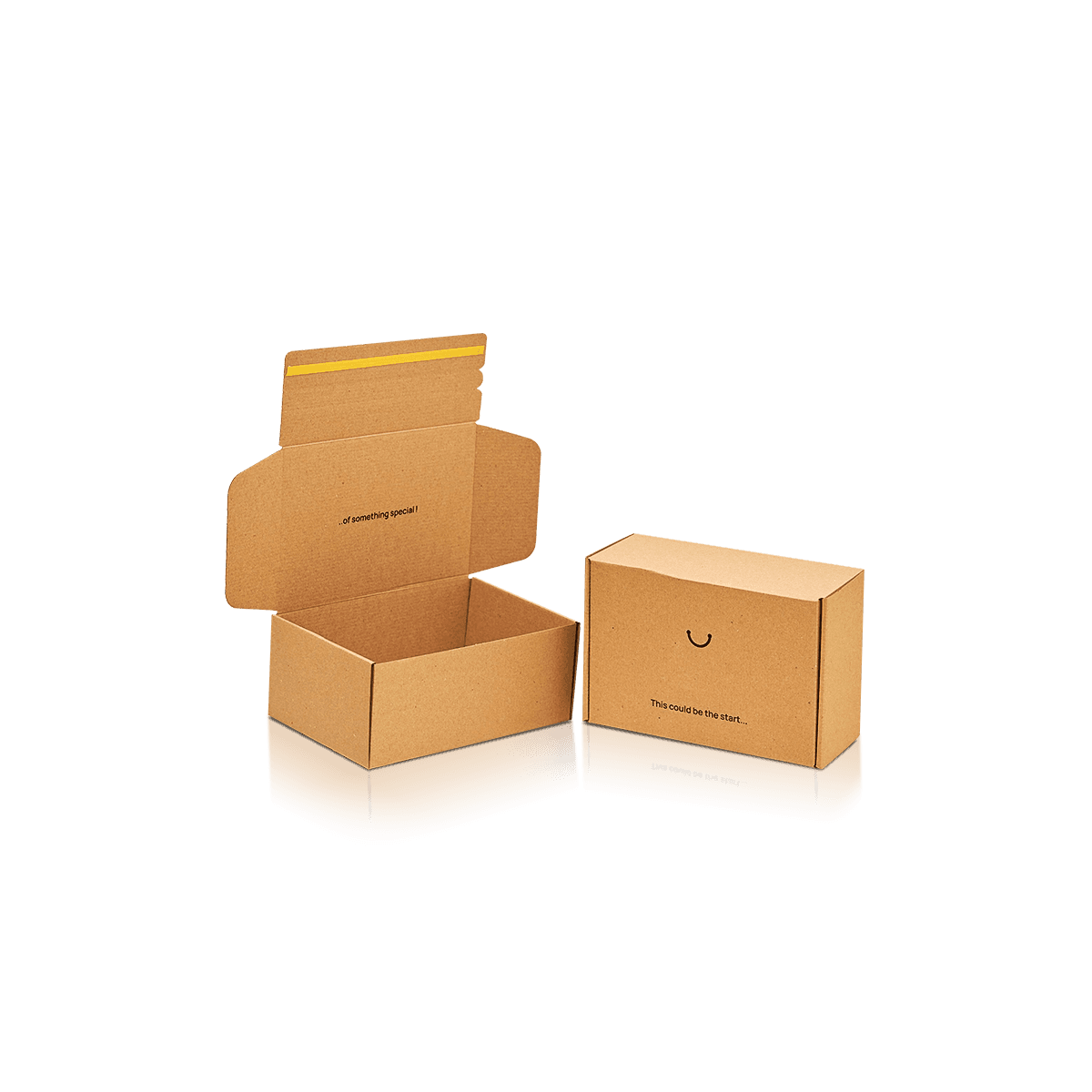
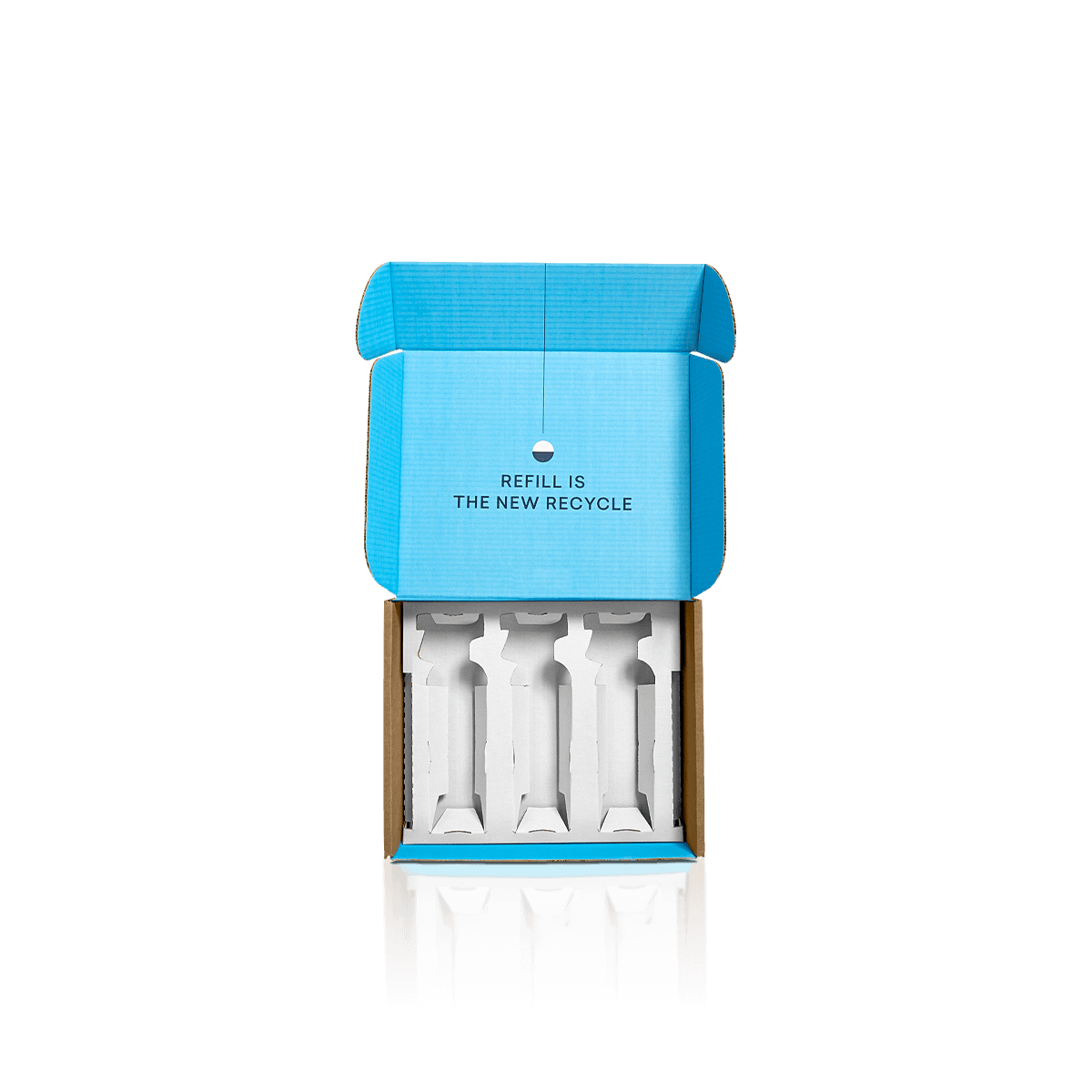
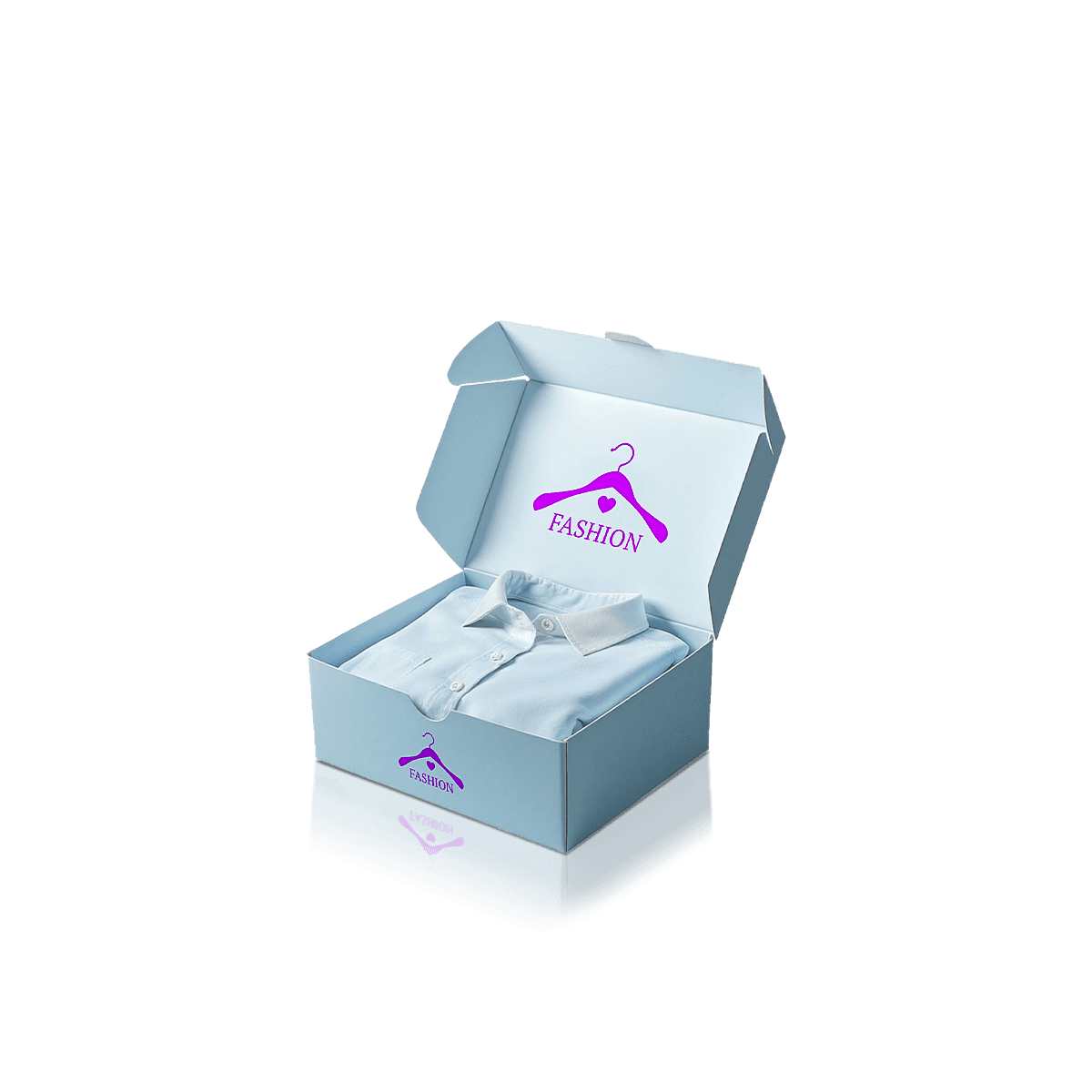
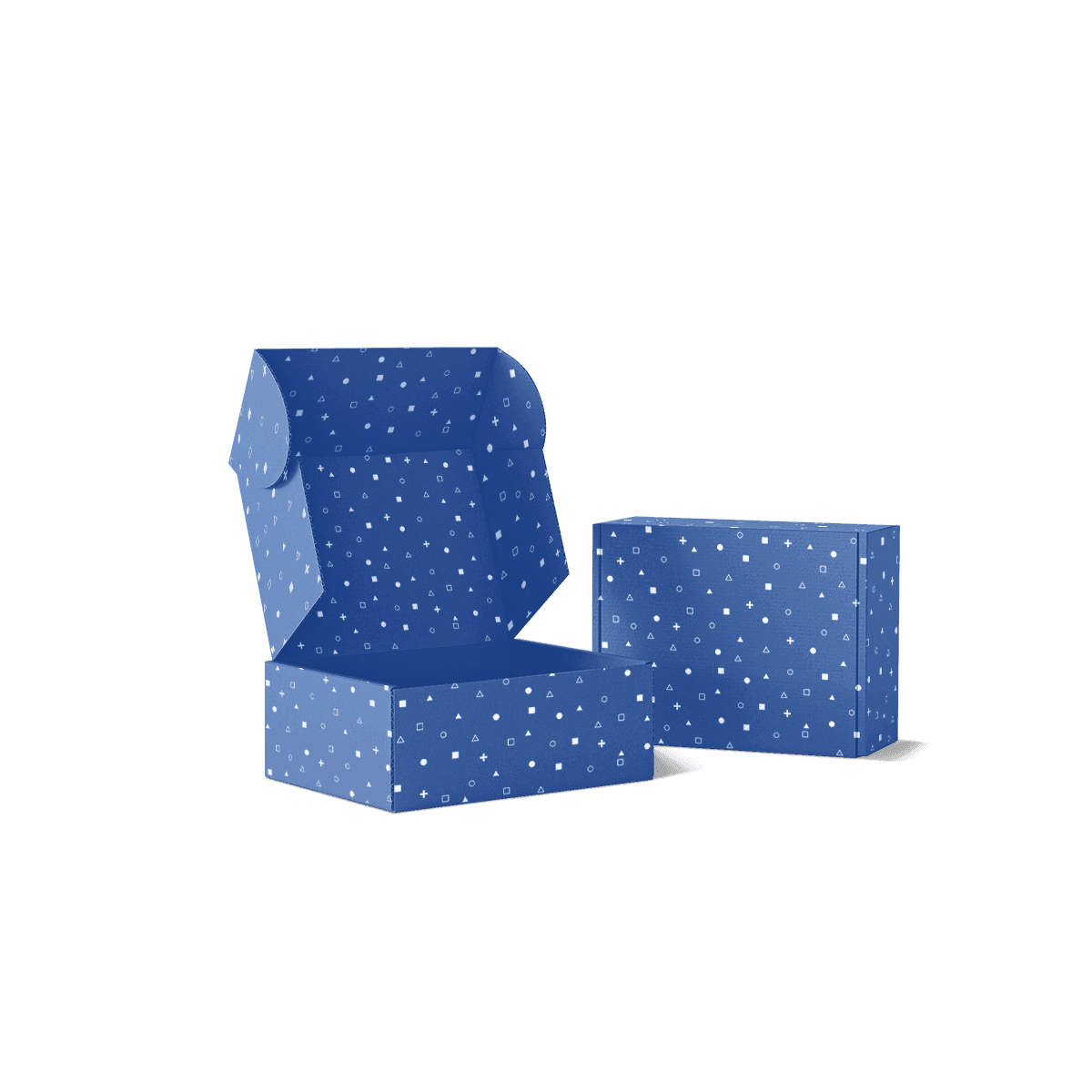
Custom Ecommerce Mailer Boxes should be planned around the combinations customers actually order. An online store may carry 40 products, but its fulfilment team could repeatedly pack the same six or seven basket shapes.
That distinction matters. Designing one box for every SKU creates too many packaging variations. Designing one large mailer for the whole catalogue pushes small orders into unnecessary empty space.
The useful middle ground is a controlled mailer system built around real order profiles.
Start with recent orders rather than the product catalogue. Look for combinations that repeatedly create similar packed length, width, depth and weight. Those clusters should drive the first mailer sizes.
Separate Core Orders From Exceptions
Some order combinations appear every day. Others appear occasionally because a customer buys an unusual bundle or a seasonal product enters the basket.
Do not force the everyday mailer system to accommodate every rare exception.
Build the main sizes around orders that repeat often enough to justify dedicated packaging. Deal with unusual oversized or heavy combinations separately through another mailer, shipping carton or secondary packing method.
This keeps stock easier to identify and prevents an edge case from making thousands of ordinary orders less efficient.
Measure the Basket After Its Packing Components Are Added
A product list alone does not reveal the required box dimensions. Add the tissue, sleeves, insert, instruction card, retail cartons and other components used during normal fulfilment.
Then record both the internal space required and the final external size.
If you are still deciding between the main structures, Custom Mailer Boxes covers the physical mailer styles separately. Ecommerce planning should begin one level higher, with the orders the system needs to handle.