Skip to content
Details

Custom Jewellery Mailer Boxes

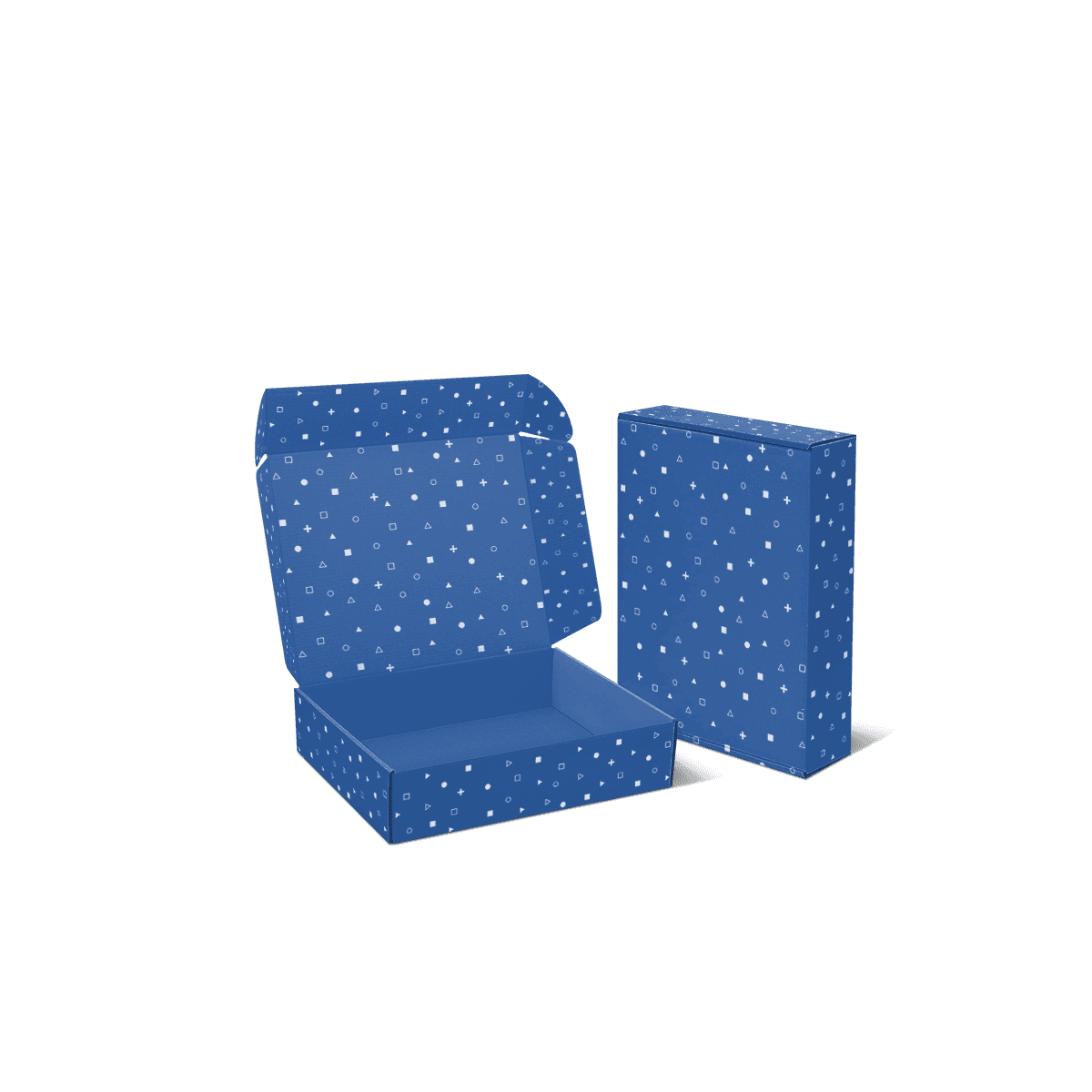
Jewellery mailer boxes protect small premium items in transit while keeping the opening experience tidy and branded. They suit ecommerce dispatch, gift orders and subscription sends where presentation still matters after delivery.

Measure the Finished Order

The jewellery itself is rarely the correct object to measure for ecommerce shipping. What leaves the packing bench may include a rigid ring case, necklace box, pouch, care card, certificate, gift note and tissue before the mailer is even considered.

Custom Jewellery Mailer Boxes should be sized around that complete packed unit.

Starting from the loose ring or necklace usually produces the wrong dimensions because the presentation packaging adds most of the footprint. Starting from an arbitrary postal box creates the opposite problem: the team ends up filling empty space around a much smaller order.

Lay out exactly what the customer will receive, assemble it as it will ship and measure that first. The outer mailer should then add only the space needed for safe packing and movement control.

For eyewear orders, Sunglasses Boxes should handle frame and lens presentation inside the parcel, while the mailer handles carrier movement and outer impact.
Stop the Inner Case Moving

A strong corrugated mailer does not protect a premium jewellery case properly if that case can slide from one wall to another.

The movement may not damage the jewellery directly, but repeated impacts can mark wrapped rigid boxes, soften corners or leave the parcel looking careless when it opens.

Control the Largest Inner Piece

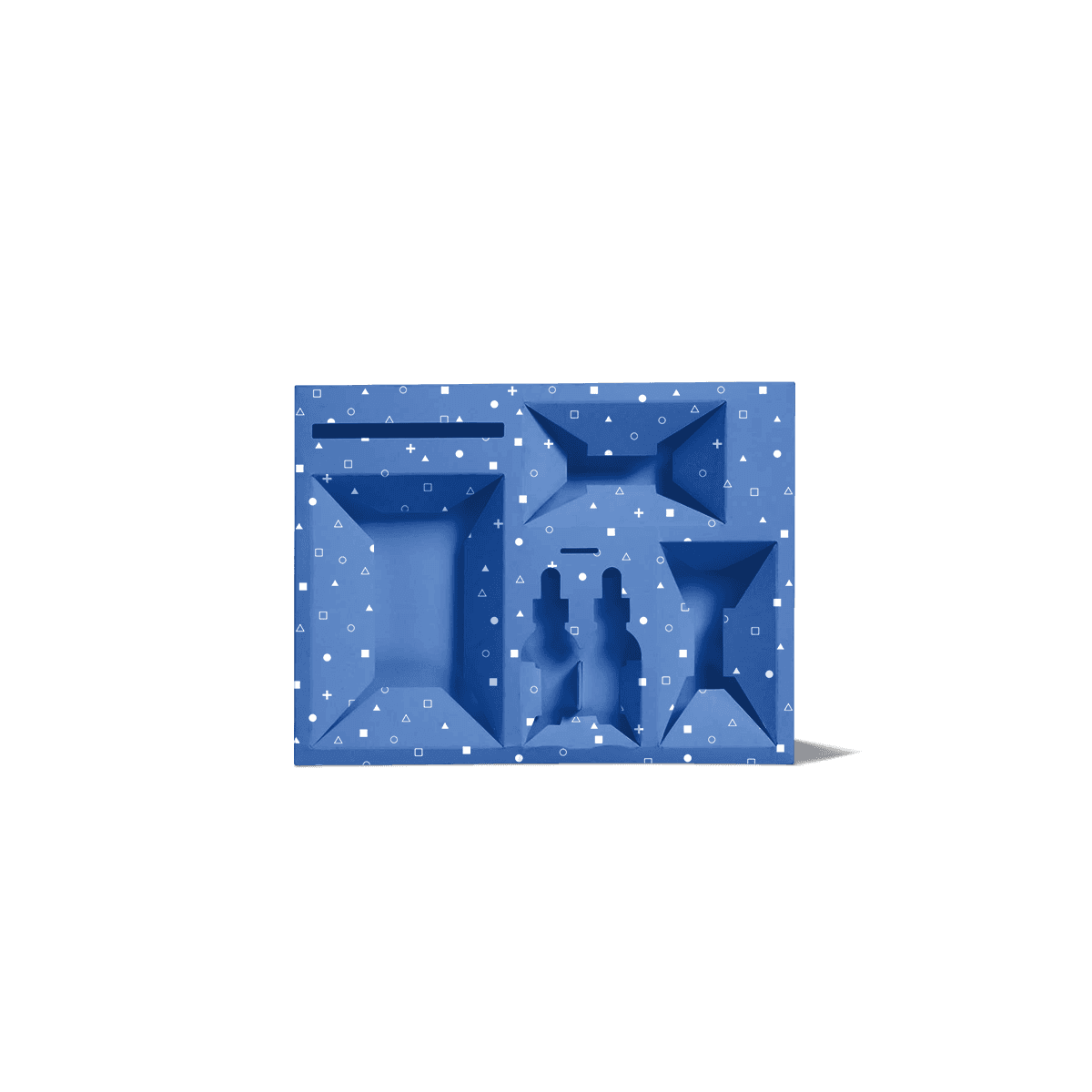
For a single ring or earring case, the presentation box is usually the object that needs restraint. A fitted card support, folded cradle or correctly sized cavity can stop it moving without filling the whole parcel with loose material.

The fragile product packaging decision explains the same principle: stronger outer packaging and better internal control solve different problems.

Leave Packing Tolerance

Close-fitting does not mean forcing the presentation case into the mailer.

Packing staff need enough clearance to load the order without rubbing printed or wrapped surfaces against corrugated edges. The correct tolerance should allow a smooth packing action while preventing meaningful movement after closure.

Protect Presentation Box Corners

Rigid jewellery cases often have sharp, clean corners that contribute to their premium appearance. Those corners can also become the first contact points when the inner case moves inside a shipping box.

A thin spacer or folded paper-based support can keep the presentation case away from the outer walls and stop one corner taking every impact.

If the inner case already provides excellent product restraint, the mailer's job is not to add another complicated jewellery insert. It is to protect that finished case and stop it travelling inside the parcel.

Brands shipping Ring Boxes or other compact rigid cases should therefore measure the complete case rather than reopening the jewellery fit problem at the shipping layer.

Use Corrugated Strength Efficiently

Jewellery is usually light, but lightweight does not mean the mailer can be structurally weak. The parcel still moves through stacking, sorting and courier handling.

Corrugated material gives a jewellery mailer rigidity without requiring the weight and permanence of another rigid presentation case.

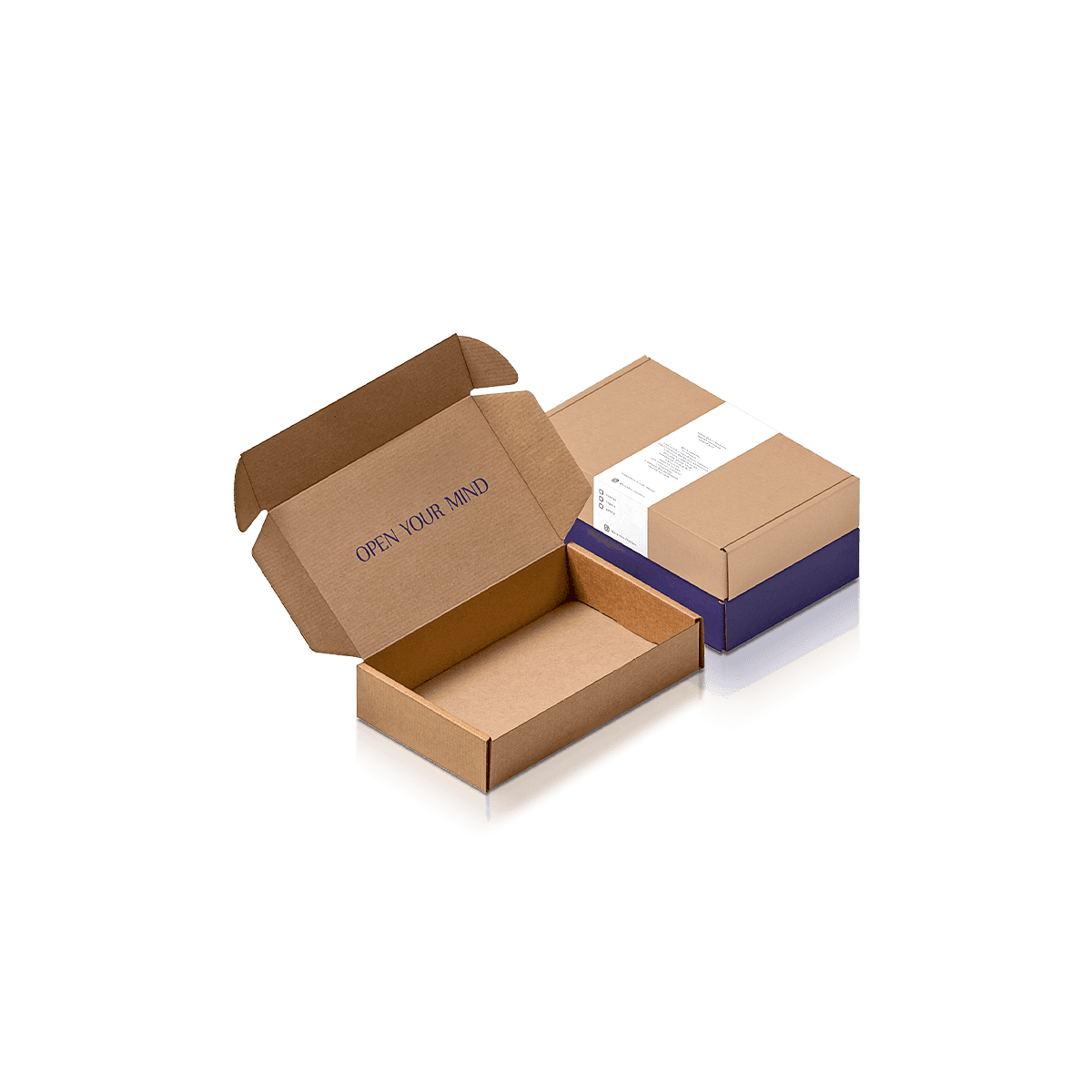
Custom Mailer Boxes provide the main choices for corrugated ecommerce structures, closures and printing. For jewellery, the aim is usually a compact structure with enough side-wall and corner strength for the packed order rather than simply choosing the heaviest material available.

Do Not Overspecify the Flute

A stronger flute can help when several jewellery cases are shipped together or the parcel carries heavier accessories. It can also add unnecessary thickness when the order is a single small presentation box.

Material should follow the complete packed weight, footprint, stack conditions and delivery risk.

More material is not automatically more protection if the contents can still move freely.

Keep Empty Space Intentional

Small jewellery products make oversized ecommerce packaging particularly obvious.

Empty space increases the amount of material around the order and may require extra tissue or void fill simply to stop the inner case moving. It can also make a premium product look strangely small once the customer opens the parcel.

The recent analysis of custom packaging cost mistakes identifies oversized mailers as a cost problem because brands can end up paying for unnecessary board, packing material, storage space and parcel volume.

The answer is not to remove all breathing room. Some space may be required for a protective support, printed card or gift note. It should simply have a defined purpose.

A compact jewellery mailer should feel considered rather than cramped.

Decide if Letterbox Depth Works

Slim jewellery orders can sometimes use a letterbox-style format, particularly when the product ships on a flat card, in a shallow pouch or inside a low-profile presentation case.

The key measurement is the finished packed depth, not the depth of the jewellery alone.

Letterbox Boxes can make sense where the full order remains shallow enough for that postal approach.

Add every layer before deciding:

  • presentation card or case
  • insert or support
  • care information
  • gift note
  • tissue or wrapping
  • closed mailer thickness

If the finished order is already close to the available depth, forcing it into a slimmer structure can create bulging panels or pressure on the inner packaging.

A slightly deeper mailer is better than a postal format that stops closing cleanly.

Pack Sets as One Unit

An order containing a ring box, necklace case and care card creates a different shipping problem from three loose jewellery products.

Treat the complete set as one arrangement.

Stop Cases Hitting Each Other

Presentation boxes should not be free to collide during delivery. Dividers, card platforms or defined positions can keep them separated without individually wrapping every case.

This is particularly useful for gift orders where the arrangement should still look deliberate when the mailer opens.

Put Paperwork Somewhere Predictable

Care cards, authenticity information and gift notes should have a defined position rather than being dropped loosely on top of the order.

A simple paper pocket, lid position or flat area beside the products can keep them visible without interfering with the protective supports.

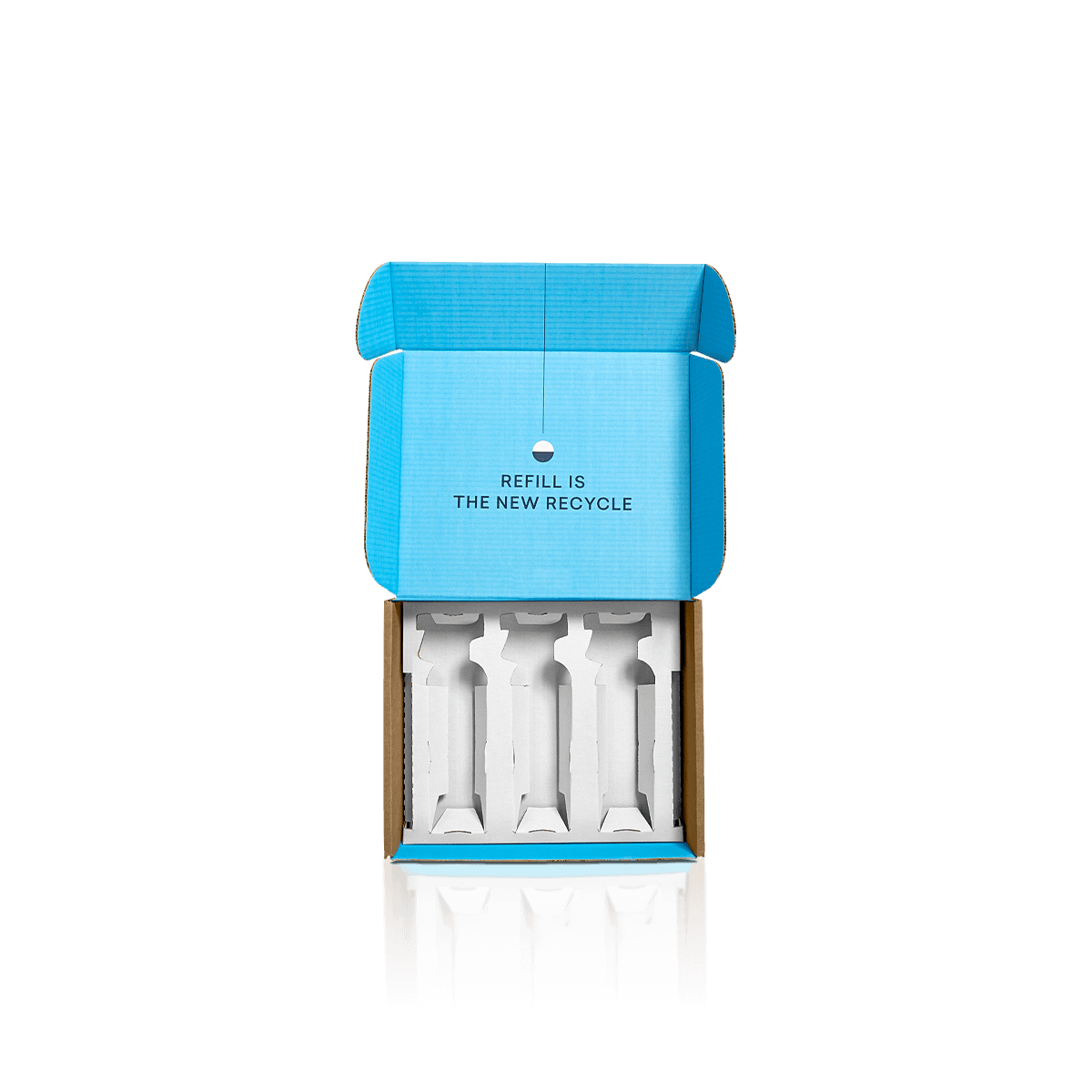
Jewellery Box Inserts should handle the jewellery inside a presentation case. The ecommerce mailer needs a different internal layout because it is controlling finished cases, pouches and accompanying items rather than bare jewellery.

Speed Up the Packing Bench

A mailer used for regular ecommerce dispatch should be easy to identify, fold, load and close repeatedly.

An elaborate internal arrangement can look excellent in a mockup but become expensive if the packing team spends too long positioning every component.

The insert or spacer should make the correct order position obvious. Cards should have a predictable location. The presentation case should drop into place without repeated adjustment.

This is where Custom Packly's one-stop support has practical value. Mailer dimensions, internal support, artwork and production can be considered together rather than optimising the outer box while making fulfilment slower.

For growing online brands, 24/7 packaging support can also help when packed dimensions, closure choice or a new jewellery set changes the existing shipping specification.

Use Print Where It Survives

A delivery box faces a different environment from a jewellery presentation case.

Foil, delicate surface effects and highly tactile finishes can make sense on the inner rigid case where the customer handles it carefully. The outer mailer is exposed to sorting equipment, stacking, labels and courier handling.

Premium offset printing can still produce controlled brand colours, patterns and inside artwork on suitable mailer surfaces. The practical question is where visual detail will survive long enough to add value.

Packaging customisation can coordinate outside print, inside print and structural details without assuming every premium finish belongs on the shipping layer.

A restrained exterior and stronger printed interior can be effective when the brand wants the parcel to arrive cleanly but still create a noticeable reveal after opening.

Plan the Shipping Label Early

A highly detailed lid design can lose its effect when a large courier label covers the central artwork.

Reserve a practical label area before finalising the exterior design. The mailer should still look intentional once the real dispatch label, barcode and any operational stickers are applied.

For smaller jewellery parcels, this matters because the label can occupy a large proportion of the available surface.

Free 3D mockups can help check logo scale, printed panels and visual balance, but the mockup should also allow for the unglamorous parts of real fulfilment. Packaging is not finished when the artwork looks good without a shipping label.

Decide How Returns Work

Jewellery ecommerce often involves products that may need to travel back through the delivery network. If returns are part of the sales model, decide whether the original mailer is expected to make that second journey.

A standard tuck closure may open cleanly but provide no convenient reseal method. Another structure may support a second adhesive strip or a return process using separate tape.

Do not add return features automatically. They add value only when the actual fulfilment process uses them.

The E-commerce and Subscription packaging options help when return handling, recurring dispatch or changing multi-item orders matter beyond jewellery alone.

Separate Everyday and Gift Orders

One mailer does not always need to serve every order type.

An everyday ecommerce order may contain a compact branded jewellery case and care card. A gift order may add a message card, sleeve, tissue or several pieces, changing both footprint and depth.

Trying to make the everyday order fit the gift mailer can mean shipping empty space for most sales.

Where order data supports it, two carefully chosen mailer sizes can be more efficient than one oversized universal carton.

MOQ starts from 100 boxes, so a second shipping format can be considered where the volume and dimensional difference justify it rather than forcing every jewellery order through one footprint.

Compare Quotes on One Specification

Mailer quotes are difficult to compare when suppliers are pricing different sizes, flute types, printing coverage or insert arrangements.

The mailer quote checklist identifies the details that need to remain consistent, including dimensions, material, flute, print, finish, inserts and delivery information.

For Jewellery Mailer Boxes, also make sure each supplier is pricing the same packed-order arrangement. A quote based on a bare ring case is not equivalent to one based on the ring case plus protective support, care cards and gift elements.

Price differences only become meaningful after the physical specification is aligned.

Keep Replenishment Operational

Once a mailer works, preserve the information that makes fulfilment repeatable: internal dimensions, material, internal support, closure, artwork version and the finished items assigned to that size.

This is more useful than identifying it internally only as “small jewellery mailer”.

Custom Packly provides guaranteed 4–6 working day production and delivery, which can support repeat ecommerce dispatch when stock levels need replenishment. Warehousing and scheduled deliveries are also available where larger production runs need to be released into fulfilment gradually rather than stored entirely at the packing site.

For time-sensitive replenishment, fast-turnaround mailer planning shows why settled dimensions and clear specifications prevent avoidable delays.

Send One Packed Example

The best commercial starting point for a Jewellery Mailer Box is one complete order assembled exactly as it should leave the packing bench.

Measure the finished length, width and depth. State the total packed weight and show where the presentation case, cards, pouch or gift components sit. If there are two common order combinations, show both rather than quoting from the jewellery dimensions alone.

Also explain which parts may change between orders. A mailer for one ring case every time can be fitted closely. A parcel that regularly combines different jewellery cases may need a more adaptable internal arrangement.

Use the instant packaging quote with that packed-order information. The mailer can then be priced from the actual dispatch unit instead of estimating a shipping box around the product name.

FAQs

Jewellery mailer boxes should be sized around the packed item, not the loose product alone. That means measuring the inner box, pouch or card as it will actually ship, then allowing only enough room for inserts or protective support. If the cavity is too open, items move more in transit and the parcel starts to feel less considered.

Yes, and that is often where these boxes add the most value. Exterior branding helps recognition in dispatch and delivery, while interior print can shape the unboxing moment with colour, messaging or a more refined reveal. The only caution is finish choice. Heavy decorative finishes may scuff if the parcel sees frequent courier handling.

In many cases, yes. Small products can shift more than larger ones, especially when they are packed in pouches, jewellery cards or slim cases. A simple insert, platform or spacer keeps the contents from sliding around and makes the parcel open in a cleaner way. This is especially useful for rings, earrings and mixed accessory orders.

Jewellery mailer boxes are the better choice when the pack needs to travel through the postal network as the main outer structure. Presentation boxes are stronger for in-store handover, gifting display or premium inner packaging. Many brands use both together: a presentation case for the jewellery itself and a mailer box to protect it during delivery.

Start with the packed dimensions, product weight and whether the order includes an inner case, pouch or card. Then confirm board grade, insert needs, closure style, print coverage and the delivery channel. It also helps to decide early whether returns are likely, because that can influence opening style, reseal logic and the overall postal format.

Process

How it works

Your Packaging Journey, From Idea to Production and Delivery

01

Tell Us Your Specs

Custom packaging boxes

Tell Us Your Specs

Provide size, quantity, printing, and finishes.

02

Get a Fast Quote

Custom packaging boxes

Get a Fast Quote

Instant transparent pricing, no hidden fees.

03

Design and Approval

Custom packaging boxes

Design and Approval

Artwork checks, revisions, and final sign-off.

04

Produce

Custom packaging boxes

Produce

Expert manufacturing to meet deadlines.

05

Ship to Your Door

Custom packaging boxes

Ship to Your Door

Hassle-free, flexible delivery options.

Get Your Quote for Custom Jewellery Mailer Boxes

Share your product details, dimensions, quantity and artwork needs. We’ll help choose the right packaging style and send a clear quote.