Skip to content
Details

Cable Boxes

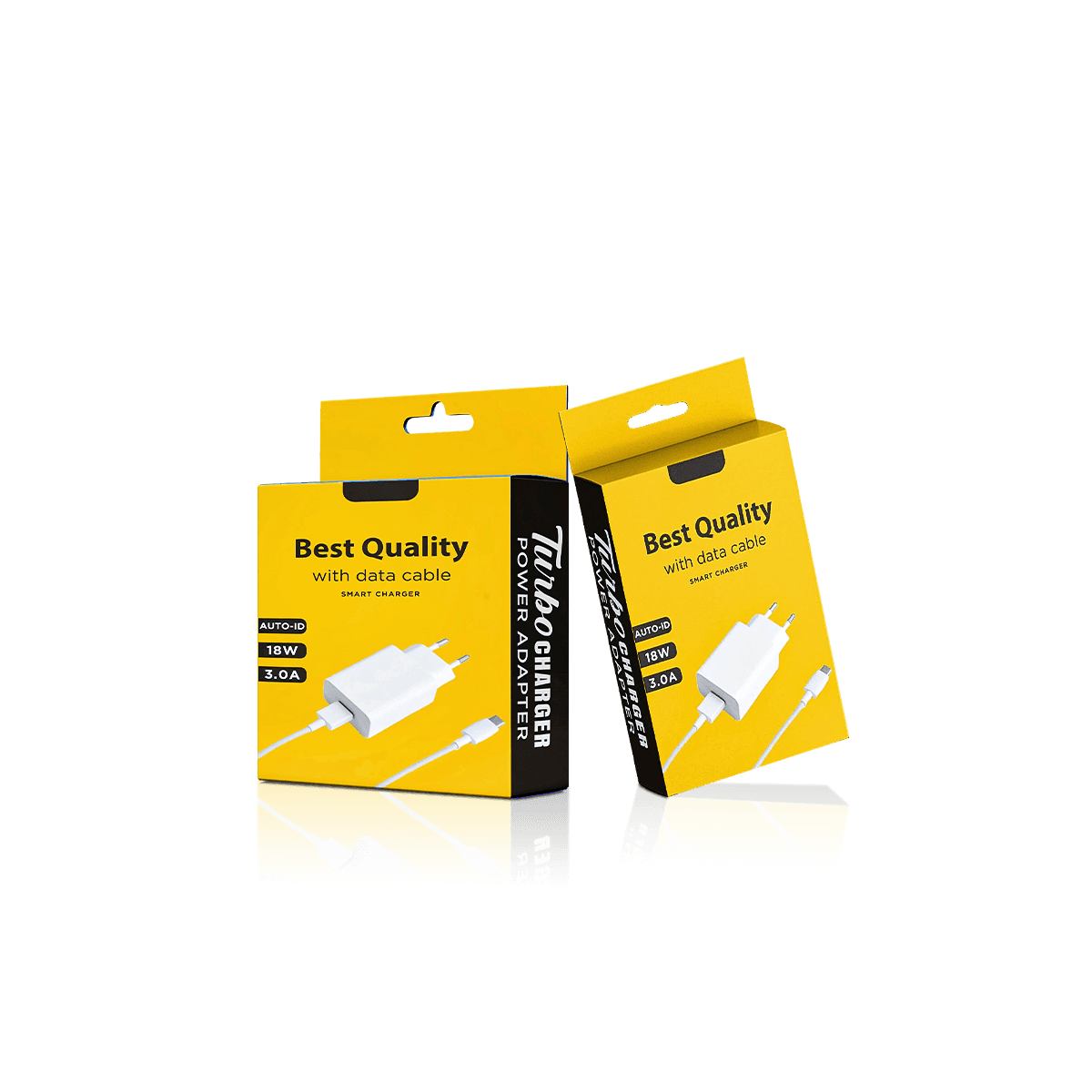
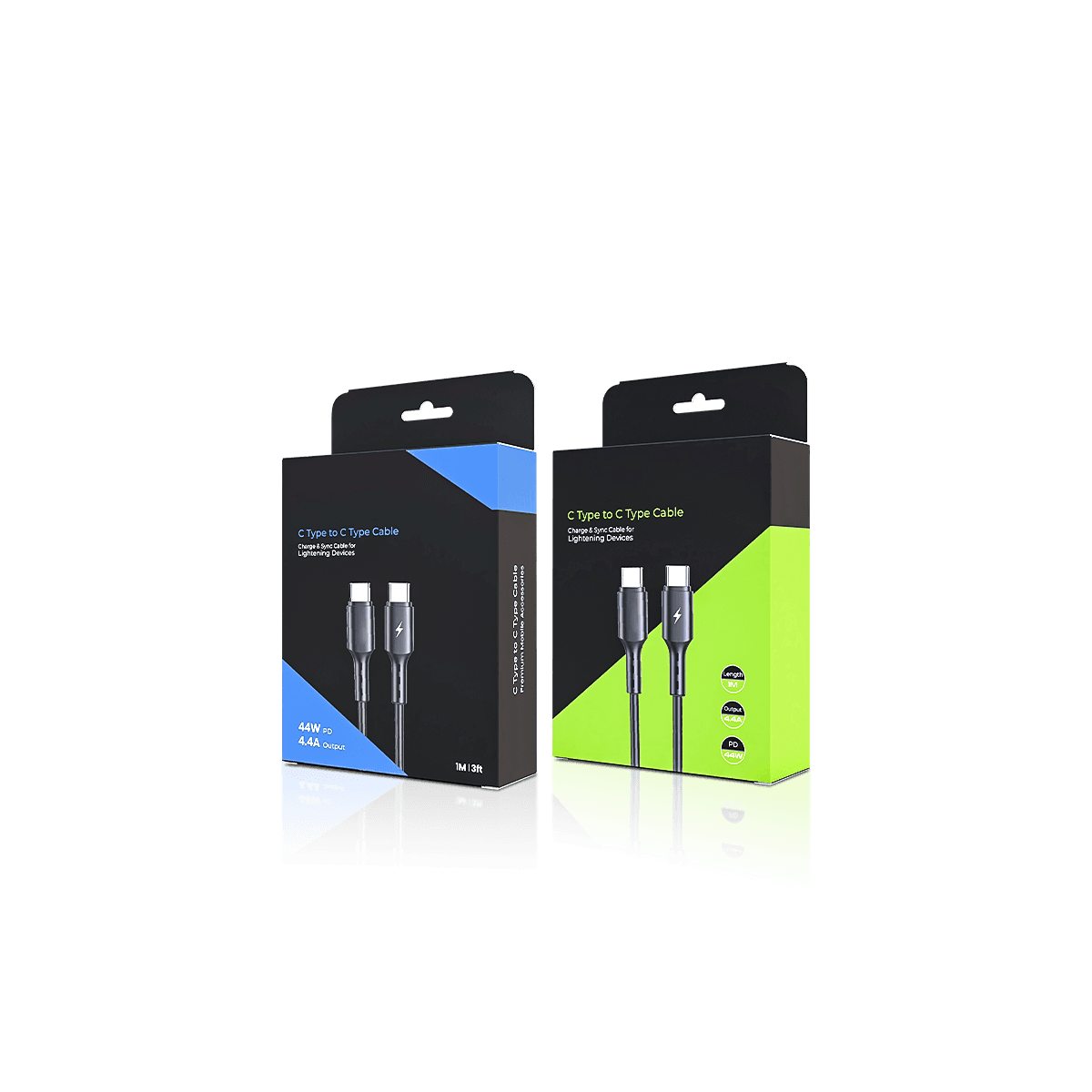
Cable boxes keep coiled leads, connectors and bundled accessories organised, protected and easy to identify. They help compact tech items look cleaner on shelf, travel more securely in fulfilment and carry compatibility details without making the carton feel oversized.

Free Design Support

Clear Pricing

Flexible Quantities

Unlimited Customization

Premium Materials

Offset Precision

Free Shipping

Quick Turnaround

About

Cable boxes work best when the internal space is shaped around the way the lead is packed, not just around the product name. A short charging cable, a braided premium lead, a multi-connector set and a coiled sync cable may all need very different box depths and panel proportions. The main risk with this product type is wasted space. If the carton is too large, the cable shifts, the front looks underfilled and the product can feel lower value than it is. If the box is too tight, coils spring against the walls, packing slows down and the closure starts fighting the contents. That is why cable packaging usually starts with coil diameter, connector bulk, any paper wrap or tie already on the product and whether extras such as manuals, adapters or sleeves sit in the same carton.

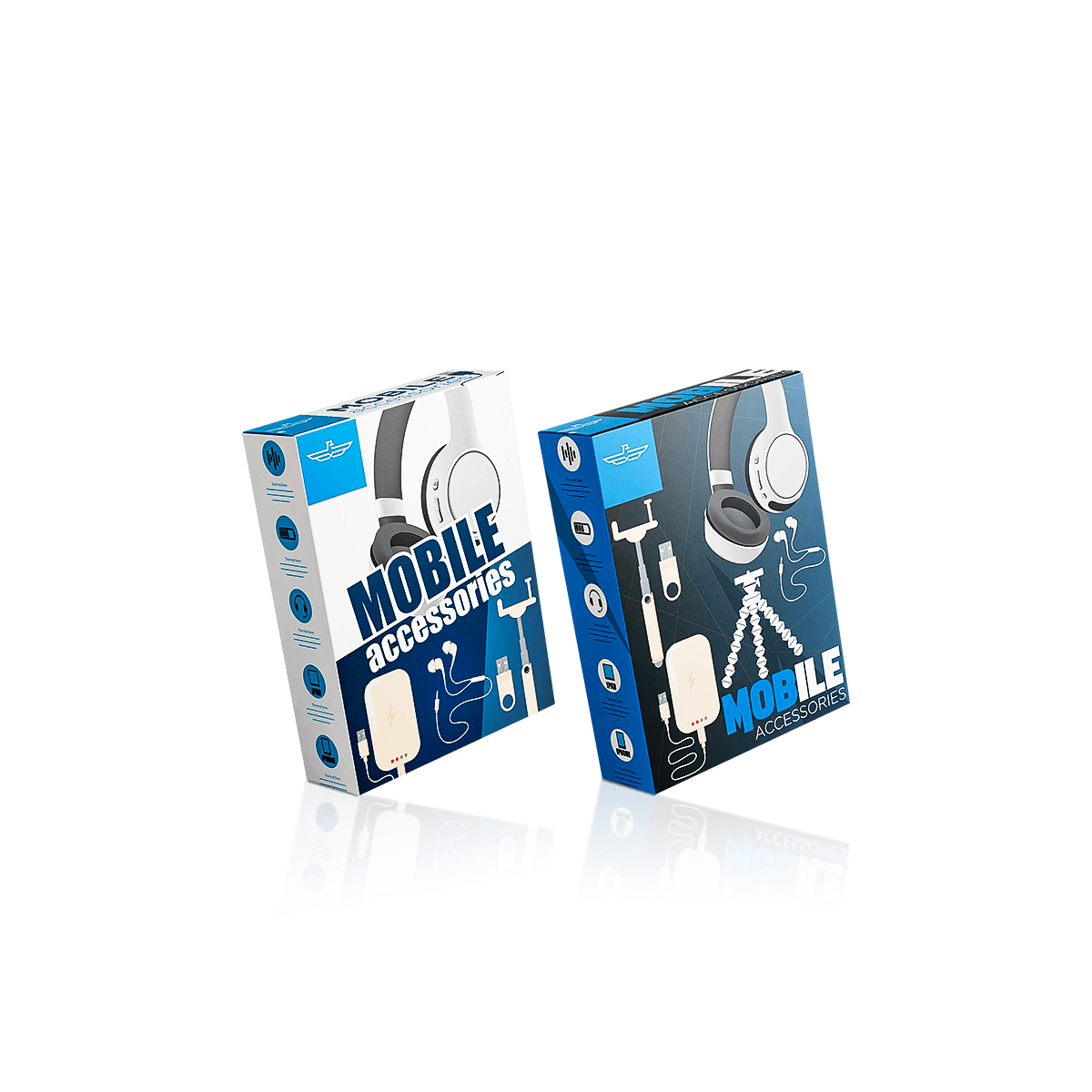
This product category also depends heavily on information design. Cable boxes often need to show length, connector type, charging speed, data capability, device compatibility and barcode details on a small footprint. A good carton balances those requirements without turning the front into a technical noticeboard. For lighter retail lines, compact tuck-end cartons are often the most efficient route. For bundled kits or thicker braided leads, inserts or slightly stronger board can keep the presentation cleaner. Compared with broader mobile accessory cartons, cable boxes usually need slimmer proportions, tighter internal control and more disciplined front-panel hierarchy.

What Good Packaging Solves

  • Stops loose cable coils from moving, flattening or looking untidy in store

  • Gives connector and compatibility details room without crowding key branding

  • Keeps compact products looking full, organised and commercially credible

  • Supports peg display, shelf presentation and straightforward picking in fulfilment

  • Helps cable ranges stay visually aligned across lengths and connector variants

Materials, Print and Protection

Coil-Led Dimensions

Sized around cable wrap diameter, connector bulk and included paper inserts.

Specification Panels

Leave clear space for length, connector type and charging capability.

Board Weight Control

Use compact paperboard or stronger stock for heavier braided cables.

Retail Display Options

Add hang-tab support and front-facing layouts for accessories walls.

Range Customisation

Adjust depth, closure and finish across single leads or bundled kits.

Packaging Insight

Cable packaging has become more demanding because the product itself now carries more performance claims than it used to. A simple “USB cable” label is rarely enough. Many product lines need to distinguish fast charging from data transfer, USB-C from Lightning-style connectors, braided from standard finishes and single leads from kit-based bundles. That shift makes front-panel clarity and side-panel discipline more important than on many other compact electronics cartons. The strongest cable boxes do not just protect the item. They make quick comparison easier in retail and reduce order confusion in ecommerce by presenting the right technical cues at a glance. This is where thin category content often falls short. It talks about branding in broad terms but misses the real category pressure point, which is fitting a coiled product into a compact carton while still giving every SKU enough distinction.

Best Packaging Routes

  • Slim tuck-end cartons for standard charging and data cables

  • Peg-ready boxes for convenience retail and mobile accessory displays

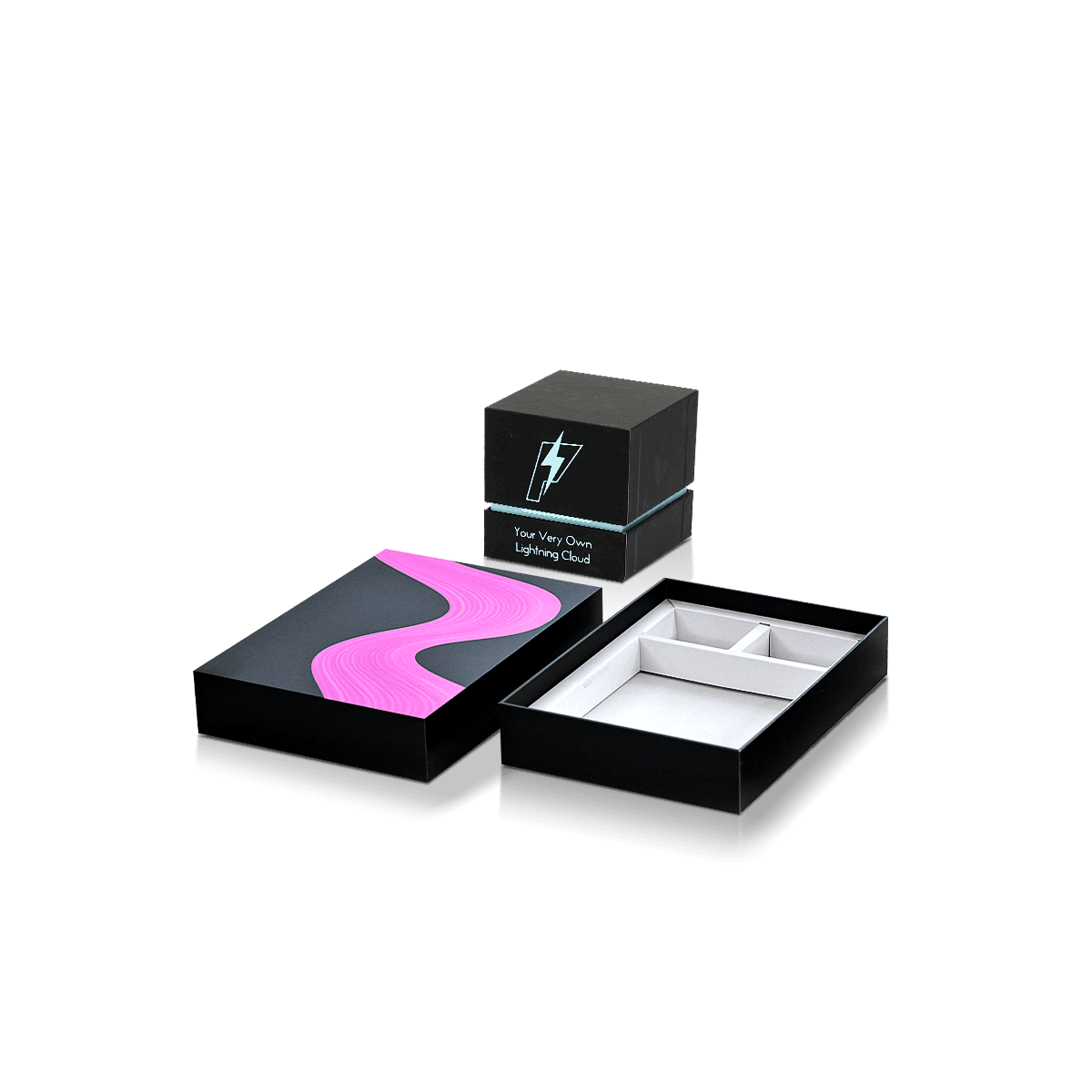
  • Insert-led cartons for braided cables and premium boxed ranges

  • Multi-item cartons for cable sets sold with adaptors or organisers

  • Retail cartons inside mailers for ecommerce and marketplace dispatch

FAQs

A slim tuck-end carton is often the strongest starting point because it keeps the footprint efficient and prints well across retail ranges. That style suits most charging and data leads when the cable is wrapped neatly. If the product is heavier, braided or sold with other parts, a slightly deeper carton or an insert-led layout usually gives better control and a cleaner presentation.

No. Many standard leads can sit securely in a compact carton without an insert if the cable wrap is controlled properly. Inserts become more useful when the carton includes multiple components, premium presentation matters more or the cable has bulky ends that create movement inside the box. The decision usually comes down to pack stability, finish quality and how polished the opening experience needs to feel.

Enough to remove confusion before purchase. Most cable cartons need to show connector type, lead length, charging function, data capability and basic compatibility details clearly. That information should be prioritised, not scattered. Confirm the full copy requirement before sizing the carton because many boxes become awkward only after the technical details are added too late in the design process.

Yes, usually in both shape and emphasis. Charger boxes often need more support for plug depth, pin protection and product weight, while cable boxes focus more on coil control, slim proportions and easy comparison across variants. If the product is mainly a lead, a cable-specific carton generally gives better size efficiency. If a plug unit is the main item, charger-led packaging is normally the better fit.

Confirm the packed coil size first, including any sleeve, tie, paper wrap or secondary accessory already around the cable. Then check connector dimensions, total packed weight and whether the product needs peg display, barcode space or ecommerce reinforcement. It also helps to confirm whether the line will expand into other lengths or connector variants so the packaging system can stay consistent across the range.

Process

How it works

Simple steps from idea to delivery

01

Tell Us Your Specs

Custom packaging boxes

Tell Us Your Specs

Provide size, quantity, printing, and finishes.

02

Get a Fast Quote

Custom packaging boxes

Get a Fast Quote

Instant transparent pricing, no hidden fees.

03

Design and Approval

Custom packaging boxes

Design and Approval

Artwork checks, revisions, and final sign-off.

04

Produce

Custom packaging boxes

Produce

Expert manufacturing to meet deadlines.

05

Ship to Your Door

Custom packaging boxes

Ship to Your Door

Hassle-free, flexible delivery options.

Ready for a quote?

Send your dimensions and we’ll respond quickly