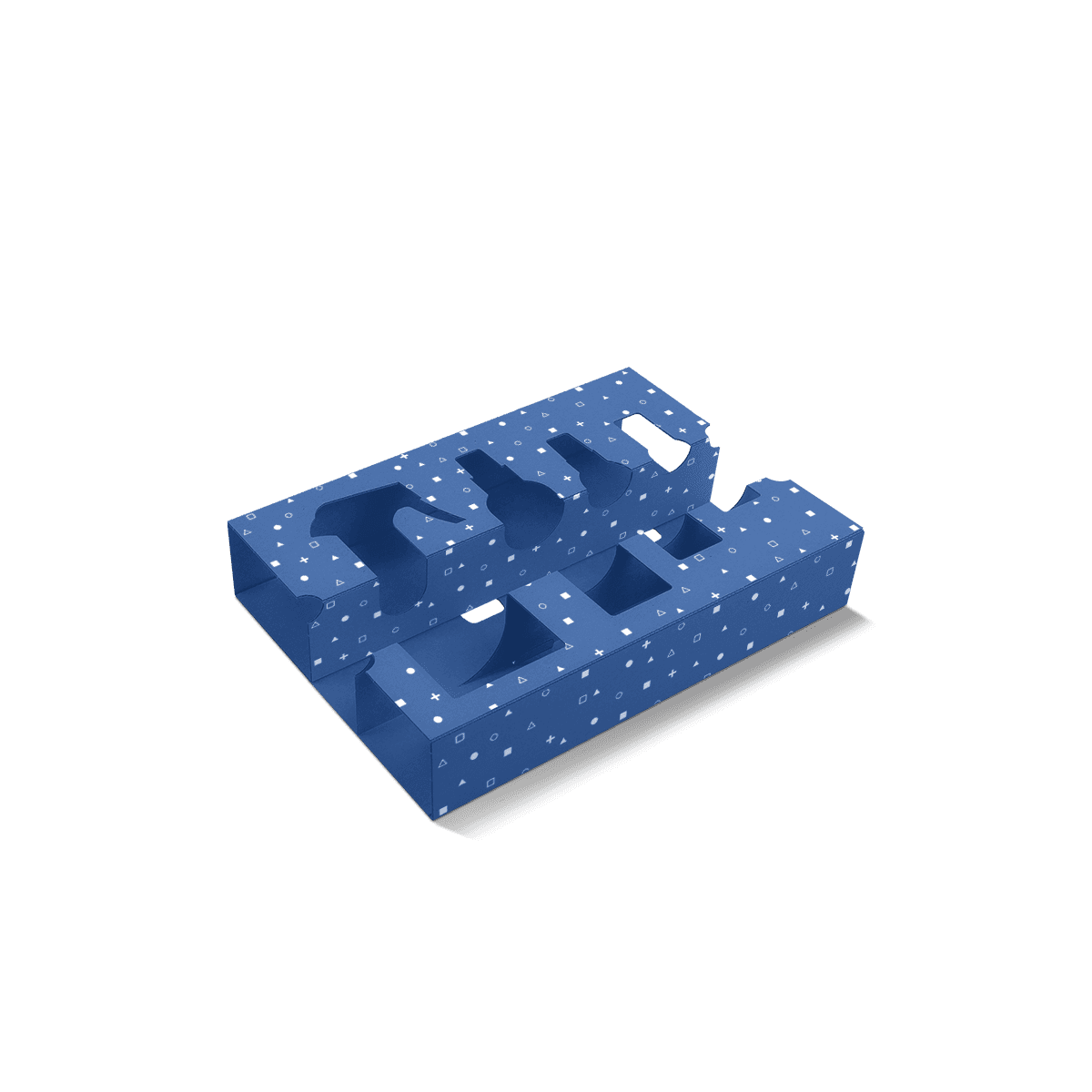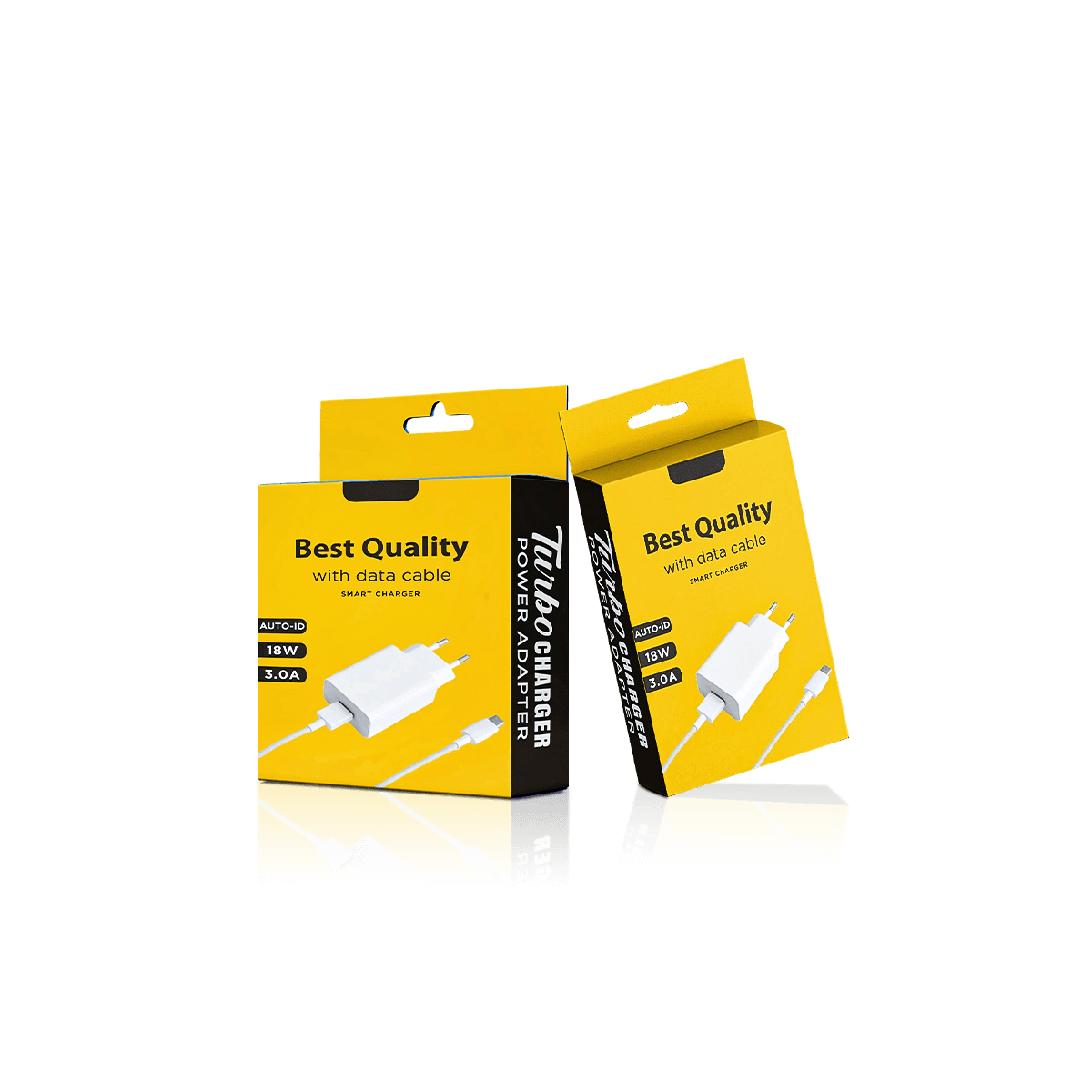
Pins Set the Box Depth
A charger should never be measured as though its plastic body were the whole product. Custom Charger Boxes need to account for the full plug profile, especially fixed pins that project beyond the main housing and create hard contact points inside a compact carton.
That makes charger packaging a specific problem within electronics and gadgets packaging. A small wall charger may occupy little shelf space, yet a few extra millimetres around the pins, cable head or insert can decide whether the carton closes cleanly or constantly fights the product.
Measure Beyond the Housing
Record the charger's length, width and body depth first, then measure the maximum depth including the pins in the orientation the product will actually be packed.
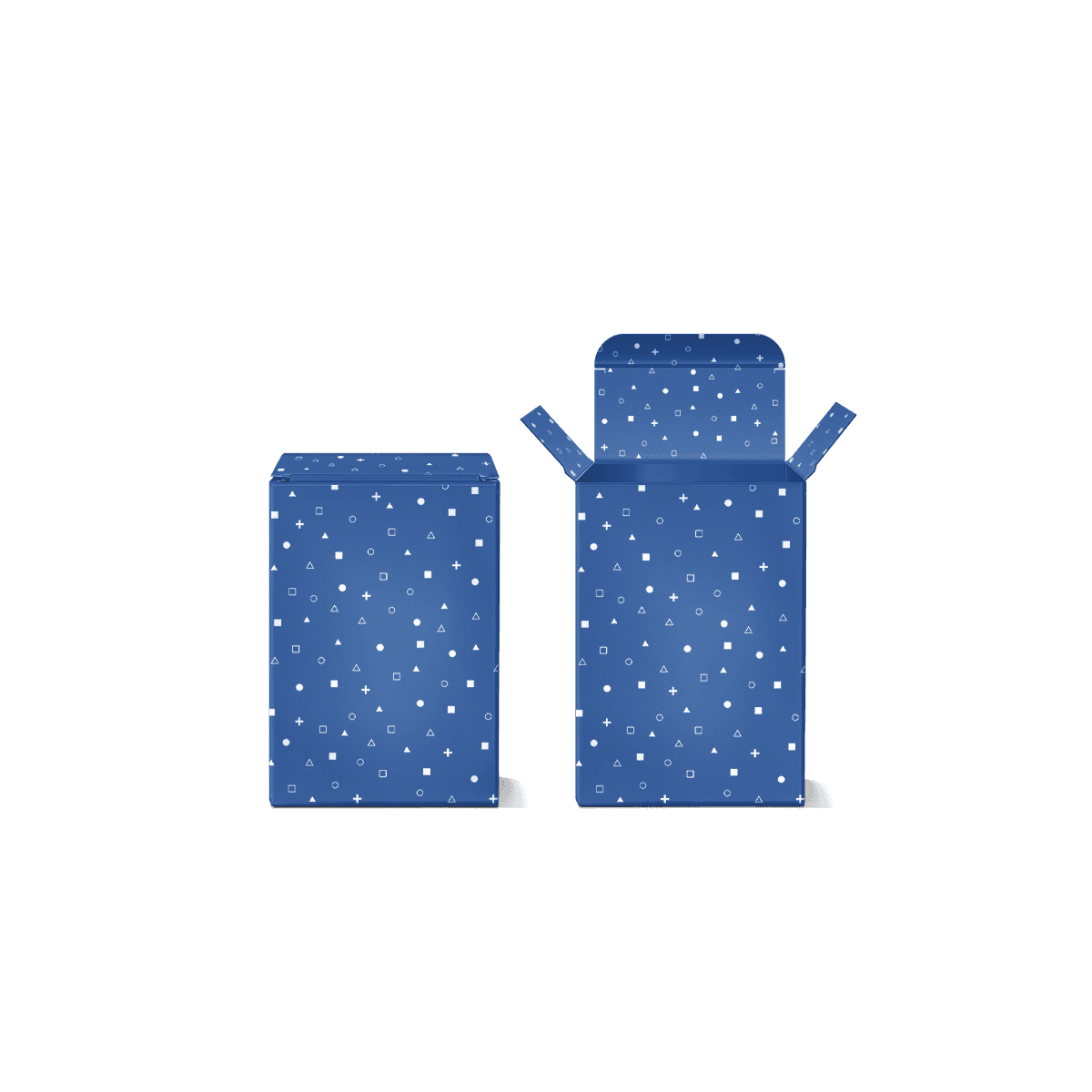
Do not automatically add the same allowance to every side. A charger may need extra depth in front of the pins but very little clearance around the flat rear surface. The tuck box sizing process is useful when working out the final internal dimensions because board thickness, inserts and tuck-flap movement also consume space.
Do Not Load the Pins
Projecting pins should not become the main point supporting the product. If the charger can slide until the pins strike the carton wall, a close-fitting box has not actually controlled the risk.
Rotate the charger, use a simple internal stop or add a fitted support so the body carries the load. This matters most with fixed-pin wall chargers and travel adapters where the projecting metal parts create a very different profile from the housing itself.