Skip to content
Details

Custom Recyclable Paper Bags

Start with the disposal outcome you need, then simplify paper, handles and finishes without weakening the bag.

Recyclability Is a Whole-Bag Decision

Paper can be the dominant material without answering every end-of-use question. That is why Custom Recyclable Paper Bags need to be specified as finished products, including the handles, reinforcement, adhesives, print and surface treatments that remain attached when the customer is finished with them.

The strongest approach is to decide what end-of-use outcome you want, then remove unnecessary complexity without weakening the bag. That makes this page different from Kraft Paper Bags. Kraft is primarily a paper and print-surface decision. Recyclability is a finished-specification decision.

A brown bag is not automatically the more recyclable choice, and a white printed bag is not automatically worse. The complete material mix, the condition of the bag after use and the recycling facilities available to the customer all matter.

If the same environmental priorities need to run across boxes, inserts and bags, eco-friendly custom packaging provides the broader material-efficiency approach. Here, the focus stays on the paper carrier itself.
Define the Claim First

Recyclable, recycled, FSC-certified, biodegradable and compostable are not interchangeable descriptions. Using the right term matters because each answers a different question.

Recyclable Is Not Recycled

A recyclable bag is intended to be capable of entering an appropriate recycling process when its materials and local collection system allow it. Recycled content describes where some of the paper fibre came from.

A bag can contain recycled fibre and still include components that complicate recycling. A bag made from virgin fibre can also use a relatively straightforward paper-led construction. If recycled content is important to the brief, specify it directly instead of assuming the word recyclable communicates the same thing.

Certification Answers Another Question

FSC-certified paper can be specified where required. That certification relates to sourcing and chain of custody. It does not by itself prove that every finished bag will be accepted in every recycling stream.

This distinction gives procurement and brand teams much cleaner language. State the verified material or certification you are actually buying rather than compressing several environmental ideas into one broad claim.

Simplify the Material Mix

A recyclable paper-bag brief usually gets stronger when unnecessary mixed materials are removed. The goal is not to strip away every functional component. It is to make each added component earn its place.

Handles Can Complicate Recovery

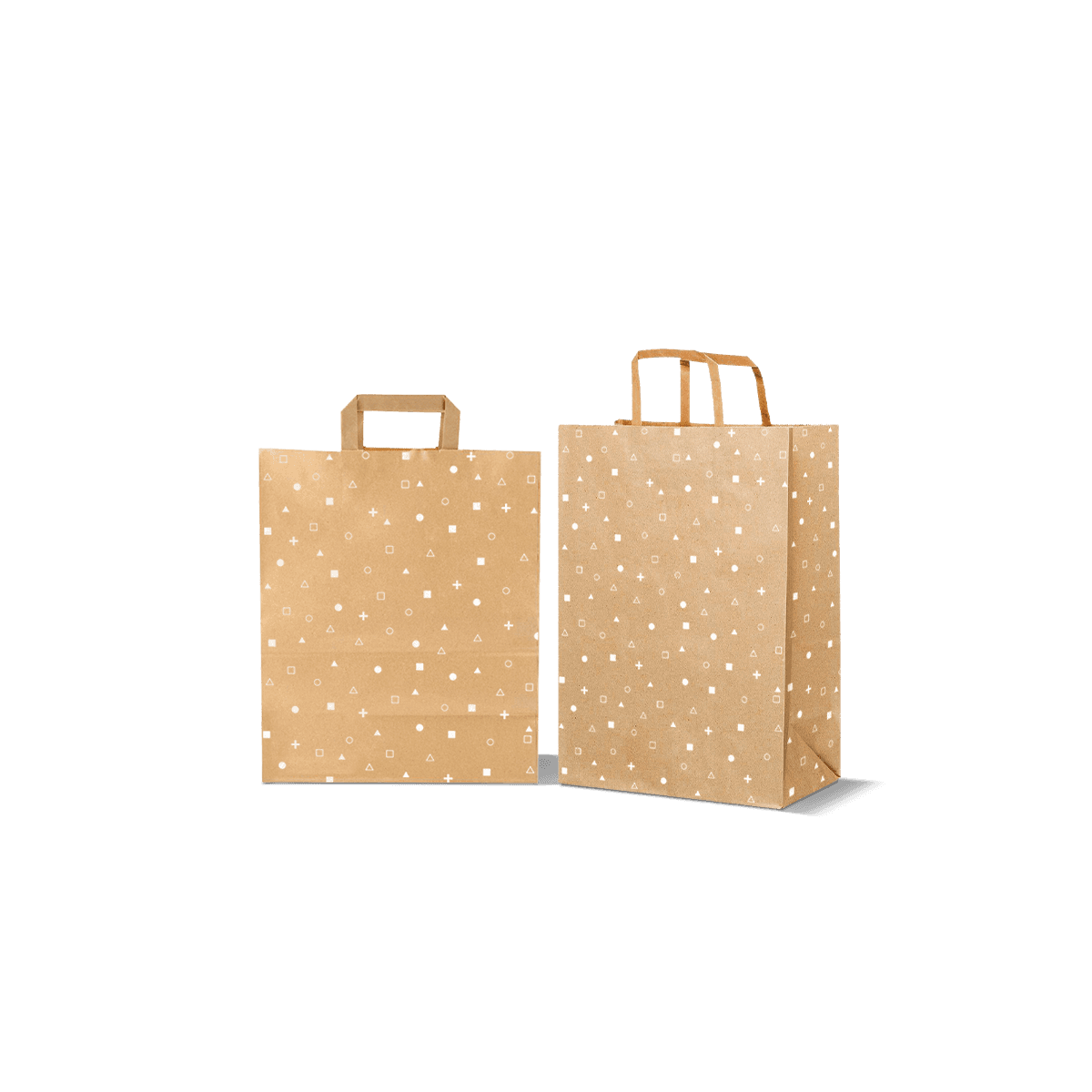
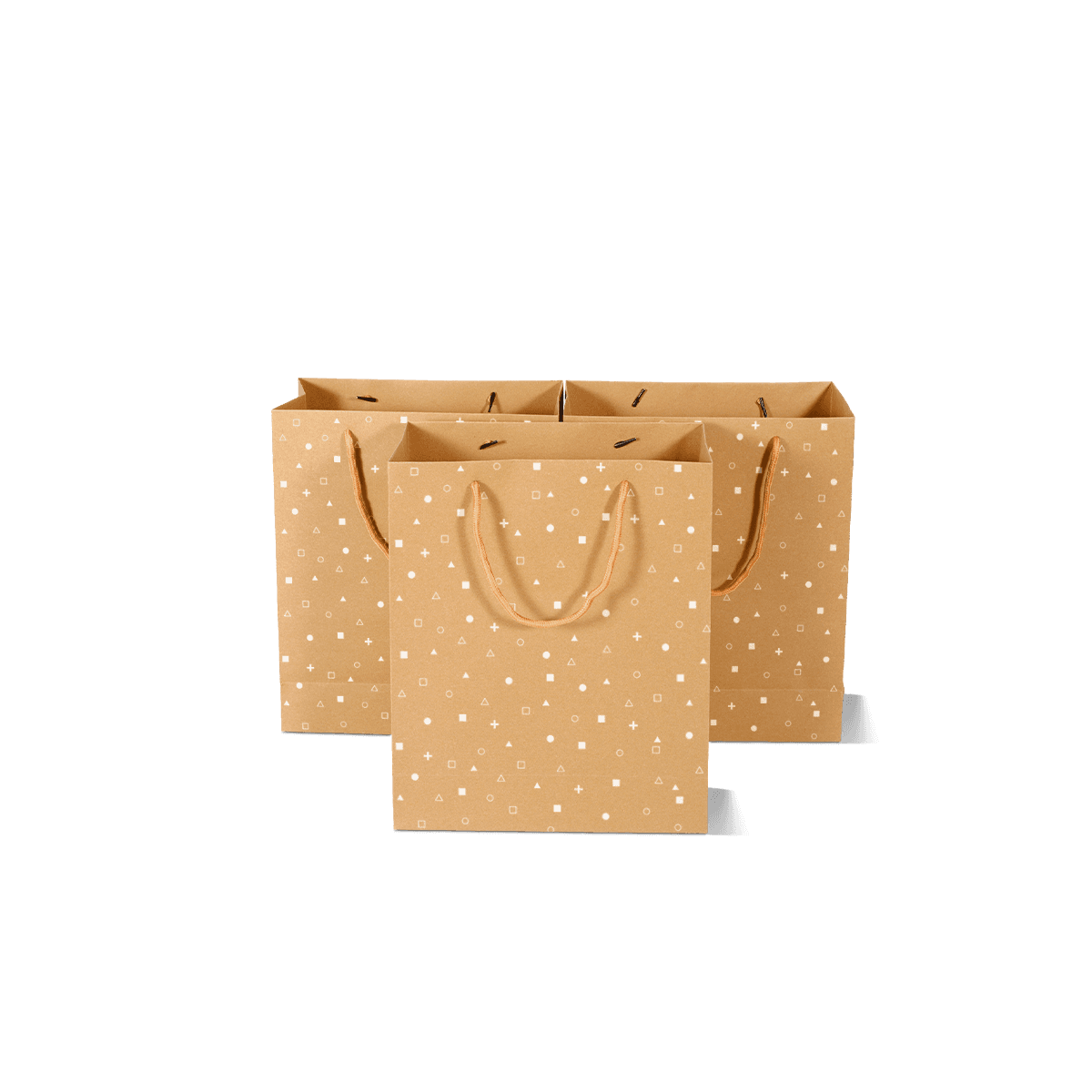
Handle choice affects both use and the material mix. A paper handle can keep more of the bag within a paper-led system, while rope, ribbon and other mixed-material handles may introduce additional materials that need separate assessment.

The right decision still starts with the load. Removing a stronger handle purely to simplify the material story makes little sense if the bag then performs badly. For heavier purchases, carry comfort and handle attachment remain real functional requirements.

Adhesive and reinforcement also matter. Even where the visible handle is paper, the complete attachment method should be considered before making a finished-bag recyclability claim.

Finishes Need a Reason

Lamination, foil, soft-touch films and other decorative treatments can change the material mix and may affect how straightforward the bag is to process. That does not mean every finish automatically makes a paper bag unrecyclable, but it does mean the complete specification needs checking.

If a premium visual effect is commercially important, use it deliberately. If tactile finishing and high-end presentation are the main buying priorities, luxury paper bags are the more useful starting point. A recyclable specification should not pretend those trade-offs do not exist.

Customisation can still include strong print and selected finishes. The better rule is to add only what serves a clear branding or performance purpose.

Use Less Before Switching

One of the most useful improvements is often dimensional rather than material. A correctly sized bag can reduce unnecessary paper while making the purchase easier to load and carry.

Right-Size the Common Purchase

Do not size the bag from the largest product you sell if most customers buy something much smaller. Look at the most common purchase combinations and decide whether one, two or three sensible sizes cover them better.

A smaller carrier used appropriately can reduce empty space and keep products more stable. The same product-led logic applies when choosing packaging for the actual product: the dimensions and use should come before the environmental label.

For retail businesses with several product sizes, custom retail packaging can coordinate a small set of carriers and boxes without making every transaction use the largest format.

Do Not Underspecify Strength

Material reduction stops being useful when the bag tears, the base fails or the handles pull out during normal use. A replacement bag or damaged purchase is not a good outcome.

Share the actual packed weight and likely carry distance. The aim is the lightest sensible specification that still performs reliably, not the lowest GSM that can technically be manufactured.

This is also where cost and material efficiency meet. Avoiding unnecessary packaging spend is usually more useful than cutting strength from a carrier that has a real job to do.

Print Without Mixed Signals

Recyclable paper bags do not need to be plain. Logos, campaign graphics, QR codes and full-colour artwork can still be appropriate. The print plan should simply respect the material and the end-of-use brief.

Paper Colour Proves Nothing

Brown kraft often looks environmentally responsible because the fibre and paper texture are visible. That appearance is not evidence of recyclability.

If the main decision is brown versus white stock, print contrast or the visual character of natural paper, Kraft Paper Bags should own that choice. Recyclable Paper Bags should instead start from the completed bag and work backwards into the stock, handles and treatments that support the intended disposal route.

A clean white paper bag with a simple paper-led specification can be just as credible as a brown one when the claim is based on verified materials rather than colour.

Ink Is Only One Factor

Choosing a particular ink does not settle the recyclability of the finished carrier. Ink coverage, coatings, laminates, adhesives, handles and reinforcement all sit within the same specification.

This is why a simple printed logo can sometimes be a clearer solution than covering the bag with decorative layers that do little for the customer. The design should communicate the brand without asking the recycling message to carry more complexity than necessary.

Food Changes End-of-Use

Food-service bags need an extra layer of judgement because recyclability cannot override grease, moisture or food-contact requirements.

Grease Changes the Outcome

A clean paper carrier and a heavily food-stained paper bag do not reach the recycling stream in the same condition. Grease, sauces and food residue can make some paper packaging unsuitable for some collection systems.

The practical response is not to weaken the bag or remove a necessary barrier. It is to understand whether the paper bag holds already-contained food, dry bakery products or items that can leak directly onto the paper.

Keep the hierarchy simple: make the bag work safely for the food first, then simplify the materials and end-of-use specification within that requirement.

Food Contact Is Separate

A recyclable material is not automatically suitable for direct food contact. If food will touch the paper, or if grease and moisture resistance are required, the exact intended use must be stated before material selection.

For restaurants, bakeries and cafés, food packaging requirements should therefore be resolved separately from the recycling claim. The correct barrier or treatment may be necessary even when a simpler untreated paper would look preferable on paper.

Structure Still Comes First

Recyclable is an attribute, not one bag shape. The finished carrier may be a flat bag, an SOS bag, a flat-bottom bag or a handled shopping bag depending on the product and the way it is handed over.

Across custom paper bags, choose the working structure first. A café that needs fast counter loading should not select a handled retail bag just because the material sounds more recyclable. A customer carrying boxed goods for twenty minutes should not be given a handleless bag simply because it has fewer components.

The same decision rule used when choosing packaging for a product applies here: environmental priorities should improve the correct structure, not replace it.

Retail and apparel businesses may favour handled carriers, while food service may need quick-opening or broad-base structures. The recyclable brief can then simplify the material choices inside that correct form.

Make Claims You Can Defend

Environmental wording should describe the exact specification, not the visual impression. Claims such as paper-based construction, recycled-content paper or FSC-certified material are clearer when they are genuinely supported by the chosen stock and documentation.

Be cautious with absolute wording such as “100% recyclable” unless the exact finished bag, all components and the relevant disposal context support it. Collection and processing arrangements can vary, and contamination after use can change what happens to a paper bag.

The broader eco-friendly packaging principle is the same: say what the packaging is actually made from and what has actually been simplified instead of relying on vague green language.

This matters commercially as well as environmentally. Buyers, procurement teams and customers can understand a specific claim. A broad claim that cannot be explained is much harder to defend.

Document the Finished Specification

When an environmental claim matters commercially, keep a clear record of the finished bag rather than relying on a broad product name such as “paper bag” or “kraft bag”.

Record the details that support the claim, including the paper specification, recycled content where applicable, sourcing certification where specified, handle material, reinforcement, surface treatments and other relevant components.

That record matters again on repeat orders. Changing a handle, coating or paper specification can change the basis on which the original end-of-use wording was chosen, even when the artwork and bag dimensions remain identical.

Procurement and marketing teams should therefore work from the approved finished specification rather than assuming a previous environmental claim automatically applies to every future version.

Set the Disposal Brief

Before pricing, decide what you actually need to be able to say about the bag. That might be recycled-content paper, FSC-certified paper, a simpler paper-led construction or a finished bag intended for an appropriate paper recycling stream.

Then share the product it has to carry, whether handles are needed and any functional requirements that could affect the material choice. The specification can be simplified around those priorities without pretending that every extra component can simply be removed.

Use the custom packaging quote to send that end-of-use goal alongside the commercial requirement. The result should be a bag that performs first and gives you environmental wording you can support with the actual specification.

FAQs

Usually it comes down to specification, not just the word paper. A better recyclable option tends to use a simpler paper-led build, sensible print coverage and fewer added materials that complicate disposal. Buyers should look at the full construction, including handles, reinforcement pieces and finishes, instead of assuming every printed paper bag performs the same way after use.

Start with the real job of the bag. Confirm product weight, bag size, expected carry distance, whether handles are needed, how much branding must appear and whether any finish or lining is actually necessary. It is also worth deciding early if the brief prioritises cost control, appearance, reuse or disposal clarity because that affects the right bag structure.

No, not at all. Recyclable paper bags can still carry strong branding, but the design approach usually works best when it stays disciplined and material-aware. Clean logos, controlled colour use and well-chosen print areas often create a more credible result than treating the bag like a heavily decorated promotional surface.

Choose recyclable paper bags when the brand wants simpler paper-led packaging with easier end-of-use positioning and fewer finish-heavy decisions. Luxury Paper Bags are usually the stronger option when tactile presentation, decorative finishes and elevated retail handover matter most. The better choice depends on whether disposal clarity or premium theatre is doing more of the commercial work.

Yes, if they are specified properly. Recyclable paper bags can work very well for everyday retail, food-to-go and gift-led use when the size, stock and structure match the contents. The mistake is assuming the most minimal bag will always be enough. Good performance still depends on choosing the right paper weight, bag style and reinforcement for the actual load.

Process

How it works

Your Packaging Journey, From Idea to Production and Delivery

01

Tell Us Your Specs

Custom packaging boxes

Tell Us Your Specs

Provide size, quantity, printing, and finishes.

02

Get a Fast Quote

Custom packaging boxes

Get a Fast Quote

Instant transparent pricing, no hidden fees.

03

Design and Approval

Custom packaging boxes

Design and Approval

Artwork checks, revisions, and final sign-off.

04

Produce

Custom packaging boxes

Produce

Expert manufacturing to meet deadlines.

05

Ship to Your Door

Custom packaging boxes

Ship to Your Door

Hassle-free, flexible delivery options.

Get Your Quote for Custom Recyclable Paper Bags

Share your product details, dimensions, quantity and artwork needs. We’ll help choose the right packaging style and send a clear quote.