Skip to content
Details

Custom Bracelet Boxes

Bracelet boxes need to control length, clasp movement and presentation in one compact case. The right structure keeps bracelets neat, gift-ready and protected for jewellery counters, occasion packaging and carefully packed online orders.

Do Not Pull It Straight

Flexible bracelets are supposed to move. Forcing one into a perfectly straight line can create tension through the clasp, distort the way linked sections rest and make charm spacing look different from the way the jewellery actually wears.

Custom Bracelet Boxes should control that movement without removing it. A fine chain may need only two discreet holding points. A tennis bracelet needs enough guidance to stop its linked settings turning over. A charm bracelet needs space for heavier details that naturally pull below the main chain.

The useful starting position is the way the bracelet settles naturally when supported, not the longest line it can be stretched into.

Follow the Resting Curve

The internal layout should match the bracelet's flexibility. A soft chain, articulated tennis bracelet and heavily decorated charm piece can all have similar overall lengths while behaving very differently once placed in a case.

Fine Chains Need Light Restraint

A delicate chain normally needs control near each end rather than pressure along its entire length. Small tabs, slots or restrained holding points can establish the display line while leaving the central section relaxed.

Too much tension can put unnecessary force through a spring ring, lobster clasp or fine connecting link. Too little control lets the bracelet collapse into the centre when the case is moved.

Tennis Bracelets Must Stay Face Up

A tennis bracelet bends freely through a line of linked settings. That articulation is useful on the wrist but creates a presentation problem inside a box because individual sections can rotate.

A shallow shaped path or carefully positioned holds can preserve an even line without pressing directly on stones or settings. The goal is orientation, not clamping.

Custom Packly can adapt Jewellery Box Inserts where a bracelet needs defined contact points, controlled depth or a specific lift point inside the case.

Give the Clasp a Home

The clasp should not be the loose part left over after the visible bracelet has been arranged. It often has more thickness than the chain itself and can mark the lining, slip underneath the jewellery or pull one end of the display out of position.

A planned recess, concealed end slot or small protected area can stop that hardware moving without putting it on show.

Control Extender Chains

An extender introduces several short links plus a loose end that can migrate across the insert. If it is simply tucked under the bracelet, it can reappear beside the decorative section after handling.

Give the extender a consistent resting position. Packing staff should not have to invent a new way to hide it for every unit.

Charm Weight Pulls Unevenly

A bracelet with one heavy charm will not balance like a plain chain. Multiple hanging charms can also increase the packed depth well beyond the thickness of the bracelet itself.

The insert should control the main chain while giving the charms enough room to settle without rubbing against the clasp, lid or each other.

For unusual hardware or asymmetric designs, Custom Packly's packaging specialists are available 24/7 to review the intended position before the internal dimensions are fixed.

Separate Bracelets From Bangles

The simplest dividing line is flexibility. If the jewellery can drape, articulate or change shape significantly when lifted, a bracelet layout usually makes sense. If it keeps a fixed circular or near-circular form, Bangle Boxes should be considered instead.

Trying to use the same interior for both creates predictable compromises. A long narrow case can waste space around a rigid bangle. A broad circular recess gives a chain bracelet too much freedom to collapse or move.

Open cuffs also need judgement. A firm cuff that retains its profile is closer to the bangle problem because its width, opening and fixed geometry determine the cavity. A linked bracelet with a clasp still belongs here even when its individual components are substantial.

This distinction protects search intent as well as product fit: Bracelet Boxes solve guided flexible placement, while Bangle Boxes solve fixed-shape support.

Support the Wearing Shape

Bracelets can be presented flat, gently curved or closed around a support. The best choice depends on how the product naturally sits and how much depth the case can justify.

Use Two-Point Holds for Chains

Two restrained end positions can work well for fine chain and lightweight linked bracelets. They leave the decorative centre visible and reduce the number of parts touching the jewellery.

The ends should release without the customer having to pull sharply against the chain.

Use Channels for Articulated Pieces

A shallow channel can help a tennis bracelet or linked design maintain an even path. The channel should guide the bracelet rather than bury it.

If too much of the side profile disappears below the insert surface, the jewellery can look smaller and become harder to lift.

Check Pillows Before Committing

A pillow can suit bracelets worn closed around the wrist, but its circumference has to make sense. An oversized pillow can load the clasp continuously. A small one can let the bracelet sag or rotate.

Where physical fit is difficult to judge from dimensions alone, sample references can help evaluate support ideas before the specification moves forward.

Match the Case to Handling

The most decorative opening is not automatically the most useful one. A bracelet sold repeatedly across a jewellery counter may be removed and returned to its case many times before purchase.

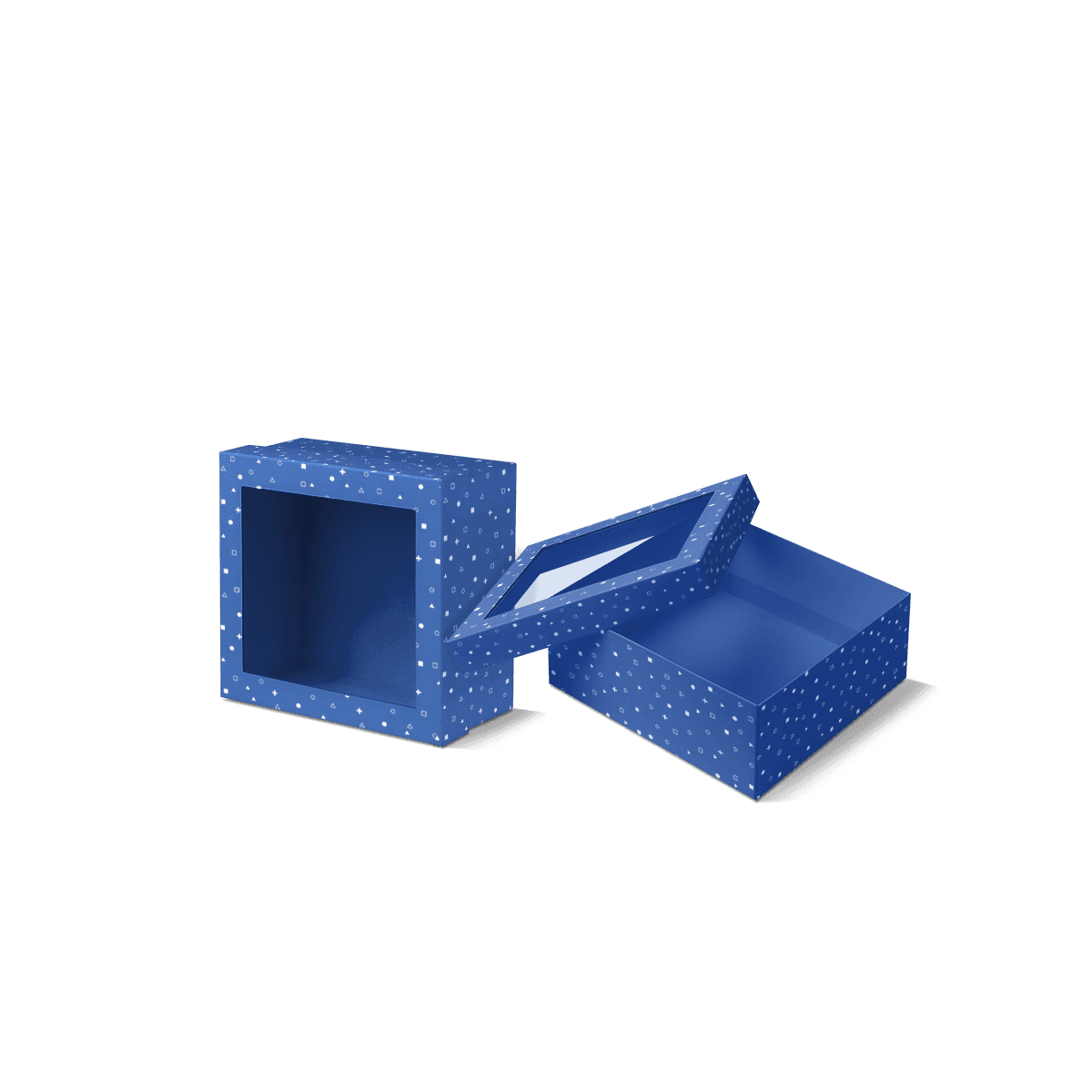
A lift-off rigid case gives direct access from above. Rigid Boxes make sense when presentation weight and a stable case matter.

A sliding structure changes the handling sequence. Custom Drawer Boxes can reveal a long bracelet gradually, but the insert must remain stable as the tray moves. If the bracelet shifts every time the drawer accelerates or stops, the opening has become part of the problem.

Retail staff should be able to return the bracelet to the approved position quickly. If a layout looks precise only after several manual adjustments, it may be too complicated for frequent counter use.

Leave Depth for Details

Bracelet length gets most of the attention, but depth is often where fit fails.

Clasp bodies, raised stones, beads and hanging charms can sit well above the main chain. Measure the deepest point in the exact display position rather than using the chain thickness as the box depth.

The lid should close without forcing charms sideways or pressing raised settings into the insert. At the same time, adding unnecessary depth can make a fine bracelet look lost inside a heavy case.

A good specification balances three levels: the support surface, the highest jewellery detail and the closed lid. Those three dimensions matter more than choosing a nominal “bracelet box” size from a catalogue.

Use the Lid With Restraint

Long bracelet cases can provide useful branding space, particularly compared with compact ring packaging. That does not mean the full surface needs print, foil and texture competing at once.

Premium offset printing works well where the lid uses an exact brand colour, fine typography or a large clean solid area. The current packaging customisation options can coordinate colour, paper wrap, foil, embossing, debossing and inside print with the finished structure.

For brands deciding between print processes, digital and offset printing explains why quantity, artwork variants and colour requirements should be assessed together rather than choosing from volume alone.

A free 3D mockup is particularly useful on a long narrow lid because artwork that feels balanced on a square design canvas can look stretched or undersized once applied to the real proportions.

Make Repacking Repeatable

A bracelet insert should tell packing staff where each part belongs without needing written instructions for every order.

The decorative face should have one obvious orientation. The clasp should return to the same end. Extenders and loose hardware should have a defined place. A charm-heavy bracelet should not depend on someone arranging every individual charm by eye.

This matters for ecommerce as much as retail. An experienced packaging team looks at the packing motion, not only the finished photograph. Custom Packly can coordinate the case, internal support, artwork and production specification so changes in one component do not quietly undermine another.

If the same brand sells several jewellery types, Jewellery and Accessories packaging can keep the visual identity consistent while the internal behaviour changes for rings, necklaces, bracelets, bangles and watches.

Protect the Case in Delivery

The bracelet insert controls movement inside the presentation case. It does not turn that presentation case into a courier carton.

For online orders, Jewellery Mailer Boxes can protect the finished case from parcel handling while the bracelet support controls the jewellery itself.

A useful delivery check is to close the finished case, place it inside the intended outer packaging and move the parcel through several orientations. On reopening, check the bracelet line, clasp position, charm location and insert stability.

If the jewellery remains secure but the presentation case is rubbing against the outer pack, the transit layer needs adjustment. If the outer case looks untouched but the bracelet has collapsed internally, the restraint needs adjustment.

Types of boxes for packaging can help separate presentation structures from packaging intended to absorb shipping and fulfilment stresses.

Reduce Sizes Without Forcing Fit

Several flexible bracelets can sometimes share one outer case even when their open lengths differ. The useful grouping factor is the space each design needs in its approved presentation position.

A fine chain and slim tennis bracelet may share a case footprint with different holding points. A heavily charmed piece may need more depth even when the visible length is similar.

Do not standardise solely to minimise the number of box sizes. A case that is too deep for most SKUs or an insert that needs awkward workarounds can erase the operational benefit.

MOQ starts from 100 boxes, which allows genuinely different bracelet groups to be separated where necessary. Minimum order considerations for custom printed boxes explain why quantity should be considered alongside setup, artwork and future demand rather than as an isolated target.

Once a working bracelet specification is established, guaranteed 4–6 working day production and delivery supports replenishment without changing the fit logic simply to chase a different stock case.

Remove Cost That Adds Nothing

Bracelet packaging can become expensive through unnecessary depth, excessive insert layers, multiple outer sizes or decorative processes that add little to the product presentation.

Start by paying for the things that solve a real problem: correct proportions, reliable internal control, usable opening and consistent production. Finishes come after those decisions.

The breakdown of custom packaging cost in the UK shows how size, quantity, material, print and finishing interact. That matters with bracelet cases because a few unnecessary millimetres repeated across a rigid structure and insert can affect material use, storage and shipping volume.

Customisation has value when it removes compromise. It has less value when additional parts are being added only because they are available.

Show the Bracelet Two Ways

For pricing and fit planning, photograph the bracelet in two positions: first as it naturally rests when open, then fastened or curved approximately as you want it displayed.

Make the clasp visible in at least one image. Include the deepest charm, stone or decorative element and show any extender chain rather than tucking it out of sight before the photograph.

Those two views tell the packaging team far more than an outside box dimension chosen in advance. They show flexibility, likely anchor positions, packed depth and whether the jewellery needs a straight, curved or closed presentation.

Use the instant packaging quote with those photographs, the quantity and the intended retail, gifting or ecommerce use. The case can then be priced around the bracelet's actual resting behaviour instead of asking the jewellery to conform to a generic cavity.

FAQs

A bracelet should sit in a guided position rather than being left loose in the cavity. The insert should support the length of the piece, keep the clasp from shifting and stop links or charms from rubbing into the lining. For many styles, a soft pad with controlled anchor points gives the cleanest result and keeps the presentation stable after handling.

Yes, they often do. Chain bracelets usually need controlled placement that manages drape and clasp position, while cuff styles may need a wider recess or padded channel that matches their firmer shape. Using one insert style for both can make the product sit awkwardly. Product shape should drive the interior design from the start.

Yes, but the bracelet box should remain the presentation layer, not the only transit layer. A rigid case protects the jewellery neatly once the parcel is opened, yet courier handling still calls for an outer postal pack or shipping carton. That extra layer protects the case corners, lid surface and finish while keeping the jewellery presentation intact.

A bracelet box is the stronger option when the jewellery has movement, clasp hardware or a flexible shape that needs guided support. A bangle box is usually better for rigid circular pieces that hold their form and need a broader resting space. The distinction matters because the wrong cavity can make the piece look unstable even before it is handled.

Start with bracelet length, clasp size, charm depth and whether the piece should sit straight or in a gentle curve. Then confirm insert material, internal depth, finishing level and whether the case needs to go into an ecommerce pack after presentation. Those details affect fit, lid clearance, packing speed and how polished the jewellery looks on opening.

Process

How it works

Your Packaging Journey, From Idea to Production and Delivery

01

Tell Us Your Specs

Custom packaging boxes

Tell Us Your Specs

Provide size, quantity, printing, and finishes.

02

Get a Fast Quote

Custom packaging boxes

Get a Fast Quote

Instant transparent pricing, no hidden fees.

03

Design and Approval

Custom packaging boxes

Design and Approval

Artwork checks, revisions, and final sign-off.

04

Produce

Custom packaging boxes

Produce

Expert manufacturing to meet deadlines.

05

Ship to Your Door

Custom packaging boxes

Ship to Your Door

Hassle-free, flexible delivery options.

Get Your Quote for Custom Bracelet Boxes

Share your product details, dimensions, quantity and artwork needs. We’ll help choose the right packaging style and send a clear quote.