Skip to content
Details

Custom Welcome Gift Boxes

Welcome gift boxes present arrival items as a considered set rather than a loose collection, giving hotels, events and corporate stays a cleaner handover, stronger brand presence and better control over how treats, literature, toiletries or keepsakes are displayed.

Design for the Arrival Moment

A welcome box succeeds when the recipient immediately understands where to start. A room drop, registration handover and pre-arrival delivery may contain similar items, but they need different opening, message and protection decisions.

The packaging should organise the first few minutes of arrival: what the recipient sees first, which information needs immediate attention and how the box reaches them before that moment.

This is also what separates the format from general gifting. The box is not simply holding presents. It is helping the host control the first few minutes of the experience.

Let the Arrival Route Decide

The same contents can need a different outer structure depending on where the recipient receives them.

Waiting in the Room

A room-drop box needs to look complete before anyone touches it. Keep the footprint suitable for the surface where it will be placed and avoid unnecessary height if the box has to sit neatly on a desk, console or luggage area.

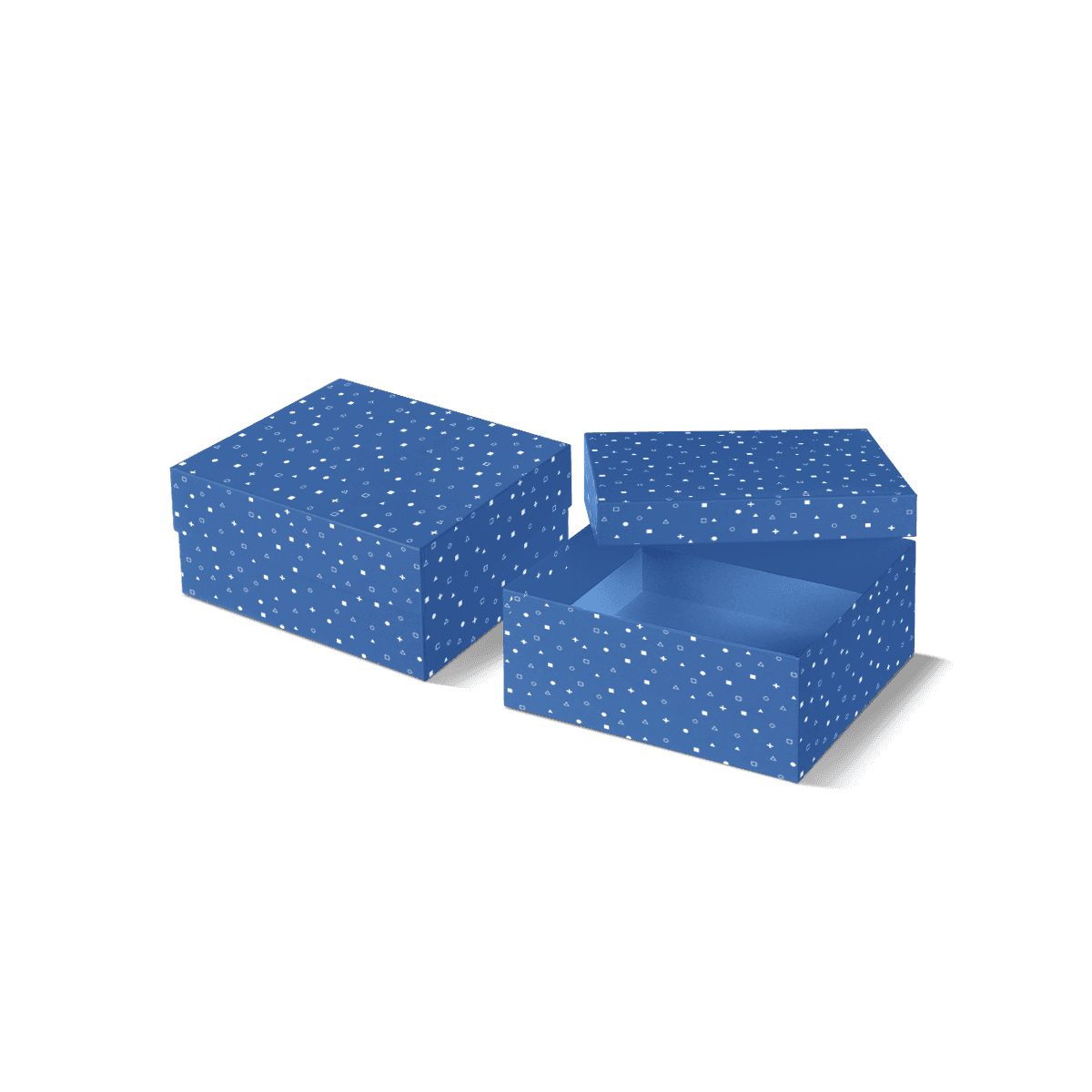
A lift-off lid or simple hinged opening can work well because the recipient is not carrying the box around a venue. For premium suites, executive visits or higher-value hospitality, magnetic closure rigid boxes can add a more substantial hand feel without needing ribbons or loose decorative layers.

Handed at Check-In

A box collected at reception, registration or a welcome desk needs to be easy to pick up, stack and hand over. Very wide rigid boxes can become awkward when staff are managing several arrivals at once.

For conference delegates, retreats or group hospitality, keep the handover simple. The recipient should be able to carry the box to a room or seat without parts sliding open. If the item is really a small takeaway token rather than an arrival set, event favour boxes are the better fit.

Sent Before Arrival

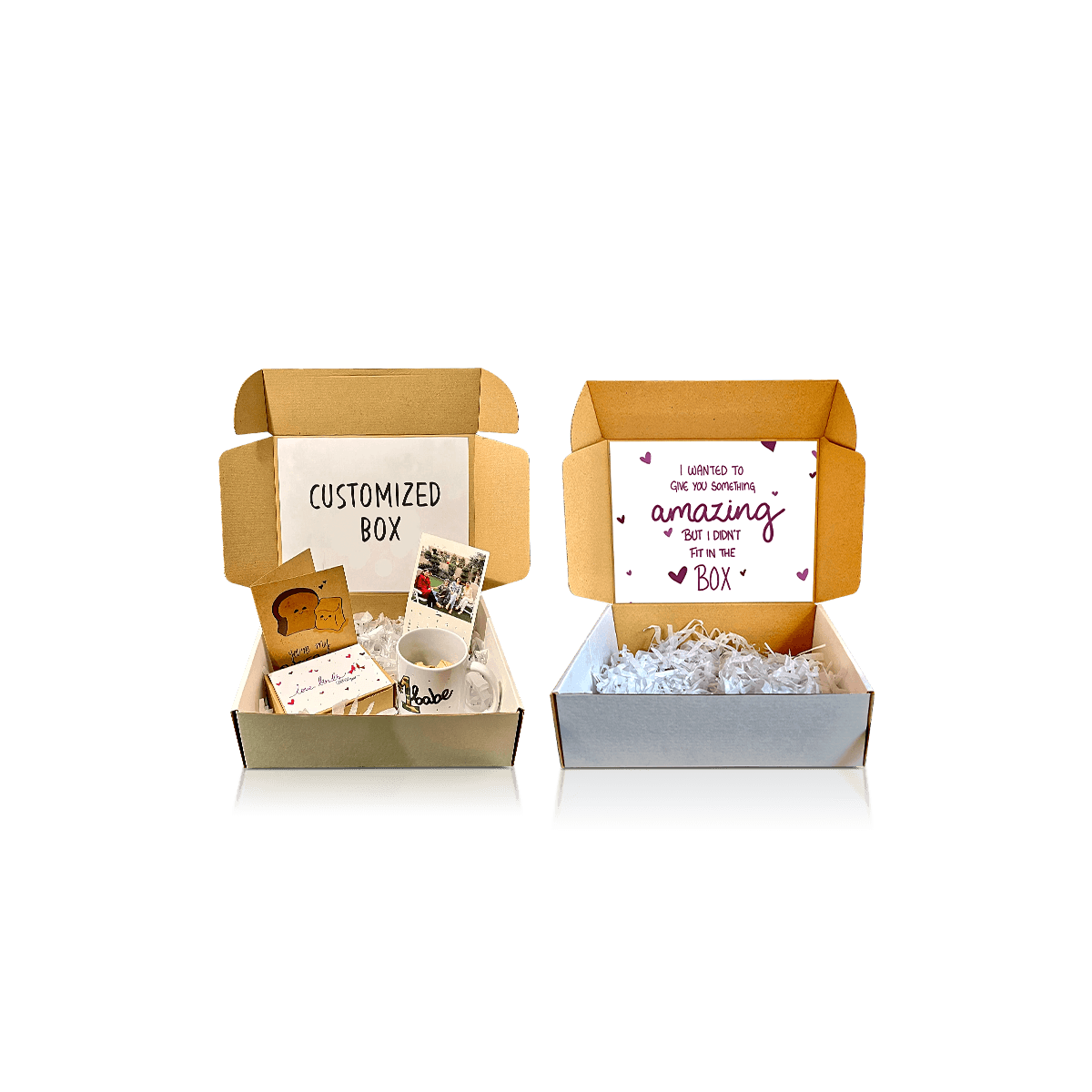
A pre-arrival welcome has to survive delivery before it can create any hospitality effect. In that case, a custom mailer box may be more sensible than a decorative rigid structure that still needs a separate shipper.

Use this route for remote onboarding, advance event information or guest sets that need to arrive at home. The principles in choosing packaging around real product use apply directly: the delivery journey comes before the finish list.

Put Immediate-Use Items First

Welcome packaging should reflect what the recipient needs first, not simply what looks most symmetrical in a photograph.

Keep Information Visible

An itinerary, room note, access instruction, event card or welcome message should not disappear beneath bottles and merchandise. If the information affects what happens next, place it where it is seen as soon as the lid opens.

A shallow card pocket, inside-lid message or top card can work better than burying printed information in a fitted cavity. The packaging should reduce friction at arrival rather than create another thing to search through.

Do Not Hide the Useful Item

The first layer should also consider immediate use. Water, a key piece of event information, a welcome note or a small room-use item may deserve a more accessible position than a keepsake that will be used later.

This is different from gift set boxes, where multi-product composition and cavity planning are the main problem. A welcome box can be visually simpler if that makes the arrival experience clearer.

Coordinate Group Arrivals

A large welcome programme has to stay organised before any guest sees it. The useful unit is the arrival batch, not simply the total number of boxes.

Batch by Arrival Window

Group room drops, registration handovers or VIP arrivals according to when and where they will be placed. If several versions look similar, use discreet outer-carton or back-of-house identification so teams do not have to open finished boxes to find the correct one.

Keep guest-specific cards or room information separate until the final placement stage where that reduces sorting errors.

Keep Back-of-House Volume Manageable

Large assembled rigid boxes can consume substantial space before a group arrival. If dozens or hundreds of welcomes need to be staged at once, consider how the boxes arrive, where they are filled and how far they need to move before reaching the guest.

The goal is not housekeeping efficiency across repeated room resets. It is keeping one arrival wave organised until every welcome reaches the correct person or location.

Make Arrival Details Swappable

Arrival information changes faster than the packaging itself. Guest names, dates, room details, itineraries, event themes and partner messages can all become outdated while the core brand identity stays the same.

Keep Guest Data Off the Core Box

Use the box for stable elements such as the main logo, brand colour system and any message that will remain relevant across the full order.

That gives the packaging a longer useful life if unused stock carries into another booking period or event.

Use Cards for Time-Sensitive Information

Put names, dates, schedules or campaign-specific wording on a card, sleeve, label or another replaceable printed piece where practical. A hotel group can then keep one core box while changing the welcome message for different properties or occasions.

Guest names, room details, dates and short itineraries are usually safer on cards, labels or sleeves that can be changed close to arrival. This also reduces the risk of holding packaging made obsolete by one expired date or message, one of the hidden problems covered in common packaging cost mistakes.

This is a stronger use of customisation than printing every temporary detail directly onto an expensive outer box.

Separate Welcome From Amenities

Welcome Gift Boxes and Hotel Amenity Boxes can sit in the same room, but they should not do the same job.

Welcome Is a One-Time Moment

A welcome box marks arrival. It may contain a note, local treat, branded item, itinerary, small refreshment or a carefully chosen mix that makes the recipient feel expected.

Its success is measured at the first interaction. Once opened, it may have completed its purpose.

Amenities Support the Stay

Hotel amenity boxes are better when the packaging is organising routine room or spa essentials such as toiletries, grooming items and other items that housekeeping may need to replenish consistently.

Do not turn every amenity set into a welcome gift, and do not fill a welcome box with routine items simply to make it look fuller. The contents should justify the arrival message.

For employee onboarding or recurring business gifting programmes where recipient groups, campaign versions and distribution planning matter more than hospitality placement, corporate gift boxes have the clearer job.

Match Structure to Stay Value

The packaging should reflect the importance of the welcome without making a short-lived arrival gesture unnecessarily heavy.

Use Rigid Selectively

Rigid packaging can make sense for VIP stays, executive visits, premium property handovers or hospitality where the box is expected to be kept. A classic two-piece rigid lid and base box gives clear access during filling and a straightforward opening for the recipient.

For high-value stays, custom luxury packaging can introduce wrapped papers, controlled finishing and more substantial presentation. The extra material should earn its place through the value of the experience.

Keep Short-Stay Welcomes Lighter

A folding carton, sleeve-led box or printed mailer may make more sense when the welcome is produced at higher volume, used for a short event or discarded soon after opening.

The visual standard can still be high. Precise colour, good proportions and one controlled printed detail often do more than adding several finishes. The same principle appears in packaging design that works in practice: structure, material and hierarchy should carry the design before embellishment is added.

Protect the Arrival Experience

A welcome box can look perfect when packed and still arrive badly if its journey to the venue is ignored.

Boxes moving to hotels or event sites in bulk should be packed so corners, lids and printed surfaces do not rub unnecessarily during transport. If individual units are couriered, treat transit protection as a separate requirement rather than assuming the presentation box can absorb delivery damage.

Fragile bottles, ceramics or glass items may also need controlled internal movement. The aim is not to reproduce the complex cavity engineering of a full gift set. It is simply to make sure the welcome still looks intentional when the recipient opens it.

For bulk room drops or event arrivals, run a small filled batch through the real handling sequence: transport carton, back-of-house storage, trolley or reception movement, placement and opening. That exposes rubbing, unstable stacks or awkward dimensions before the full arrival programme reaches the venue.

Brief the Arrival Sequence

A useful welcome-box brief starts with where the box will be found and what should happen in the first minute after it is opened.

Share whether it will wait in a room, be handed over at reception, sit at event registration or be sent to the recipient beforehand. Then identify the item that should be seen first, any time-sensitive card or message, the total packed weight, how many units staff need to prepare in one batch and any limit on storage or placement space.

For dated stays and events, work backwards from the day the boxes need to be filled and positioned, not only from the guest arrival date. Custom Packly's typical 4–6 working day turnaround applies after final approval for suitable specifications, so the practical schedule should still leave time for packing and venue distribution.

Use the custom packaging quote to submit the arrival route and content list together. If room drops, reception handovers and pre-arrival sends need different structures, list their quantities separately so each route can be assessed without forcing one box across all three.

FAQs

That depends on the occasion and the item mix. Rigid lid-and-base or magnetic closure boxes suit premium welcomes where the opening experience matters. Folding cartons work well for lighter sets and quicker assembly. If the contents need staged presentation, a drawer-style box can make the reveal feel more deliberate while keeping items in place.

Yes, inserts are worth considering whenever the contents vary in size, weight or shape. They stop smaller items sliding, keep printed cards visible and help fragile pieces stay separated. Inserts also make the arrangement look intentional rather than loosely filled. For flat items or single-product welcomes, you may not need them, but mixed sets usually benefit from internal support.

You can keep the print understated or make the box more expressive, depending on the setting. Some brands use only a logo and colour-led finish, while others add inside-lid messaging, welcome notes or campaign artwork. The key is to match the presentation to the occasion. Premium hospitality usually suits restrained branding, while event-led gifts can carry more themed print.

A box is usually the better choice when the contents need structure, separation or a more premium handover. It protects the arrangement better and creates a clearer opening sequence. A gift bag can still work for quick, lightweight giveaways or informal arrivals, especially when speed matters more than display. The main choice comes down to presentation control and content stability.

Start with the complete item list and the order in which the contents should be seen when opened. Then confirm total weight, any fragile items, insert requirements, storage conditions and how the gifts will be distributed. It also helps to decide whether the box needs to travel by courier, sit in a hotel room or be handed over at a desk, because that changes the best board and closure choice.

Process

How it works

Your Packaging Journey, From Idea to Production and Delivery

01

Tell Us Your Specs

Custom packaging boxes

Tell Us Your Specs

Provide size, quantity, printing, and finishes.

02

Get a Fast Quote

Custom packaging boxes

Get a Fast Quote

Instant transparent pricing, no hidden fees.

03

Design and Approval

Custom packaging boxes

Design and Approval

Artwork checks, revisions, and final sign-off.

04

Produce

Custom packaging boxes

Produce

Expert manufacturing to meet deadlines.

05

Ship to Your Door

Custom packaging boxes

Ship to Your Door

Hassle-free, flexible delivery options.

Get Your Quote for Custom Welcome Gift Boxes

Share your product details, dimensions, quantity and artwork needs. We’ll help choose the right packaging style and send a clear quote.