Skip to content
Details

Custom Bangle Boxes

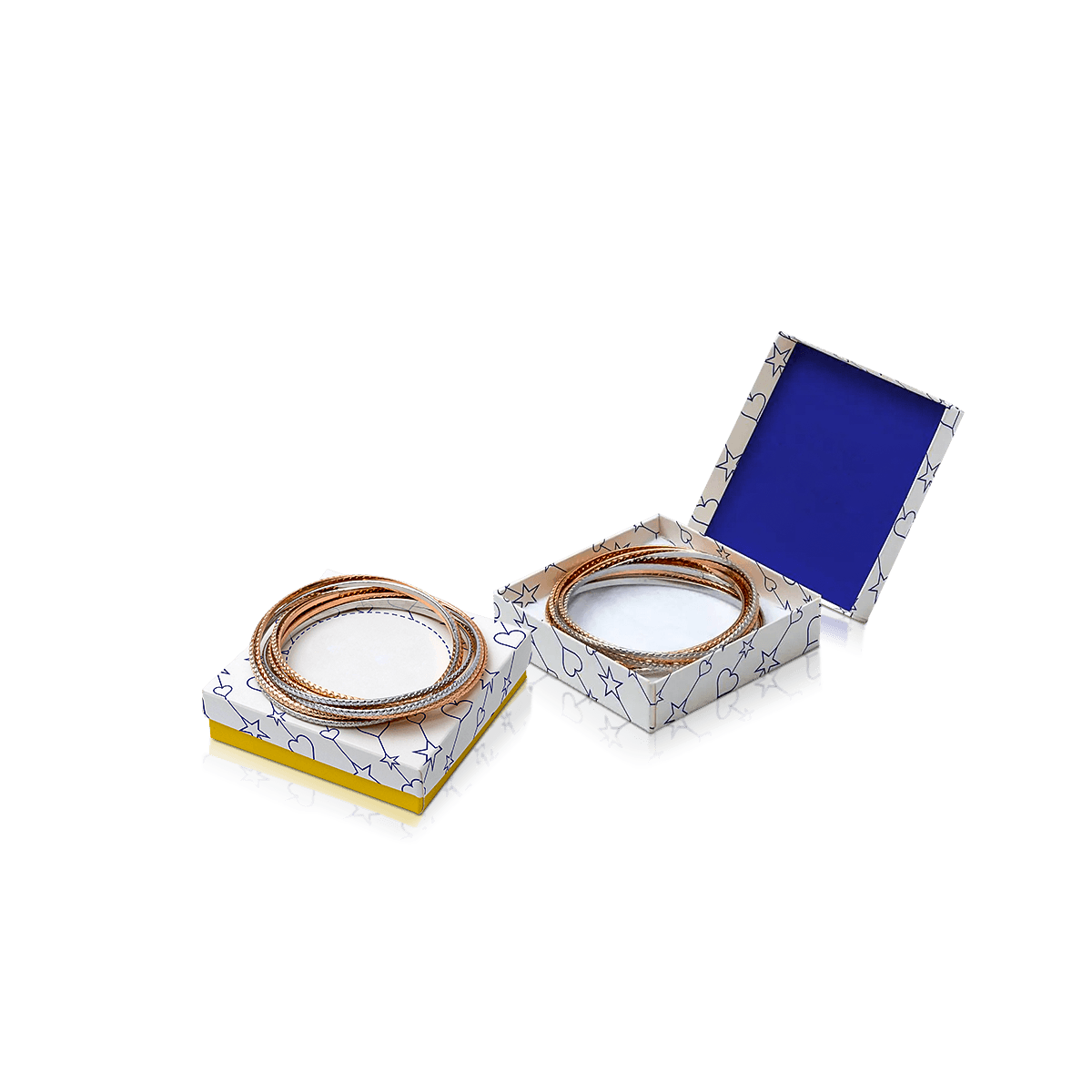
Bangle boxes need a wider cavity and steadier presentation than flexible jewellery pieces. The right structure protects rigid circular forms, keeps sets organised and supports gifting, counter display and carefully packed ecommerce orders.

Diameter Sets the Footprint

A bangle does not collapse to fit the box. Its fixed circular or near-circular shape decides the footprint before branding, finishes or opening style enter the discussion.

Custom Bangle Boxes should therefore start with the largest outside diameter of the jewellery in its normal resting shape. Measuring only the wrist opening can understate the space needed around thick metal, stones, enamel, hinges or raised decorative work. The box has to clear the full object, not just the space inside it.

This is the main difference from flexible bracelet packaging. A chain bracelet can follow a guided path. A bangle brings its own geometry into the case and needs the interior to respect that shape rather than pull it into another one.
Measure Three Dimensions

A useful bangle specification needs more than one diameter. The outside diameter controls the minimum footprint, the inside diameter affects how a central support can work and the section thickness determines how much depth or cavity width the piece needs.

Outer Diameter Controls Clearance

Measure across the widest outside points, including decorative features that extend beyond the main ring. For an oval bangle, record both major and minor axes rather than treating it as a perfect circle.

Add clearance for the insert and removal action, not an arbitrary empty border. Too little space can make the piece difficult to lift. Too much can let it roll or make the jewellery look undersized.

Inner Diameter Affects Support

The open centre creates an opportunity for support that does not touch the decorative outer face. A raised centre, shallow ring-shaped platform or other fitted feature can locate the bangle while keeping visible surfaces clear.

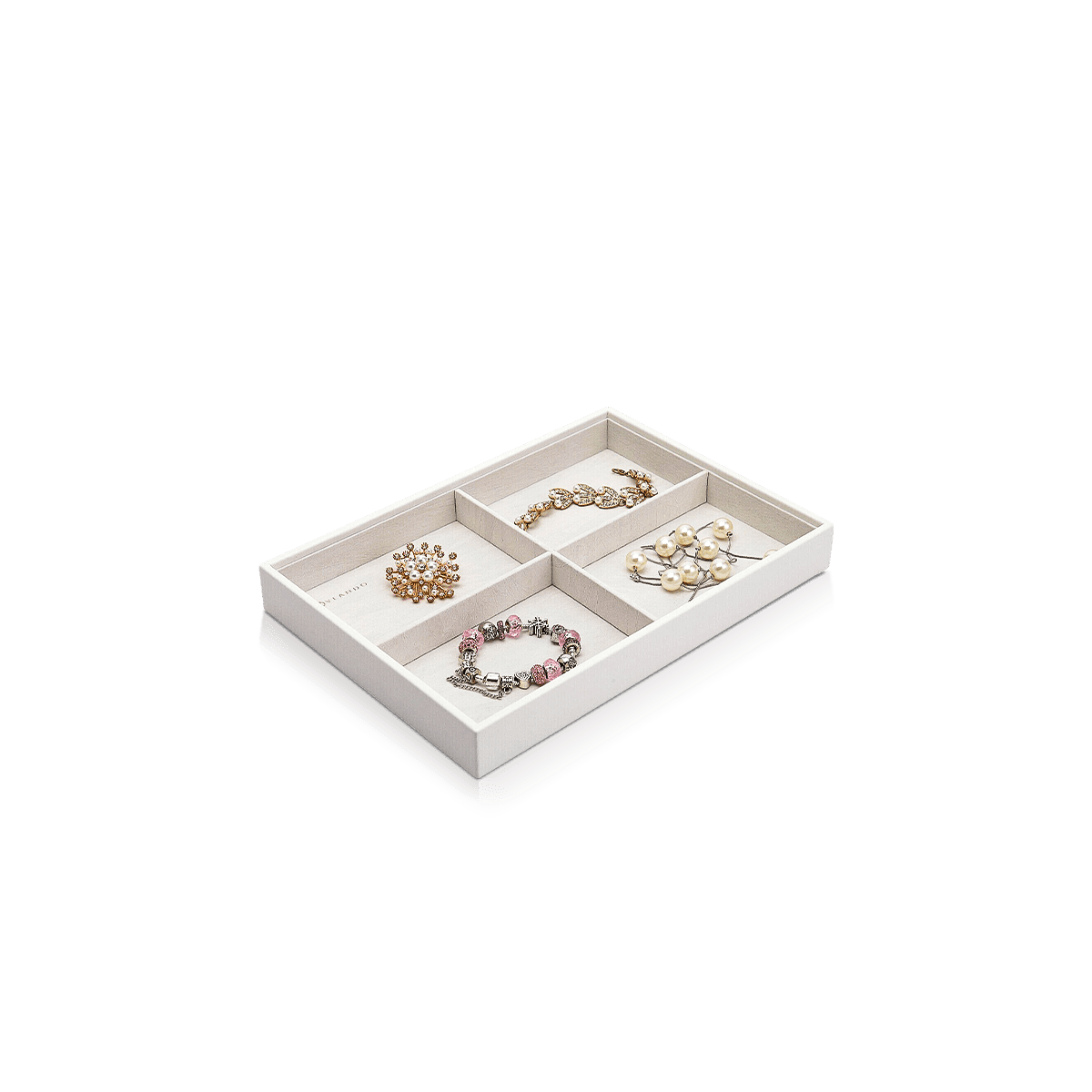
Jewellery Box Inserts can be planned around those contact points when a standard flat pad would leave too much movement.

Profile Thickness Sets Depth

A thin polished bangle and a heavily stone-set piece may share the same outside diameter but need very different vertical clearance. Measure the thickest section in the exact orientation the jewellery will use inside the case.

Decide What Must Stay Upright

A circular piece can rotate even when the fit around its diameter looks accurate. That matters when the bangle has a front motif, asymmetric stones, a hinge, an engraved face or another feature that should meet the customer in a defined position.

A plain uniform bangle may not care which way it turns. A branded or decorative piece often does.

Use Shape to Stop Rotation

The insert can locate one part of the profile, use a subtle recess or create a shaped support that prevents free rolling without clamping the full circumference.

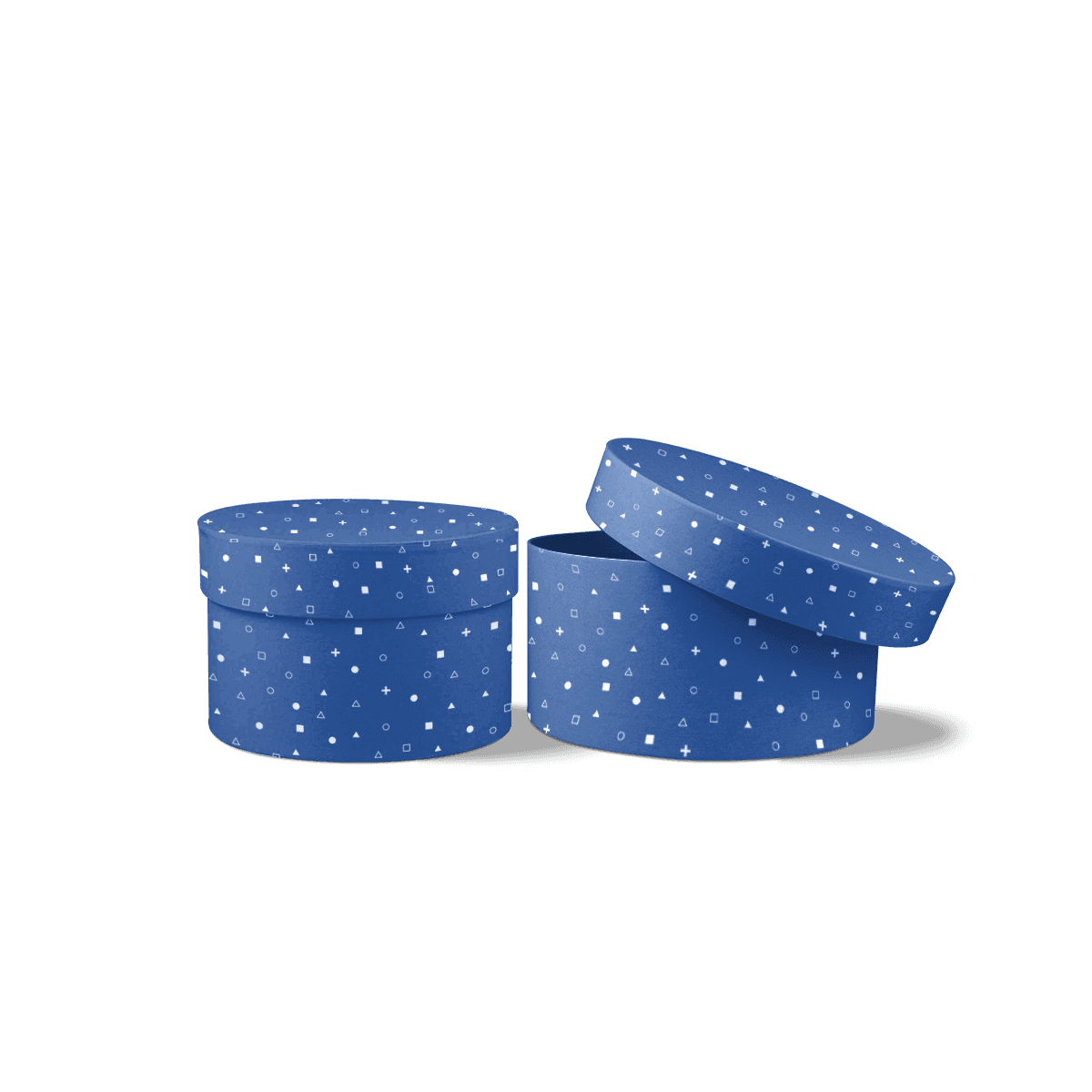
Round Rigid Boxes use the same diameter-led principle at the outer-box level: circular products need centring and orientation rather than assuming matching round shapes will automatically stay aligned.

Protect the Decorative Face

Do not use the most prominent feature as the point that absorbs pressure. Stones, enamel, engraving and polished focal areas should normally remain clear of hard edges and concentrated force.

A support should carry the piece through stable metal areas wherever possible.

Treat Cuffs Differently

An open cuff may look like a bangle from above, but the gap changes both measurement and handling. The widest outside dimension can sit away from the opening and the two ends may have delicate caps, stones or shaped details.

Do not squeeze the cuff closed simply to fit a smaller cavity. That can place unnecessary stress on the jewellery and create an unnatural display.

Record the Opening Gap

Measure the cuff in its normal resting state, including the open gap. If the ends sit at different heights or flare outward, record that too.

The interior should support the piece without forcing those ends together.

Control the Gap Direction

For asymmetric cuffs, the direction of the opening can become part of the presentation. A shaped recess or discreet stop can keep the gap facing the intended side when the lid opens.

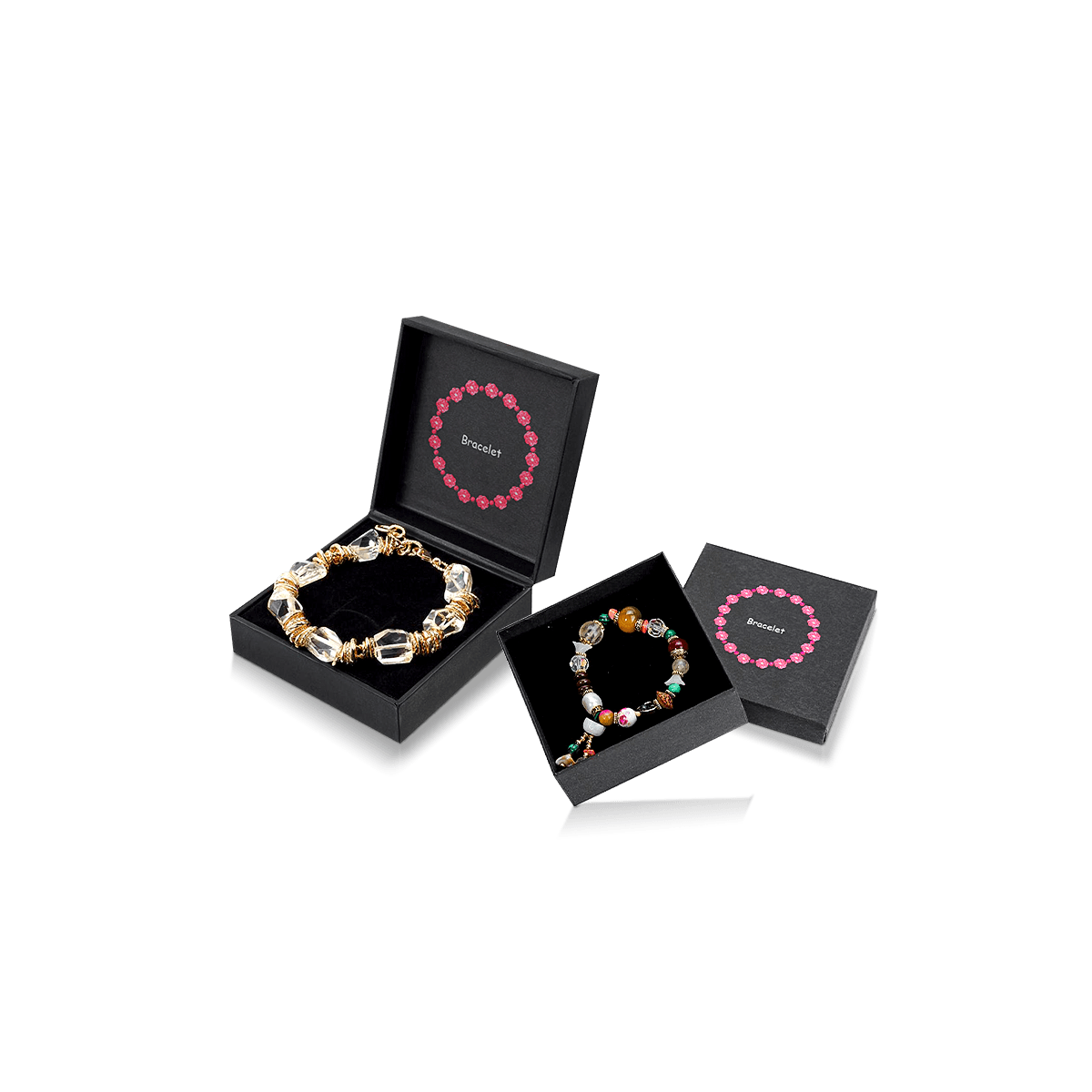
If the jewellery flexes freely, has a clasp or collapses into another shape when lifted, Bracelet Boxes solve a different problem based on guided flexible placement.

Support the Circle Broadly

Rigid jewellery does not need to be pinched tightly to stay secure. Broad, well-placed support usually gives a cleaner result than several small pressure points.

A shallow circular platform can locate the piece while keeping most of the visible surface untouched. A recessed bed can work when more lateral control is needed. For stacked sets, a separator can stop polished surfaces meeting each other.

The fragile product packaging decision is relevant when deciding whether the risk comes from movement inside the case, weakness in the outer structure or both.

Custom Packly can coordinate the case and fitted interior as one specification, which matters because insert height changes the usable lid clearance. Free 3D mockups can then check proportions and presentation before production.

Stack or Display Side by Side

Multi-bangle sets create a different decision from single pieces. The box can stack them vertically, arrange them beside each other or use separate recesses, and each approach changes footprint, depth and removal.

Stacking Saves Footprint

A vertical stack can keep the box compact, but total height rises quickly. Smooth metal surfaces may also touch unless separators are added between pieces.

Stacking works best when the bangles are similar in diameter and the customer is expected to remove them as a set.

Side-by-Side Shows Each Piece

Separate recesses use more surface area but make colourways, finishes or coordinated designs visible immediately.

This can be stronger for retail sets where the differences between individual bangles are part of the sale. It also avoids asking the customer to lift several pieces before reaching the one underneath.

The box should not use extra compartments simply because space is available. Each recess should correspond to a defined piece or presentation purpose.

Choose the Outer Shape Deliberately

A bangle does not require a round outer box. Square and rectangular cases can frame circular jewellery effectively and often use shelf, storage and master-carton space more predictably.

A circular case can reinforce the product shape and create a strong top-down reveal. It also leaves unused space between units when several round boxes are placed inside a rectangular shipping carton.

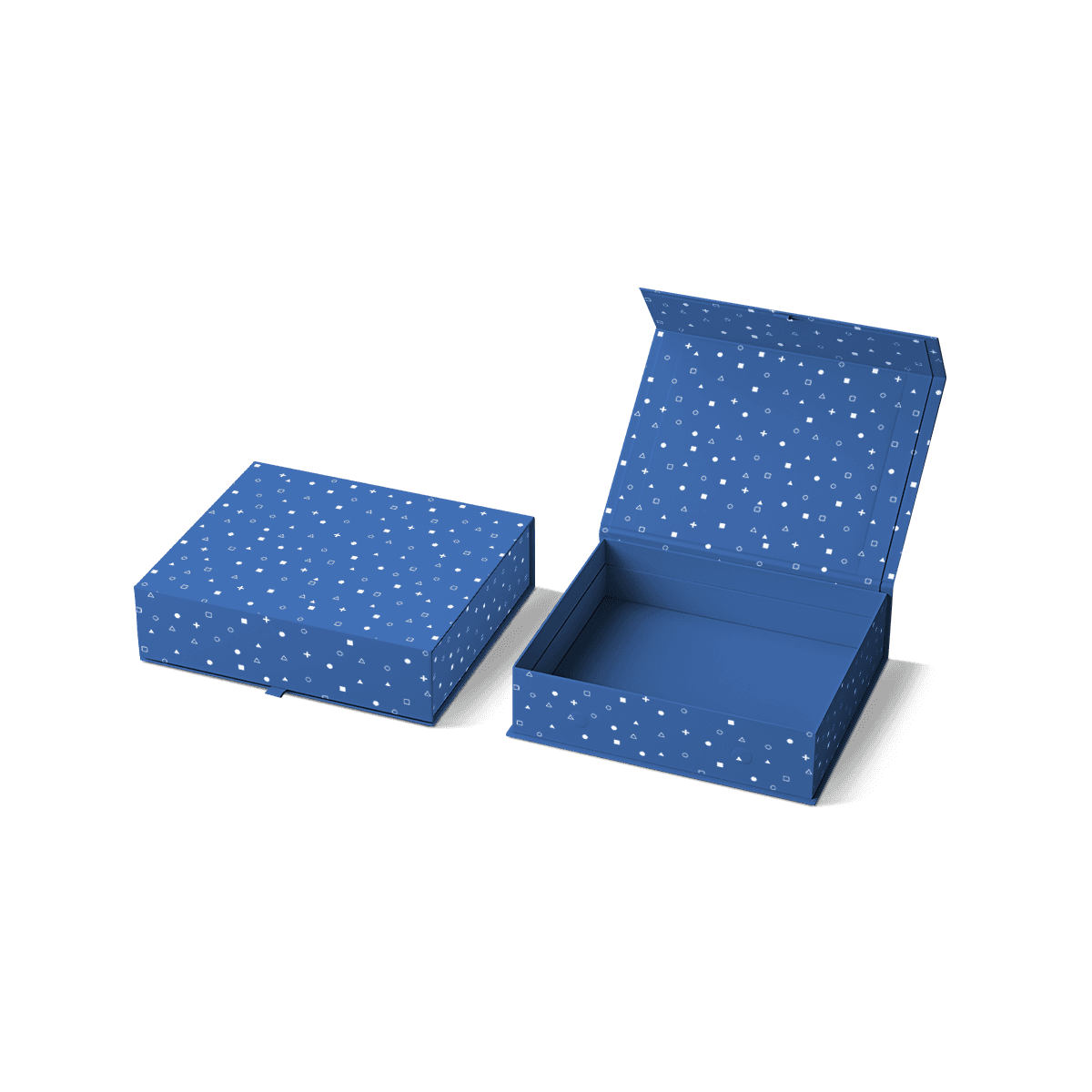
Rigid Boxes work well when the jewellery needs a substantial gift presentation and a fitted interior. A Rigid Lid and Base Box gives direct top access, which suits pieces that should lift out without sliding through a narrow opening.

The decision should come from the bangle diameter, set count, storage needs and desired reveal rather than assuming circular jewellery must sit in circular packaging.

Leave Room Above Raised Work

A bangle may occupy a broad footprint while still appearing shallow until one raised motif, hinge or cluster of stones is measured.

Set the closed depth from the highest point in the approved orientation. Check that the lid lining, inner panel or printed insert does not press that feature when the case is handled.

Extra depth is not automatically safer. A very deep case can make a low-profile bangle look buried and may require more insert material simply to bring the jewellery back towards the opening.

The useful relationship is between support height, highest jewellery point and lid clearance. Those three dimensions should be considered together.

Let Shape Carry the Design

A circular piece already creates a strong visual centre. Packaging graphics can support that geometry rather than competing with it through excessive decoration.

Premium offset printing can keep fine patterns, solid colour and brand marks consistent across production. Foil, embossing or debossing can add one controlled focal detail where it helps the jewellery position.

Packaging customisation can coordinate outer wrap, inside colour, print and finishes with the fitted presentation. For brands deciding how much finishing is commercially justified, custom packaging cost in the UK explains how size, material, print and finishing change the quote.

A free 3D mockup is useful for checking how a centred circular product relates to a logo or lid motif. Artwork that looks balanced on a flat rectangle can feel off-centre once the jewellery becomes the visual focus.

Plan the Counter Routine

Bangle packaging should work after the tenth opening as well as the first. Retail staff may remove a piece for viewing, return it to the case and repeat that process throughout the day.

The internal support should make the correct orientation obvious. A single decorative face should naturally return to the front. A cuff opening should not require staff to remember an arbitrary angle. Multi-piece sets should have an unmistakable position for each item.

This is where years of packaging experience matter more than adding another finish. A layout that takes too long to reset can create inconsistent presentation even when the first approved sample looked excellent.

MOQ starts from 100 boxes, so separate case specifications can be used where genuinely different bangle diameters or set counts cannot share one footprint without compromise.

Separate Display From Delivery

A rigid bangle case may be excellent for gifting and still need another layer before courier handling. Polished wraps, corners and decorative finishes should not be expected to absorb the full delivery journey.

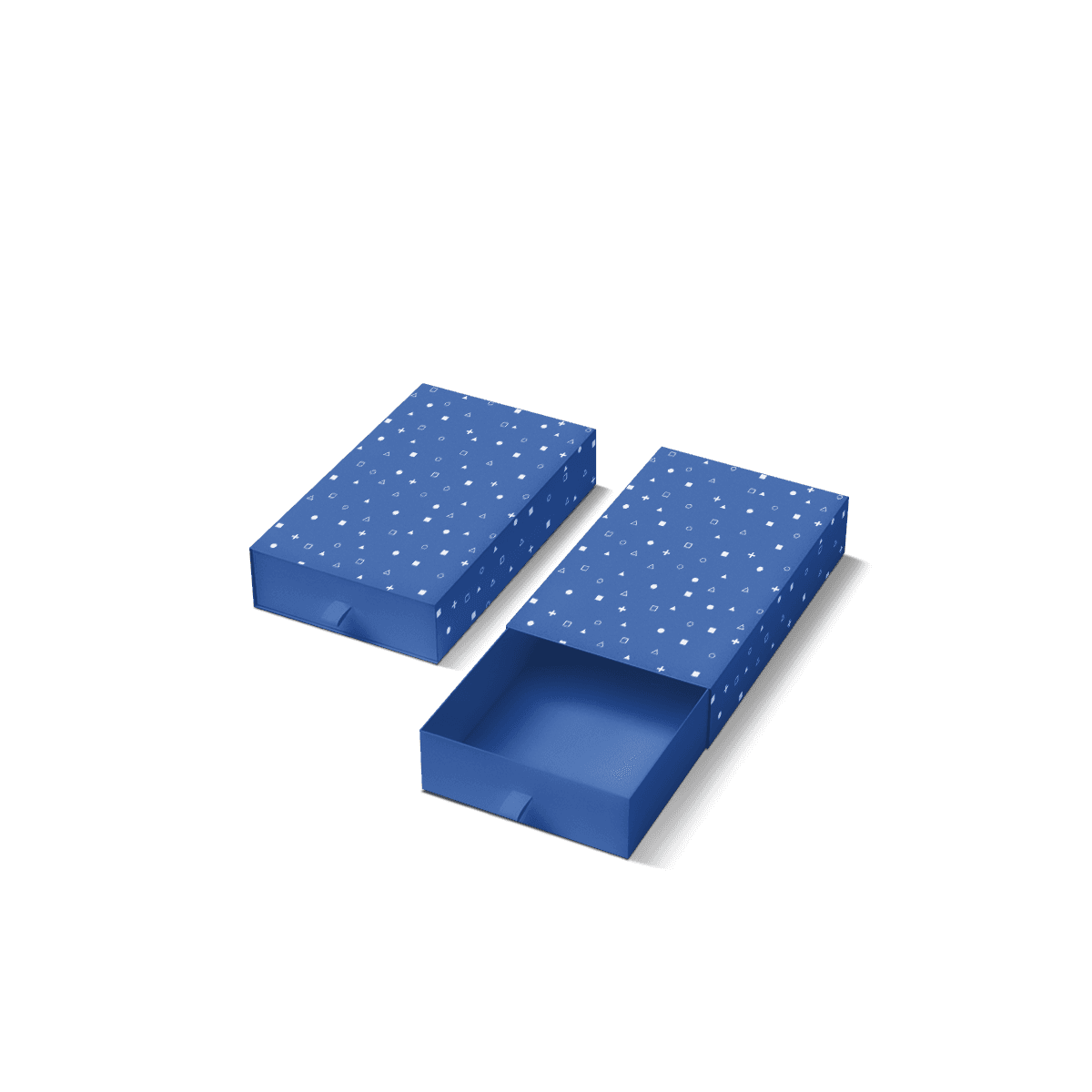
For online orders, Jewellery Mailer Boxes can protect the completed presentation case while the internal support controls the bangle itself.

After packing, move the parcel through several orientations and reopen it. Check whether the piece rotated, lifted off its support or contacted another bangle. If the jewellery stayed stable but the case was scuffed, improve the delivery layer. If the case survived but the product moved, correct the interior.

How to choose the right packaging helps separate retail presentation, premium gifting and ecommerce protection when one structure is being asked to perform too many jobs.

Standardise by Diameter Bands

A jewellery line does not necessarily need a different box for every bangle, but standardisation should follow real geometric groups.

Pieces with similar outside diameter and profile thickness can often share an outer case while the internal support changes slightly. A thick statement bangle should not force every fine bangle into an unnecessarily deep case.

Group SKUs by the measurements that affect packaging: outside diameter, profile thickness, raised-detail height and number of pieces per case. That creates a clearer repeat-production system than grouping them only by collection name or retail price.

Guaranteed 4–6 working day production and delivery supports replenishment once those size groups are established. The specification can stay stable while artwork or collection details change where required.

Use a Top-Down Template

For pricing, place the largest bangle from each intended size group flat beside a ruler or on a measured grid. Photograph it directly from above without angling the camera.

Record the maximum outside diameter, inside diameter, thickest profile and highest raised feature. For an open cuff, include the natural gap and note whether the ends sit at different heights. For a multi-piece case, state whether the bangles should stack or appear separately.

That top-down template gives the packaging team the geometry that actually determines the case instead of starting with a guessed box dimension.

Use the instant packaging quote with those measurements, the quantity and the intended presentation. The case can then be priced around the largest real profile in each group while avoiding unnecessary space around smaller pieces.

FAQs

A bangle should sit in a centred position with enough support to stop it shifting from side to side. The interior should hold the circular form comfortably without squeezing it or leaving too much empty space around it. For most ranges, a shaped recess or padded base gives a cleaner presentation than a flat unstructured cavity.

Not always. Collections often include narrow bangles, chunkier profiles and embellished pieces that need different internal depth or width. Using one case size for everything can make smaller items look lost and larger items feel cramped. It is usually better to keep a consistent exterior look while adjusting the inner fit across the range.

Rigid board constructions with wrapped paper or fabric-effect coverings are often the strongest choice because they give the case weight and help it keep shape over time. Soft interior linings are useful where polished metal or plated finishes need extra care. The material choice should follow the jewellery value, finish sensitivity and intended sales channel.

A bangle box is the stronger option when the jewellery holds a fixed circular form and needs a broader resting area. Bracelet boxes are better for flexible pieces with clasps, links or charms that need guided placement. The two formats may look similar from outside, yet the interior logic is different and that difference shows immediately when the case is opened.

Start with internal diameter, profile thickness, quantity per case and whether the product includes stones, engraving or decorative edges that need extra clearance. Then confirm the insert material, lid depth and whether the finished case must go into a postal pack. Those details shape both the fit and how polished the jewellery looks at handover.

Process

How it works

Your Packaging Journey, From Idea to Production and Delivery

01

Tell Us Your Specs

Custom packaging boxes

Tell Us Your Specs

Provide size, quantity, printing, and finishes.

02

Get a Fast Quote

Custom packaging boxes

Get a Fast Quote

Instant transparent pricing, no hidden fees.

03

Design and Approval

Custom packaging boxes

Design and Approval

Artwork checks, revisions, and final sign-off.

04

Produce

Custom packaging boxes

Produce

Expert manufacturing to meet deadlines.

05

Ship to Your Door

Custom packaging boxes

Ship to Your Door

Hassle-free, flexible delivery options.

Get Your Quote for Custom Bangle Boxes

Share your product details, dimensions, quantity and artwork needs. We’ll help choose the right packaging style and send a clear quote.