Skip to content
Details

Veterinary Product Boxes

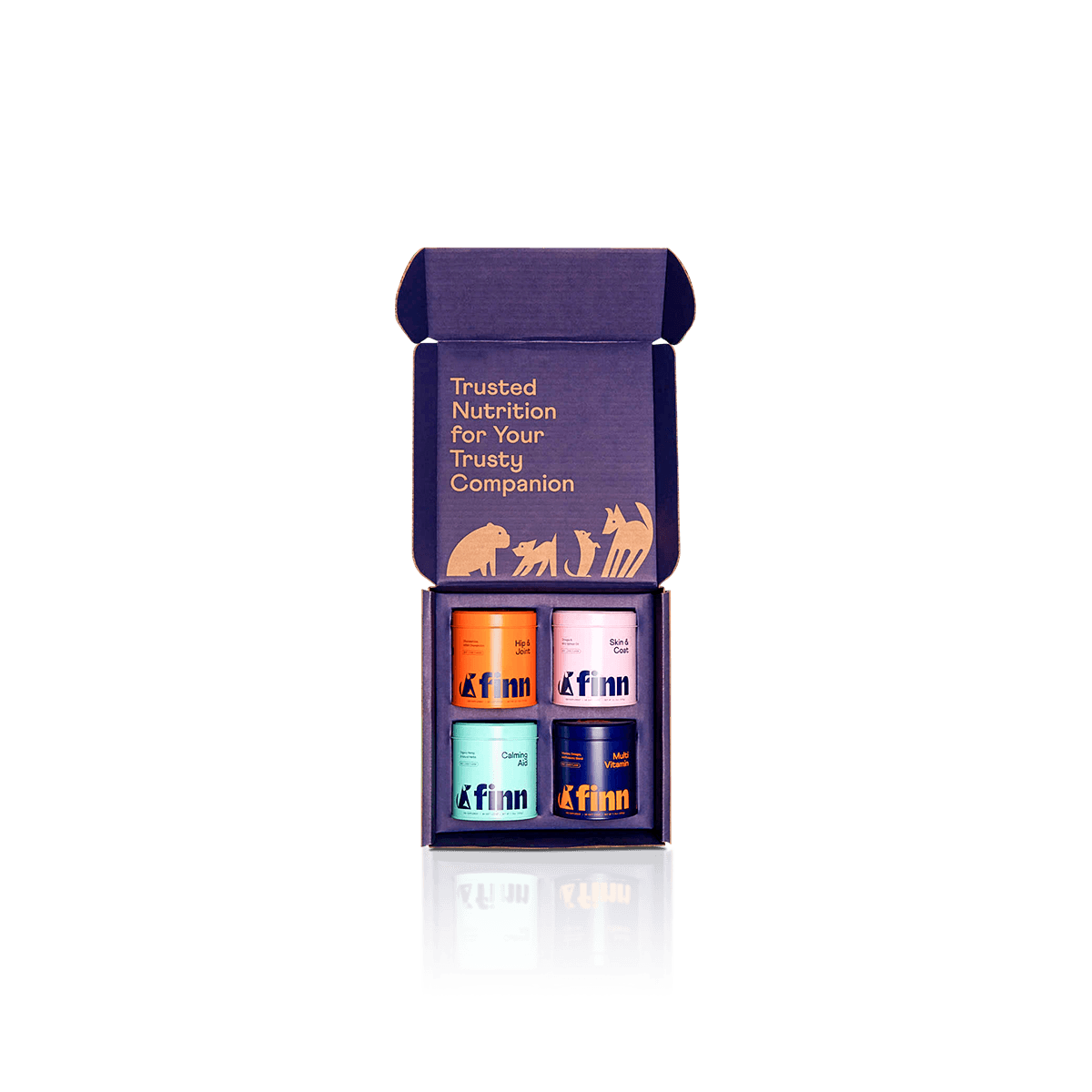
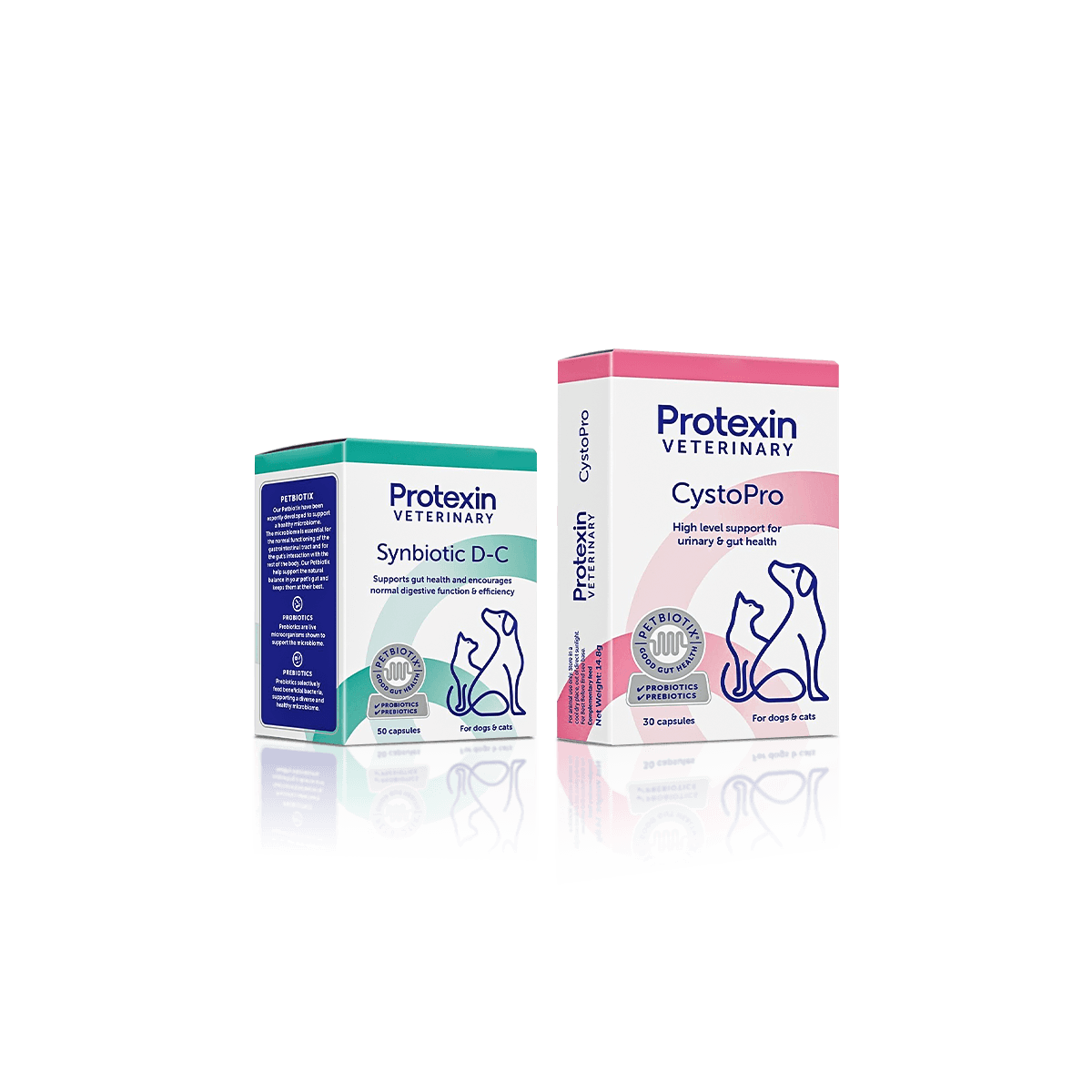
Veterinary Product Boxes help animal-health items stay organised, clearly labelled and easier to handle across clinics, dispensaries, retail counters and direct delivery. Custom Packly UK creates printed cartons for bottles, syringes, droppers, topical care products and treatment kits.

Free Design Support

Clear Pricing

Flexible Quantities

Unlimited Customization

Premium Materials

Offset Precision

Free Shipping

Quick Turnaround

About

Veterinary Product Boxes sit in a more structured category than general pet retail cartons because the outer pack often has to support trust, clarity and controlled handling at the same time. A treatment oil, ear-care bottle, recovery gel, wound-care item or clinic-issued care kit may all need different carton depths, panel layouts and levels of internal support. Some packs need fast identification on a dispensary shelf. Others need cleaner presentation for retail sale or a more organised outer carton for direct-to-owner delivery. The best result comes from matching the structure to the product format rather than treating all animal-health items as standard pet-care boxes.

These cartons usually work around a primary container such as a bottle, jar, syringe, sachet or dropper rather than replacing it. That gives the outer board a more specific job: hold the unit securely, provide space for product detail and keep the pack easy to sort, stack and dispatch. Folding box board often suits lighter retail or clinic-facing units, while stronger board grades and insert-led interiors can be more appropriate for glass droppers, mixed treatment packs or products that move through ecommerce fulfilment. Before ordering, confirm the exact primary container, any need for upright storage, how much label or instruction space is required and whether the carton is for shelf display, clinic dispensing or posted delivery. If the product is mainly a refill pouch or barrier-led formula, a pouch-first route may still be the stronger primary structure.

Why the Right Packaging Route Matters

  • Helps animal-health lines look clearer and more credible across clinics, counters and online orders.

  • Gives extra room for directions, product detail and organised supporting pack information.

  • Keeps treatment units more stable during storage, picking and courier movement.

  • Supports stronger distinction between close product types, strengths or care categories.

  • Makes multi-item treatment kits easier to arrange, protect and present.

Materials, Print and Protection

Carton Structures

Tuck-end cartons suit single units while deeper boxes suit grouped treatment kits.

Container Retention

Tighter sizing and inserts reduce movement around bottles, droppers or syringes.

Instruction Space

Front, side and rear panels organise usage detail without crowding the pack.

Dispensary Handling

Stable cartons are easier to store, pick and hand over in clinic settings.

Tailored Specification

Custom dimensions, closures and finish levels match the product and channel.

Packaging Insight

Veterinary-facing animal-care products often sit between two packaging expectations. They need the visual order of a retail carton, but they also have to work in more practical environments where products are stored quickly, selected accurately and sometimes combined with supporting care items. That makes outer-carton discipline especially important. A weak pack in this category is not only a branding issue. It can also slow identification, waste shelf space or leave awkward primary containers shifting during handover and delivery. The stronger approach is to build Veterinary Product Boxes around container stability, cleaner panel hierarchy and real handling conditions rather than relying on generic wellness-style cartons. That becomes even more useful when the same line is sold through a veterinary setting, a pet specialist retailer and a direct reorder channel, where the pack has to remain recognisable but work under different handling pressures.

Best Packaging Routes

  • Folding cartons for single treatment bottles, jars and topical animal-care products.

  • Inserted boxes for droppers, glass units and mixed veterinary care kits.

  • Dispensary-friendly cartons for products needing quick shelf identification and tidy handling.

  • Ecommerce-ready outers for repeat-order animal-health items and bundled care routines.

  • Presentation packs for starter treatments, recovery kits and clinic-led product sets.

FAQs

In clinic use, the carton usually needs to support faster identification and tidier handover rather than pure shelf theatre. That means clear panel hierarchy, sensible side text placement and dimensions that store neatly in dispensary spaces. A retail-first box can still work, but veterinary-facing cartons often perform better when readability, stable stacking and straightforward picking are treated as part of the brief from the start.

Yes, but the internal fit matters more than the outside artwork. Narrow bottles, glass droppers and syringe-based items can shift or lean if the carton is too open inside. A better-matched depth, neck support or card insert usually solves that. The outer box should be specified around the real primary container, including cap height and pack orientation, rather than just its nominal volume.

That depends on how much information the product needs to communicate at first glance and on use. Key identifiers and the most important practical points usually belong on the carton so the pack can be recognised quickly. Denser supporting information may sit better on a leaflet if panel space becomes too cramped. The strongest result comes from planning both together rather than overloading one element.

Pet Supplement Boxes often lean more heavily on routine use, variant families and wellness-led shelf presentation. Veterinary Product Boxes usually need a more practical balance of stability, handling clarity and treatment-led information, especially when products are dispensed in clinic settings or sold as targeted care items. The structures can overlap, but veterinary packaging often has tighter demands around identification, pack control and container-specific fit.

The most common problem is underestimating how the primary pack behaves inside the box. Bottles end up too loose, caps push the carton height higher than expected or the pack has too little room for essential instructions. Another frequent issue is designing for shelf appearance only and forgetting clinic storage or posted delivery. Locking container size, panel priorities and handling route early prevents most of those problems.

Process

How it works

Simple steps from idea to delivery

01

Tell Us Your Specs

Custom packaging boxes

Tell Us Your Specs

Provide size, quantity, printing, and finishes.

02

Get a Fast Quote

Custom packaging boxes

Get a Fast Quote

Instant transparent pricing, no hidden fees.

03

Design and Approval

Custom packaging boxes

Design and Approval

Artwork checks, revisions, and final sign-off.

04

Produce

Custom packaging boxes

Produce

Expert manufacturing to meet deadlines.

05

Ship to Your Door

Custom packaging boxes

Ship to Your Door

Hassle-free, flexible delivery options.

Ready for a quote?

Send your dimensions and we’ll respond quickly