Skip to content
Details

Custom Rigid Lid and Base Boxes

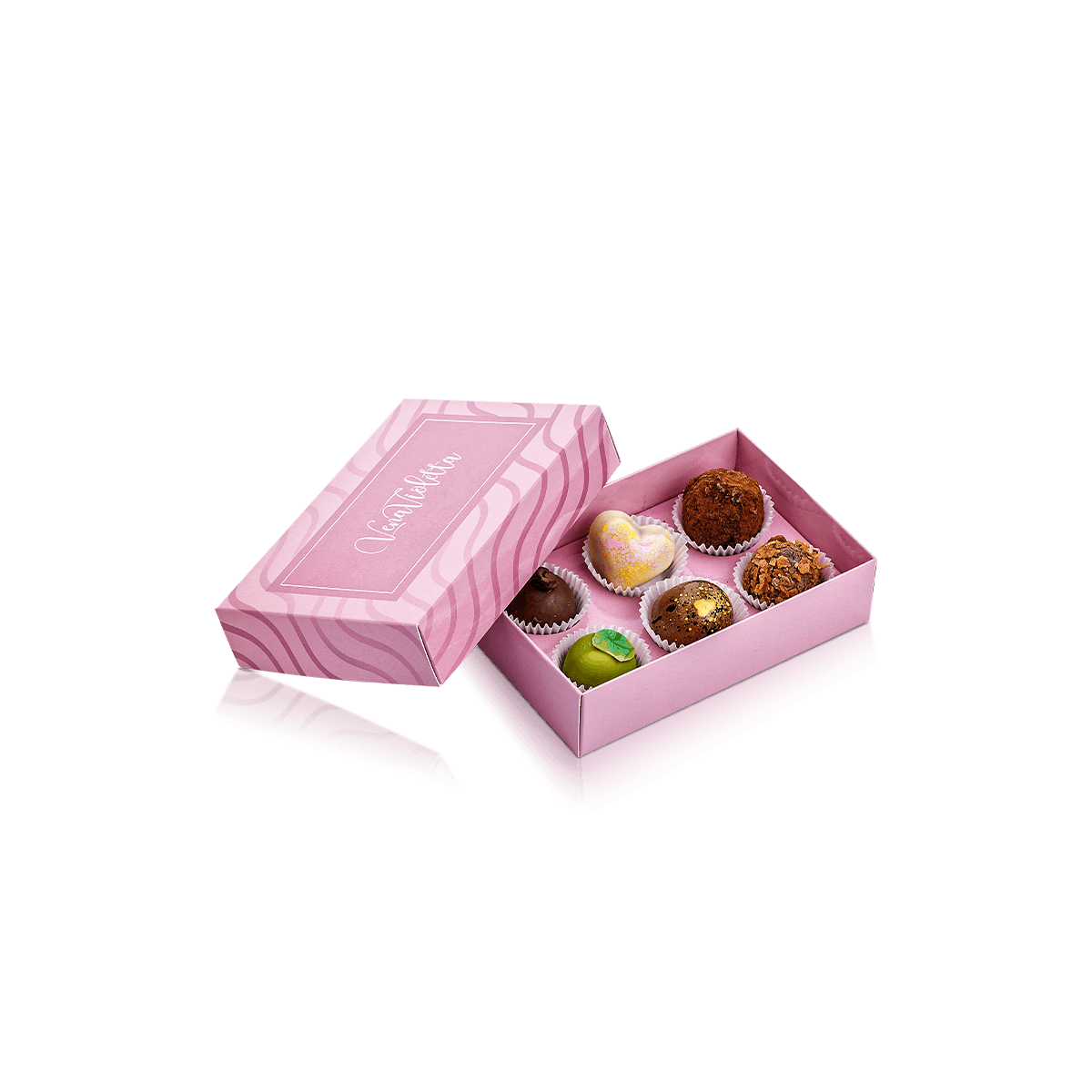
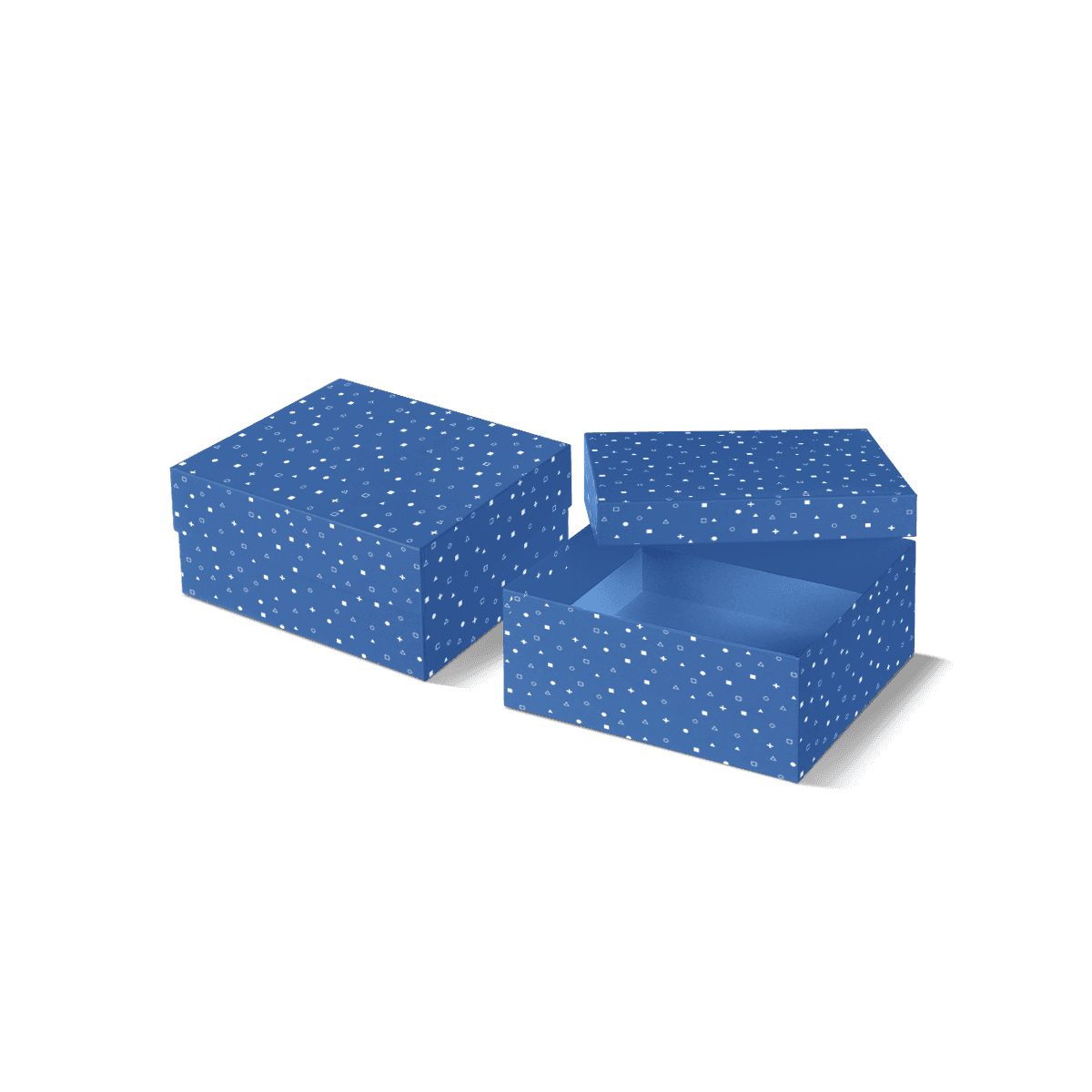
Rigid lid and base boxes give products a classic two-piece reveal, making them a strong choice when you need premium presentation, dependable structure and a box that feels substantial without adding mechanical closures.

A Loose Lid Feels Wrong

A two-piece rigid box has nowhere to hide poor fit. If the lid rattles sideways, drops off too easily or grips so tightly that the base lifts with it, the problem is obvious before the product is even seen.

Custom Rigid Lid and Base Boxes work best when the removable lid stays seated during normal handling but lifts away smoothly with deliberate resistance. That feel comes from the relationship between the finished lid and base, including rigid board thickness, wrapped paper, corner accuracy and the amount of overlap. It is more important than adding another decorative finish.

Test Lift-Off Resistance

There is no useful universal clearance number for every rigid box. A tolerance that works with one board and wrap can become too tight once thicker paper, lamination or a different corner treatment is introduced.

The practical test is simple. Lift the lid slowly from opposite sides, close it again and repeat the movement several times. It should travel evenly without scraping, twisting or falling straight down. A controlled release can make a simple two-piece box feel more considered than a complicated closure with poor alignment.

Free sample examples can help establish material and finish direction. Where the exact fit is unusually sensitive, the finished lid-and-base relationship should be checked physically before a large repeat run.

Measure the Finished Base

The lid fits over the outside of the base, not the bare product dimensions. That means the base wall, wrap and finishing layers all affect the external size the lid must clear.

Start with the product and any inserts and dividers, establish the finished internal cavity, then resolve the outside dimensions and lid around that. Reversing the order can leave a beautifully printed box that either squeezes the contents or opens badly.

Choose the Lid Depth

Lid depth changes how a two-piece box looks, how quickly it opens and how clearly it stays separate from neighbouring rigid styles.

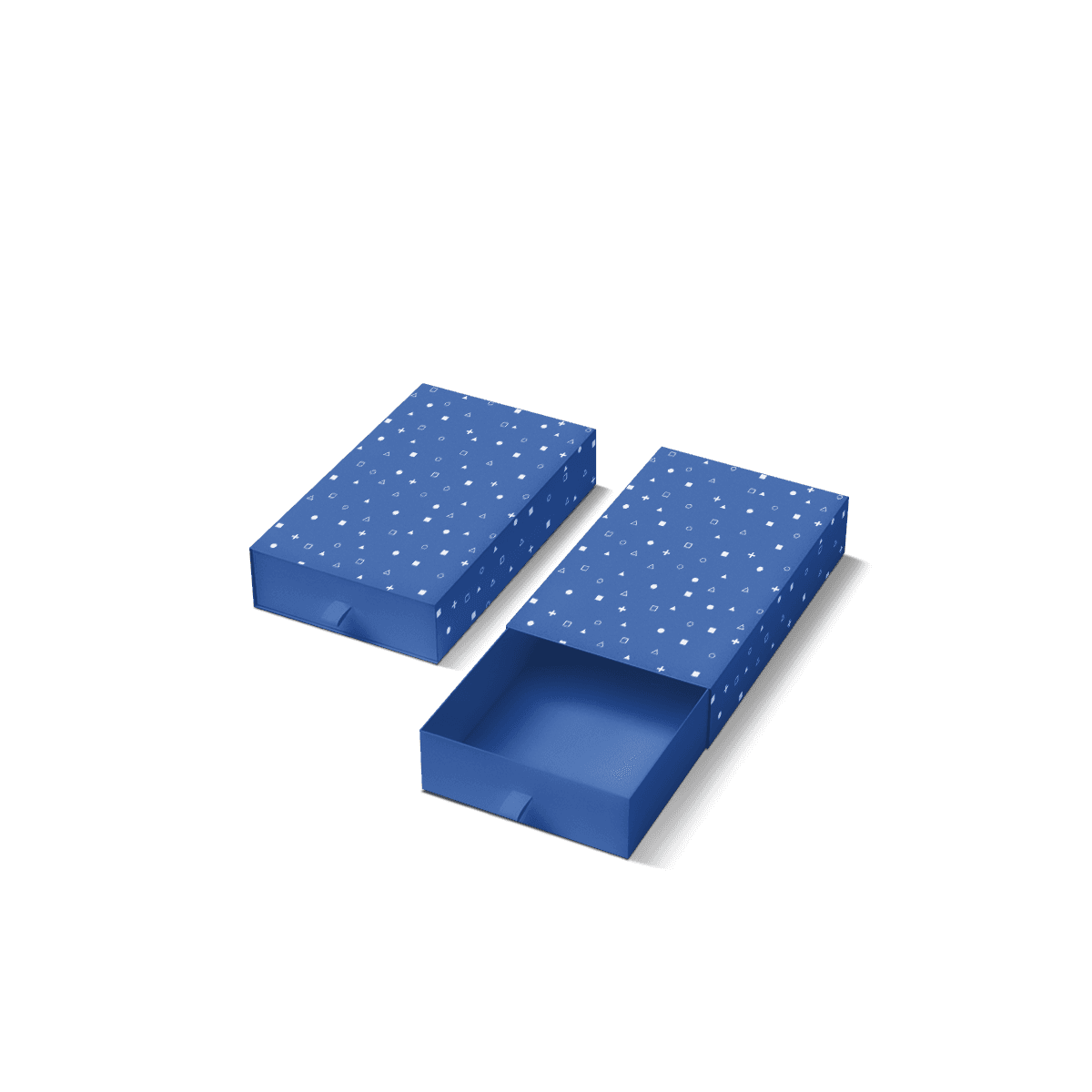
A shallower or partial-depth lid leaves part of the base visible when closed. This can create a deliberate colour band, makes the lid easier to grip and gives packers fast access from above. It also keeps the style visually lighter than a deep telescope box.

Know When It Becomes Telescopic

Once the lid extends substantially down the base, the project starts moving into Telescopic Rigid Boxes. That deeper coverage creates a more enclosed outer shell and changes the handling feel.

Use standard lid-and-base construction when straightforward lift-off access and a visible two-piece relationship are the priority. Use telescopic construction when deeper side coverage is itself part of the specification.

Do Not Fake a Shoulder

A contrasting strip between lid and base can look similar to the reveal created by Shoulder Neck Rigid Boxes, but the structures are different. Shoulder neck boxes add a raised inner neck that helps locate the lid and creates a stepped reveal.

If the brief calls for that inner shoulder, specify it properly rather than trying to imitate the look with colour alone. A standard lid and base is strongest when its simplicity is intentional.

Use the Open Base

Removing the lid completely gives packers unrestricted access to the tray. That is one of this style's most useful commercial advantages.

There is no flap to hold open, no spine to work around and no magnetic front panel occupying space. Apparel gifts, candles, fragrance sets, jewellery and multi-item presentations can be placed directly into the base before the lid is added.

For Custom Gift Set Boxes, this makes a lid-and-base rigid box particularly useful when several items must be arranged quickly in one open tray.

Let the Insert Set Depth

Do not choose the box depth from the tallest product and assume the rest will look right. Set the insert first, including any raised platforms, recesses, finger access and support under heavier items. Then establish the base depth around the completed arrangement.

A fragrance bottle illustrates the issue well. Dense glass may need support below the cavity, while the cap still needs clear space beneath the lid. The same principle applies to Custom Perfume Boxes, where bottle weight and cap clearance can matter more than the outside proportions suggest.

Make Removal Easy

A product can fit perfectly and still be frustrating to remove. Deep cavities around smooth jars, candles or accessories need finger access, a ribbon lift or enough exposed height for the customer to grip the item.

This is where restraint matters. The insert should stop movement and control presentation, not turn opening the box into a puzzle.

Make Both Pieces Earn Space

Because the lid and base are separate, each piece can carry a different visual role. The lid can stay restrained while the visible base band introduces colour. The outside can remain quiet while the inner lid carries artwork or product information.

That flexibility is useful, but it can also produce mismatched surfaces if the two wraps are specified independently without checking how they meet when closed.

Match Separate Wraps

If lid and base must appear as one continuous colour, colour control matters across both wrapped pieces. Pantone references can help where a brand shade needs tighter consistency, while CMYK is more suitable for photographic or multi-colour artwork.

Premium offset printing is especially useful for larger areas of controlled colour and fine detail. The practical differences between methods are covered in digital vs offset printing for packaging, but the print route should follow the artwork and run rather than being chosen as a prestige feature.

Finish the Contact Areas

The side walls of the lid repeatedly pass over the base during opening and closing. Heavy surface effects placed directly in those contact zones can receive more rubbing than a logo centred on the top panel.

Foil, embossing, debossing, spot UV, matte, gloss and soft-touch can all work on rigid packaging, but placement matters more than quantity. The available printing and finishing options are most effective when they reinforce the hierarchy of the box rather than compete with the lift-off action.

A free 3D mockup can help review colour blocking, logo scale and the relationship between lid and base before production. The broader principles in packaging design that actually works are useful here because proportion and physical behaviour often create more perceived value than another embellishment.

Do Not Overbuild It

Rigid packaging should earn the storage, material and cost it adds. A lid-and-base box is a strong choice when the product needs substantial presentation, repeat use or a keepsake quality, but it should not be the automatic answer for every premium-looking product.

The distinction between paperboard, corrugated and rigid packaging matters before the opening style is chosen. A lighter folding carton can be commercially smarter for lower-value retail goods. Corrugated packaging can be better where transit strength is the main requirement.

Within Rigid Boxes, choose Magnetic Closure Rigid Boxes when the lid needs to remain attached and the closing action is part of the experience. Choose shoulder neck when the raised inner neck is important. Choose telescopic when deeper lid coverage is needed.

A standard lid and base earns its place through simplicity: two firm pieces, direct top access and a removable lid without extra closure hardware.

For products where the box itself is part of the value proposition, Custom Luxury Packaging can help frame the wider decision around rigid presentation, inserts, papers and finishes without assuming that more structure is always better.

Keep Lids and Bases Paired

Two-piece rigid boxes create a simple packing risk when several sizes or colourways are in production at once: a lid from one SKU can look close enough to another base to be mixed at the packing bench even though the fit is wrong.

Keep matching lids and bases identified together through storage and filling. If several SKUs share a similar footprint, use clear outer-carton identification or controlled colour coding so packers do not have to test-fit pieces during assembly.

For repeat orders, keep the approved lid depth, wrap stock and base dimensions tied to the same specification. Scheduled deliveries can release finished units in batches where holding the whole production quantity on site is unnecessary.

Secure the Removable Lid

A lid-and-base box is held closed by fit and gravity, not by a lock. That distinction matters once the finished product leaves a retail counter or presentation setting.

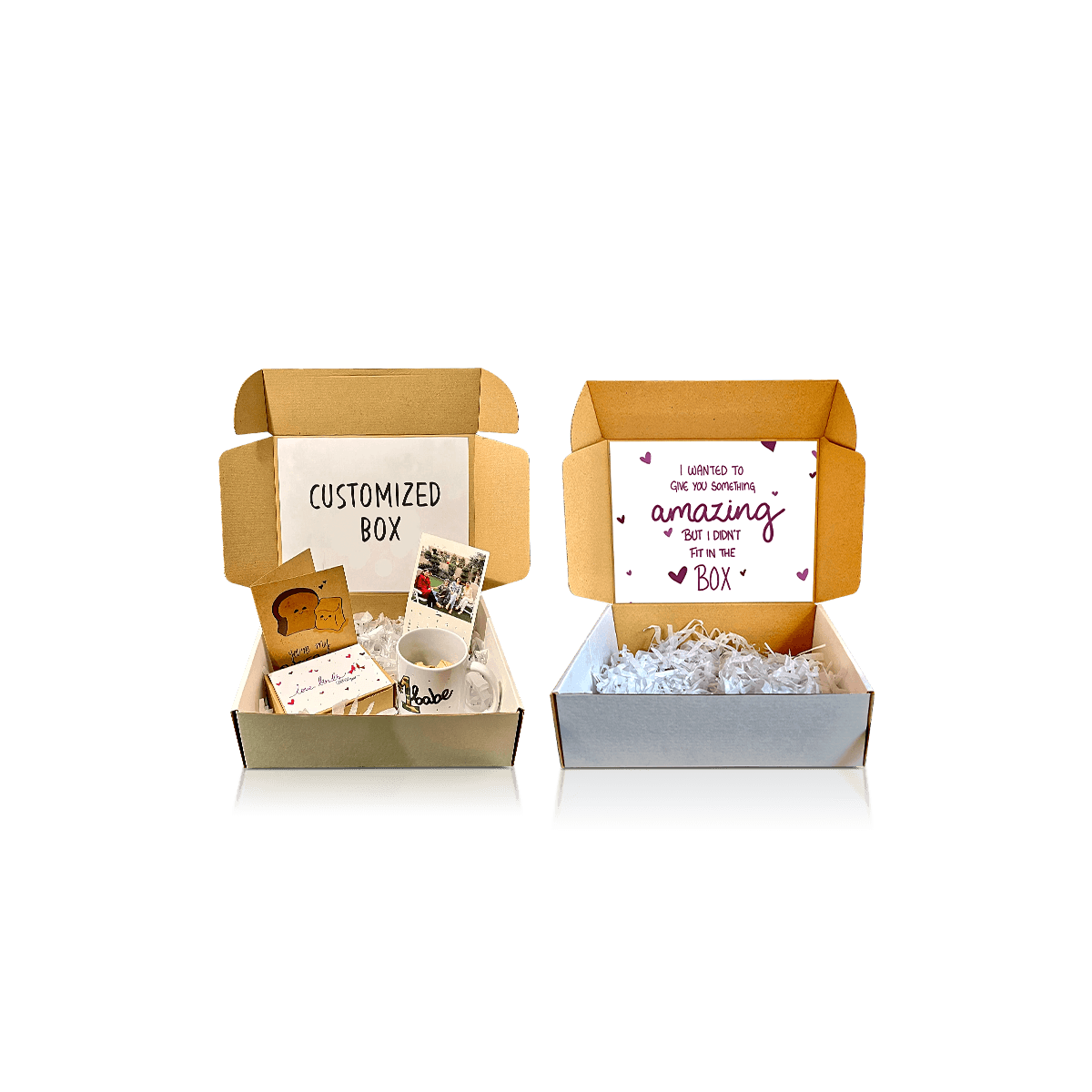
Do not assume a snug lid is a courier closure. If the box travels through a parcel network, use an appropriate outer shipping carton or mailer and control movement around the presentation box. Where the lid itself must stay attached before the outer shipper is opened, a sleeve, seal or other restraint may also be useful.

This protects more than the product. Wrapped corners, foil, dark papers and soft-touch surfaces can be scuffed long before the rigid walls lose their shape.

The strongest packaging system separates the jobs properly: the rigid box handles presentation and product organisation, while the transit layer handles courier impact and abrasion.

Specify the Visible Base Band

The most useful brief for this style is not simply “a luxury two-piece box”. State how much of the base you want visible when the lid is closed and how the lid should feel when lifted.

That decision immediately helps resolve lid depth, colour placement and whether the project truly belongs in standard lid-and-base construction or should move towards telescopic or shoulder neck.

Include the finished product arrangement, packed height and any insert that changes the internal cavity. If the box will travel inside another carton, include that handling route as well. An experienced Custom Packly team can then resolve sizing, wrapped surfaces, printing, finishes and delivery as one connected specification rather than treating each choice separately.

When those decisions are ready, request an instant packaging quote with the intended lid overlap and product arrangement. If the structure is still undecided, 24/7 packaging support is available to help narrow the choice before the artwork is locked.

FAQs

Choose rigid lid and base boxes when you want a classic two-piece opening, quick product loading and a premium look without a hinged flap. They are especially useful for products that need a simple lift-off reveal or frequent repeat opening. Magnetic Closure Rigid Boxes suit brands that want a more dramatic unboxing moment and a self-closing front flap. The right choice depends on presentation style, packing speed and how the box will be used after purchase.

They are well suited to jewellery, watches, apparel accessories, candles, presentation pieces, gift sets and premium retail packs. This format works best where the box needs to add value through structure, surface finish and a neat reveal rather than through complex mechanics. It also suits products that benefit from inserts, tissue or layered presentation because the open base gives packers clear access during assembly.

Start by deciding how much overlap you want between lid and base. A shallower lid can look lighter and more contemporary, while a deeper lid often feels more protective and substantial. You should also allow space for inserts, wrapped products and any tissue or printed cards inside. Ask for a sample before approval, because the ideal fit is snug and controlled, not loose and not so tight that opening becomes awkward.

Yes, but they are usually presentation packaging rather than the only transit layer. For ecommerce, most buyers place the rigid box inside a corrugated outer shipper and use inserts that limit movement. That protects finishes from scuffing and helps avoid the overpacked feel shoppers dislike. If the product is heavy, fragile or high value, right sizing the outer carton matters just as much as specifying the rigid box itself.

Confirm the exact product dimensions, product weight, packing orientation and whether the item needs an insert, sleeve or tissue. Then lock in lid depth, base depth, tolerance for fit, finish type and how the box will travel after packing. It also helps to decide whether the box is for retail display, gifting, storage or ecommerce dispatch, because each use case changes the best build and finish choices.

Process

How it works

Your Packaging Journey, From Idea to Production and Delivery

01

Tell Us Your Specs

Custom packaging boxes

Tell Us Your Specs

Provide size, quantity, printing, and finishes.

02

Get a Fast Quote

Custom packaging boxes

Get a Fast Quote

Instant transparent pricing, no hidden fees.

03

Design and Approval

Custom packaging boxes

Design and Approval

Artwork checks, revisions, and final sign-off.

04

Produce

Custom packaging boxes

Produce

Expert manufacturing to meet deadlines.

05

Ship to Your Door

Custom packaging boxes

Ship to Your Door

Hassle-free, flexible delivery options.

Get Your Quote for Custom Rigid Lid and Base Boxes

Share your product details, dimensions, quantity and artwork needs. We’ll help choose the right packaging style and send a clear quote.