Skip to content
Details

Custom Foil Mylar Pouches

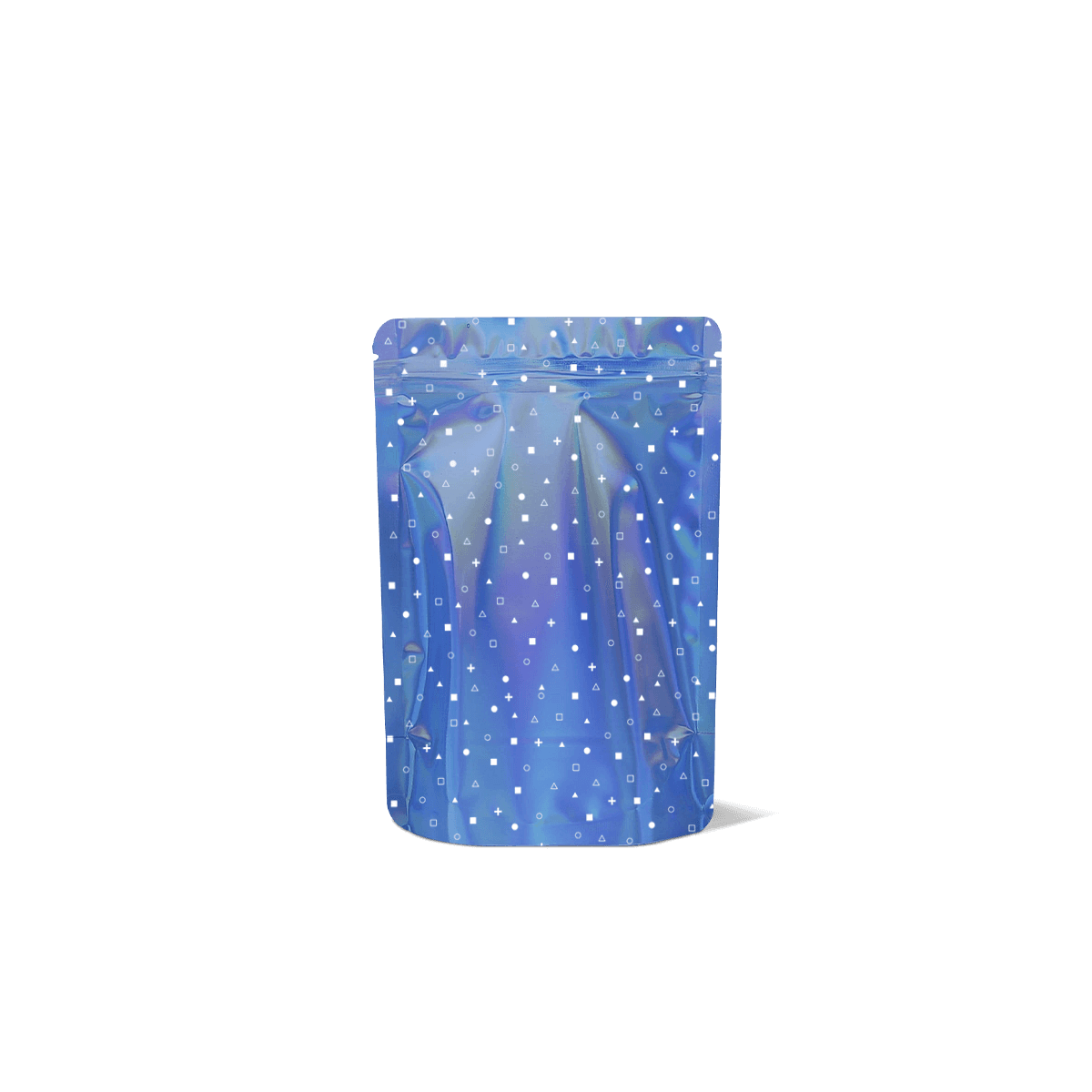
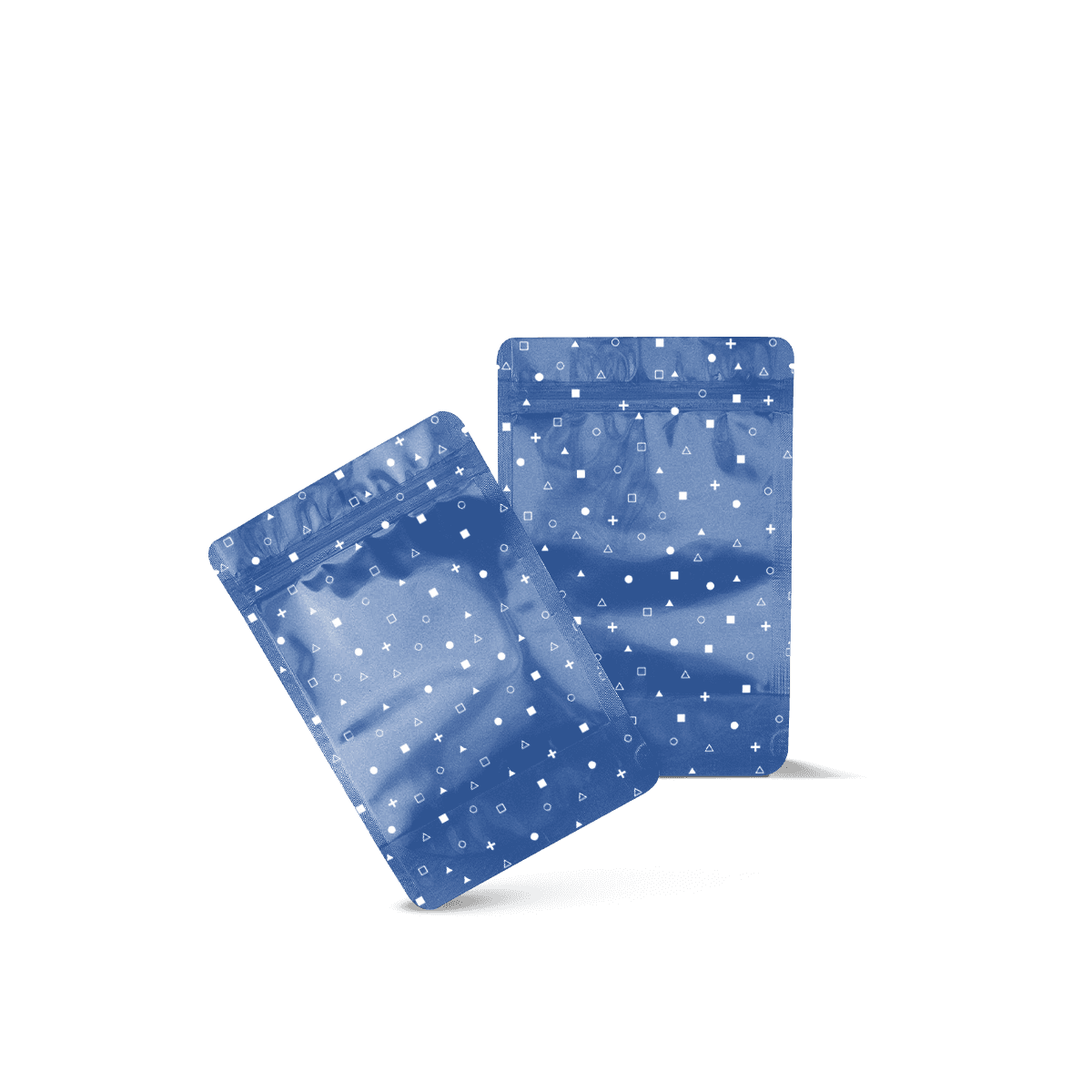
Opaque flexible pouches for products that need a foil-led barrier, concealed contents and uninterrupted printed coverage across the pouch face.

Use Foil for the Barrier

Foil should be specified because the product needs what the laminate can provide, not because a metallic pouch looks protective. Custom Foil Mylar Pouches are best approached from required opacity and barrier behaviour first, then from surface appearance.

A foil layer is one part of a multilayer pouch. The full structure still has to suit the contents, closure method and handling conditions.

This page should therefore answer a material question: when is a foil-led laminate worth using instead of a clear, metallised or simpler film?

Metallic Does Not Mean Foil

A pouch can look metallic without containing a conventional aluminium foil barrier layer.

Metallised films, holographic surfaces and printed metallic effects can all create a reflective appearance. They are not automatically equivalent to a foil laminate.

That distinction matters when the packaging specification is based on protection rather than appearance. Ask what the laminate actually contains and what performance the finished structure is intended to provide.

If the commercial goal is primarily reflective shelf impact, Holographic Mylar Bags have a clearer role. Foil pouches should earn their place through material performance first.

Opacity Changes the Product View

A fully covered foil pouch conceals the contents.

That can suit powders, supplements, refills and products where the customer does not need to inspect colour, texture or fill level before purchase. It also gives artwork an uninterrupted visual surface.

If showing the contents helps sell the product, Window Mylar Bags create a different balance by sacrificing some full-surface coverage for visibility.
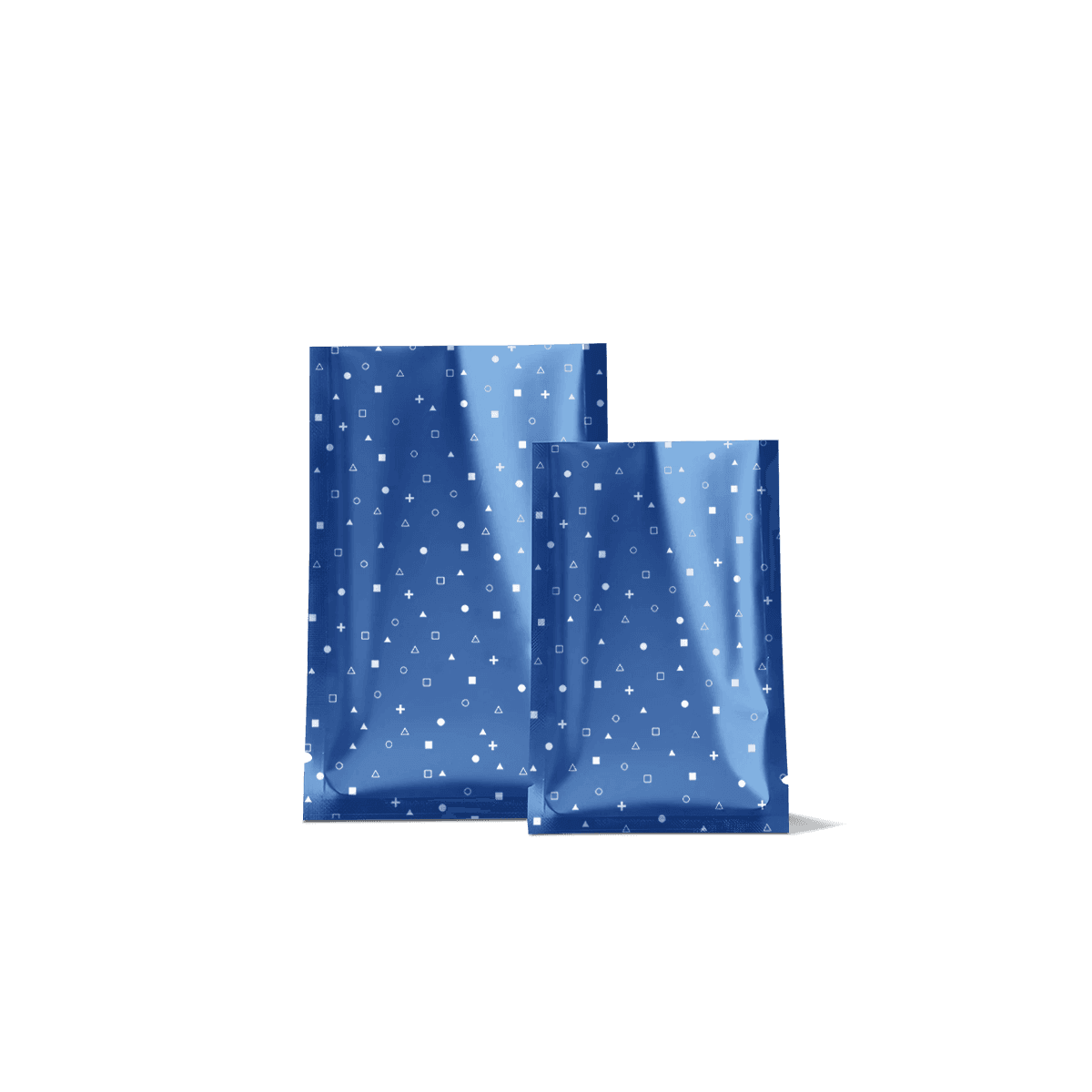
Specify the Laminate, Not Silver

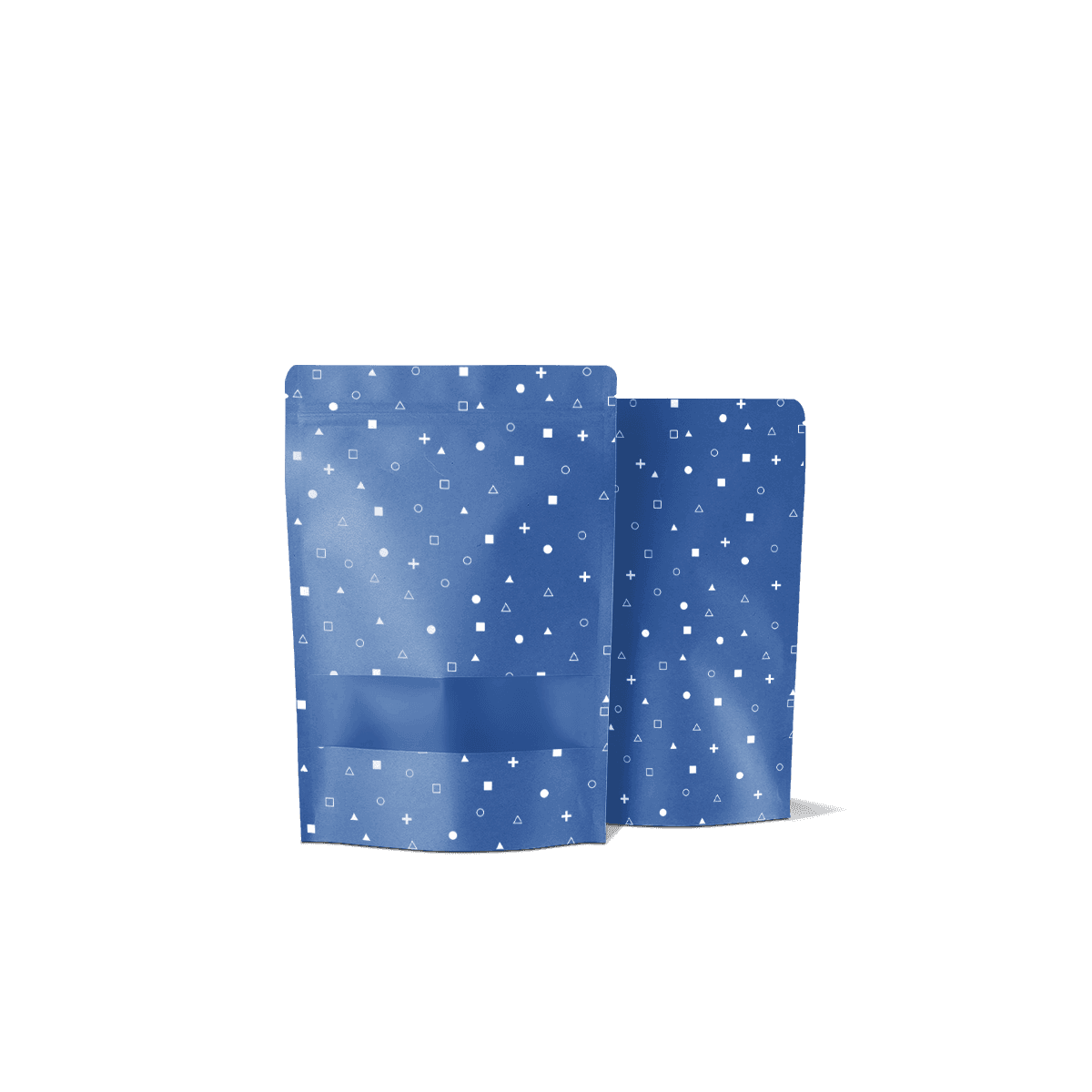
The word “foil” is not a complete specification.

Flexible barrier pouches are usually made from multiple layers, with each layer performing a different job. One may support print and handling, another may provide the main barrier and an inner sealant layer allows the pouch to close.

The exact layer combination should follow the product rather than a generic description such as silver Mylar.

Barrier Comes From the Stack

Do not assess the pouch from one visible surface.

A shiny exterior does not tell you the complete laminate structure. A matte black pouch may still contain a foil layer, while a bright metallic pouch may use another film treatment.

Start with what the product needs protected from, then work backwards to the film specification.

For Supplement Mylar Bags, that means considering the actual powder, capsule, gummy or refill rather than assuming one barrier structure suits every wellness product.

Thickness Is Not the Whole Answer

A thicker pouch is not automatically a better barrier pouch.

Total thickness can contribute to stiffness, handling and puncture resistance, but barrier performance also depends on which materials make up that thickness and how they are combined.

Comparing two quotations only by microns can therefore be misleading. Ask whether the laminate structure itself is equivalent before treating the thicker option as better.

Protect the Foil From Damage

A foil barrier performs best when the pouch is handled in a way that does not unnecessarily stress the laminate.

Sharp products, severe folds and repeated hard creasing can create more demanding conditions than soft powders or smooth contents. The physical product should therefore influence the material specification before artwork is approved.

Watch Sharp Contact Points

Hard corners and pointed pieces can concentrate pressure against a small part of the pouch.

If the contents are irregular, test how they settle when several finished units are stacked, boxed or transported. A pouch that looks fine when held upright may experience different pressure when laid flat beneath other units.

Increasing material specification may help, but sometimes the better answer is changing the product orientation or choosing secondary protection around the pouch.

Packing Method Can Stress the Laminate

Avoid planning packing methods that repeatedly make sharp folds through the same foil area simply to fit a smaller outer carton.

Flexible packaging can bend, but aggressive creasing should not become part of the normal packing system without checking the finished laminate.

If a pouch only fits its outer package when it is tightly folded, reassess the dimensions of one or both components.

Keep Protection Separate From Closure

Foil describes the material direction. It does not determine how the pouch stands, fills, opens or reseals.

Those decisions still need to be specified independently.

Heat Sealing Is Another Decision

A foil pouch may be heat sealed, but the foil barrier itself does not guarantee a reliable final seam.

The inner sealant layer, filling conditions and sealing process still determine how the open edge closes. Heat Seal Mylar Bags deal with that closing process directly.

Keep the material and closure questions separate: first determine what the product needs from the laminate, then determine how the finished pouch needs to close.

Stand-Up Is Still a Shape

A foil laminate can be used in different pouch silhouettes.

If an upright retail stance matters, Stand Up Mylar Bags should determine the gusset depth and filled footprint. The foil layer then becomes part of the material specification for that structure.

If compact packing matters more, Flat Mylar Bags may be the better physical shape.

Foil should not dictate a silhouette the product does not need.

Print Over an Opaque Surface

One commercial advantage of a fully covered foil pouch is that the product does not interrupt the front or reverse artwork.

That gives branding, product information and variant coding a continuous surface. It is particularly useful when the contents are visually inconsistent or when the design needs stronger control over what the customer sees.

Barrier Foil Is Not Foil Stamping

These are completely different uses of the word foil.

The foil inside a laminate is a functional material layer. Decorative foil stamping is a surface effect applied to selected artwork areas to create metallic detail.

A pouch can contain an aluminium barrier layer without showing any metallic design externally. It can also have decorative metallic graphics without relying on aluminium foil as its principal barrier.

Keeping those terms separate prevents specification mistakes during quoting.

Design for Contrast

Opaque pouches give the artwork complete control over colour and information hierarchy, but the base surface and print method still influence the result.

A metallic effect may intentionally remain visible in selected areas, or the pouch may be printed to appear almost completely non-metallic.

Do not assume the material has to dictate a silver or gold visual identity. Start with the brand system and required information, then decide whether any exposed metallic character improves the design.

The principles in packaging design ideas apply here particularly well: material should support the visual hierarchy rather than becoming the design by itself.

Give Every SKU the Same Barrier Logic

Multi-product ranges often create an avoidable problem: artwork is standardised while material specifications drift between sizes or suppliers.

If several products genuinely require the same barrier approach, keep the approved laminate reference tied to each repeat order rather than relying on the words “foil pouch”.

Tie Artwork to the Laminate Specification

A correct PDF does not prove the pouch material is unchanged.

Repeat orders should reference the approved size, laminate, closure and artwork version together. This is particularly important when the printed appearance stays identical but a different material could sit beneath the ink.

A free 3D mockup can help approve colour placement and layout. It cannot validate the internal laminate.

Separate Volume From Protection

Larger and smaller sizes do not automatically need different barrier materials simply because their dimensions change.

Likewise, sharing the same artwork system does not mean every product inside has identical protection requirements.

Standardise where the products and storage conditions justify it, not merely because one material specification is easier to administer.

For larger product ranges, digital and offset printing decisions should also be considered alongside the number of artworks and quantities per design rather than only the total order.

Know What Foil Trades Away

Foil is useful when its strengths solve a real problem. It should not become the default premium option across an entire Mylar range.

Full Coverage Removes Visibility

Complete opacity prevents the customer from seeing the product.

That can improve visual consistency where the contents vary naturally, but it can be a disadvantage for colourful sweets, tea leaves, treats or other products whose appearance creates purchase confidence.

If visibility matters, decide how much barrier coverage can be traded for a clear area rather than adding a window automatically.

Complex Laminates Need Careful Claims

Do not label a foil pouch recyclable, sustainable or environmentally preferable without verifying the exact laminate and the appropriate end-of-life route.

Multi-material flexible packaging can be more complicated than a single visible material suggests. Sustainability wording should follow the actual specification, not the silver appearance or a generic Mylar claim.

That same discipline should apply to food-contact or specialist compliance statements. Confirm them for the material and intended product before putting them into customer-facing artwork.

Spend Barrier Where It Matters

Foil can add cost and specification complexity, so the commercial question is not simply whether it gives more protection. The question is whether the product benefits enough to justify it.

Do not pay for full opacity when a simpler film meets the real requirement. Equally, do not remove a necessary barrier layer merely to lower the unit price without understanding the product risk.

The custom Mylar bag cost breakdown shows why laminate, size, quantity, printing and closure need to be compared as one specification rather than as isolated line items.

The cheapest quote is only genuinely comparable when the material structures are comparable too.

Compare the Laminate Before the Price

Treat material equivalence as the first commercial check. Two foil-pouch quotes are not genuinely comparable if the laminate structures differ in the property you are paying to protect.

If an existing pouch already works, send its laminate specification or supplier data. For a new product, send the product type, fill amount, intended pouch shape and the reason full opacity or foil-led barrier performance is required.

Price the foil-pouch specification once the laminate requirement is defined.

FAQs

Foil Mylar Pouches are the better choice when protection and full-surface branding matter more than showing the contents. They suit light-sensitive or visually inconsistent products especially well. Window Mylar Bags are stronger when seeing the product helps build trust or adds shelf appeal, but the clear panel reduces full coverage.

Start with the fill weight, product dimensions and whether the product is sensitive to light, moisture or aroma loss. Then confirm the closure type, required headspace, pouch size and whether the pack needs to stand, hang or fit inside secondary packaging. Finish choice should also be reviewed early because it affects the final branded look.

Yes, they can be produced with either closure style depending on how the pouch will be used. A zip closure suits products opened more than once, while a heat-seal format is stronger for single-use portions, samples or tamper-evident presentation. The better option depends on the opening pattern, not the foil layer alone.

Not automatically, because performance depends on the full specification rather than the name of the pouch. Foil generally helps with light coverage and barrier strength, but seal quality, film thickness, closure choice and product fill conditions all matter as well. The smartest approach is to match the pouch build to the product’s actual storage needs.

They are well suited to dry or semi-dry products that benefit from enclosed presentation and stronger barrier support. Common examples include supplements, powders, tea, coffee, spices, confectionery, pet treats and scented retail items. If the product needs visible display rather than concealed protection, another pouch type may be the better fit.

Process

How it works

Your Packaging Journey, From Idea to Production and Delivery

01

Tell Us Your Specs

Custom packaging boxes

Tell Us Your Specs

Provide size, quantity, printing, and finishes.

02

Get a Fast Quote

Custom packaging boxes

Get a Fast Quote

Instant transparent pricing, no hidden fees.

03

Design and Approval

Custom packaging boxes

Design and Approval

Artwork checks, revisions, and final sign-off.

04

Produce

Custom packaging boxes

Produce

Expert manufacturing to meet deadlines.

05

Ship to Your Door

Custom packaging boxes

Ship to Your Door

Hassle-free, flexible delivery options.

Get Your Quote for Custom Foil Mylar Pouches

Share your product details, dimensions, quantity and artwork needs. We’ll help choose the right packaging style and send a clear quote.