Skip to content
Details

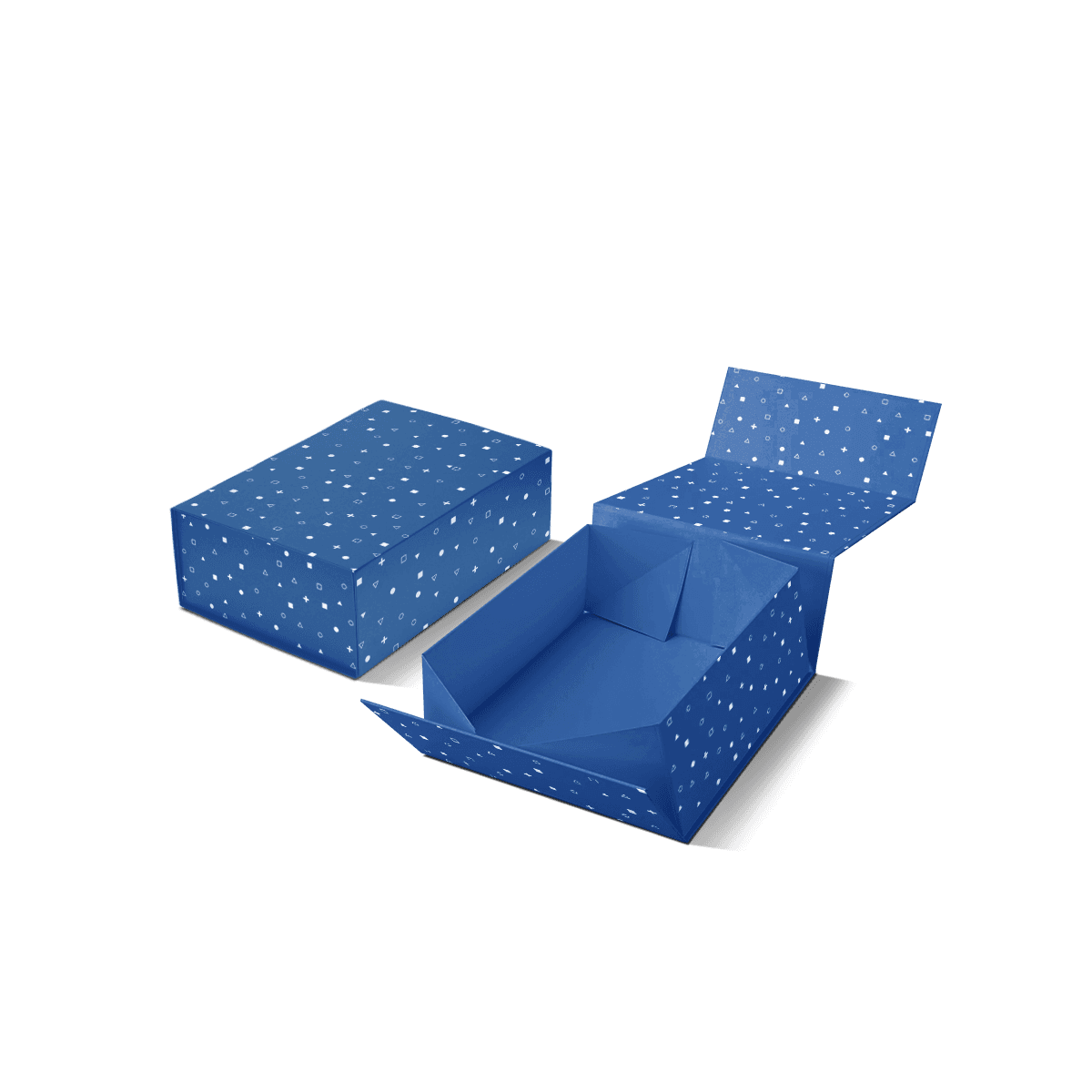
Custom Hinged Lid Rigid Boxes

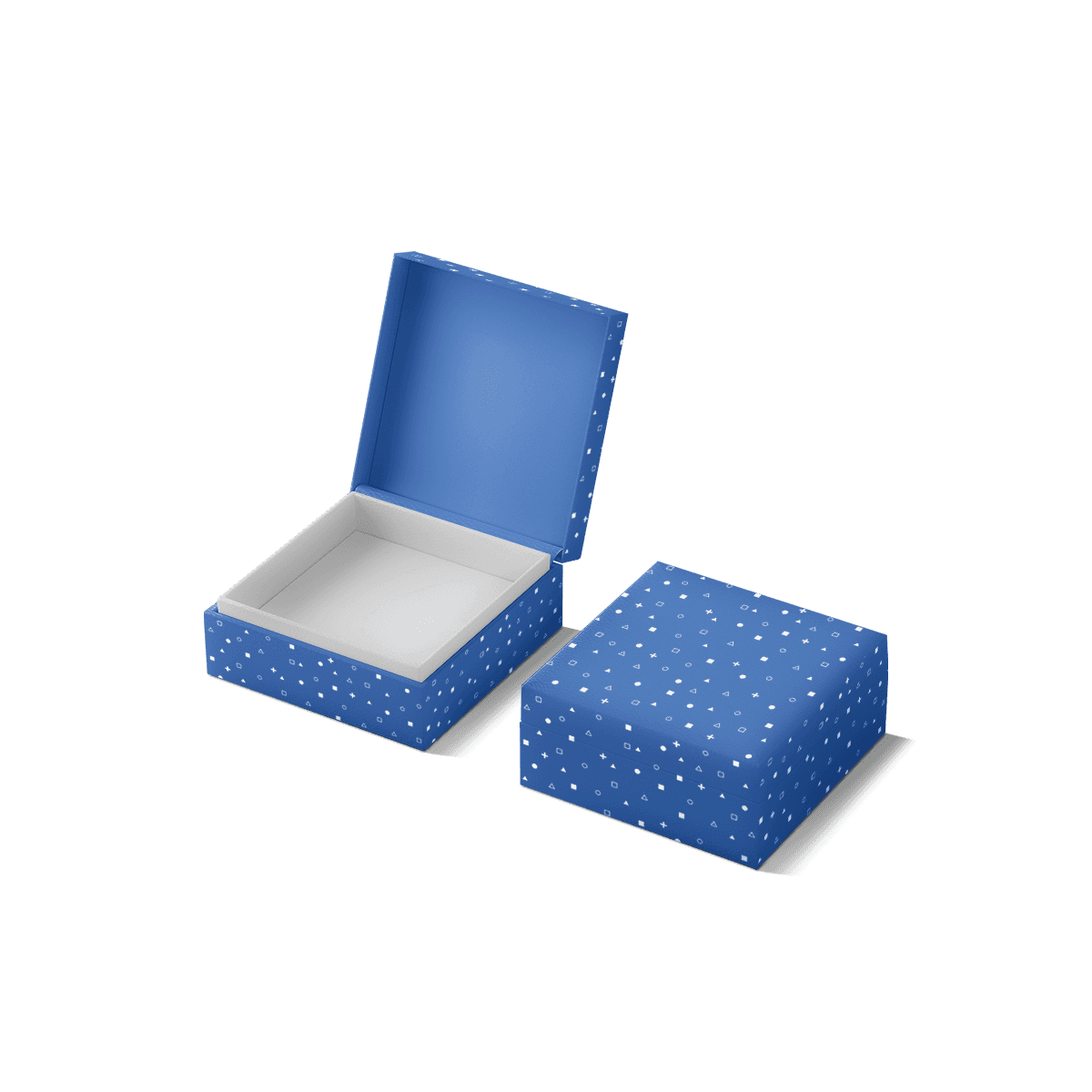
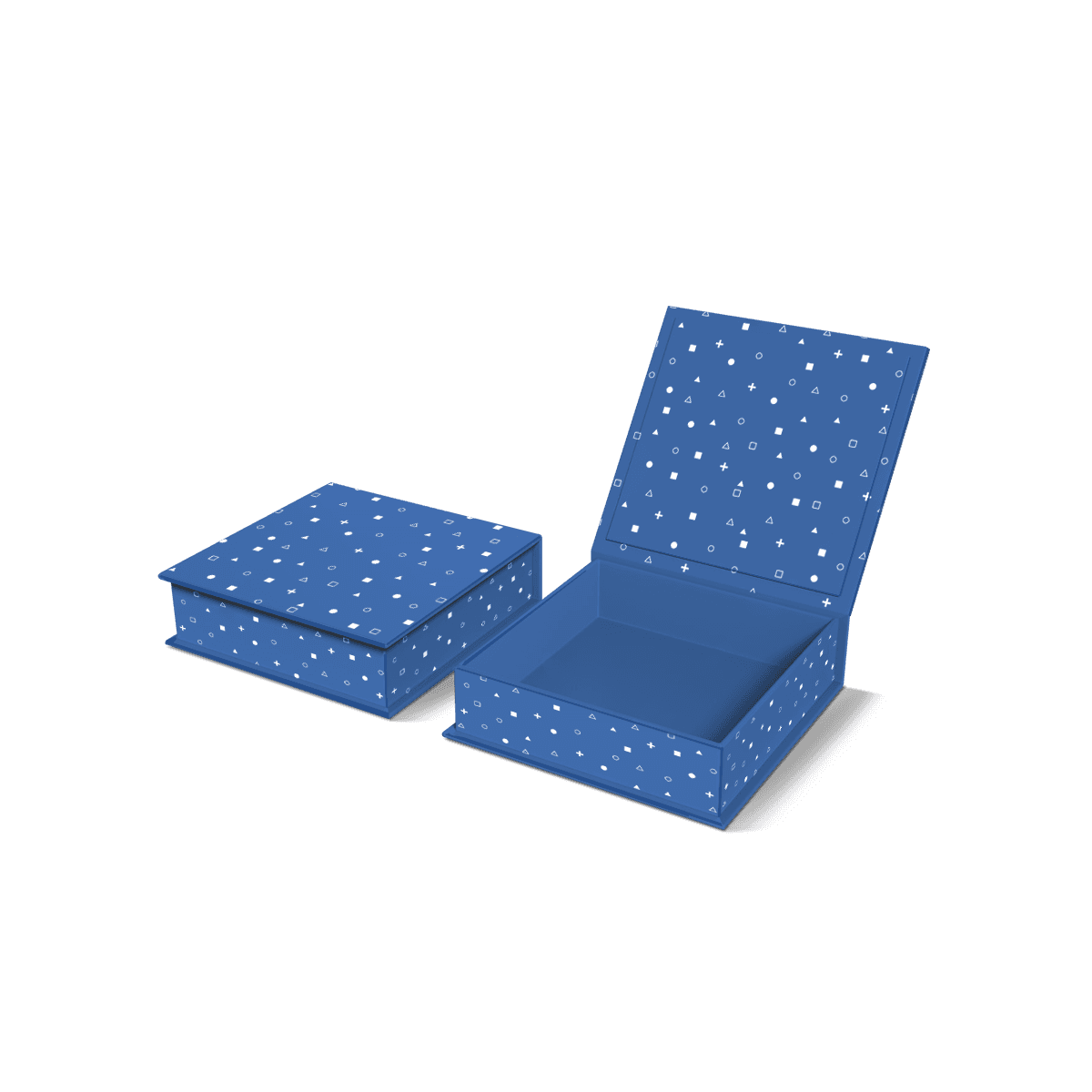
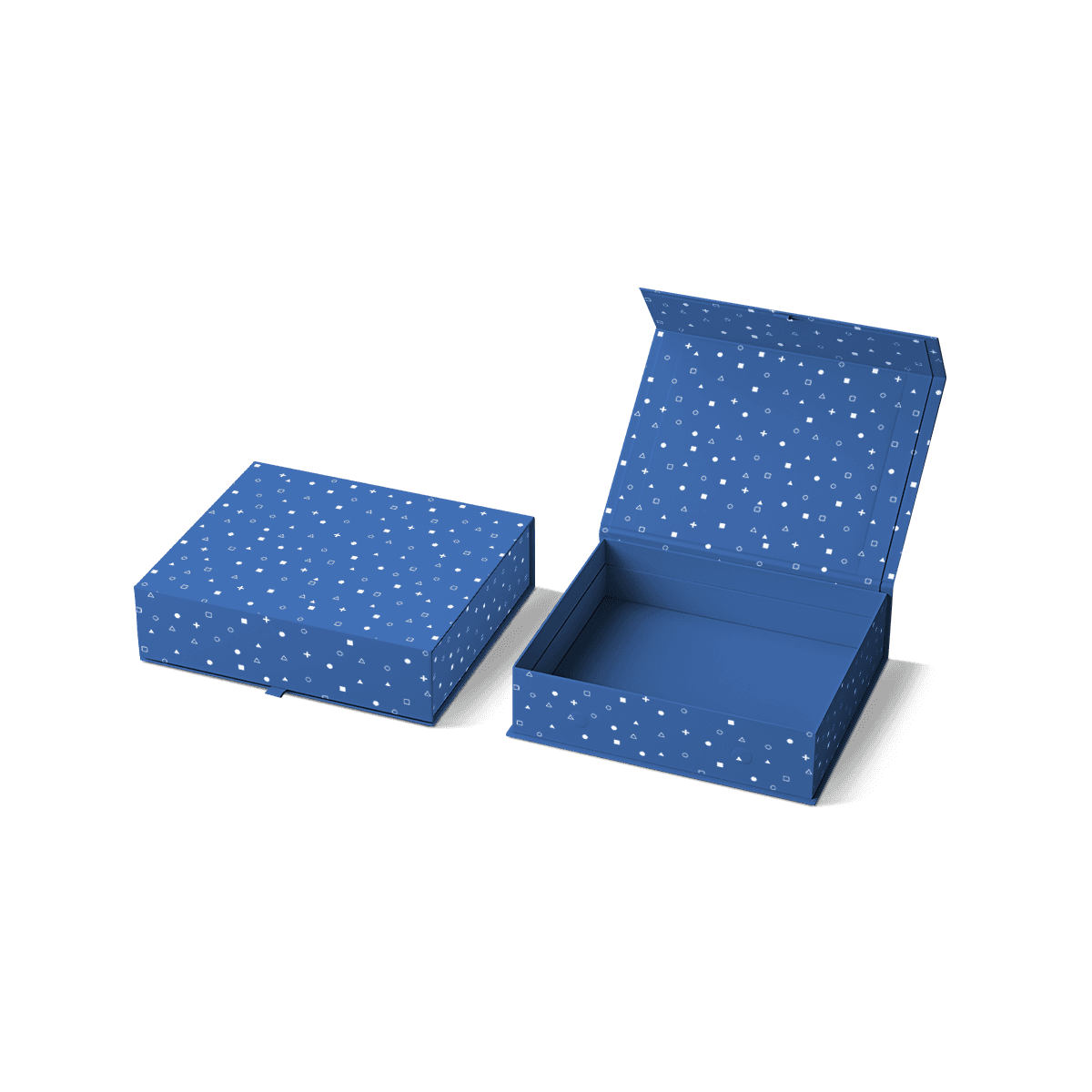
Hinged Lid Rigid Boxes combine rigid-board presentation with an attached lid, giving brands a premium pack that opens neatly, stays together in use and works well for gifting, retail display and repeat-access products.

Keep the Lid Under Control

A hinged rigid box earns its place when the lid needs to stay attached, open cleanly and remain with the base through repeated use. The practical advantage is not a slower luxury reveal. It is controlled access without a loose lid to lift off, set aside or misplace.

Custom Hinged Lid Rigid Boxes suit presentation cases, demonstration sets, jewellery, watches, technology accessories, corporate gifts and sample kits that may be opened several times. The hinge keeps the two halves aligned, so the product remains presented in the same orientation each time.

That makes this style particularly useful for presentation boxes used during meetings, launches or handovers where someone may open the box, discuss the contents, close it and use it again.

Set the Opening Angle

The lid does not always need to fall completely flat. For some products, a controlled open position keeps the lid out of the way while still acting as a backdrop behind the contents.

A shallow display angle can work for jewellery, awards or product demonstrations. A fuller opening is better when the user needs unobstructed access to a multi-item set. The right angle depends on lid size, hinge behaviour, product height and how the box will sit on a table.

If the lid repeatedly drops backwards or pushes itself closed, the opening has not been resolved properly.

Balance Lid Weight

Large rigid lids create more leverage at the hinge than small ones. Extra depth, heavy wrap, attached literature or decorative elements inside the lid can increase that load.

The hinge should be specified around the finished lid rather than an empty structural drawing. That becomes more important on wide presentation cases, where an oversized lid can pull against the spine every time the box opens.
Protect the Hinge Line

The hinge is the working part of this box. Wrapped rigid surfaces may look static, but the material along the hinge bends every time the lid moves.

A good result needs enough flexibility at that line without making the lid feel loose. Rigid pieces should stay square while the connecting material does the movement.

Keep Decoration Off the Fold

Fine foil rules, heavy embossing and critical small type should not sit directly over the main flex point unless the artwork and material have been tested for it. Repeated movement can make a beautiful flat proof behave differently once the box is in use.

The packaging dieline workflow helps establish where structural movement occurs before final graphics are locked. A free 3D mockup can then show how branding sits across the closed lid, back edge and interior when the box opens.

Check Repeated Movement

A single successful opening is not enough for a box intended to be kept. Open and close the sample repeatedly and watch the hinge line, lid alignment and wrapped edges.

Free sample examples can help compare rigid materials and finishes. For a new shape, unusually large lid or long-term keepsake use, physical testing is more useful than judging the hinge only from artwork.

The experienced Custom Packly team can coordinate structure, wrap, insert and artwork together, which matters because changing one of those elements can alter how the lid behaves.

Build for Frequent Access

Hinged lid packaging is strongest when someone needs to get back into the box without managing separate parts. That can matter more than ceremony.

A sales sample kit opened at several meetings, a watch case reused at home or an accessory set kept for storage all place different demands on the hinge from a gift box opened once.

Make Reopening Easy

The recipient should have an obvious grip point and enough clearance to lift the lid without digging fingers into the side of the box. If a ribbon pull is used, it should help access rather than exist as decoration.

For corporate gift boxes that may be reused for documents, accessories or keepsakes, an attached lid also means the set remains complete after the original contents have been removed.

Avoid Unnecessary Closure Parts

A hinged lid does not automatically need magnets. Friction, lid geometry, a ribbon or another simple restraint may be enough depending on how the box is carried and stored.

Adding magnets when the lid already stays closed adequately increases complexity without necessarily improving use. If a concealed magnetic front flap and positive shut feel are central to the experience, Magnetic Closure Rigid Boxes are the clearer starting point.

Fit the Interior to Movement

The product should stay in position while the lid moves around it. That sounds obvious, but a box that looks neat when fully open can still allow products to shift as it is carried or reopened.

The insert therefore has to work with the opening direction as well as the product dimensions.

Keep Tall Items Clear

Bottles, jars, trophies and raised accessories need enough clearance beneath the lid throughout its movement. A tall item positioned too close to the hinge can collide with the inner lid before the box reaches its final open position.

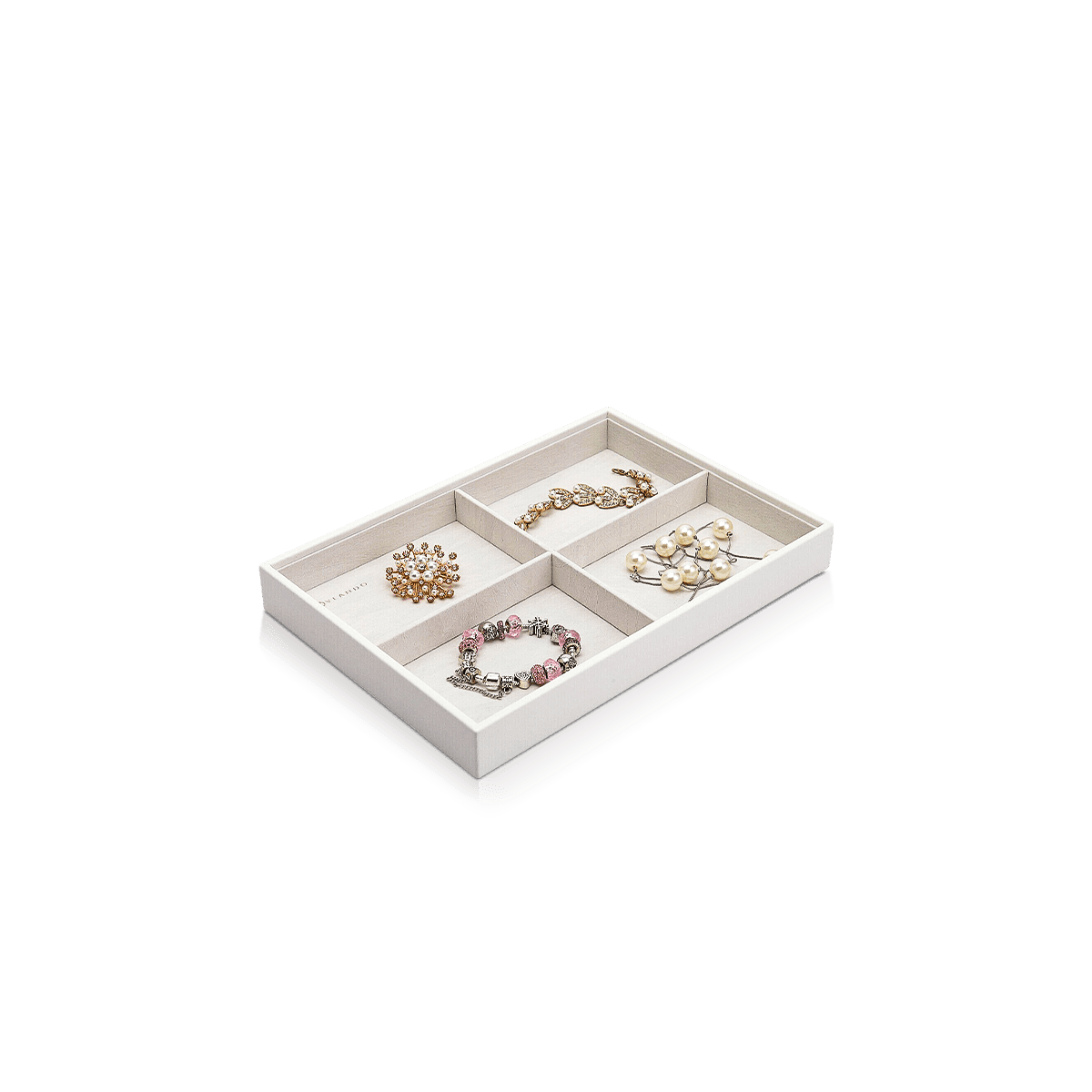
Set the product height, insert height and hinge-side clearance together. Inserts and Dividers can hold items securely, but their upper surfaces must not force the lid out of alignment when closed.

Stop Sideways Movement

If the box is carried vertically or tilted during handling, products should not slide towards the hinge or opening edge. This matters for mixed presentation sets where several objects have different weights.

Support heavier items close to their actual contact points and give smaller accessories their own defined positions. The interior should still make removal straightforward. A product that is perfectly restrained but difficult to lift out is not well fitted.

Attached Lid Without the Spine

Book Style and Hinged Lid Rigid Boxes both keep the lid attached, but they should solve different problems.

A hinged lid box is the practical choice when connected access, repeat opening and stable display matter. A Book Style Rigid Box makes more sense when a hardback-like cover, defined spine and inner-cover storytelling are central to the presentation.

Repeated Demonstrations Favour Simplicity

For sales kits, sample cases and counter demonstrations, the useful feature is that the lid remains attached while the contents stay exposed. There is no need for a hardback-style spine or an inner-cover storytelling panel unless those surfaces have a real job.

Specify the open angle and lid support around how long the box will remain open on a table. That keeps the structure focused on access rather than turning a working case into a narrative-led presentation.

Removable Lids Suit Fast Loading

If packers need completely unobstructed access from above, an attached lid can become the part they have to work around. Rigid Lid and Base Boxes remove that obstruction entirely and can be faster for deep or multi-item loading.

Use hinged construction when keeping lid and base together matters after packing. Use lift-off construction when packing access matters more.

Use the Lid as a Backdrop

An attached lid can become a display surface while the product remains in the base. This is useful for demonstration kits, awards, jewellery, sales samples and launch sets where the open box may stay visible for several minutes rather than a few seconds.

A restrained inside-lid logo, short message or product diagram can support that use. It should not compete with the contents.

Check Viewing Direction

Artwork that looks correctly oriented while the box is closed may appear upside down or awkward when the lid stands open. Confirm the intended viewing position before print files are finalised.

The principles in how to design packaging for a product are especially relevant here because the hinge direction should be settled before graphic layouts are adapted to the panels.

Print for Repeated Handling

Premium offset printing can support fine detail, controlled brand colour and large solid areas across the lid and base. Foil, embossing, debossing, spot UV and soft-touch can add focus, but high-contact edges need restraint.

The printing and finish options should be chosen around where hands actually touch the box. A finish that looks excellent on the top panel may be less suitable along an edge repeatedly gripped during opening.

An Attached Lid Is Not Transit Protection

The attached lid helps the box stay together. It does not turn a presentation box into a courier shipper.

Rigid board has firmness and strong visual presence, but it does not cushion impacts the way corrugated fluting does. Wrapped surfaces can also scuff when they rub directly against sorting equipment or other parcels.

The material differences in paperboard, corrugated and rigid packaging are worth resolving before expecting one box to handle both display and delivery.

For ecommerce, protect the hinged rigid box inside an appropriate outer carton or mailer. The insert controls the product inside the presentation box; the transit layer handles impacts, compression and abrasion outside it.

That division usually produces a better result than making the rigid box heavier and assuming extra board will solve courier risk.

Plan the Working Life

Because the box may be reopened repeatedly, consider what happens after the first handover. Will it become product storage, a sales case, a sample library or a keepsake?

Those later uses can change the specification. A sample case may need a more durable interior and straightforward identification. A home storage box may benefit from a cleaner exterior and fewer fragile decorative elements.

If the box is intended as a sales or sample case, prioritise wear at the hinge, grip points and insert edges over decorative treatments that will be handled constantly. For home storage, the lid should remain easy to reopen without pulling the base out of shape.

Keep that approved use pattern in the repeat specification so later runs do not change the hinge movement or interior access.

Show the Working Position

Send a photo or sketch of the box as it should sit when open. Mark the product height, where the lid should stop and anything that must remain visible while the contents are being used or demonstrated.

That working position lets the packaging team judge lid leverage, hinge clearance and insert height before the structure is priced. It also makes it easier to spot when a lift-off lid would be more practical.

Once the open position is defined, use the existing custom packaging quote link to price the specification. Include the sketch with the enquiry so the hinge is quoted around real use rather than a generic attached-lid brief.

FAQs

The main difference is the attached lid. Instead of lifting the lid off completely, the user opens it while it remains connected to the base. That improves convenience, keeps the pack together and makes repeat opening easier. It is a strong choice when the box needs to feel premium but also practical during retail display, gifting or storage after the sale.

Choose a hinged lid style when you want the structure to stay in one piece during use. It works better for repeated access, counter presentations and gift boxes that may be opened more than once. Choose Rigid Lid and Base Boxes when you want a classic lift-off reveal or a simpler two-piece construction with a fully separate lid and base.

Rigid greyboard with printed paper wraps is the usual starting point because it gives strength and a premium hand feel. From there, buyers often choose matte lamination, soft-touch finishes, foil stamping, embossing or debossing depending on brand position. Interior lining papers and printed inserts also work well because this style often puts the inside of the box on display during use.

They can be used for ecommerce, but normally as the presentation pack inside an outer mailer or shipping carton. The rigid structure protects the product well and looks impressive on arrival, but transit packaging still matters. If the box will travel through courier networks, buyers should plan for an outer corrugated shipper, fit-tested inserts and finish protection against scuffing.

Confirm the product dimensions, total packed weight, insert layout, hinge direction and how the box will be opened in real use. It is also worth deciding whether the pack is mainly for retail display, gifting, storage or postal fulfilment because that affects board strength, lid proportions, internal depth and finish choice. Those details shape both performance and cost.

Process

How it works

Your Packaging Journey, From Idea to Production and Delivery

01

Tell Us Your Specs

Custom packaging boxes

Tell Us Your Specs

Provide size, quantity, printing, and finishes.

02

Get a Fast Quote

Custom packaging boxes

Get a Fast Quote

Instant transparent pricing, no hidden fees.

03

Design and Approval

Custom packaging boxes

Design and Approval

Artwork checks, revisions, and final sign-off.

04

Produce

Custom packaging boxes

Produce

Expert manufacturing to meet deadlines.

05

Ship to Your Door

Custom packaging boxes

Ship to Your Door

Hassle-free, flexible delivery options.

Get Your Quote for Custom Hinged Lid Rigid Boxes

Share your product details, dimensions, quantity and artwork needs. We’ll help choose the right packaging style and send a clear quote.