Skip to content
Details

Custom Presentation Boxes

Presentation boxes give high-value items a more controlled handover for events, hospitality and corporate gifting, using stronger structures, inserts and refined finishes to display awards, products, documents or keepsakes with better order and visual impact.

The Lid Controls the Reveal

The opening movement is part of the presentation. Custom presentation boxes make the most sense when one focal item, award, keepsake or premium product needs to be framed deliberately before it is touched.

Formal presentation is about control. The focal item should appear at the intended height, orientation and pace as the box opens, without secondary products or campaign material competing for attention.

That is why the first decision is not foil, colour or even material. Decide what the recipient should see as the lid moves and what should remain hidden until the box is fully open.

Give the Product a Stage

A presentation box should create visual priority around the item inside. The product should not look dropped into a cavity or surrounded by empty space that has no purpose.

Set the Sightline

When the lid opens, the focal item should be easy to understand immediately. A watch, medal, bottle, jewellery piece, premium sample or commemorative object usually looks stronger when its face, label or most recognisable detail is already oriented towards the recipient.

The inserts and dividers can raise, centre or angle the product, but the insert should remain visually secondary. If the support becomes the first thing the eye notices, the presentation hierarchy is wrong.

Control the Border Around It

A small amount of deliberate space can make a hero item feel more important. Too much space can make the product look undersized, while an overly tight edge-to-edge fit can feel cramped and make removal awkward.

This is different from gift set boxes, where the main challenge is arranging several products together. Here, the empty space around one focal item can be part of the visual design.

Choose the Opening Movement

The box style should match how formal or deliberate the handover needs to feel. Different rigid structures create different opening speeds and sightlines.

Lift-Off for a Clean Reveal

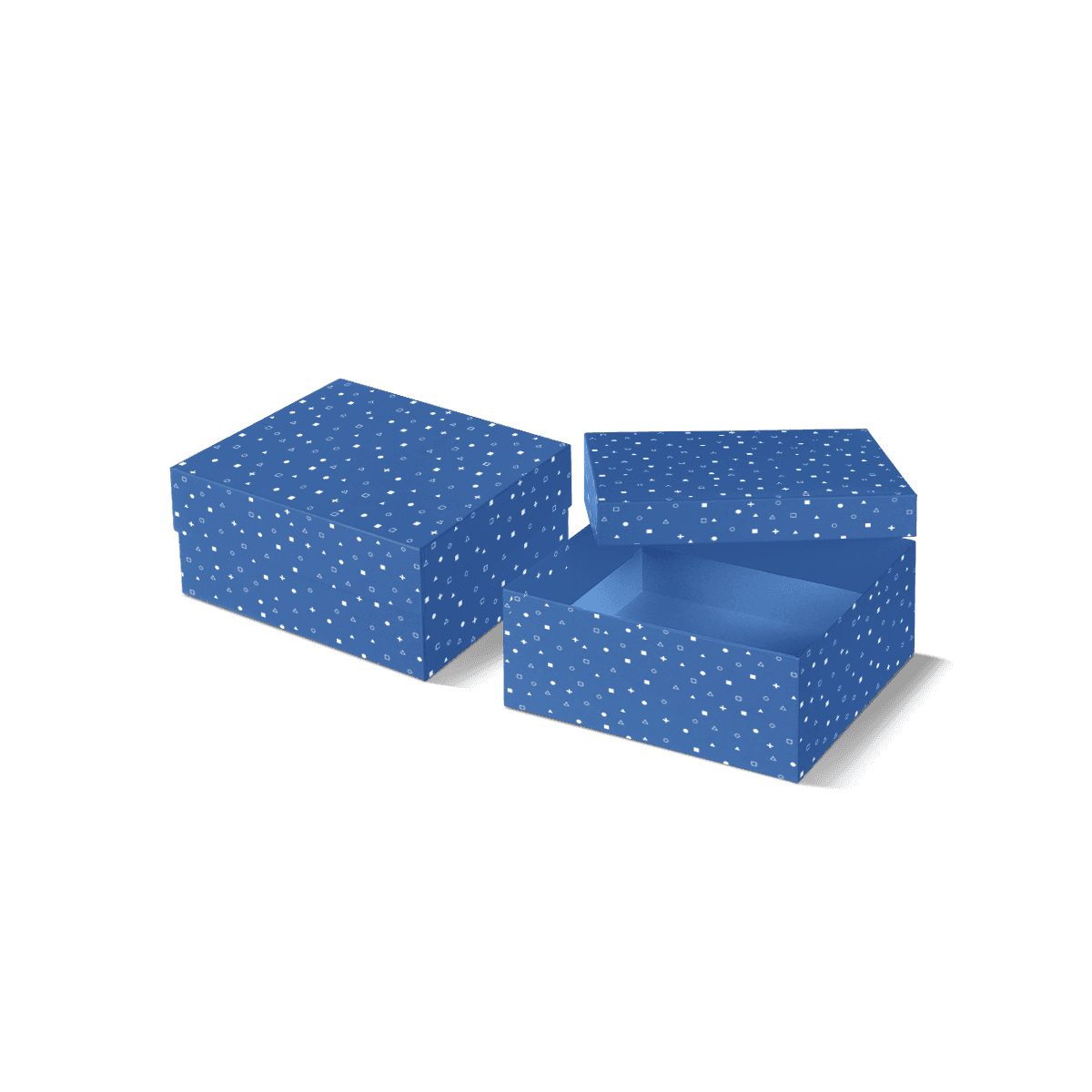
A rigid lid and base box works well when the recipient should remove the lid completely and see the product from above. It is simple, familiar and strong for awards, premium retail pieces and keepsakes where the item needs to sit clearly in an open base.

The lid fit matters. Too loose and the movement feels uncontrolled. Too tight and the recipient has to fight the box before reaching the product.

Hinged for a Directed Reveal

A book style rigid box keeps the lid attached and directs the eye towards the interior as it opens. This can work well when an inside-lid message, certificate pocket or restrained brand statement is part of the presentation.

Hinged movement also keeps the box visually together during handover, which can suit launch pieces, presentation samples and items intended to stay in their original case.

Raised Shoulders for Framing

Shoulder neck rigid boxes create a visible inner edge between the lid and base. That extra line can frame the product before it is fully exposed and can make a relatively simple exterior feel more considered.

Use the detail because it supports the reveal, not because the structure looks more elaborate on a rendering.

Set the Presentation Depth

The vertical position of the product is easy to underestimate. A presentation box can have the correct length and width and still feel wrong because the item sits too low or too close to the lid.

Do Not Bury the Product

If the product sits deep below the top edge, the recipient looks into a cavity rather than at the item. Raising it with a fitted platform or shaped insert can improve visibility and make removal easier.

The correct height depends on product shape. A flat medal, slim watch or card-led keepsake needs a different lift from a bottle, trophy component or sculptural object.

Leave Safe Lid Clearance

A raised item still needs enough headroom. High points such as watch crowns, bottle caps, jewellery settings or raised decorative surfaces should not touch the lid when the box closes.

Clearance becomes even more important when the inside lid carries print or a separate card. The visual layers need to remain distinct rather than pressing into one another.

Let Empty Space Work

Presentation packaging often becomes weaker when every unused area is filled with tissue, ribbons, extra cards or decorative pieces. Formal presentation usually benefits from editing.

The custom luxury packaging approach is useful here because premium effect can come from proportion, surface and physical movement rather than adding more components. A restrained box with one focal item and a clean insert can feel more deliberate than a larger box filled simply to create volume.

The same principle applies to artwork. The thinking behind packaging design that feels premium is especially relevant when the product itself should command attention. One finish, one confident colour or one well-positioned mark can be enough.

Make the Insert Disappear Visually

The best insert performs an important physical job without competing with the product.

Hide the Support Below the Sightline

A presentation insert should support the item without becoming part of the visual competition. Reinforcement can sit beneath the visible tray or platform so the surface around the focal product stays clean.

Heavier items may still need stronger hidden support to prevent sagging or tilt, but the recipient should mainly see the product and the deliberate space around it.

Plan the Removal Gesture

The product should come out cleanly. Finger access, ribbon lifts or exposed grip areas can prevent the recipient from prising at an edge or turning the whole box upside down.

This is one of the details that separates a good rendering from a good physical experience. A cavity can look precise on screen and still be frustrating if there is nowhere to place a finger.

Protect the Surfaces That Matter

Presentation boxes are often handled closely, photographed and kept. That makes surface damage more visible than it would be on routine transit packaging.

Matte wraps, dark papers and soft-touch surfaces can show rubbing, edge wear or fingerprints differently from brighter coated finishes. Finishing should therefore be chosen around handling as well as appearance.

For boxes moving through courier networks, protect the presentation piece rather than expecting it to behave like the shipping carton. Shipping boxes are made around transit strength, stacking and impact resistance, while presentation packaging is usually better protected inside an outer carton.

When product weight, storage and delivery start pulling the specification in different directions, choosing between the main packaging box types comes down to those practical trade-offs. The important point here is simple: do not sacrifice the handover finish by asking the presentation box to perform a job it was not chosen for.

Know When Rigid Is Too Much

Presentation does not automatically require the heaviest or most elaborate structure.

A premium folding carton can be the better answer for a lighter product, larger quantity or short-lived campaign where fast packing and efficient storage matter more than keepsake value. Rigid boxes earn their place when physical substance, controlled opening and long-term presentation add real value.

The same boundary applies inside this gifting area. Use corporate gift boxes when the main problem is a business gifting programme, recipient tiers or repeat campaign distribution. Use Gift Set Boxes when several products need a composed internal layout. Choose presentation boxes when one focal item or formal handover needs the packaging to create a deliberate stage around it.

This distinction keeps the packaging purposeful. More structure is only better when it improves the moment the recipient actually experiences.

Approve the Physical Reveal

A free 3D mockup can confirm proportion, artwork placement, opening direction and how the product appears within the box. It is useful for checking the visual idea before production, especially when the inside lid and insert form part of the presentation.

A mockup cannot prove lid friction, hinge resistance, shoulder alignment, product removal or real surface feel. For an exact-fit rigid box, unusual insert depth or an important ceremonial handover, a custom physical sample can be worth arranging before the full run.

The sequence in designing packaging from product to production is relevant here: product dimensions and structure should be settled before artwork is treated as final. Presentation packaging is unforgiving when the artwork looks right but the physical movement feels wrong.

Describe the Handover Moment

The clearest presentation-box brief describes the experience before it describes decoration.

Tell Custom Packly what the recipient should see first, how the lid should move and how the product should sit when the box is fully open. Then add the real product dimensions and weight, any raised or fragile areas, the quantity and whether the box will be handed over directly or protected inside another carton.

Use the custom packaging quote with a photo or dimensions of the focal item, the preferred opening movement and the intended handover. If you already have a reference box, describe what you want to keep or change about its lid movement, product height or removal feel.

FAQs

Rigid constructions are usually the best starting point because they hold shape well and support a cleaner reveal. Lid-and-base boxes suit formal gifting and easier stacking, magnetic closure styles add a more polished opening and drawer boxes work well when the item should be revealed in stages. The right choice depends on weight, insert needs and how the box will be handed over.

No, but inserts make a major difference when the contents must stay centred or when the box holds a single high-value item. They stop movement, improve the visual layout and help the item feel intentionally placed rather than dropped into a cavity. For flat documents or evenly sized pieces, a well-sized box may be enough without extra fitments.

Presentation boxes are usually better when the goal is a more formal reveal, stronger item focus and a cleaner outer appearance. Gift set boxes work well when several products need to sit together as a broader bundle. If the contents are limited and the moment of opening matters more than quantity, presentation boxes tend to create the sharper result.

Most presentation boxes work better with restrained branding than full-surface graphics. A logo position, subtle foil detail, inside-lid message or colour-matched wrap can often do more than heavy artwork on every panel. This is especially true for corporate and hospitality gifting where the box should feel composed and lasting rather than overly promotional.

Start with the exact dimensions and weight of the item, then confirm whether it needs an insert, card holder, ribbon pull or layered reveal. It also helps to decide where the box will be used, such as a desk handover, room placement or event-stage presentation, because display conditions affect structure, finish choice and handling requirements.

Process

How it works

Your Packaging Journey, From Idea to Production and Delivery

01

Tell Us Your Specs

Custom packaging boxes

Tell Us Your Specs

Provide size, quantity, printing, and finishes.

02

Get a Fast Quote

Custom packaging boxes

Get a Fast Quote

Instant transparent pricing, no hidden fees.

03

Design and Approval

Custom packaging boxes

Design and Approval

Artwork checks, revisions, and final sign-off.

04

Produce

Custom packaging boxes

Produce

Expert manufacturing to meet deadlines.

05

Ship to Your Door

Custom packaging boxes

Ship to Your Door

Hassle-free, flexible delivery options.

Get Your Quote for Custom Presentation Boxes

Share your product details, dimensions, quantity and artwork needs. We’ll help choose the right packaging style and send a clear quote.