Skip to content
Details

Custom Magnetic Closure Rigid Boxes

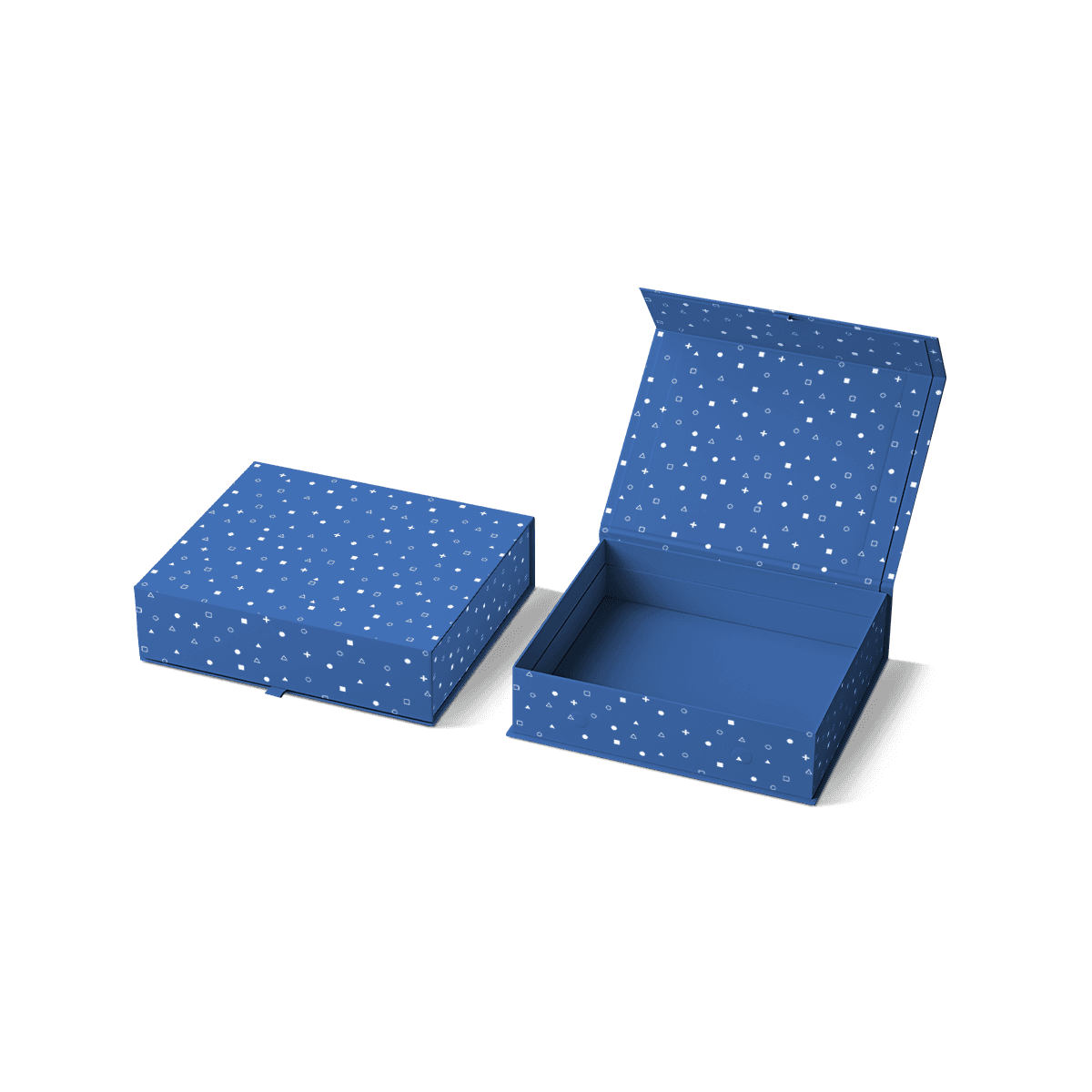
Magnetic closure rigid boxes combine premium presentation with secure closure, making them a strong choice for gifting, luxury retail and elevated product launches where unboxing matters as much as protection.

Make the Closure Feel Intentional

A magnetic box succeeds or fails in the last few millimetres of closing. The lid can look immaculate when open, but if the front flap lands slightly high, one corner lifts or the magnets pull unevenly, the whole presentation feels less precise.

Custom Magnetic Closure Rigid Boxes should therefore be specified around the closing action, not just the outer dimensions. The tray, hinge, front flap, concealed magnets and insert all affect whether the lid settles squarely and reopens without excessive resistance. This is the main reason to choose the style: it gives a reusable, self-contained close with a clean front face and a controlled reveal.

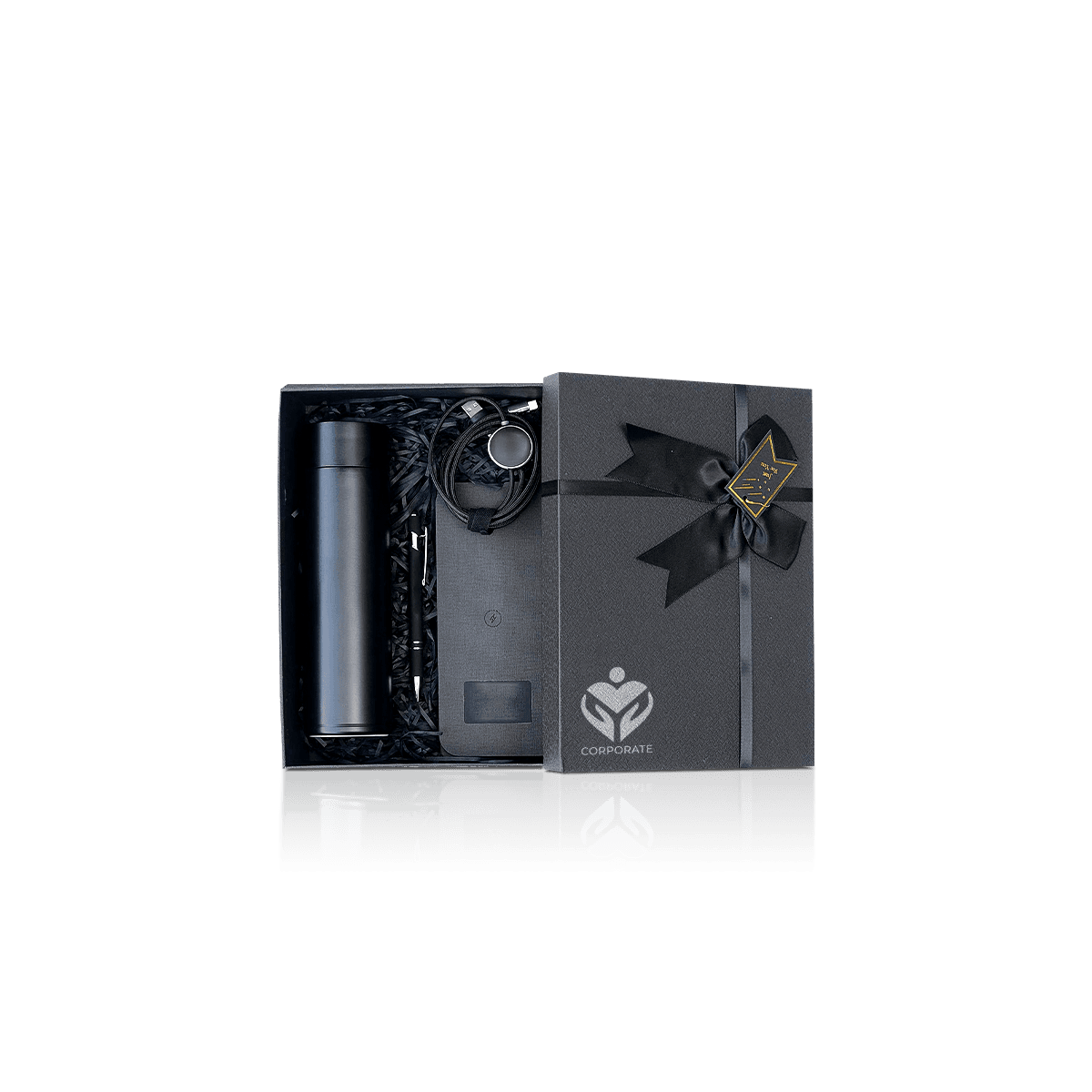
That makes it particularly useful for fragrance, skincare sets, jewellery, technology accessories and corporate gifts where the box may be opened several times rather than discarded after one use. For products that only need a substantial presentation shell, a simpler rigid style may be enough.

Closing Resistance Matters

A stronger magnetic pull is not automatically better. The lid should stay shut during normal handling but still open naturally with one hand. Too much resistance can make a small box awkward. Too little can leave the flap feeling loose.

The useful test is practical: close the box from both corners, lift it from the base and reopen it repeatedly. The front edge should sit evenly, the lid should not twist and the insert should not push upward against the closure.
Engineer the Front Flap

The magnetic flap is what separates this style from a basic attached-lid box. Concealed magnets are positioned inside the closing flap and the front wall so the hardware disappears beneath the wrap or lining.

Keep the Flap Proportional

A deep front flap gives more area for the closure and can make the shut line feel deliberate, but it also changes the visual balance of the front face. A very shallow flap can look cleaner yet gives less room to distribute magnetic points across a wide lid.

Wide boxes need particular attention. If the closing force is concentrated near the centre, the outer corners can lift. The aim is even contact across the front edge rather than simply adding stronger magnets.

Separate Hinge From Closure

The hinge controls the lid movement. The magnets control the final close. Treating them as one problem can lead to the wrong correction.

If the lid resists opening before the magnets release, the hinge geometry may need attention. If the lid opens normally but one front corner sits proud when closed, alignment is the more likely issue. An experienced packaging team can work through the dieline, wrapped surfaces, insert depth and closing behaviour as one specification rather than correcting each detail after artwork has been prepared.

For a box that needs an attached lid but not the magnetic front flap, Hinged Lid Rigid Boxes keep the lid connected while giving the front edge a simpler treatment.

Leave Room Above the Insert

One of the easiest ways to spoil a magnetic close is to let the product or insert sit too high. A bottle cap, watch cushion, folded garment or literature card can project into the lid space and create upward pressure even when the outer dimensions appear correct.

Set Product Height First

Measure the product in its finished presentation position, including caps, pumps, sleeves, tissue, accessories and any raised insert platform. Then allow the lid to close without compressing the contents or forcing the front flap out of alignment.

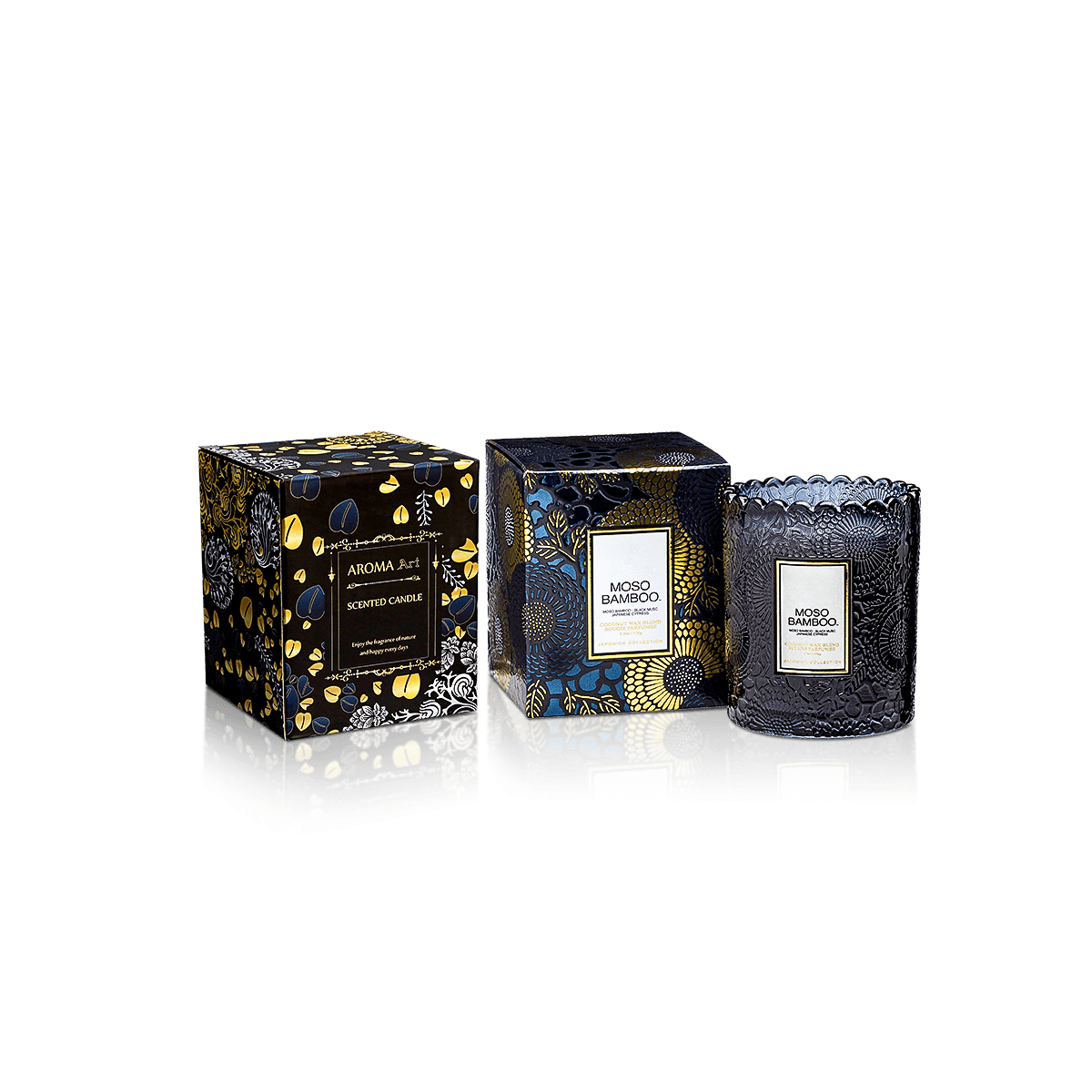
For dense items such as fragrance bottles or glass skincare jars, the insert should control movement without turning the lid into part of the restraint system. Custom Cosmetic Packaging often needs this extra attention because a small glass product can be heavy relative to the box footprint.

Plan the Reveal Line

Insert height also changes how the product is seen when the lid opens. A shallow well can make a compact item look lost. An over-raised platform can make the product feel unstable and interfere with closing.

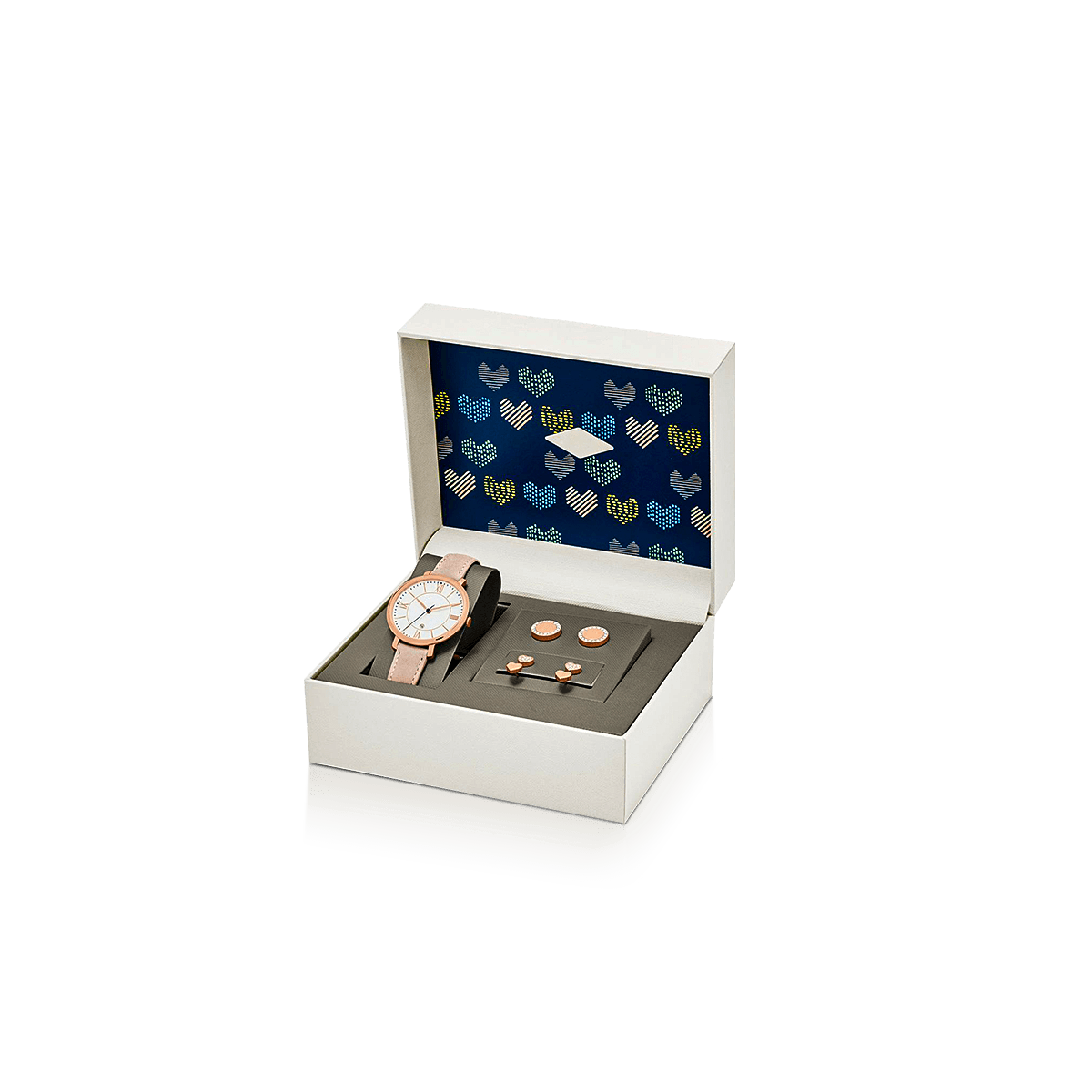
The stronger approach is to set the presentation height deliberately, then size the outer box around that decision. For jewellery and watches, Jewellery and Accessories requirements may also involve cushions, tabs or smaller compartments that need to stay visually centred after repeated opening.

Choose Fixed or Collapsible

Traditional magnetic rigid boxes are normally supplied assembled. That gives the box immediate stiffness and a consistent shape, but it also means empty units occupy real warehouse and delivery volume.

If several thousand boxes are being stored before filling, that space can become a commercial issue rather than a packaging detail.

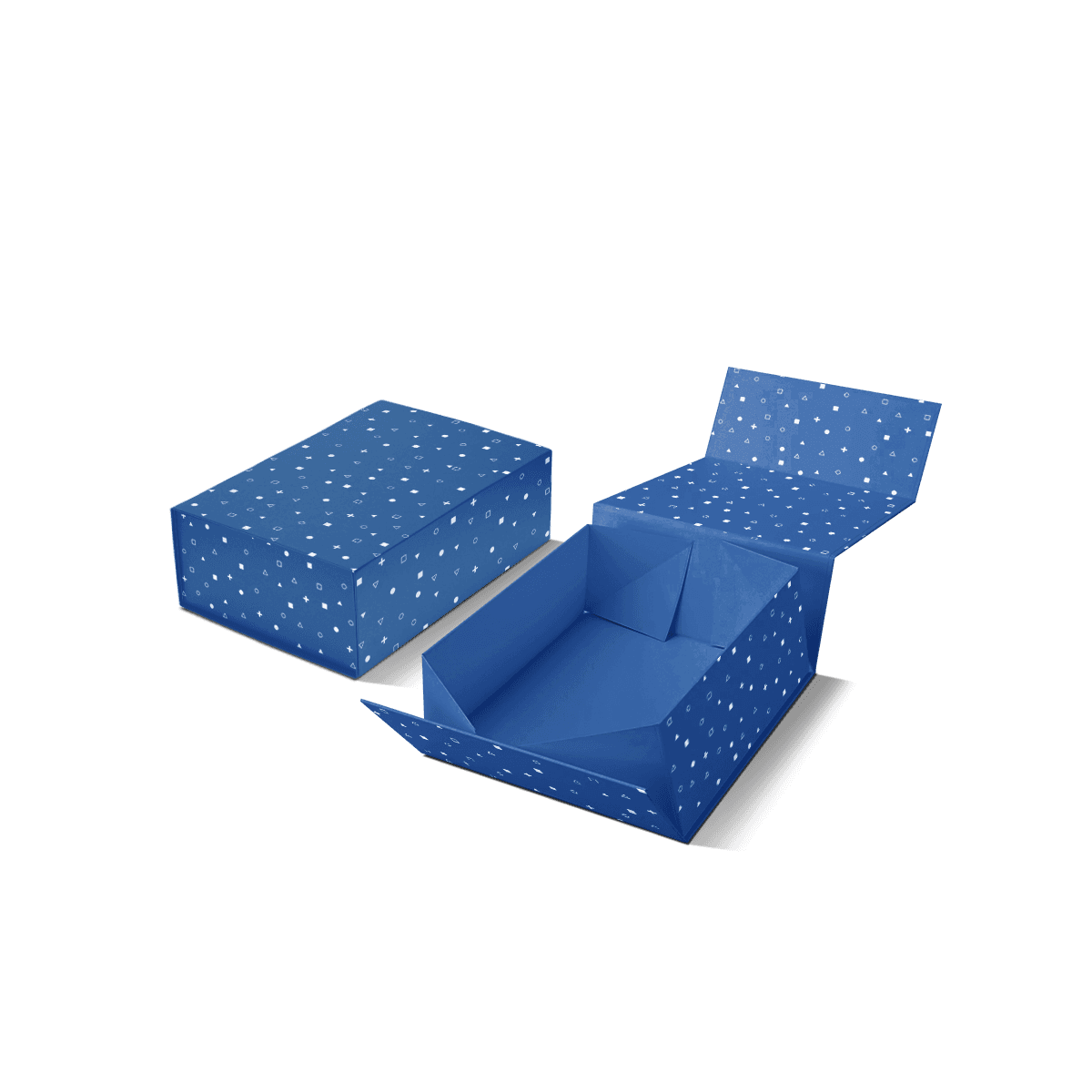
A fixed magnetic box makes sense when presentation consistency, immediate pack-out and a solid hand feel matter more than flat storage. Collapsible Rigid Boxes are more practical when reducing empty-box volume is the priority, but the folding panels, adhesive areas and final setup introduce different quality checks.

Custom Packly supports runs from 100 boxes, so a launch does not need to commit to an oversized first order simply to access this style. For larger repeat programmes, warehousing and scheduled deliveries can also help keep assembled stock from taking over the packing area.

A useful decision rule is simple: if the box will be packed soon after arrival and space is manageable, fixed rigid construction keeps the process straightforward. If empty-box storage is already a constraint, compare the collapsible alternative before approving the structure.

Print Across Moving Panels

Magnetic boxes create artwork opportunities that ordinary cartons do not. The outer lid, front flap, inner lid and tray can work as separate visual stages, but each stage must respect the physical movement of the box.

Keep Detail Off the Hinge

Fine logos, small text and tightly aligned patterns should not sit directly across the hinge unless the artwork has been developed for that movement. Wrapped paper bends every time the box opens, and a design that looks continuous on screen may feel interrupted once the lid is used.

The same applies to artwork near wrapped corners. The packaging design workflow is most reliable when the structure and dieline are fixed before final graphics are positioned. Custom Packly provides free 3D mockups, which are useful for checking logo orientation, flap artwork and what becomes visible as the lid opens.

Use Finish Where Fingers Land

Foil, embossing, debossing, spot UV and soft-touch effects can all suit magnetic rigid packaging, but the touch points matter. A heavily handled front flap may show wear sooner than a protected lid centre. Dark soft-touch surfaces can also reveal handling marks more readily than lighter or more textured papers.

Premium offset printing is useful when artwork depends on fine detail, large solid colour areas or controlled brand colour. The choice between print methods should still follow run size and artwork needs, as explained in digital vs offset printing for packaging. The available printing and finish choices can then be narrowed around the actual box rather than added as a finish checklist.

Do Not Pay for Unused Closure

Magnetic closure is a premium option, but it is not automatically the best rigid structure.

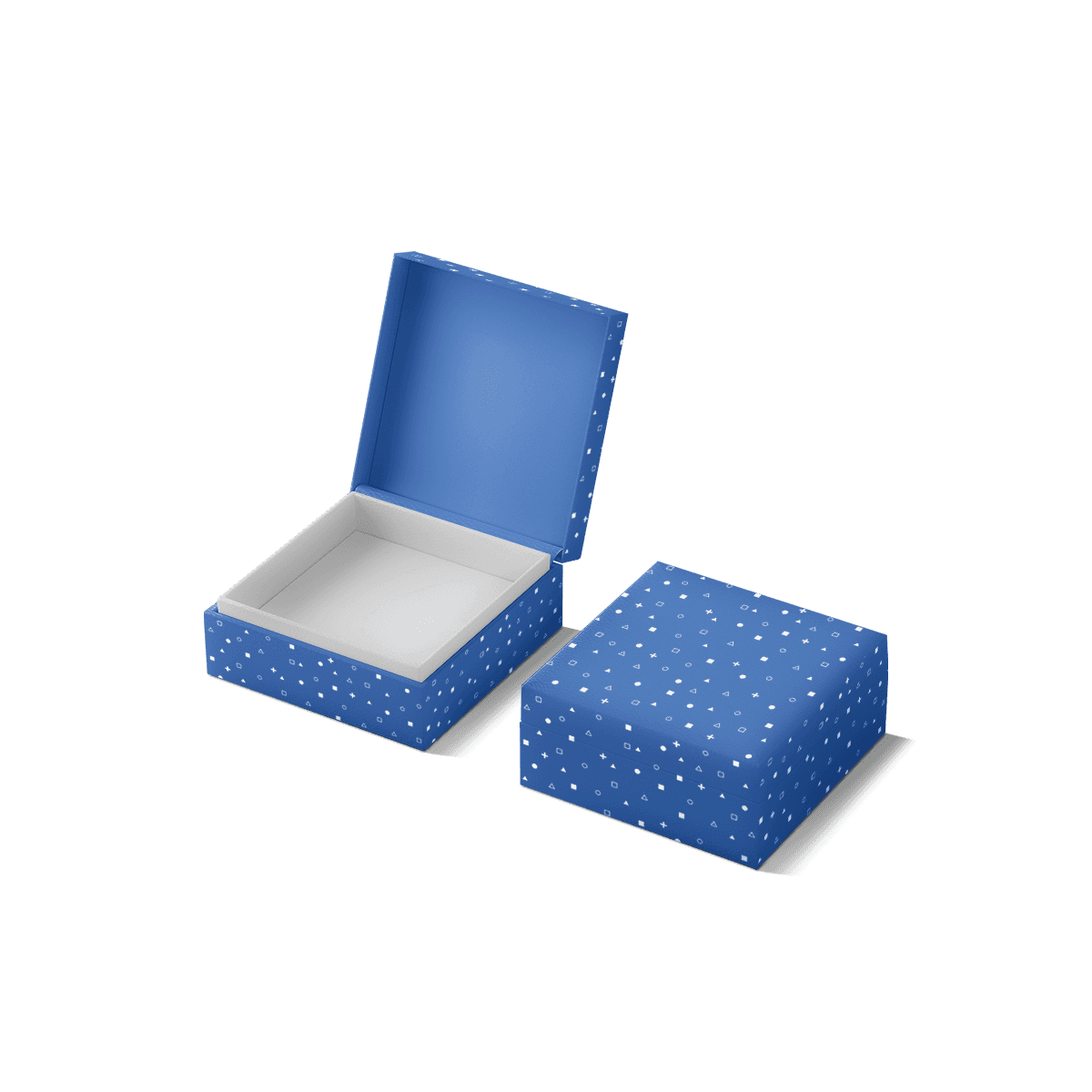
Choose Rigid Lid and Base Boxes when a removable top, full access from above or a deep product cavity makes more sense than a hinged front flap. That can be especially useful for layered apparel, deep gift sets or products loaded quickly from above.

Choose a plain hinged-lid style when keeping lid and base connected matters but the magnetic front closure adds no useful function. Choose collapsible rigid packaging when assembled storage volume is the problem to solve.

Magnetic closure earns its extra complexity when repeated opening, a positive shut feel and a clean self-contained presentation are part of the product experience. It is less persuasive when the recipient opens the box once, the product is low value, the box must be extremely deep or the packaging is expected to act as its own courier shipper.

Within the Rigid Boxes options, the broader choice between paperboard, corrugated and rigid packaging is covered in paperboard vs corrugated vs rigid packaging. A magnetic box should be chosen because rigid presentation has already earned its place.

Protect the Presentation in Transit

Concealed magnets keep the lid closed in normal handling. They should not be treated as a substitute for transit protection.

A finished magnetic box has wrapped corners, exposed presentation surfaces and a closing edge that can be marked by abrasion or impact. If the product is being sent through a courier network, use an outer shipping carton or mailer sized to protect the presentation box and control movement.

This matters even more with foil, dark wraps or soft-touch surfaces. The rigid shell may protect the product well, yet the surface the customer sees can still arrive scuffed if it rubs against a larger outer carton.

For gift campaigns and premium launches, think about the whole handling chain: where empty boxes are stored, who fills them, how the finished units are stacked, whether they travel individually or in master cartons and how the recipient removes the presentation box at the other end.

Custom Packly works as a full-service packaging partner from sizing and dielines through artwork, inserts, printing, production, delivery and repeat supply. That joined-up approach is useful here because closure quality can be affected by decisions made at several different stages rather than by the magnets alone.

Approve the Closing Action

A screen proof can confirm artwork. A 3D mockup can show panel balance, flap graphics and the open-lid reveal. Neither can fully reproduce how the physical lid settles, how the insert supports the product or how the magnetic close feels in the hand.

For a new size, unusual product weight or complex insert, use a physical sample to assess the features that matter mechanically. Check the shut line, lid travel, corner alignment, product clearance and how easily the recipient can reopen the box. Free samples are available, and the team can also support dieline and artwork preparation before production.

The Dieline Generator is useful for establishing dimensions and artwork geometry, but magnetic rigid packaging still benefits from a final structural review because wrap thickness, rigid material and insert placement all affect the finished fit.

Custom Packly provides guaranteed 4–6 working day production and delivery. For time-sensitive launches, keeping the closure specification settled before the final artwork is released also reduces unnecessary revisions during the production process.

Brief the Closing Experience

The most useful enquiry explains how the finished box should behave, not merely what it should measure.

Tell us what sits inside, how high it should be presented, whether the contents need a fitted insert, how often the box is likely to be reopened and whether the finished unit will be handed over in person or protected inside an outer shipper. If the inner lid carries a message or the front flap has a logo that must align precisely when closed, include that too.

For projects still deciding how much of the experience should come from the structure versus print and finish, Custom Luxury Packaging shows where rigid presentation, inserts and selective finishing can work together without adding unnecessary complexity.

Use the custom packaging quote when you are ready to price the specification. Instant pricing and 24/7 packaging support make it possible to start with the closing behaviour you want, then resolve the dimensions, insert and surface treatment around it.

FAQs

They suit products where presentation carries real commercial weight. Typical uses include fragrance sets, premium skincare, accessories, apparel gifting, tech presentation packs and corporate welcome kits. The structure feels substantial in hand and the magnetic flap adds a more considered opening experience. If the product is lightweight but high value, this box style often helps the packaging match the perceived quality of what sits inside.

Start with product dimensions, finished pack orientation and how the product will sit inside the box. Then confirm insert requirements, desired board weight, closure direction and whether the pack must survive courier handling inside an outer shipper. It also helps to decide early if you want the box to serve as retail presentation, gifting packaging or both, because that affects depth, finish choices and internal layout.

Neither format is universally better. Magnetic closure rigid boxes are stronger when you want a hinged opening, a more controlled reveal and a pack that feels self-contained. Rigid lid and base boxes work well when you want a simpler two-piece structure with easier packing access. If your priority is premium opening theatre, choose magnetic closure. If you prefer straightforward presentation and fast product loading, lid and base may be the better fit.

This style takes premium finishes very well because the rigid surface stays smooth and stable. Matte lamination, soft-touch, foil stamping, embossing and spot UV all perform strongly when used with restraint. A common mistake is combining too many effects on one pack. Most buyers get a better result by choosing one dominant finish, one supporting texture and clear logo placement so the structure and graphics work together.

Yes. They are often built with paperboard wraps over rigid board and can include die cut cardboard inserts, folded platforms or partition layouts depending on the product. That makes them useful for sets, gift bundles and fragile premium items that need controlled placement. Buyers should still check how much support the product needs, because heavier items may require a more engineered insert and an outer transit carton for delivery protection.

Process

How it works

Your Packaging Journey, From Idea to Production and Delivery

01

Tell Us Your Specs

Custom packaging boxes

Tell Us Your Specs

Provide size, quantity, printing, and finishes.

02

Get a Fast Quote

Custom packaging boxes

Get a Fast Quote

Instant transparent pricing, no hidden fees.

03

Design and Approval

Custom packaging boxes

Design and Approval

Artwork checks, revisions, and final sign-off.

04

Produce

Custom packaging boxes

Produce

Expert manufacturing to meet deadlines.

05

Ship to Your Door

Custom packaging boxes

Ship to Your Door

Hassle-free, flexible delivery options.

Get Your Quote for Custom Magnetic Closure Rigid Boxes

Share your product details, dimensions, quantity and artwork needs. We’ll help choose the right packaging style and send a clear quote.