Skip to content
Details

Custom Collapsible Rigid Boxes

Collapsible rigid boxes give premium presentation with flatter storage and smarter fulfilment, making them a strong choice for gift, retail and launch packs that need luxury impact without fixed-box warehousing. Custom Packly can tailor size, inserts and finishes around product fit.

Storage Is the Reason to Choose It

The commercial case for a collapsible rigid box starts before a product goes inside. Fully assembled rigid boxes consume warehouse and fulfilment space even when they are empty. A fold-flat version reduces that problem by arriving compact, then taking its final rigid shape at the packing stage.

Custom Collapsible Rigid Boxes are most useful when presentation still matters but empty-box volume has become operationally awkward. Seasonal gifting, apparel launches, PR kits, subscription campaigns and larger repeat orders can all benefit because stock stays flatter until it is actually needed.

This is not simply a rigid box with a clever fold. The structure introduces hinges, locking walls and an assembly step that fixed rigid boxes do not have. The right decision is therefore a trade-off between storage efficiency and packing effort.

The wider Rigid Boxes options are worth comparing when storage is not a real constraint. If space is plentiful and every box needs to arrive ready to fill, a fixed structure may be simpler.

Use Flat Storage Where It Matters

The advantage grows with box footprint and quantity. A wide apparel box or corporate gift box can occupy substantial space when thousands arrive already erected. A very small presentation box may save so little room that the extra folding mechanism is harder to justify.

Think in pallets, shelves and packing stations rather than only unit price. The relevant question is how much empty packaging must sit on site before it is filled.

The principles in custom packaging cost mistakes apply directly here because storage and packing labour can matter as much as the price printed on the box quotation.

Assembly Is the Trade-Off

Flat storage only creates value if the box can be erected quickly and consistently. If every packer has to wrestle the walls into shape, align loose corners or correct a twisted lid, the warehouse saving can move into labour instead.

A good collapsible design should make the folding sequence obvious. Side walls rise, corner sections locate cleanly and the finished box should become square without repeated adjustment.

Choose Reversible or Permanent

Collapsible walls can be held in their erected position in different ways. Concealed magnets can allow the box to be folded down again, which is useful when reusability or later storage matters. Pre-applied adhesive areas can create a firmer permanent setup after first assembly when the customer does not need to collapse the box again.

Neither route is automatically better. A reversible structure adds value only if somebody is likely to use that feature. A permanent setup can be the more practical choice when boxes are assembled once at a fulfilment centre and then remain rigid for the rest of their life.

If a magnetic front flap and the closing action itself are the main experience rather than flat storage, Magnetic Closure Rigid Boxes deserve their own specification instead.

Square the Corners

A collapsible box can look premium from above yet still feel wrong if one wall leans or the front edge sits out of square. Corner location therefore matters more than it does on a fixed tray whose corners have already been formed in production.

Test the actual assembly method with the people who will pack the product. They should be able to produce the same shape repeatedly without specialised tools or excessive force. Free samples are useful here because the important question is not simply appearance. It is whether the packing team can erect the structure consistently.

Brace It After Setup

The insert can do more than organise the product. In a collapsible rigid box, a well-fitted internal platform can also help the erected walls stay aligned once the box is loaded.

That does not mean forcing an insert into every project. It means recognising that the interior becomes part of the finished structural system when panels have folding joints instead of permanently fixed corners.

Let the Insert Stabilise

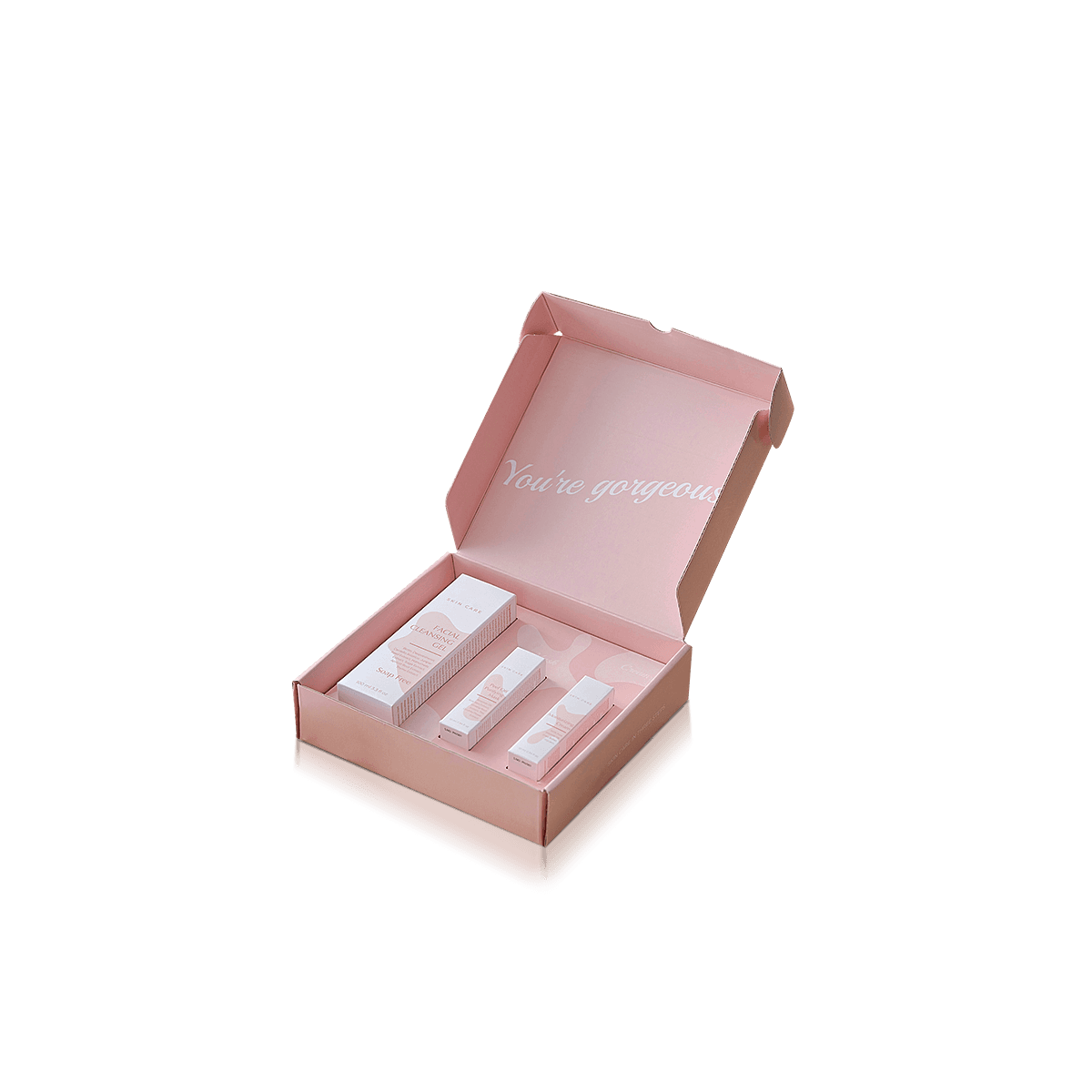
For gift sets, cosmetics and accessories, inserts and dividers can control product movement while also giving the inside of the box a cleaner finished shape.

The insert should drop into the fully erected box without forcing the walls outward. If it is oversized, the sides can bow. If it is too loose, it does little to stabilise either the product or the box.

Plan the cavity around the packed product, including tissue, bottles, accessories and any literature that changes the final height. Then test the insert inside the erected structure rather than approving it as an isolated flat component.

Watch Wide Panels

Large shallow boxes are attractive for folded garments and multi-item gifts, but long wall spans can expose any weakness in the setup. Product weight should sit where the base and insert can support it rather than relying on a large unsupported panel.

This is one reason Custom Apparel Boxes can suit collapsible rigid construction particularly well: garments often need a wide presentation area without the concentrated weight of glass bottles or dense hardware.

Artwork Must Respect Folding Joints

The same wrapped surfaces that allow a collapsible box to fold also create moving lines that artwork must respect. Logos, small text, foil borders and embossed details can look precise when the box is flat yet distort when those panels are folded repeatedly.

Premium offset printing can still produce strong colour and fine detail on collapsible rigid packaging. The difference is that panel movement has to be considered before artwork is finalised.

Respect the Fold Lines

Important graphics should normally stay within stable panel areas rather than crossing the flexible joints. Foil and raised finishes need particular care because the fold line is mechanically active.

The principles in packaging dielines and artwork setup are useful here. The artwork should follow the actual folding geometry, not a simplified rectangle representing the finished lid.

Review Flat and Erect

A collapsible box has two visually important states. The packer sees it flat. The customer sees it assembled.

Review both before production. A free 3D mockup helps check the final appearance, logo orientation and panel relationships, while a physical sample is more useful for judging hinge behaviour and assembly sequence.

The available printing and finishing options can then be narrowed around surfaces that stay stable during folding rather than applied everywhere simply because the box supports them.

Use It for Volume Spikes

Collapsible rigid packaging becomes particularly useful when stock levels rise sharply for a campaign and then fall again.

Christmas gifting, product launches, event kits and influencer mailouts can require a large quantity of premium boxes to arrive before the packing window starts. Storing those boxes flat keeps more of the working area available for the products, inserts and finished orders.

For Corporate Gift Boxes, the format can work well when gift sets are assembled in batches for multiple clients, offices or event dates. The outer presentation stays substantial without requiring every empty unit to occupy its finished volume weeks in advance.

The same logic applies to E-commerce and Subscription operations where promotional runs or limited editions sit alongside regular fulfilment stock.

MOQ starts from 100 boxes, so the structure can also be tested on a smaller launch before it becomes part of a larger repeat programme.

Count Packing Time Too

Saving warehouse space does not automatically mean saving money. Every collapsible box has to be erected before filling, so packing speed needs to be part of the commercial decision.

A structure that takes only a short, repeatable setup step can work well in batch packing. A complicated folding sequence with several tabs, release liners or alignment points can slow the line and create inconsistent results.

Time the Real Sequence

Do not time an empty demonstration box in isolation. Time the full operation: unfold, lock the walls, insert the fitment, load the products, add literature or tissue and close the box.

That gives a much better picture of whether the fold-flat advantage survives contact with the real fulfilment process.

For large programmes, Custom Packly can support the structure, sizing, artwork, inserts, production and repeat supply as one connected specification. This matters because an assembly change that looks small on the dieline can affect packing time across thousands of units.

Train Once, Repeat Easily

If several people or an external fulfilment partner will assemble the boxes, the setup should be easy to explain and hard to perform incorrectly. A clear fold sequence matters more than clever engineering.

24/7 packaging support is useful during specification and repeat-order coordination when a campaign involves several packing teams or a fixed dispatch window.

Fixed Rigid Can Be Faster

Collapsible is not an upgrade over every fixed rigid box. It solves one main operational problem: empty-box volume.

Choose Rigid Lid and Base Boxes when fast top loading and immediate ready-to-pack rigidity matter more than storage space. A fixed two-piece box arrives formed and requires no wall setup.

Choose a fixed magnetic box when the clean magnetic closing action matters but flat storage does not. For small volumes, compact boxes or environments where packing labour is expensive, removing the assembly step can be worth more than reducing warehouse volume.

The material decision should also come first. Paperboard, corrugated and rigid packaging solve different jobs. A folding carton may be more efficient if the product does not need rigid presentation at all, while corrugated packaging is normally the stronger starting point when courier protection is the main requirement.

Collapsible rigid construction earns its extra complexity when a business genuinely needs premium presentation and flat incoming stock at the same time.

Ship Flat, Protect Filled

The inbound and outbound journeys are different problems.

Collapsible boxes reduce the volume of empty packaging arriving at your warehouse or fulfilment location. Once erected and filled, however, they become presentation boxes and should be treated accordingly.

A magnetic flap or locked wall does not replace a transit carton. For courier delivery, use a suitable outer mailer or shipping box to protect wrapped corners, printed surfaces and the contents from impact and abrasion.

This is particularly important for Custom Luxury Packaging, where dark wraps, foil or soft-touch surfaces can show scuffs even when the rigid structure itself remains intact.

Right-sizing the outer transit layer also matters. There is little value in saving space on incoming empty boxes and then sending the assembled product inside an unnecessarily oversized shipping carton.

Make Reassembly Intentional

Some collapsible rigid boxes are meant to fold only for supply and warehouse storage. Others are intended to be collapsed and rebuilt by the customer later. Those are different briefs.

If repeat collapse is part of the product experience, the moving joints, locking method and printed surfaces all need to tolerate more handling. The opening sequence should also be obvious without instructions covering the whole inside lid.

If the box is assembled permanently before the customer receives it, optimise instead for packing speed, squareness and presentation after that first setup. There is no benefit in engineering repeated collapse into a package nobody will ever flatten again.

This distinction should be resolved early because it affects closure choice, panel locking and the way the finished box is tested.

Quote the Assembly Method

Pricing this style accurately starts with one operational detail: who will erect the boxes and whether they need to collapse again.

Tell Custom Packly whether the boxes will be assembled by your own team, a fulfilment partner or at another packing location. State whether the walls should lock reversibly or remain fixed after setup, then show the products and insert that will sit inside the erected box.

Those details determine far more than a generic request for a “foldable luxury box”. They influence panel layout, closure choice, assembly sequence, insert fit and the amount of handling the wrap must tolerate.

Guaranteed 4–6 working day production and delivery supports time-sensitive campaigns once the specification is ready. When the assembly route is clear, use the instant packaging quote to price the box around the way it will actually be packed.

FAQs

Yes, they can work for shipping when the pack is specified properly. The box itself gives a more premium and protective feel than many lighter carton options, but buyers should still match the structure to product weight, insert support and outer transit needs. For direct courier movement, many brands use the collapsible rigid box as the presentation pack inside a protective mailer or shipping carton.

This format suits products where presentation matters but storage efficiency also matters before packing. Typical uses include luxury apparel, cosmetics, accessories, candles, curated gift sets and corporate gifting. It is especially useful when the box needs to feel elevated in hand, support premium finishes and still arrive flat for easier warehousing before assembly.

Choose collapsible rigid boxes when storage space, transport efficiency and campaign flexibility matter. Choose Rigid Lid and Base Boxes when you want the box ready to pack immediately and you are prioritising maximum set-up solidity over flat storage. Both formats can look premium, but collapsible boxes usually make more sense for brands balancing luxury presentation with operational practicality.

Buyers should confirm six things early: finished internal size, product weight, insert requirement, closure preference, assembly process and shipping method. It is also worth deciding whether the box must be assembled by your own team or supplied ready for a pack-out partner. Those choices affect the best board build, wrap choice, magnet layout and overall packing speed.

Absolutely. Collapsible rigid boxes are well suited to tailored dimensions, branded prints and luxury finishing touches such as foil, embossing, debossing and soft-touch style coatings. Inserts can also be added for cleaner presentation and better product control inside the box. That makes the format useful for brands that want both a polished reveal and a more disciplined internal product fit.

Process

How it works

Your Packaging Journey, From Idea to Production and Delivery

01

Tell Us Your Specs

Custom packaging boxes

Tell Us Your Specs

Provide size, quantity, printing, and finishes.

02

Get a Fast Quote

Custom packaging boxes

Get a Fast Quote

Instant transparent pricing, no hidden fees.

03

Design and Approval

Custom packaging boxes

Design and Approval

Artwork checks, revisions, and final sign-off.

04

Produce

Custom packaging boxes

Produce

Expert manufacturing to meet deadlines.

05

Ship to Your Door

Custom packaging boxes

Ship to Your Door

Hassle-free, flexible delivery options.

Get Your Quote for Custom Collapsible Rigid Boxes

Share your product details, dimensions, quantity and artwork needs. We’ll help choose the right packaging style and send a clear quote.