Skip to content
Details

Custom Jewellery Box Inserts

Jewellery box inserts control fit, spacing and presentation inside the outer case. They help rings, necklaces, earrings and watches stay secure, look better on opening and arrive with less movement during storage or delivery.

Map Every Contact Point

A jewellery insert can hold a piece firmly and still be wrong if it presses the surface you were trying to protect. The useful starting question is not simply “where should the cavity go?” It is “which parts of this item can safely carry pressure, and which parts need clear space?”

That changes the insert from decoration into a working part of the pack. A ring shank can tolerate a different type of contact from a raised setting. An earring post behaves differently from a polished face. A pendant may need its chain controlled without pulling the clasp into tension. A watch needs support without loading the crown or marking the case.

Custom Jewellery Box Inserts should therefore be planned around safe contact points, vulnerable details and the position the customer should see first. The outer case comes after that internal map, not before it.

For jewellery lines that need several types of outer presentation, Jewellery and Accessories can help separate the case decision from the insert specification.

Control More Than Sideways Drift

An insert has not solved movement just because the jewellery feels snug while the open box sits flat on a desk. The piece can still lift, rotate, tip or strike another surface once the box is carried, stacked or turned.

Sideways Is Only One Axis

Check left-to-right and front-to-back movement, then look at vertical travel and rotation. A shallow recess may stop a pendant sliding but still let it bounce against the lid. A deep slot may stop a ring turning but hide too much of the band.

The aim is controlled movement, not maximum grip. Inserts and Dividers separates the different jobs of shaped inserts, cradles, partitions and other internal supports when the hold problem changes.

Headroom Still Matters

The insert height, jewellery profile and closed-lid depth have to work together. Raised stones, watch crowns, charms and layered pieces need enough headroom to avoid contact above them.

This is also why a generic cavity copied from another product can fail. The footprint may look similar while the centre of gravity, height and vulnerable surfaces are completely different.

Design the Lift-Out

A jewellery insert must release the product cleanly. If the customer has to pinch a stone, pull a chain or force a fingertip into a narrow cavity, the fit is too aggressive even if the piece stayed perfectly still.

Grip Without Trapping

Retention should happen at a stable point. That might mean a slit, tab, folded support, shaped recess or layered cut-out depending on the jewellery and the outer case.

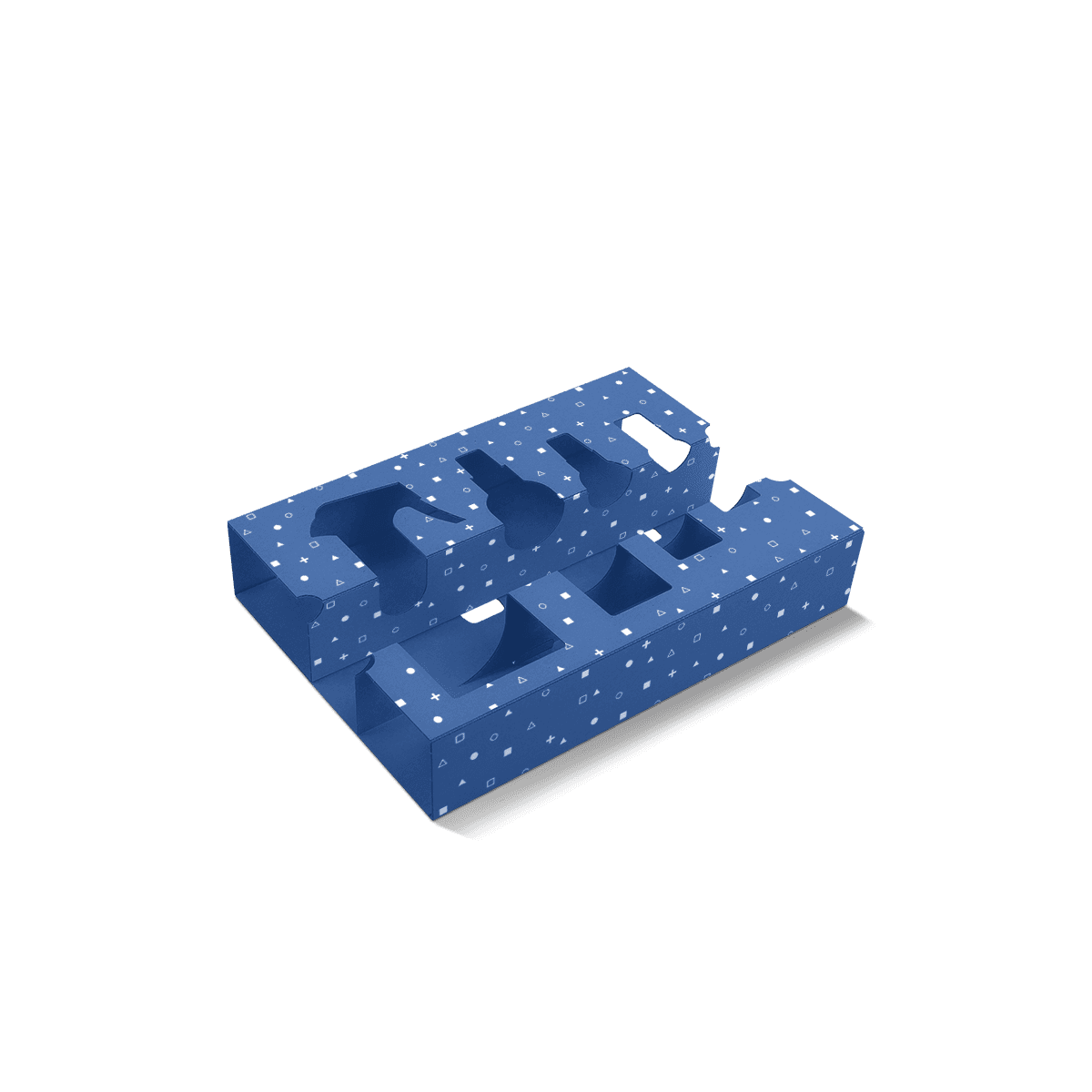
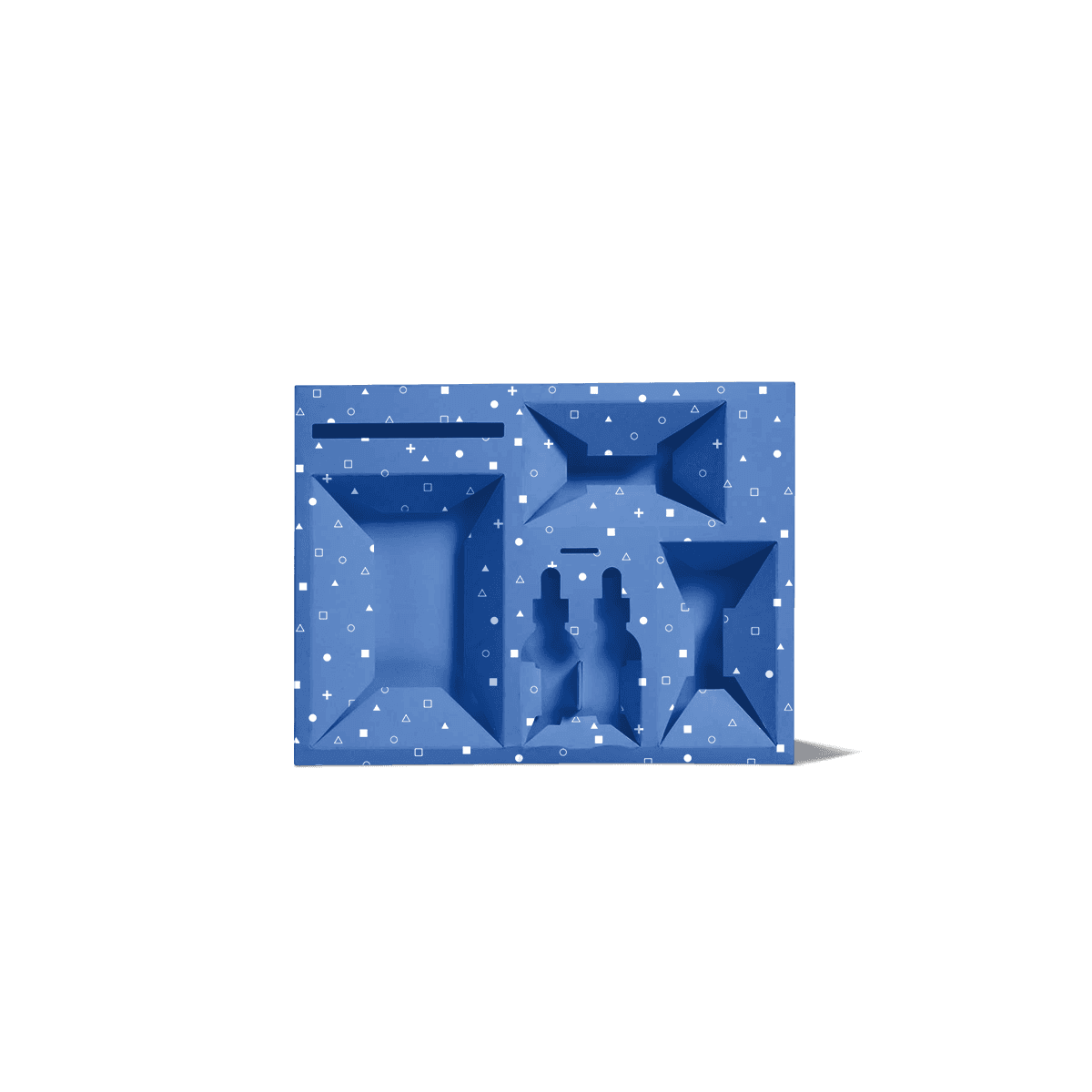
Die Cut Inserts make sense when a defined cavity, removal notch or precise product position is more important than simple separation. The cut geometry should include the real packed profile, not only the product outline seen from above.

Give Fingers Somewhere to Go

A small finger notch, exposed edge or lift point can matter as much as the cavity itself. It should be large enough to use without exposing so much of the product that the insert stops controlling it.

This is one of the easiest details to miss on screen. Free sample examples can help compare physical insert ideas, while a free 3D mockup is useful for checking the visual relationship between the jewellery, exposed insert surface and outer case before production.

Reuse the Case Intelligently

Using one outer jewellery case across several SKUs can simplify branding and stock control, but only if the insert variants do the fitting work properly. The goal is not to force every item into one universal cavity.

Standardise the Outside

A consistent case size can make a jewellery line look coordinated while different inserts handle individual products. That can reduce the number of outer sizes the packing team manages and make repeat ordering easier.

Custom Packly supports unlimited customisation, so insert patterns can change while exterior dimensions, wrap colour and branding stay consistent. MOQ starts from 100 boxes, which can suit a launch where only a small number of insert variants need to be proven first.

Split Incompatible Profiles

Do not standardise past the point where the case becomes too deep, too shallow or visually oversized for part of the line. If one watch or tall setting forces excessive clearance for everything else, a second case depth may be cleaner than a compromise insert.

If the main decision is the compact presentation case itself rather than the internal layout, Custom Ring Boxes focuses on ring-specific lid clearance, band hold and reveal behaviour.

Custom Packly provides guaranteed 4–6 working day production and delivery, which is useful when established insert variants need replenishment without changing the complete case specification.

Choose the Internal Structure

The right jewellery insert depends on weight, surface sensitivity, depth and how the item should be loaded. There is no benefit in making the interior more complicated than the product requires.

Cut Cavities for Defined Positions

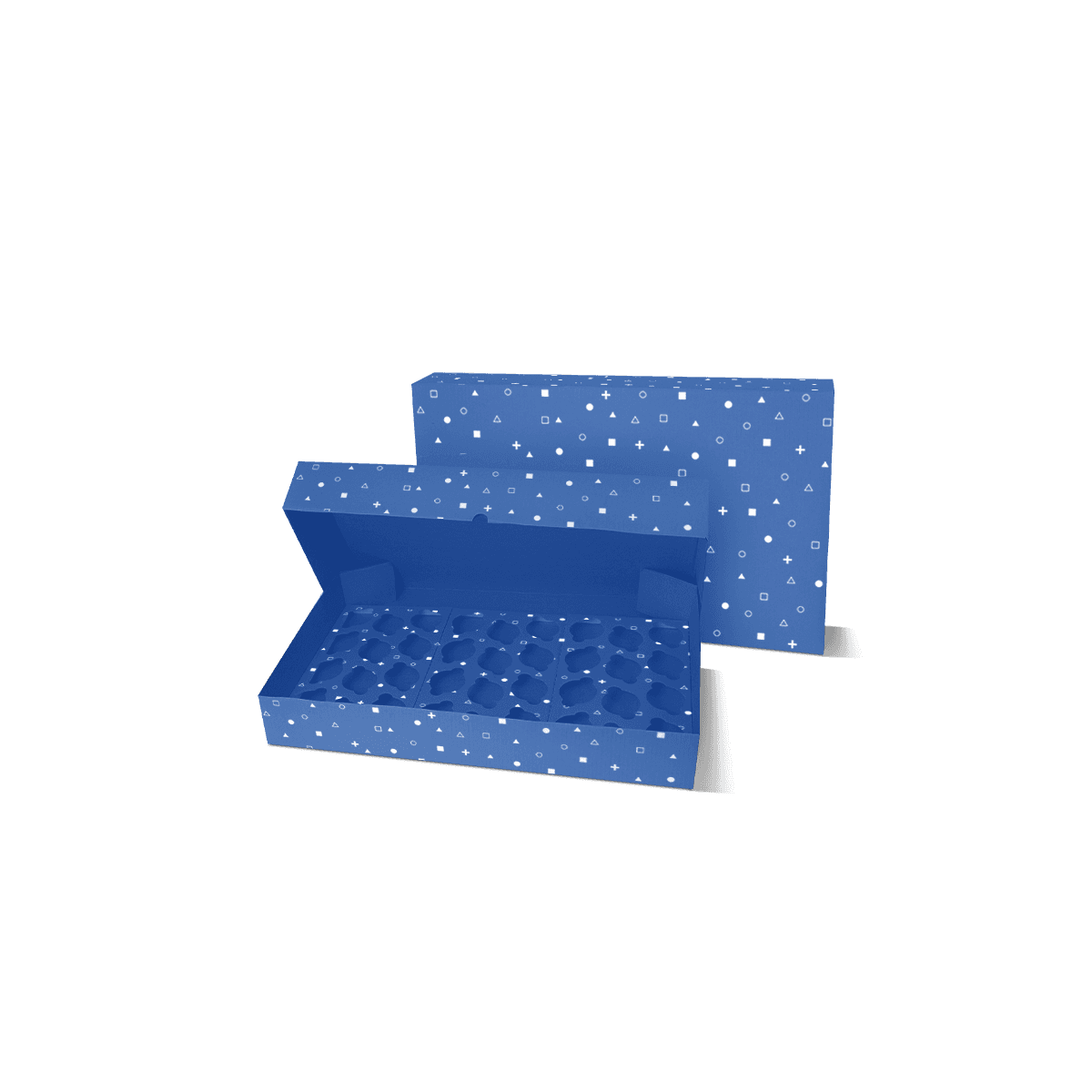
Paperboard can work well for lightweight jewellery when the cut pattern, folds and depth give the item a reliable position. Layered card can create additional depth while keeping the internal presentation clean.

A fitted cavity is especially useful when the product face needs to stay square to the opening or when several pieces must appear in a fixed sequence. Custom Product Packaging follows the same fit-first principle when exact dimensions and product movement determine the packaging around them.

Use Support Where Weight Changes

Heavier watches, dense metal pieces or multi-item sets may need more underside support than a light earring or pendant. The support should carry weight through stable areas rather than concentrate it on a clasp, crown, stone setting or decorative edge.

For a keepsake-style exterior, Rigid Boxes can provide the outer stiffness and presentation weight while the insert handles the product-specific restraint.

Custom Packly's packaging team can coordinate the case, insert, artwork, print and finishes as one job. That one-stop approach matters here because changing insert thickness or product height can alter the internal dimensions of the finished case.

Insert geometry should change with the item. Necklace Boxes need to control chain routing and clasp position, while Watch Boxes need support around a heavier case, strap or bracelet shape.

Use Visible Space Sparingly

The insert often becomes part of the first visual frame around the jewellery, so visible areas should support the product rather than compete with it.

Premium offset printing can carry a controlled colour, pattern or small brand detail across paper-based surfaces. For most jewellery presentation, restraint is stronger than filling every exposed area with print.

Packaging customisation is useful when the insert colour, exterior wrap, foil, embossing or inside print need to work as one visual system. A bright insert can create contrast behind dark metal, while a quieter tone can let stones or polished surfaces carry the focus.

The artwork should also respect cut-outs and folds. The packaging design workflow explains why structural dimensions should be settled before final artwork is treated as finished.

Test the Packing Motion

The insert should work for the person loading the jewellery as well as the person opening it. A beautiful layout can become expensive if every item has to be twisted, threaded or pressed into place by hand.

Time the real sequence: pick up the item, place it, secure any tab or slot, add cards or certificates, close the case and repeat. If one step requires unusual care every time, the insert may need a simpler loading path.

Testing should also include removal and repacking. Jewellery boxes are often reopened, used for storage or handled at retail counters, so an insert that looks good only on the first opening is not enough.

The fragile product packaging decision is useful when the issue is whether internal restraint, outer strength or both are solving the actual risk.

Custom Packly's experienced packaging team can help assess fit, packing sequence and repeat production rather than treating the insert as an isolated accessory. Support is available 24/7 when a product profile or proposed cavity needs another set of eyes.

Give Transit Its Own Layer

Jewellery box inserts control the piece inside the presentation case. They should not be expected to make a delicate presentation box behave like a courier carton.

For ecommerce orders, first secure the jewellery within its case, then protect that finished case for the delivery journey. Jewellery Mailer Boxes can handle the outer transit role when the presentation box needs protection from knocks, scuffs and parcel handling.

This separation prevents a common mistake: strengthening the outer parcel while leaving the jewellery free to move inside the inner case. The reverse can also happen, where the insert is excellent but the presentation box is exposed directly to delivery conditions it was never meant to handle.

If cost is being reviewed across the complete pack, custom packaging cost factors help account for packing labour, storage, excess material and damage rather than looking only at the price of the insert.

Sometimes a Card Is Enough

Not every jewellery item needs a fitted insert. A simple card, pouch or tissue arrangement can be the better choice for lightweight pieces when exact orientation, premium case presentation or transit restraint is not important.

A fitted insert earns its place when it solves a clear problem: the piece rotates, products touch, the reveal needs a defined position, the item must sit at a set height or the packing team needs repeatable placement.

Adding an insert without one of those jobs can increase material, assembly time and box depth without improving the customer experience.

Price the Case and Insert Together

The insert changes the usable internal dimensions of the box, and the box limits what the insert can do. Pricing them as unrelated components can create a false economy if a cavity later needs more depth, a support layer changes the case height or the removal space no longer works.

For a new project, treat the outer case and jewellery insert as one specification. If an existing case must be retained, work from its true internal dimensions and the exact jewellery profile rather than its nominal outside size.

Use the instant packaging quote with the product type, intended position and current case information. That gives the team enough context to price the internal layout around how the jewellery actually needs to sit, instead of adding a generic insert after the box has already been decided.

FAQs

The products that benefit most are usually the ones that move easily or need a precise opening position. Rings, earrings, necklaces, bracelets and watches all gain from fitted inserts because they stop drifting inside the case and help the product look settled straight away. The smaller or more delicate the item, the more valuable that inner control becomes.

They help by reducing internal movement before the parcel even reaches the courier network. A fitted insert keeps the product quieter inside the presentation box, which improves both protection and appearance on arrival. This is especially useful when the outer mailer contains a rigid jewellery case, because the item still needs support inside that inner box.

For many jewellery lines, layered paperboard inserts are more than strong enough when they are specified properly. They work well for rings, earrings, pendants and many bracelet presentations. Heavier watches or thicker keepsake products may need a deeper wrapped support or reinforced inner structure, but that still does not always mean moving away from paper-based construction.

A pouch or card can be the better choice when the product is lightweight, the presentation is intentionally simple or the order needs a flatter dispatch format. A fitted insert becomes stronger when the product needs a more controlled reveal, a more premium case or better internal protection. The deciding point is how much positioning and stability the product needs inside the box.

Confirm the exact product dimensions, the intended orientation inside the box, the required clearance around stones or decorative parts and the level of insert pressure needed to hold the item securely. It also helps to lock whether one insert will serve multiple SKUs or whether each product needs its own pattern. Those choices affect both fit and packing speed.

Related Industry Packaging

Process

How it works

Your Packaging Journey, From Idea to Production and Delivery

01

Tell Us Your Specs

Custom packaging boxes

Tell Us Your Specs

Provide size, quantity, printing, and finishes.

02

Get a Fast Quote

Custom packaging boxes

Get a Fast Quote

Instant transparent pricing, no hidden fees.

03

Design and Approval

Custom packaging boxes

Design and Approval

Artwork checks, revisions, and final sign-off.

04

Produce

Custom packaging boxes

Produce

Expert manufacturing to meet deadlines.

05

Ship to Your Door

Custom packaging boxes

Ship to Your Door

Hassle-free, flexible delivery options.

Get Your Quote for Custom Jewellery Box Inserts

Share your product details, dimensions, quantity and artwork needs. We’ll help choose the right packaging style and send a clear quote.