Skip to content
Details

Custom Watch Boxes

Watch boxes need to protect the face, support the strap and make the product feel complete at handover. The right case suits retail presentation, gift-led sales, collector packaging and secure ecommerce dispatch.

The Cushion Can Distort Fit

A watch cushion is not just soft filling. Its circumference changes how the strap closes, how the watch case sits and how much pressure reaches the buckle, bracelet or lugs.

If the cushion is too large, a leather strap can be pulled tighter than its normal wearing position and a short bracelet may struggle to close around it. If it is too small, the watch can tilt, rotate or sag towards the bottom of the case.

Custom Watch Boxes should therefore be planned around the watch in its closed presentation position. The case dimensions matter, but so do strap length, bracelet flexibility and the circumference the watch naturally accepts when fastened.

That relationship should be settled before choosing an impressive outer box and attempting to make the watch fit afterwards.
Match Cushion Circumference

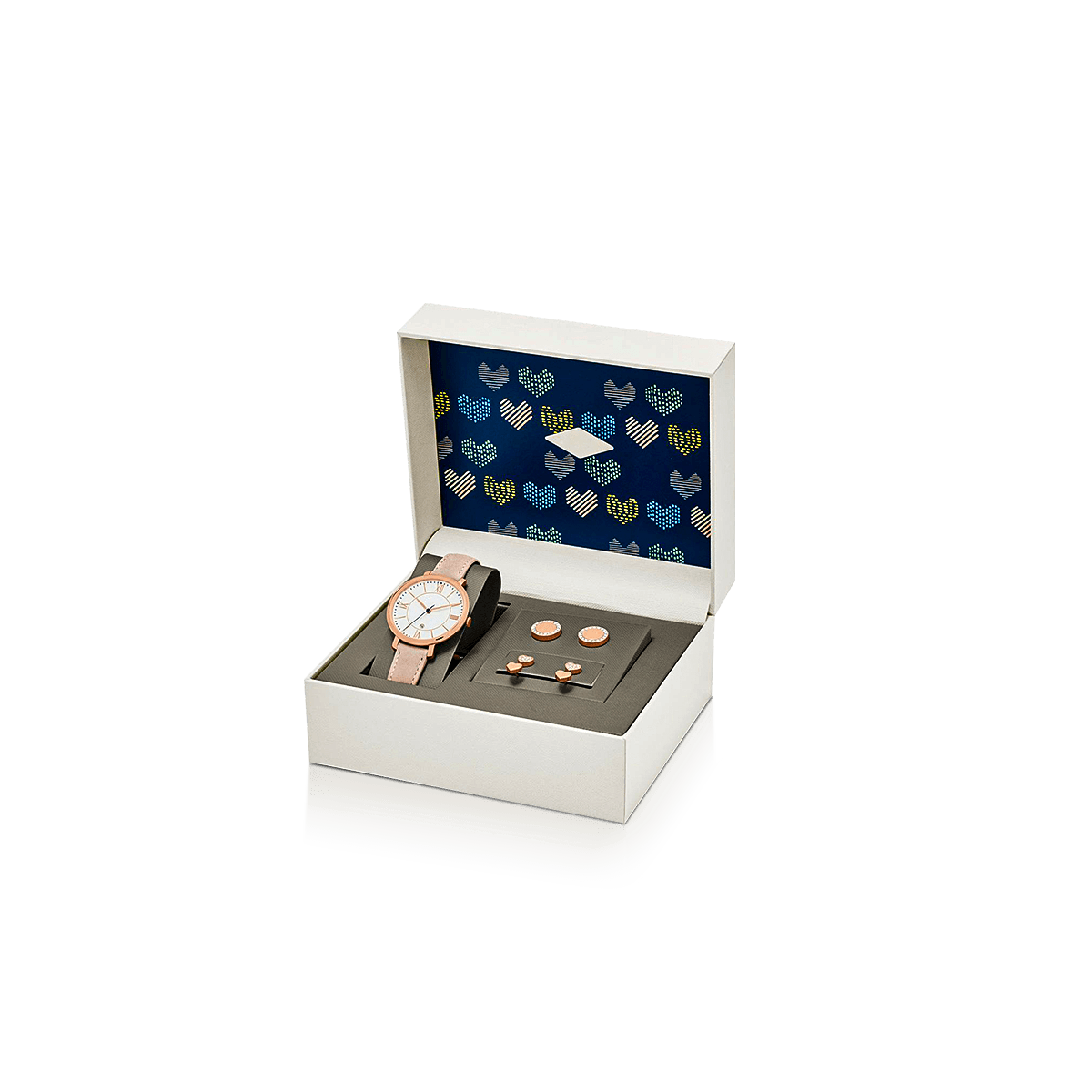
Two watches with the same case diameter can need different cushions because their straps behave differently.

Leather Needs a Natural Curve

Leather straps retain some shape and may develop crease positions around frequently used holes. The presentation cushion should support a believable wrist-like curve without forcing the buckle several holes tighter than normal.

A cushion that creates too large a circumference can place continuous tension through the strap and buckle. An undersized one can leave the strap loose enough for the case to roll.

Bracelets Need Closure Space

Metal bracelets articulate differently. Their closed circumference may be less forgiving, especially with butterfly clasps or shorter link configurations.

Check whether the clasp closes comfortably around the intended support and whether it sits against a stable surface rather than hanging unsupported behind the cushion.

Jewellery Box Inserts can handle the support geometry when the watch needs more than a standard removable pillow.

Keep Weight Under the Case

The watch head is usually much heavier than the strap. If the cushion controls only the band, that weight can pull the case forward or sideways when the box is carried.

The support needs to keep the dial orientation stable without pressing vulnerable controls or polished surfaces into the case wall.

Support Near the Lugs

A cushion or cradle should support the strap close enough to the watch case that the head does not hang unsupported between attachment points.

This becomes more important with substantial chronographs, divers and heavier metal watches. Their weight can expose weakness in an insert that works perfectly well for a lightweight dress watch.

Do Not Clamp the Case

More restraint is not automatically better. The case itself should not be squeezed between hard insert edges simply to stop movement.

The fragile product packaging decision explains why internal control and outer strength need to solve different risks. A thick rigid box cannot compensate for a watch moving freely on an undersized cushion.

Protect the Crown Side

The crown and pushers project beyond the watch case, so overall diameter alone can understate the real clearance required.

A large crown, chronograph buttons or protective crown guards can bring one side of the watch much closer to the internal wall than the opposite side.

Measure the Widest Control Point

Record the full width across the case including the crown or pushers, not only the manufacturer's nominal case diameter.

Leave enough side clearance that the controls do not meet a rigid edge when the watch shifts slightly during handling.

Set the Dial Direction

If the brand expects the watch to face a particular way when the lid opens, the support should make that orientation repeatable.

The crown position, logo alignment and opening direction should therefore be considered together. A box that allows the cushion to rotate can undermine a carefully planned presentation even when the watch itself remains protected.

Custom Packly's packaging team can review unusual crowns, oversized cases and asymmetric watch profiles 24/7 before the internal dimensions are fixed.

Leave Height Above the Crystal

Watch packaging depth is often underestimated because the visible case thickness is measured without the cushion beneath it.

The finished height includes the support, watch case, raised crystal where applicable and any amount the bracelet or strap lifts the case above the cushion.

The lid should close without pressure on the crystal, bezel, crown or other raised components. Extra empty depth is not automatically useful, though. A watch sitting deep below the opening can lose visual impact and require a taller insert simply to bring it back into view.

The useful measurement is the complete packed height from the base of the support to the highest point of the watch.

A free 3D mockup can then check the proportion between that internal height, the exterior case and the visual position of the watch before production.

Make Removal Easy

A watch should be removable without the customer pulling on the crown, pinching the crystal or fighting a tightly compressed cushion.

The cushion needs enough exposure for fingers to grip it comfortably. If the whole support is meant to lift out with the watch attached, there should be a clear place to hold it.

Removable Cushions Need Clearance

A pillow wedged tightly against every internal wall may control movement, but it creates another problem when someone tries to remove it.

Allow enough tolerance for a smooth lift while keeping the support stable during normal handling.

Fixed Supports Need Access

A fixed cradle changes the removal sequence. The customer needs room to release the strap or bracelet and lift the watch without scraping it against the insert.

This is especially important for watches with short straps, stiff leather or bracelet clasps that need space to open fully.

Make Cards Part of the Plan

Watch packaging often carries more than the watch. Warranty cards, instructions, authenticity information, care material, spare links or another strap can all compete for internal space.

Do not simply place paperwork beneath the watch cushion if the added thickness makes the support sit unevenly.

A shallow compartment, envelope area or separate recess can keep documents flat while preserving the watch position.

For watches sold with an additional strap, consider whether the accessory should be visible at first opening or discovered separately. That decision changes both the internal footprint and the presentation hierarchy.

Custom Luxury Packaging is useful when the watch, documentation and accessories need to feel like one premium presentation rather than several parts fitted wherever space remains.

Pick the Opening for Use

The best watch-box opening depends on what happens after purchase. Some cases are opened once during gifting. Others become permanent storage and may be used every day.

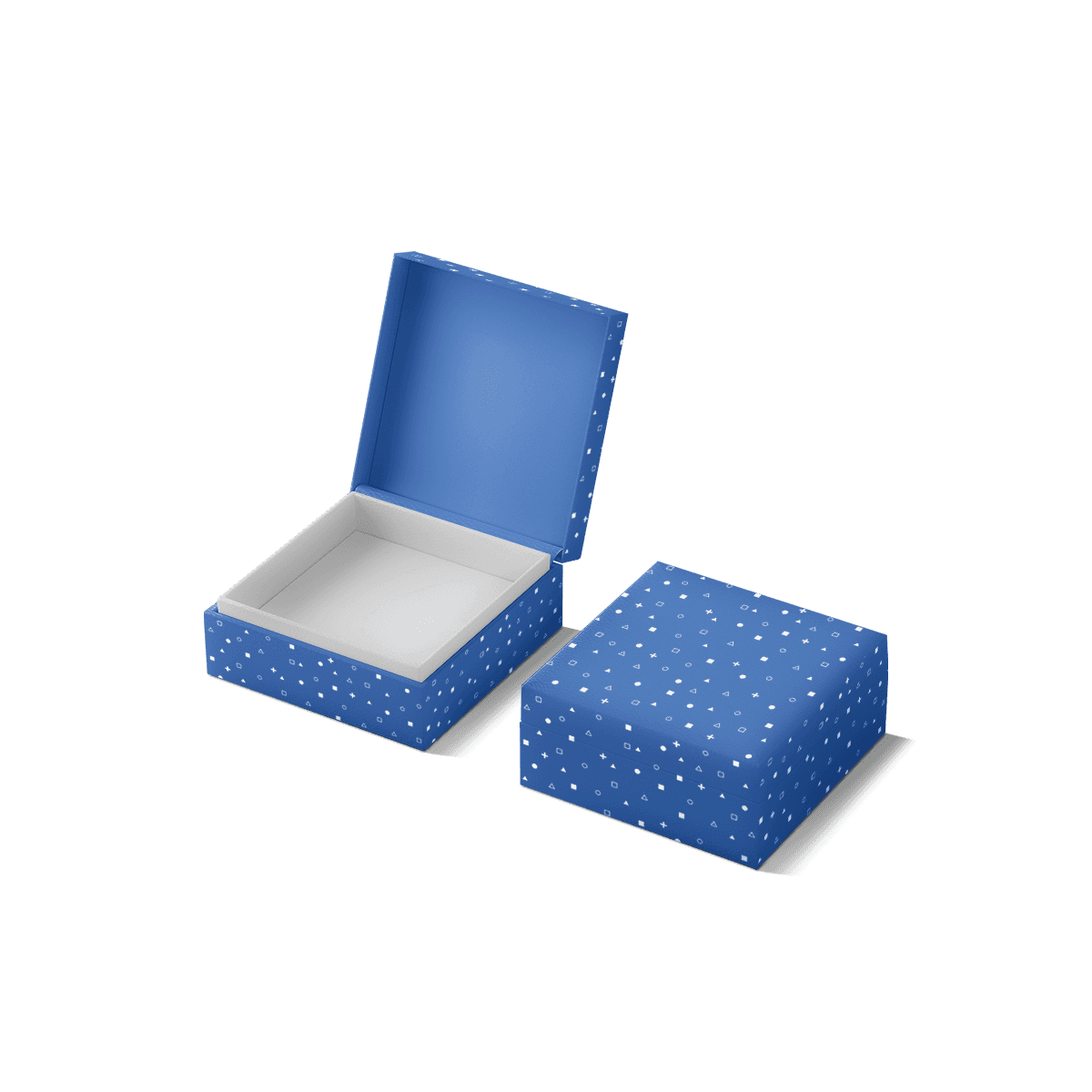
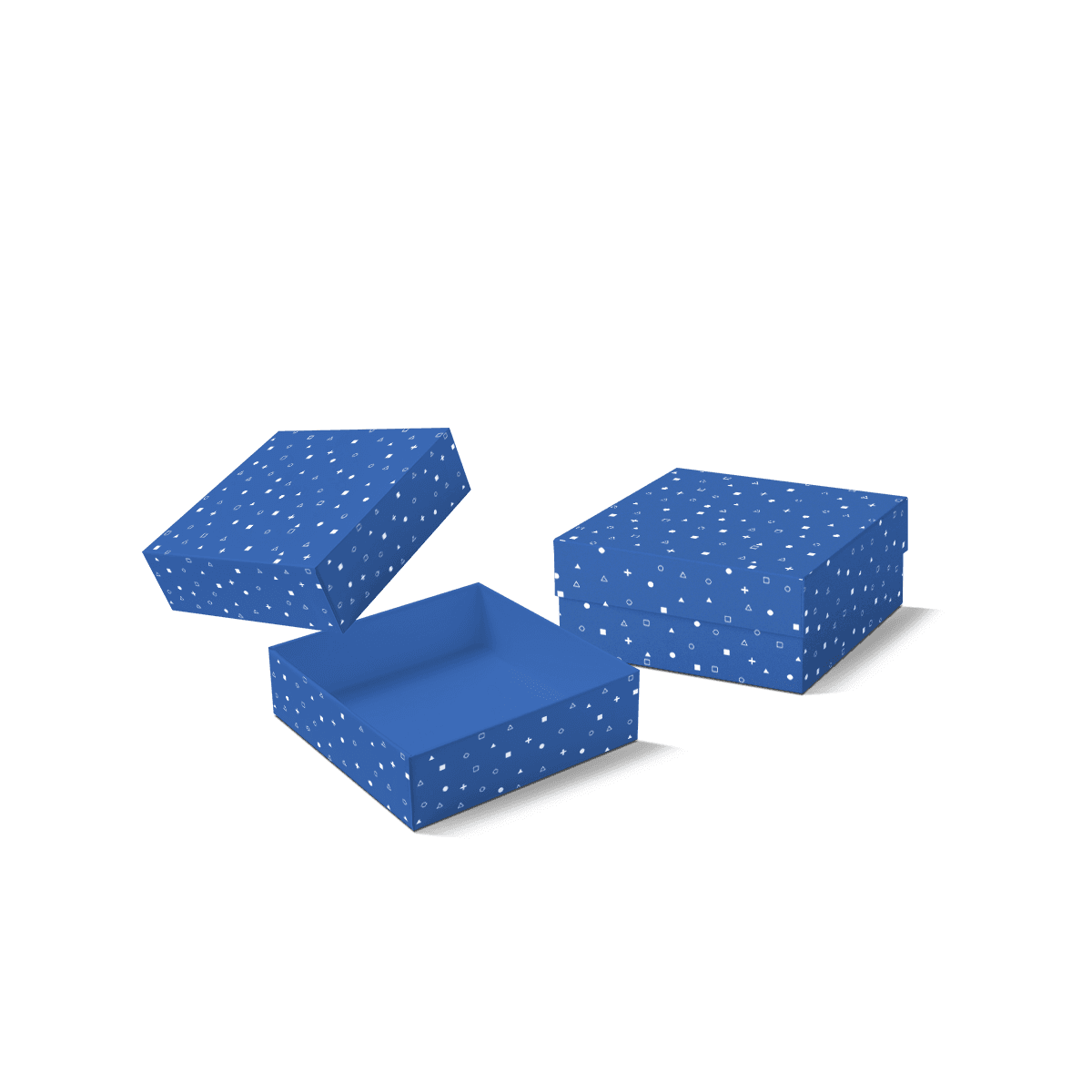
A Rigid Lid and Base Box gives straightforward top access and leaves the entire watch easy to reach.

Book Style Rigid Boxes keep the lid attached and can give the watch a fixed presentation direction each time the case opens.

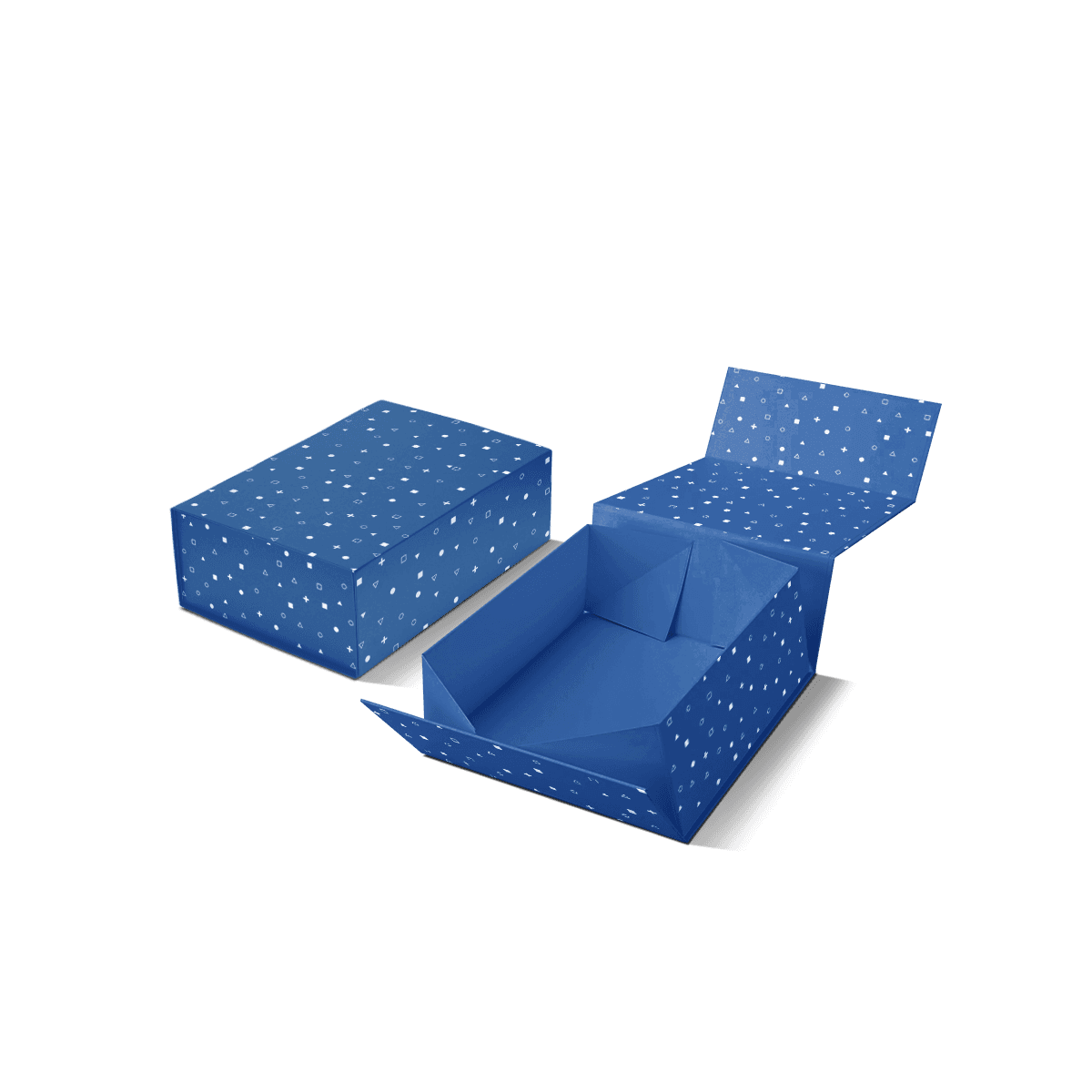
Magnetic Closure Rigid Boxes can work where repeated opening and a self-contained premium case matter.

The structure should earn its complexity. A premium watch intended to remain in its original case may justify a more substantial rigid format. A lower-priced fashion watch sold mainly through fast retail may be better served by a simpler paperboard presentation.

Avoid One Pillow for Everything

Standardising one outer case across several watch models can make production and branding simpler. Standardising one cushion across every model is much harder to justify.

A 36 mm dress watch on leather, a 42 mm chronograph on steel and a smartwatch with a soft strap may all fit inside the same outer footprint while needing different cushion circumferences or support shapes.

One practical approach is to keep the exterior dimensions consistent and create defined internal variants for watch groups.

Group products by the things that affect packaging: case width including controls, packed height, closed strap or bracelet circumference and overall weight.

MOQ starts from 100 boxes, so genuinely different watch groups do not need to be forced onto one unsuitable support merely to avoid another internal specification.

Use Rigid Board Where It Earns It

Rigid packaging makes sense for watches when the case becomes part of ownership, gifting or long-term storage rather than being discarded immediately.

The live Custom Packly material analysis notes watches among the products where keepable rigid packaging can justify its additional cost because the box can remain useful after purchase. Paperboard, corrugated and rigid packaging helps separate that presentation role from lighter structures used mainly for retail or delivery.

Rigid Boxes also give heavier watches firm walls and a stable base for fitted internal support.

That does not mean every watch needs the heaviest possible case. The packaging should match the retail value, sales channel and expected life of the box.

Keep Finishes Off the Watch

Premium finishes belong on surfaces the watch does not rub against.

Foil, embossing, debossing, textured papers and other decorative effects can strengthen exterior presentation, but the internal surfaces near polished metal, crystals and coated straps should remain predictable and smooth.

Premium offset printing gives strong control over detailed artwork and repeat brand colour. Packaging customisation can coordinate the outer wrap, inner paper, print, finish and insert so decorative choices are considered alongside product contact.

The packaging design process also reinforces a useful rule: visual styling only works when the physical packaging still functions properly.

Custom Packly can handle the watch case, support, artwork, print and finishing as one specification rather than fixing conflicts between them late in production.

Give Multi-Watch Sets Space

A box for two or more watches should not be treated as one large empty case filled with identical pillows.

Each position needs enough room for the largest watch assigned to it, including crowns and controls. Adjacent cases should not touch even if one watch rotates slightly.

The dividers between positions also need enough height to stop heavy watch heads leaning into one another.

For a mixed set, think about removal order. The customer should be able to lift one watch without disturbing the cushion or bracelet beside it.

If a brand regularly sells single watches and gift sets, keeping the exterior visual language consistent is more useful than forcing both formats into the same internal geometry.

Protect the Presentation Case

A substantial rigid watch case is still presentation packaging. Polished wraps, sharp corners and decorative finishes can be marked during parcel handling if the case is sent without suitable outer protection.

For ecommerce orders, Jewellery Mailer Boxes can carry the finished watch case while the cushion controls the timepiece inside it.

Test the complete packed system by changing orientation and reopening the presentation case. The dial should still face correctly, the cushion should remain seated and the crown should remain clear of the wall.

If the watch moves but the rigid case survives, correct the internal support. If the watch remains stable but the presentation case arrives marked, improve the delivery packaging.

Price the Whole Pack

Watch-box cost is affected by more than the exterior shell. Case dimensions, cushion type, separate document storage, additional compartments, premium wrapping and finishes can all change the finished specification.

The custom packaging cost breakdown explains why material, size, quantity and finishing need to be considered together.

A larger case is not automatically more premium. Unnecessary volume uses more rigid board, occupies more storage space and may require a larger delivery carton.

Custom Packly provides guaranteed 4–6 working day production and delivery once the watch specification moves into production. Keeping approved dimensions and internal variants clearly identified also makes repeat runs easier to control.

Send the Watch Closed

The most useful starting reference for a new watch case is the complete watch fastened as it should sit around the cushion.

Photograph it from above and from the crown side. Record the case width including controls, case thickness, strap or bracelet width and the approximate closed internal circumference. If the watch includes spare links, another strap, cards or certificates, show those components as well.

Do not choose an outer box size first unless the brand has a fixed case that must be retained. The product and cushion relationship should define the internal requirement before the exterior is finalised.

Use the instant packaging quote with those watch details, quantity and intended retail, gifting or ecommerce use. That gives the packaging team enough information to price the case around how the timepiece actually closes, rests and opens.

FAQs

A watch should sit in a supported position that keeps the dial visible and the strap comfortably shaped. The insert should stop the case from tipping and prevent the buckle or bracelet from scraping the lining. For most ranges, the best result comes from a fitted wrapped support or a formed insert matched to the closed watch size.

That depends on the watch style. Strap watches and many bracelet models usually present better on a wrapped support because it keeps the piece shaped and controlled. Flat inserts can work for some lighter formats or slim packing concepts, but they rarely create the same premium handover feel. The product profile should decide the route.

Start with case diameter, total watch thickness, strap material and the closed circumference around the support. Then confirm insert firmness, lid depth, lining choice and whether literature or accessories must sit inside the same case. Those details affect fit, presentation quality and whether the box remains practical for packing and delivery.

Yes. A watch box has to support a heavier object with a face, case depth and strap bulk, so the insert logic is more structured. Bracelet boxes are better for flexible jewellery that can sit flatter or follow a guided curve. The wrong interior may still look acceptable empty, but it usually shows its weakness once the product is packed.

Yes, but the watch box should be the presentation layer, not the only transit layer. A rigid case protects the product well once the parcel is opened, yet courier handling still calls for an outer carton or protective mailer. That extra layer protects the finish, edges and lid while keeping the branded inner case intact.

Process

How it works

Your Packaging Journey, From Idea to Production and Delivery

01

Tell Us Your Specs

Custom packaging boxes

Tell Us Your Specs

Provide size, quantity, printing, and finishes.

02

Get a Fast Quote

Custom packaging boxes

Get a Fast Quote

Instant transparent pricing, no hidden fees.

03

Design and Approval

Custom packaging boxes

Design and Approval

Artwork checks, revisions, and final sign-off.

04

Produce

Custom packaging boxes

Produce

Expert manufacturing to meet deadlines.

05

Ship to Your Door

Custom packaging boxes

Ship to Your Door

Hassle-free, flexible delivery options.

Get Your Quote for Custom Watch Boxes

Share your product details, dimensions, quantity and artwork needs. We’ll help choose the right packaging style and send a clear quote.