Skip to content
Details

Custom Pet Accessory Boxes

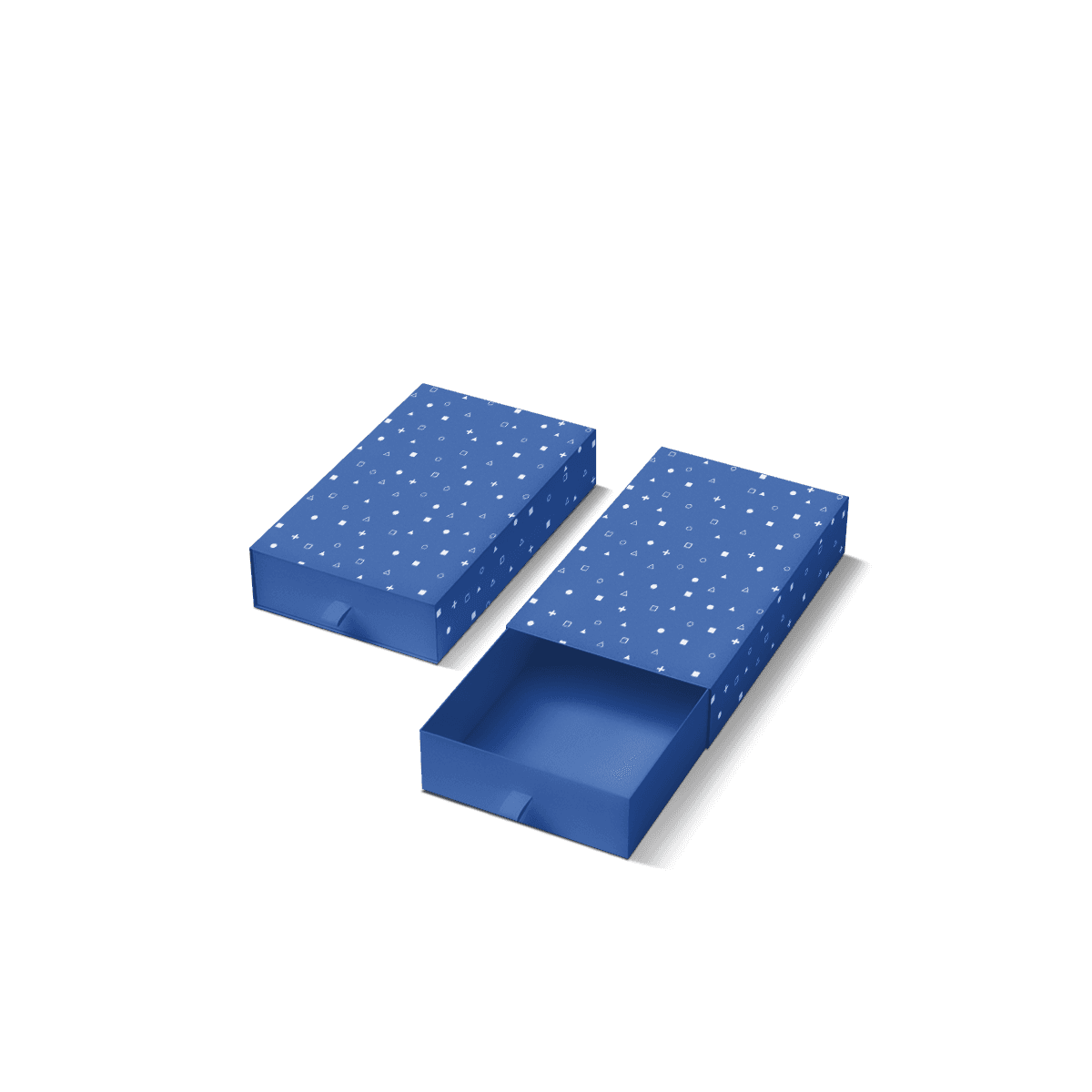
Pet Accessory Boxes help smaller non-food pet products look organised, giftable and easier to merchandise. Custom Packly creates printed cartons for collars, leads, grooming items, bowls, travel kits and mixed accessory sets across retail and ecommerce.

Metal Hardware Changes the Box

Collars, leads and harnesses look soft and flexible until buckles, D-rings, clasps and adjustment hardware are added. Custom Pet Accessory Boxes should be planned around those hard points because they create the thickest areas, the main scratch risks and the places most likely to make a neatly folded accessory spring out of position.

Measuring a collar laid completely flat rarely gives the dimensions of the pack customers will actually receive. The same collar may be rolled, wrapped around a card, folded into a shallow tray or presented partly visible. Each arrangement creates a different carton depth and changes which parts of the hardware touch the packaging.

Give Buckles Their Own Depth

Measure across the buckle, ring, clip or tracker mount rather than only across the strap. Leather and padded collars can also become thicker where layers overlap near adjustment points.

A compact carton should hold that thickest area without pressing the fitting into the opposite panel. The tuck box sizing principles are useful here because the correct internal space comes from the complete packed arrangement, not the longest bare dimension.

Keep Metal Parts From Meeting

A typical problem appears in a collar-and-lead set. A 25 mm collar is rolled beside a 1.2 m lead, but the lead is placed loose inside the carton. During handling, the coil expands, the swivel clip crosses into the collar area and the metal fittings rub against each other and the printed interior.

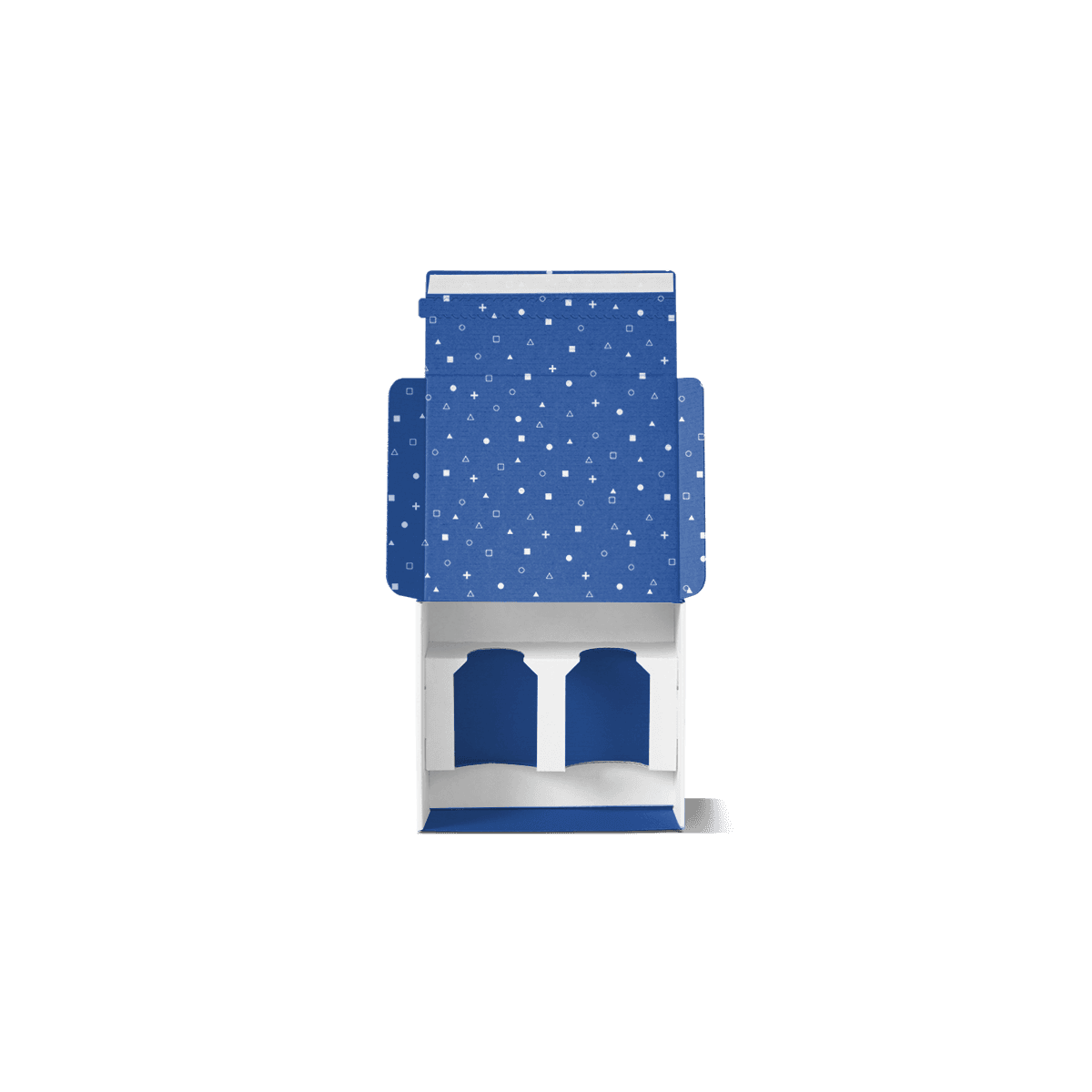
A shaped paperboard saddle with two retaining slots can hold the lead coil while a small separate zone keeps the clip away from the collar buckle. The carton can then be reduced around the controlled arrangement rather than enlarged to tolerate movement. The practical result is cleaner presentation, less tangling and more predictable packing.

Harnesses Need a Chosen Fold

A harness can be packed in several ways because straps, buckles and adjustment points move independently. Decide which fold shows the product clearly and does not create a hard stack of overlapping hardware.

The carton should be engineered around that chosen fold. Letting each packer fold the harness differently creates inconsistent depth and can make one carton close comfortably while the next one bows.

Choose the Retail Position First

Pet accessories are often sold from hooks, shelves, counters and gift displays. The same collar can need a different outer structure depending on where it is merchandised, so display position should be fixed before the dieline.

Peg Display Saves Shelf Depth

Light collars, tags and compact walking accessories can work well in hanging cartons because the product stays front-facing while using very little horizontal shelf space.

A peg hook display box needs enough strength around the hanging slot for the packed weight. Hole position, carton depth and product balance matter together. A hang slot added late can leave the pack leaning forward or tear through a narrow top panel.

Free 3D mockups can help check how the product, size cue and hang area share the front face before production.

Shelf Packs Need a Stable Footprint

Heavier collars, folded harnesses, travel bowls and boxed sets may be better standing or lying on a shelf. Stability matters more than simply creating a larger front panel.

Test the loaded carton in its retail orientation. A tall narrow box carrying a dense metal buckle near the top can tip more easily than its empty sample suggests.

Counter Sets Need Stock Logic

Smaller accessories such as tags, clips or compact travel items may be sold as several individual packs inside one display unit. Display Boxes become useful when the retail problem is organising multiple sellable units rather than packaging one accessory.

Plan the display from unit count, refill frequency and the space available at the point of sale rather than choosing a display footprint first.

Make Size Information Easy to Find

Collars and harnesses are fit products. A visually strong box is still weak retail packaging if the customer cannot quickly tell which size they are holding or what adjustment interval it covers.

Separate Product Size From Style

Keep size in a fixed location across the product line. Colour, pattern and hardware finish can change around it, but an XS, S, M, L or measured adjustment interval should not move to a different panel every time the artwork changes.

If the brand provides fitting instructions or measurement guidance, reserve space for that information before decorative graphics fill the side and rear panels.

Use More Than Colour for Variants

A row of identical collar cartons may contain several strap colours, widths and hardware finishes. Colour coding can help, but it should support written identification rather than replace it.

This becomes even more important when cartons are stored in stockrooms or picked for ecommerce orders. A clear SKU, size and colour description can prevent two visually similar cartons from being confused when only an end panel is visible.

Keep Barcodes Off Moving Folds

Barcodes and small variant text should stay away from strong creases, closure edges and curved areas created by the product pushing against the carton.

The dieline and artwork setup process helps map safe areas before branding, product photography and finish effects are finalised.

Restrain the Accessory With Less Material

An insert is useful when it gives a strap, bowl or piece of hardware a defined position. It is not automatically better because it fills more of the box.

For many accessories, a few paperboard tabs or slots can control the product with less material and fewer packing steps than a full tray.

Use Tabs for Coiled Products

Collars and leads can often be wrapped around a shaped card or held by die-cut tabs. The support sets the coil diameter and keeps the buckle or clip in a predictable position.

Cardboard Box Inserts are relevant when the restraint needs to become part of a more complete presentation, but simple products should not be over-engineered merely to create an insert.

Give Hardware a Landing Area

Metal tags, clips and clasps can mark printed surfaces or move behind the main product. A small recess, folded tab or dedicated pocket can keep the hardware visible without allowing it to travel freely.

For premium leather accessories, this also helps prevent a hard metal fitting from resting directly against a finished leather face during storage.

Let Foldable Travel Gear Stay Foldable

Collapsible bowls, fabric carriers and small travel accessories often change shape dramatically when folded. Use the intended retail fold as the specification, not the fully opened product dimensions.

If a bowl is held flat by its own design, the carton may only need edge control and branding. Adding a deep insert around a product already engineered to collapse defeats much of its space advantage.

Show the Feature That Sells the Accessory

Visibility can help pet accessories because colour, fabric, stitching and hardware finish often influence selection. The useful question is which feature needs to be seen, not how large a window can be cut.

Frame Material or Hardware

A controlled Window Box can reveal a section of leather, woven webbing, pattern or buckle while preserving enough printed area for sizing and brand information.

For a collar, a narrow reveal around the strap and buckle may communicate more than a large opening that exposes a loose coil and most of the insert.

Do Not Let the Window Weaken the Holder

A cut-out removes material from the carton face. If the window sits close to a hanging slot or the product pushes against that panel, the remaining card has to carry both retail display and product pressure.

Window position should therefore be checked together with product restraint. A properly held accessory lets the window remain a viewing feature instead of becoming part of the support system.

Skip the Window When the Product Is Already Clear

Strong product photography or a simple line illustration may communicate the item better when the real product is highly folded inside the pack. A harness compressed into a retail fold can be harder to understand through a window than through a clear fit diagram.

Use visibility only when what the customer sees actually helps them choose.

Approve the Packed Accessory, Not the Empty Carton

A physical sample should be loaded using the same coil, fold, tabs and hardware position planned for production. An empty carton can look perfectly square while the real accessory pushes one wall, lifts a flap or shifts the centre of gravity.

Check the product after packing, after normal handling and after removing and replacing it. For hanging packs, test several units on a peg. For shelf cartons, place multiple sizes together and make sure the size cue remains easy to find.

Free samples can help assess material, print and physical presentation before a larger commitment. Once the specification is proven, guaranteed 4–6 working day production and delivery gives repeat accessory lines a defined replenishment window, while warehousing and scheduled deliveries can support larger product lines released in stages.

Custom Packly works as a full-service packaging partner across sizing, structural choice, inserts, dielines, artwork, printing, finishes, production and repeat supply. That is particularly useful for accessory lines where one brand may need a hanging collar carton, a shelf-standing harness pack and a presentation set without losing visual consistency.

Match the Carton to the Accessory Value

Not every pet accessory needs the same level of packaging. Lightweight everyday items usually benefit from efficient folding cartons, while coordinated sets or premium leather products can justify slower opening and stronger presentation.

Tuck Cartons Suit Single Accessories

Paperboard tuck cartons store flat before packing and provide useful printable area for individual collars, leads, bandanas and compact travel products.

They work best when the packed accessory has a controlled shape and does not place excessive weight on the base. Custom sizing matters because soft goods can otherwise disappear inside a stock carton chosen around their unfolded length.

Sleeves Work Around Existing Holders

If the accessory is already secured to a card tray or presentation board, Sleeve Packaging can add branding and information without enclosing the complete product in another full carton.

This can be useful when the strap or hardware is meant to remain partly visible and the inner holder already controls the accessory.

Gift Sets Need an Arrangement, Not Just More Depth

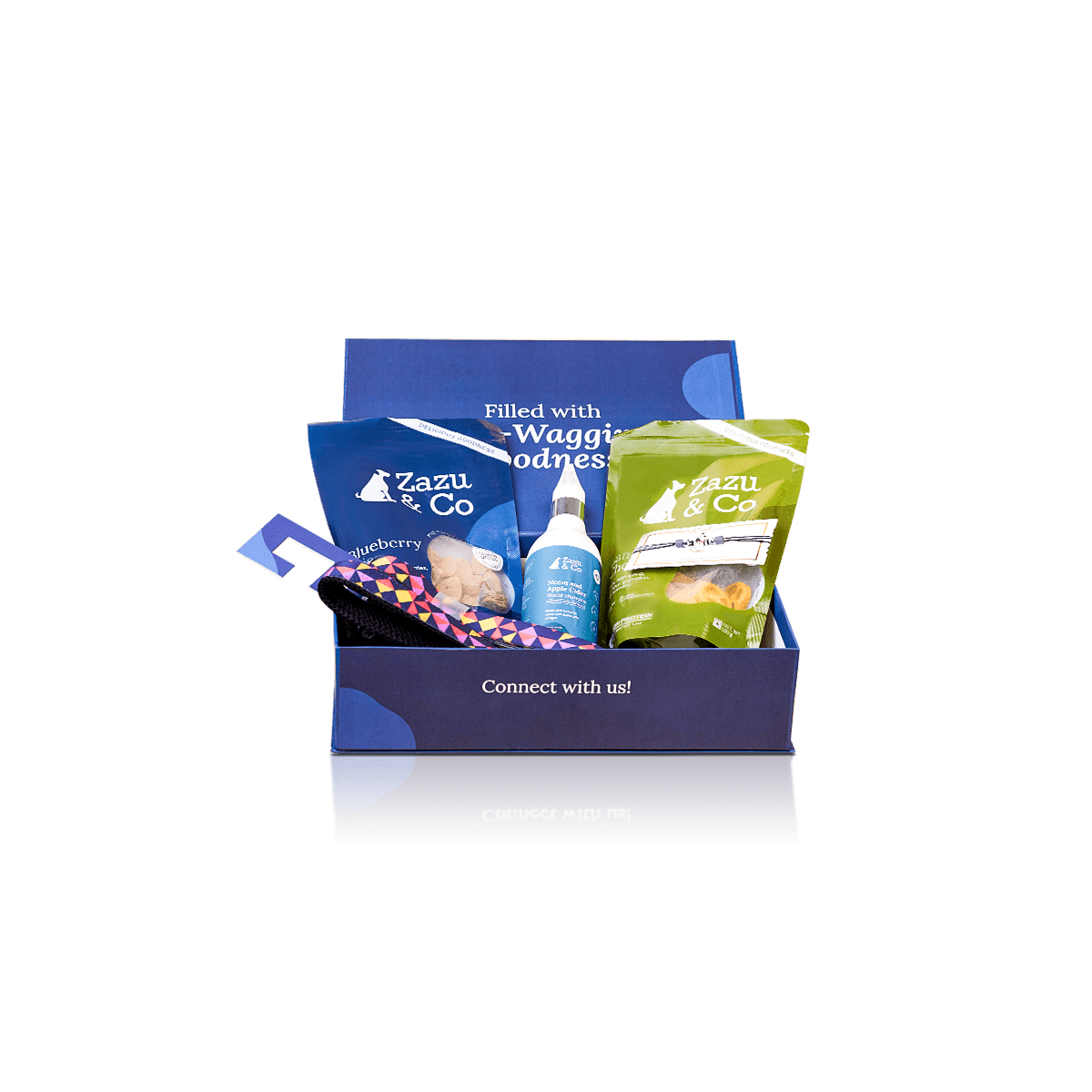
A matching collar, lead and tag set needs each component to have a clear position. Simply choosing a deeper box creates room for tangling rather than presentation.

For premium sets, the structure can slow the reveal and use stronger material or more refined finishes, but the internal arrangement should still be solved before the outer presentation level is increased.

Premium offset printing can support stable brand colour and fine detail across established accessory lines. Foil, embossing, debossing or spot UV should be used where they reinforce the product position rather than becoming substitutes for good fit.

Classify the Product by Its Main Use

Pet accessories should be grouped by the job that drives the packaging, not simply because they share a retail aisle. Wearable and travel gear belong here when fit, hardware and display determine the carton.

That boundary matters because neighbouring products create different packaging decisions.

Play Products Need Toy Restraint

Pet Toy Boxes should own plush, chew, rope, teaser and puzzle products where toy shape, visibility, play-set organisation and product restraint are the main decisions.

A simple accessory should not move into the toy destination merely because it hangs on the same retail wall.

Care Products Follow Containers and Instructions

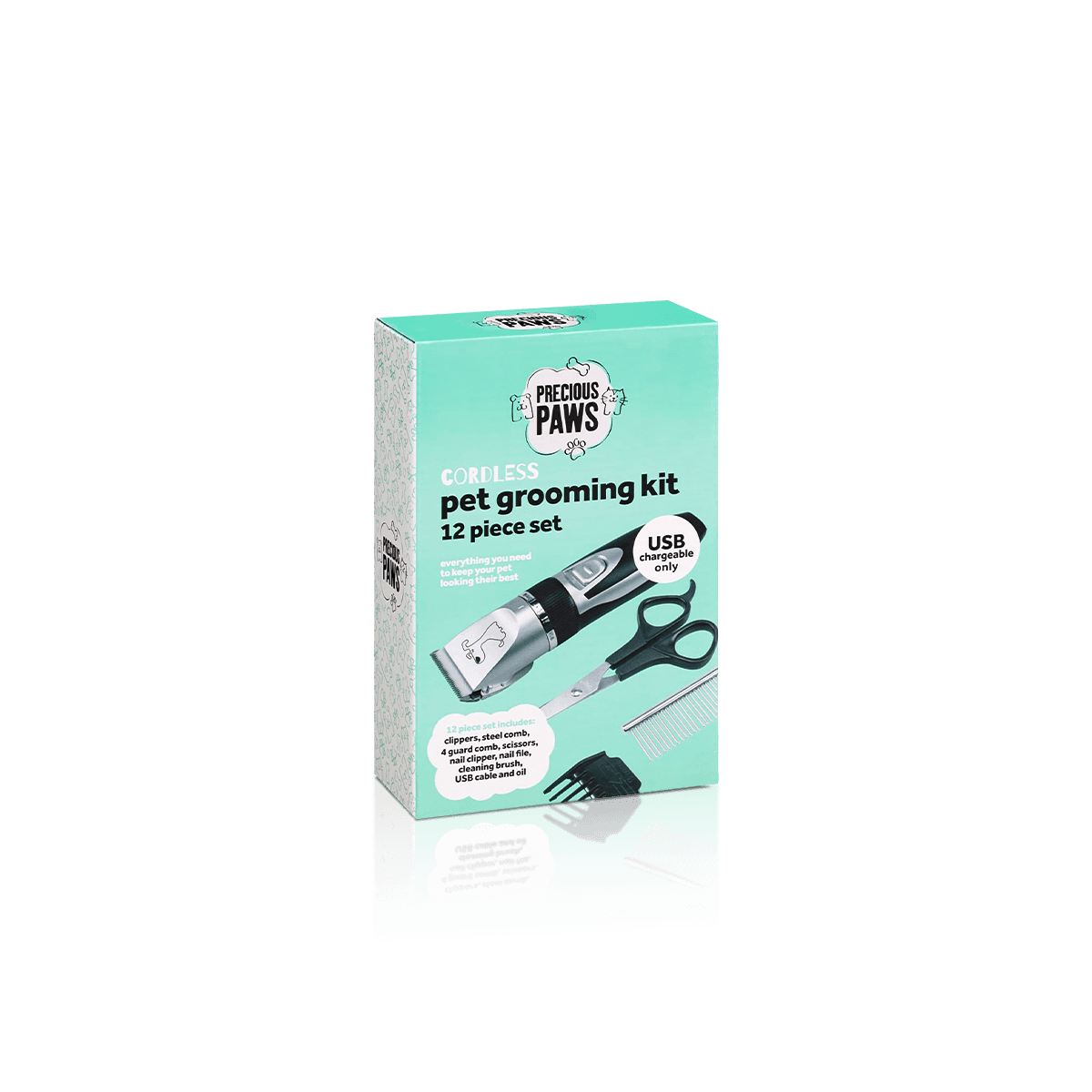
Pet Grooming Product Boxes should own shampoos, sprays, balms, wipes, brushes and grooming sets where bottle fit, pumps, leakage risk, instructions and care routines matter.

This rebuild deliberately removes grooming tools from the core accessory ownership even though the current live copy mentions them. That gives each Pet Products child a clearer buyer problem.

Across Pet Products, that keeps accessory packaging focused on non-food gear without absorbing every small pet item into the same carton logic.

Treat Ecommerce as Another Layer

A retail carton should not become unnecessarily heavy because some orders will also ship by courier. The printed product box and the delivery outer can solve different jobs.

Custom Retail Packaging should handle shelf visibility, product information and in-store presentation. For direct delivery, a custom mailer box can provide the corrugated protection needed around the retail pack.

This matters particularly for hardware. A metal lead clip that is controlled neatly inside a retail insert can still transmit force through a lightweight carton if the whole product is dropped during parcel handling. The shipping layer should absorb that duty rather than asking the retail card to become a transit case.

The same principle can reduce packaging cost. The common custom packaging cost mistakes include paying for unnecessary size and material because retail and shipping requirements were never separated.

Build Size and Colour SKUs Economically

Accessory brands often combine several sizes with several colours or patterns. Five collar sizes across six colours already creates thirty sellable variants before lead lengths or hardware finishes are added.

That makes artwork planning as important as carton structure.

Share a Dieline Only Where Fit Allows

Several colours can usually share one carton size when the physical accessory is identical. Size variants may not. A larger buckle, wider strap or longer folded harness can change the packed depth enough to require another dieline.

Do not force every size into the largest carton just to reduce cutter variation. The storage and presentation penalty can outweigh the convenience.

Price Quantity Per Artwork

A 6,000-box requirement split across thirty designs is not the same print job as 6,000 identical cartons. The digital versus offset printing decision should consider quantity per artwork, colour consistency and how frequently the product line changes.

MOQ starts from 100 boxes, which can support a limited colourway, launch assortment or new size without committing every variant to a large run.

Quote From the Displayed Fold

For an accurate accessory specification, show the product exactly as you want the customer to encounter it.

Send photographs of the collar, lead, harness or travel item in its intended retail fold, along with the widest hardware measurement, packed thickness and finished weight. State whether the pack will hang, stand, lie flat or sit inside a display unit. If several pieces belong together, arrange the complete set before measuring it.

Also flag the size and colour variants that may share artwork or dimensions. That makes it easier to separate genuine structural changes from simple print changes.

Use the custom packaging quote with that displayed fold. Instant pricing can then be based on the real product arrangement, retention method and SKU split rather than a generic accessory box. 24/7 packaging support is available where the fold, insert or retail display still needs to be resolved.

FAQs

The best carton type depends on shape, weight and display method. Slim tuck-end cartons work well for lighter single items such as leads, brushes or travel accessories. Deeper cartons or two-piece boxes are better for bundled sets or gift-led presentation. If the product is bulky, oddly shaped or mailed directly, corrugated construction may be a safer choice than standard folding board.

Often they do. Inserts are especially useful when the item is small, curved or sold as a multi-piece set because they stop movement and keep the contents looking organised when the carton is opened. A collar, clip and tag set, for example, usually looks stronger with a fitted card insert. Confirm product shape and pack orientation early before finalising the internal fit.

Yes, and both features can be valuable when used for the right product. Window panels help show colour, texture or finish without removing the accessory from the carton. Hanging slots are helpful for peg displays and smaller impulse items. The important step is to confirm display method first, because a shelf carton and a peg-hung carton usually need different panel planning and structural balance.

A sleeve can be enough when the accessory already has its own inner tray or when the goal is simply to group and brand the item lightly. A mailer becomes the better option when the product is shipping directly and presentation on shelf matters less than transit reliability. A full pet accessory box is stronger when visibility, gifting value, retail presence or multi-item organisation matters most.

Start with exact dimensions, product orientation and whether the item needs to hang, stand or sit inside an insert. Then confirm how much of the product should be visible, what copy must appear on pack and whether the carton is going to retail shelves, ecommerce fulfilment or both. If multiple accessories are packed together, lock the arrangement before artwork and cutter lines are approved.

Process

How it works

Your Packaging Journey, From Idea to Production and Delivery

01

Tell Us Your Specs

Custom packaging boxes

Tell Us Your Specs

Provide size, quantity, printing, and finishes.

02

Get a Fast Quote

Custom packaging boxes

Get a Fast Quote

Instant transparent pricing, no hidden fees.

03

Design and Approval

Custom packaging boxes

Design and Approval

Artwork checks, revisions, and final sign-off.

04

Produce

Custom packaging boxes

Produce

Expert manufacturing to meet deadlines.

05

Ship to Your Door

Custom packaging boxes

Ship to Your Door

Hassle-free, flexible delivery options.

Get Your Quote for Custom Pet Accessory Boxes

Share your product details, dimensions, quantity and artwork needs. We’ll help choose the right packaging style and send a clear quote.