Skip to content
Details

Custom Round Rigid Boxes

Round Rigid Boxes bring a softer silhouette to premium packaging, making them a strong choice for gifting, keepsake-style presentation and products that benefit from a more distinctive shape than a standard square or rectangular rigid box.

Round Shape Needs Radial Fit

A round rigid box can be correct in height and still feel wrong if the product sits off-centre, the lid grips unevenly or the printed seam turns towards the main viewing angle. Circular packaging removes the corners that normally help locate both the product and the artwork, so diameter becomes the first structural decision.

Custom Round Rigid Boxes work best when the product, insert, lid and outer wrap are all planned around the same centre line. That is especially useful for candles, bath products, bangles, confectionery and gift pieces whose own shape already supports a circular presentation.

The shape should do more than look unusual. Within Rigid Boxes, round construction earns its place when the silhouette helps frame the product, creates a deliberate top reveal or gives a round object a more natural outer footprint.

Measure the Widest Point

Use the finished product, not a nominal jar or mould size. Include lids, collars, labels, decorative wraps and any feature that increases the real diameter.

A candle vessel with a projecting lid or a bath product with an uneven handmade edge may need more room than its base measurement suggests. Height matters too, but diameter determines whether the product can sit centrally without rubbing the sidewall.

Allow Radial Clearance

Clearance has to work around the full circle. Too much space lets the item drift away from centre. Too little can make loading slow or cause labels and decorative surfaces to rub.

For Luxury Candle Boxes, measure the filled jar and lid together, then decide whether the product sits directly in the base or in a fitted support. Dense glass should be carried from below rather than wedged tightly against the round wall.
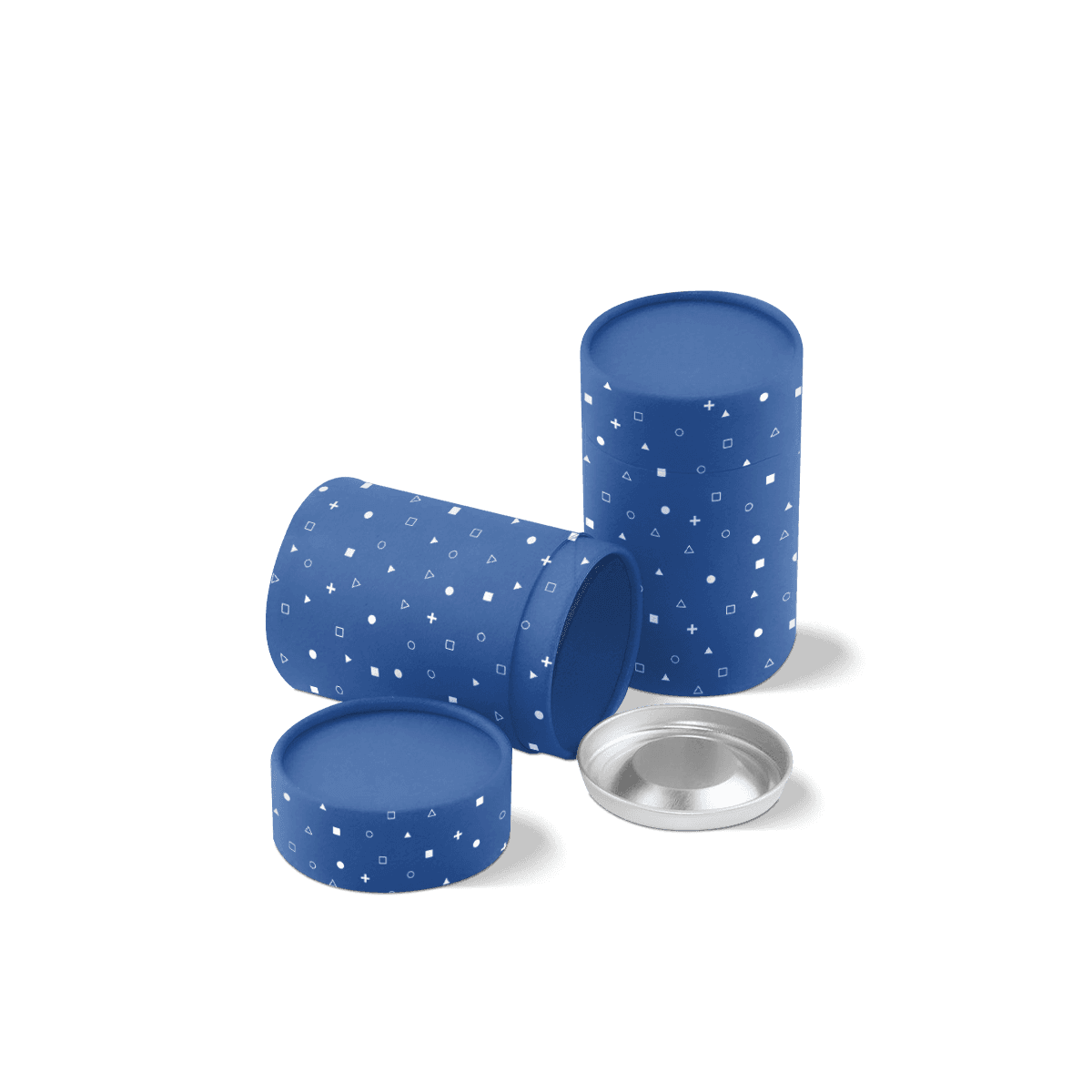
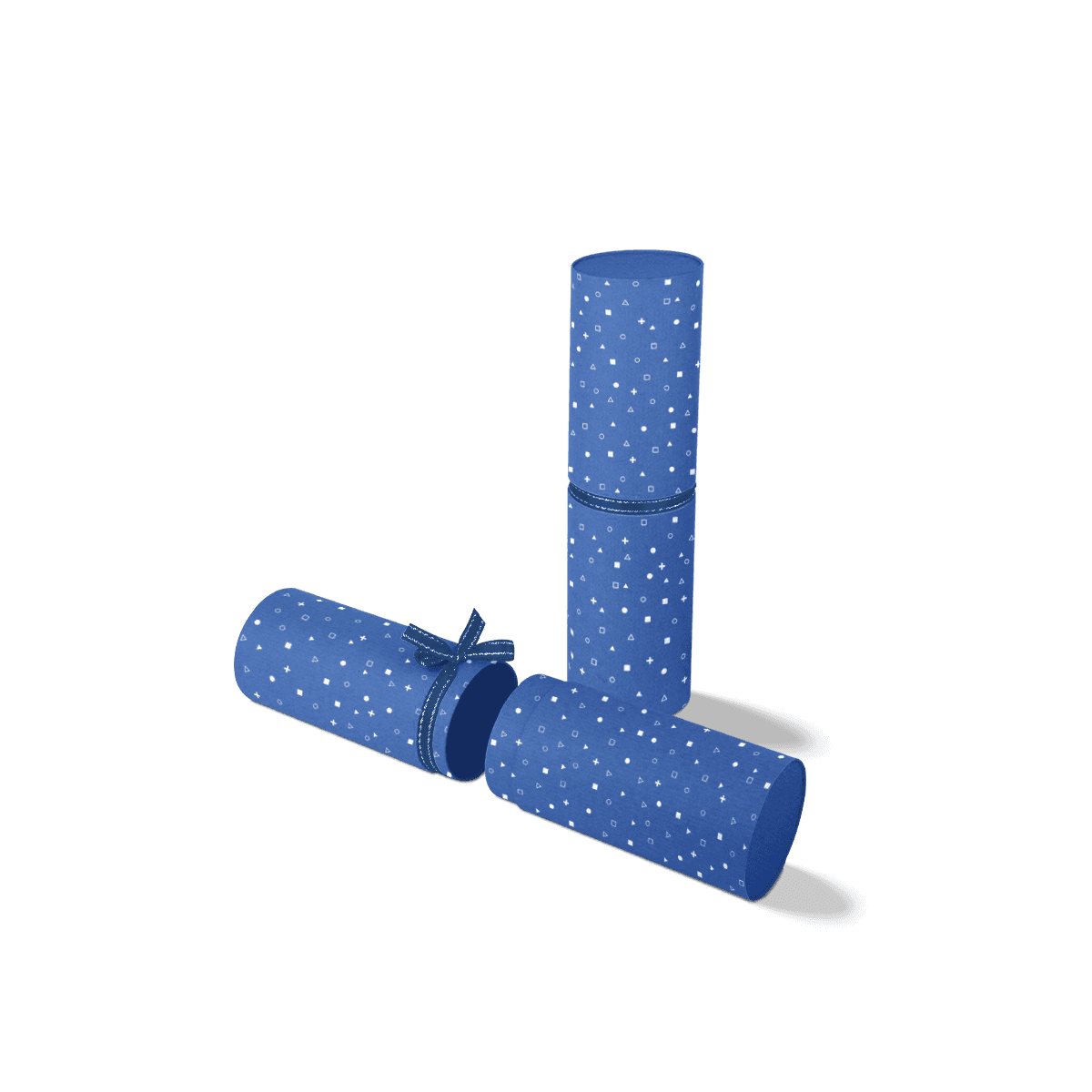
The Lid Has 360° Contact

A circular lift-off lid meets the base around its entire circumference. That makes small differences in roundness, wrap thickness and finished diameter more noticeable than they can be on a box with four separate straight sides.

The lid should seat evenly without one area catching first. If one point binds, the user may twist the lid to remove it, which makes the opening feel less controlled and can mark the wrap over time.

Test the Whole Rim

Do not judge fit from one successful close. Rotate the lid, replace it several times and check whether the resistance remains even around the circumference.

A good lid should lift without scraping, rocking or suddenly releasing at one side. Free samples can help narrow the material and finish direction, while a physical production-specific sample is useful when the diameter is unusual or the fit is intentionally close.

Custom Packly's experienced packaging team can coordinate the rigid body, lid, wrap and insert as one specification rather than treating each part independently.

Lid Depth Changes the Feel

A deeper lid creates more side coverage and usually a longer lifting movement. A shallow lid reveals more of the base and can feel quicker to open.

If deep external coverage becomes the main structural requirement, Telescopic Rigid Boxes use that overlap as the defining feature. A round box should not borrow extra lid depth simply because a deeper lid appears more substantial.

Stop the Product Rotating

A circular cavity can encourage circular movement. Round jars, tins and accessories may spin inside the box if the interior relies only on side clearance.

That is harmless for some products, but it becomes a problem when a front label, logo, clasp or decorative face needs to meet the customer in a specific orientation.

Centre With an Insert

Inserts and Dividers can locate the product from below, hold it at a deliberate height and prevent sideways movement without forcing the outer wall to do the job.

For circular jewellery such as bangles, Bangle Boxes need the inner support to control orientation as well as fit. A valuable piece should not roll around simply because the outer box shares its shape.

Control Irregular Products

A round outer box does not require a round product. Bath sets, chocolates and mixed gifts can all use a circular presentation if the interior organises them properly.

For brittle products such as Bath Bomb Boxes, the insert also needs to account for uneven edges, surface dust and spacing between pieces. The circular wall can frame the set, but the interior still has to prevent the contents from knocking together.

Artwork Must Survive the Curve

A straight rectangular artwork file becomes a continuous wrap once it is applied around a circular body. That changes how logos, patterns, borders and small text are perceived.

The first decision is where the wrap joins. The seam should not interrupt the main logo or become the visual front of the box by accident.

Find the Seam First

Establish the intended viewing direction, then keep critical artwork away from the join. A centred front logo can work well when the seam is placed at the rear, while repeating patterns need enough tolerance that the meeting point does not create an obvious visual break.

The principles in packaging dielines and artwork setup still apply, but curved packaging needs extra attention to orientation because there is no natural front panel built into the shape.

A free 3D mockup is useful for checking how artwork reads around the circumference before production.

Keep Fine Type Readable

Small copy placed across a tight curve can become harder to read from one viewing angle. Important names and short claims should have enough clear space to be understood without turning the box in the hand.

Premium offset printing is useful where the wrap carries fine detail, controlled colour or continuous artwork. The available printing and finish choices can then be narrowed around surfaces that will actually remain visible rather than adding treatments to every part of the box.

The thinking in Packaging Design Ideas is particularly relevant here: proportion and physical form can carry much of the visual work, so a distinctive shape does not need excessive decoration.

Round Uses Space Differently

A circle and a rectangle with similar internal capacity do not occupy storage, shelf and outer-carton space in the same way. Round boxes leave unused space when several units are placed together in a rectangular case.

That does not make the shape inefficient by default. It means the visual advantage has to justify the operational trade-off.

Use Shape Where It Helps

Round rigid packaging makes the most sense when the product is already circular, when the top-down reveal matters or when a softer silhouette contributes directly to how the product is sold.

Candles, bangles and selected gift sets are natural candidates. A rectangular product with no reason to use a circular footprint may need a larger outer diameter than expected, creating empty space around the item.

Custom Packly's MOQ starts from 100 boxes, which gives a new gift line or limited launch room to test the shape before committing to a larger repeat quantity.

Case Packing Still Matters

Calculate how the finished round boxes will sit inside master cartons, on shelves and at the packing bench. The space between circles becomes important when quantities rise.

If storage efficiency is more valuable than silhouette, Rigid Lid and Base Boxes use rectangular space more predictably and retain the same straightforward lift-off access.

Round Box or Gift Tube?

Round rigid boxes and tubes can look similar in photographs, but their proportions and product roles are usually different.

A round rigid box normally makes more sense for a wide footprint, a top-down reveal and an insert that spreads products across the base. Gift Tubes make better use of vertical space when the product is tall, slim or naturally suited to an upright cylinder.

A candle illustrates the distinction. A broad jar may sit naturally in a shallow round rigid box, while a taller vessel may suit a tube more efficiently. The decision should come from diameter, height, product weight and the opening experience rather than from two shapes looking similar on screen.

The same discipline applies before choosing rigid material at all. Paperboard vs Corrugated vs Rigid Packaging helps separate presentation needs from storage and delivery needs when a substantial set-up box may be more than the product requires.

Protect a Shape With No Corners

The round wall removes vulnerable square corners from the presentation, but that does not make the finished box a courier shipper.

Wrapped paper can still scuff. A circular box can also rotate or shift inside an oversized rectangular shipping carton if the outer packaging does not control movement.

For ecommerce delivery, use a suitable corrugated outer carton or mailer with enough support to stop the presentation box travelling around inside. The insert protects the product within the round rigid box; the transit layer protects the complete presentation piece from impact and abrasion.

For projects where the presentation experience is carrying real product value, Custom Luxury Packaging can help align rigid structure, internal support and restrained finishing without asking the round shape to perform every job.

Repeat the Same Circle

Round packaging exposes inconsistency quickly. A slightly different diameter can change lid resistance, shift the wrap seam or alter how an insert sits against the curved wall.

Once the structure has been approved, keep the finished diameter, lid depth, wrap specification, seam position and insert geometry tied to the repeat-order specification.

This matters when several scents, flavours or product variants use the same outer size. Artwork can change while the physical circle remains stable, making the boxes easier to fill and giving the line a more consistent shelf profile.

Warehousing and scheduled deliveries can help larger recurring orders without forcing the entire quantity of assembled rigid boxes into one stockroom. Custom Packly also provides guaranteed 4–6 working day production and delivery once the specification is ready for production.

Send a Top-Down Product Layout

The fastest useful brief for this style starts with three physical measurements: the finished product's widest diameter, its total packed height and the lid depth you want on the finished box.

Add the product weight, whether it must face a particular direction, any insert or platform beneath it and where the main artwork should sit relative to the wrap seam. If several items will share the circular base, show their intended top-down arrangement rather than sending only individual measurements.

Those details make it possible to price a genuine round rigid structure instead of translating a square-box brief into a circle after the fact.

When the product and opening direction are clear, request an instant packaging quote. If the correct diameter or internal support is still uncertain, 24/7 packaging support can help resolve those details before artwork is locked.

FAQs

Round Rigid Boxes work best for products that benefit from a softer premium presentation or a broader circular footprint. Common uses include candles, bath products, confectionery, accessories and curated gift items. They are especially effective when the box is part of the brand experience, not just a protective shell, and when reuse after purchase adds value.

Choose Round Rigid Boxes when you need a wider base, a more box-like reveal and room for shallow inserts or layered presentation. Choose Gift Tubes when the product is taller, slimmer or better suited to a tube-style structure. Both can feel premium, but round rigid boxes usually lean more towards gifting and display while tubes often suit compact vertical items.

Yes. Round Rigid Boxes can carry printed wraps, coloured interiors and premium finish details such as foil stamping, embossing, debossing and matte lamination. The curved build needs careful artwork planning, but it still offers strong branding potential. Many brands use the shape itself as part of the visual impact, then keep graphics clean and refined.

They can be used for ecommerce, but usually as the presentation pack inside an outer corrugated shipping box. The rigid build protects the product well in normal handling, yet round premium packs still need transit protection against scuffing, compression and movement. If courier delivery is part of the project, insert fit and outer shipper planning should be confirmed early.

Start with the product diameter, total height and packed weight. Then confirm whether the contents need an insert, tissue, divider or platform. It is also important to decide if the box is mainly for retail display, gifting or postal fulfilment, because that affects board strength, lid fit, finish durability and whether an additional outer shipping carton is required.

Related Industry Packaging

Process

How it works

Your Packaging Journey, From Idea to Production and Delivery

01

Tell Us Your Specs

Custom packaging boxes

Tell Us Your Specs

Provide size, quantity, printing, and finishes.

02

Get a Fast Quote

Custom packaging boxes

Get a Fast Quote

Instant transparent pricing, no hidden fees.

03

Design and Approval

Custom packaging boxes

Design and Approval

Artwork checks, revisions, and final sign-off.

04

Produce

Custom packaging boxes

Produce

Expert manufacturing to meet deadlines.

05

Ship to Your Door

Custom packaging boxes

Ship to Your Door

Hassle-free, flexible delivery options.

Get Your Quote for Custom Round Rigid Boxes

Share your product details, dimensions, quantity and artwork needs. We’ll help choose the right packaging style and send a clear quote.




