Skip to content
Details

Custom Hotel Amenity Boxes

Keep toiletries and guest essentials neat, easy to identify and practical for housekeeping to place, check and replenish across rooms and spa areas.

Design Around the Room Reset

Housekeeping should be able to see, place and replenish an amenity set with very little interpretation. That makes room location, item count and refill routine more important starting points than decorative finishing.

A bathroom toiletry set, bedside accessory pack and spa treatment kit may all use custom hotel amenity boxes, but each creates different limits on footprint, moisture exposure and staff handling.

Welcome gifting can use some of the same products, but hotel amenities earn their place through repeat room use rather than a one-time arrival gesture.

Map the Guest Touchpoint

The location of the amenity should influence the footprint, opening style and surface finish before decorative choices are made.

Bathroom Counter

Bathroom packaging usually has the least room to waste. A vanity tray, basin ledge or shelf may already hold dispensers, towels and other guest items, so an oversized box can make the area feel cluttered.

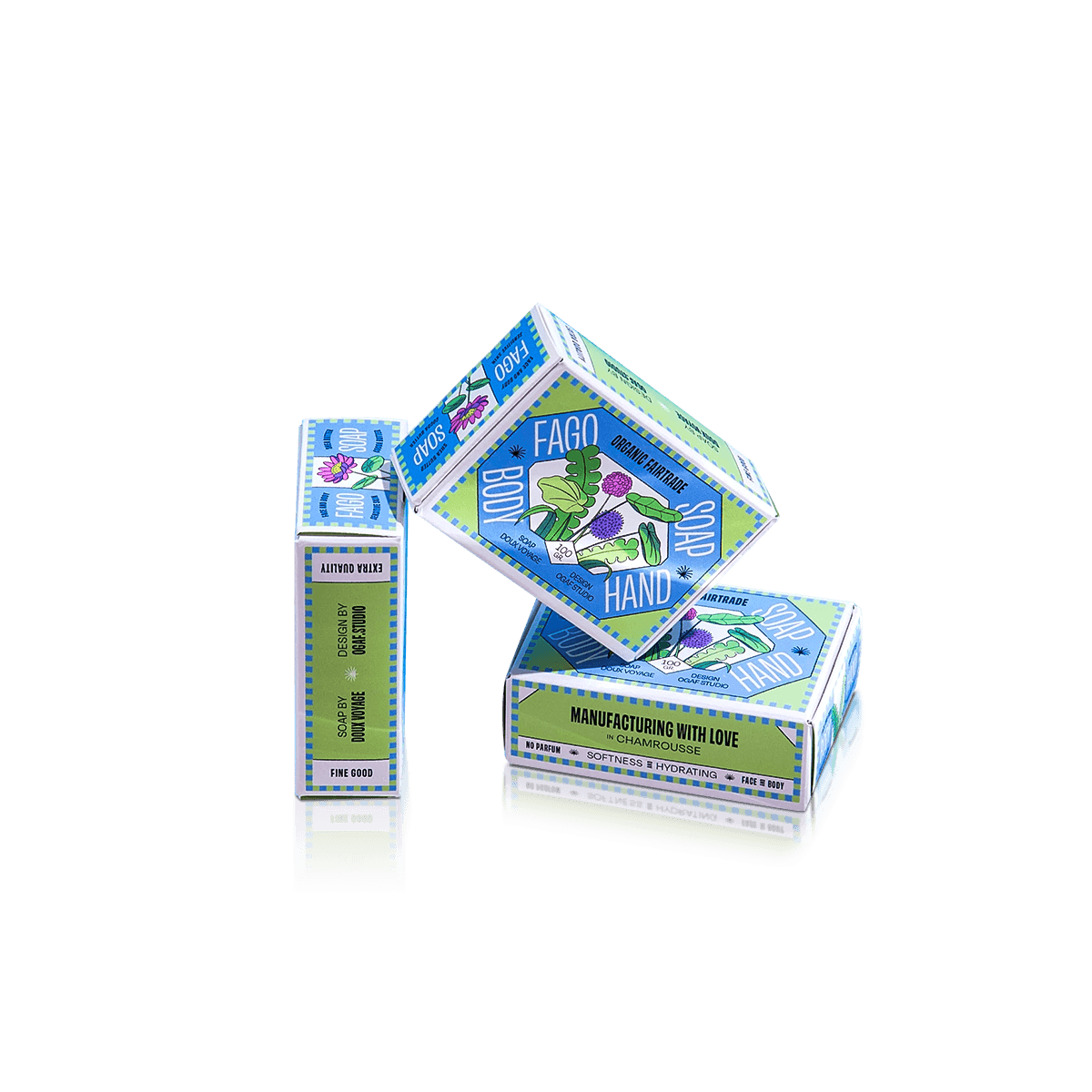
Keep the footprint close to the contents and avoid tall openings that need extra clearance under mirrors or shelving. If soap is part of the set, the packaging needs to reflect the real wrapped or boxed product rather than treating every bar as the same rectangle. Soap boxes are useful when individual bars need their own fitted outer carton before they are grouped into the room presentation.

Bedside and Wardrobe

Slippers, sleep accessories, stationery or small grooming items often have more freedom in shape, but placement still matters. A pack inside a drawer or wardrobe should open without needing to be removed completely, while a bedside pack can place more emphasis on the front or lid because it remains visible.

A sleeve, shallow carton or tray can sometimes work better than a deep gift box simply because staff can see, lift and replace the item faster.

Spa and Treatment Areas

Spa amenities may include small bottles, sachets, treatment accessories or aftercare items that need a calmer presentation. If the guest is meant to use the contents during or immediately after a treatment, opening should be obvious and low-friction.

Premium presentation can still be appropriate, but the structure should not slow staff between appointments.

Make Missing Items Easy to Spot

Housekeeping should be able to tell quickly whether the amenity set is complete. Internal organisation can therefore serve a staff-facing purpose as well as a guest-facing one.

Give Each Essential a Known Position

When a box always contains the same items, fixed positions make shortages easier to notice. A missing razor, vanity kit or small bottle is more obvious when the layout has a defined place for it than when everything sits loose under tissue.

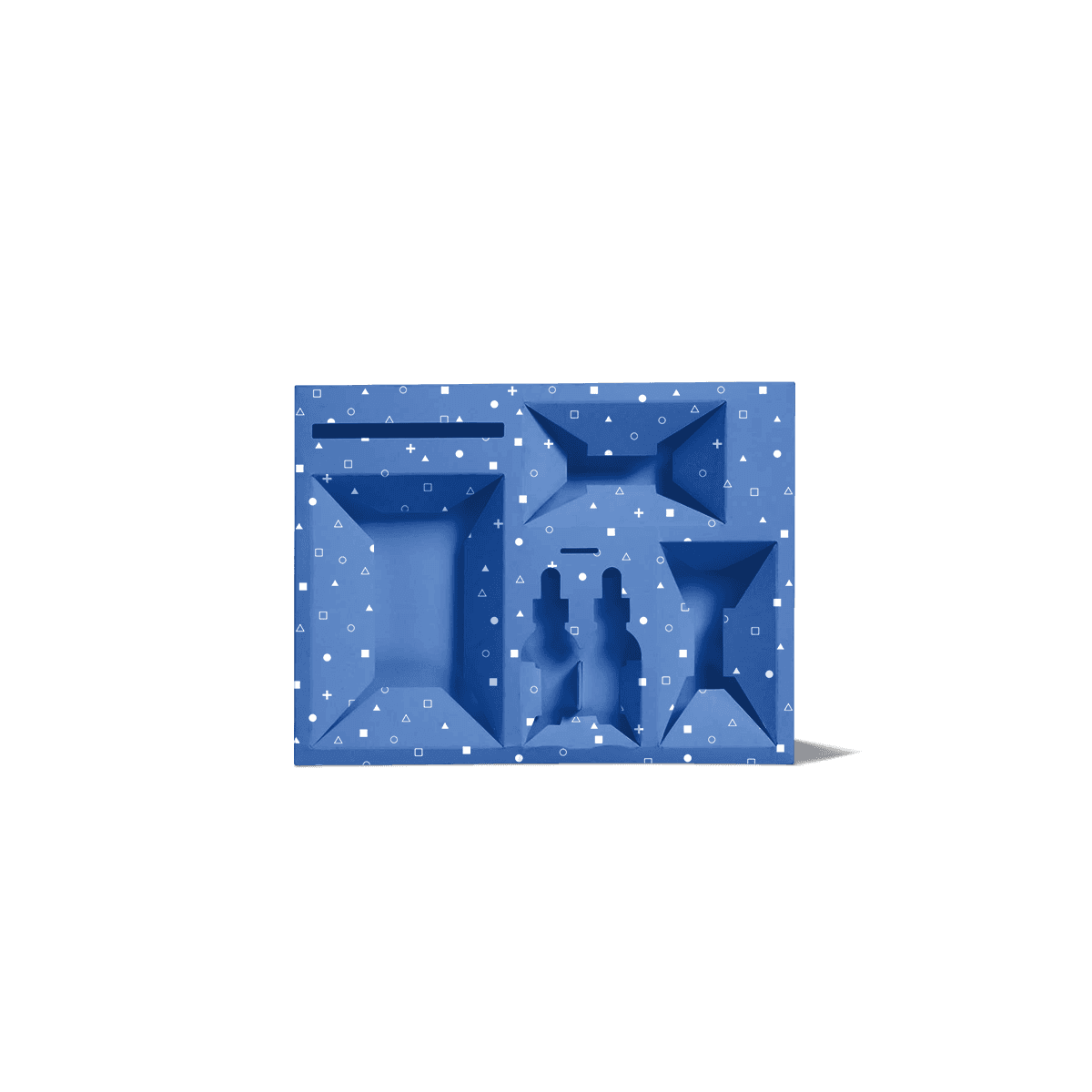
Inserts and dividers can help when repeated products need separation or when one missing item would otherwise be difficult to see. For bottles or jars that need support from underneath, cardboard cradle inserts can create a more controlled seat without making the entire pack heavy.

Do Not Compartmentalise Everything

A fixed cavity for every cotton pad, sachet or lightweight accessory can make the pack slower to fill and harder to adapt. Use structured holding only where it improves counting, positioning or protection.

For simple dry amenities, a clean carton with one divider or folded platform may be enough. The goal is quicker checking and neater placement, not the most complex interior possible.

Measure the Placement Zone

Product dimensions are only half the size decision. The box also has to fit the physical space where hotel staff will place it.

Measure the available counter, shelf, drawer or tray area before finalising the outer footprint. A box that fits the products perfectly can still be wrong if it overhangs a vanity tray, blocks another dispenser or cannot sit neatly beside existing room items.

Height also matters. Deep boxes consume visual space and storage volume quickly, especially when the contents are flat. A shallow tray-and-cover arrangement can sometimes keep several guest essentials organised without making the room setup feel bulky.

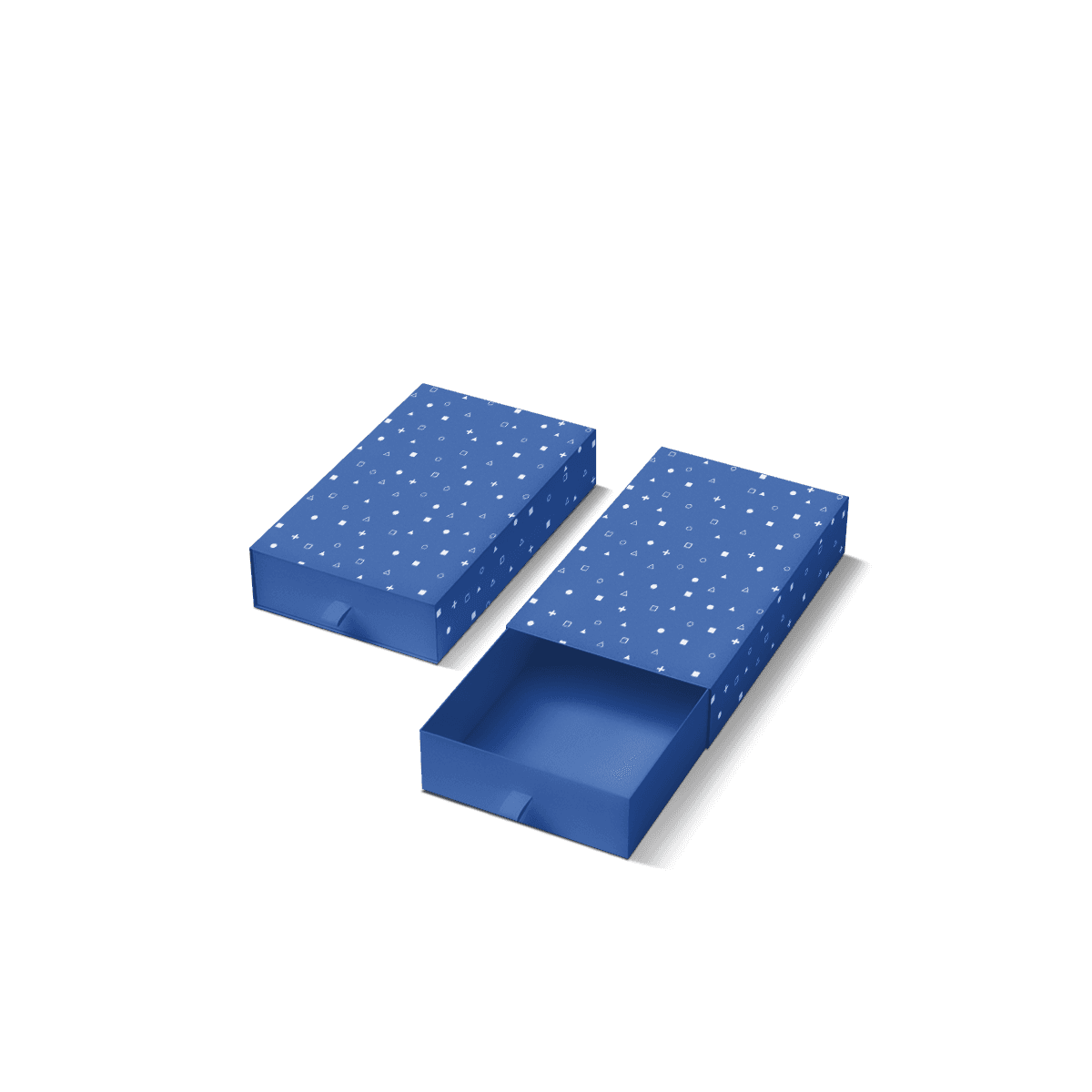
For amenities that benefit from a controlled slide-out presentation, tray and sleeve boxes can give access without requiring a large lift-off lid. Use that structure only when the sliding motion remains easy for both guest and staff.

Treat Bathroom Moisture as a Placement Risk

Paper-based packaging and wet bathroom surfaces are a poor combination unless the placement is planned carefully.

Do not assume a decorative finish will make paperboard suitable for direct water exposure. If the box will sit beside a basin, shower or spa treatment area, keep it away from splash zones and confirm how the surface will behave under normal room conditions.

A coating or laminate may improve scuff resistance and wipeability, but material choice should still follow the real environment. The differences between paperboard, corrugated and rigid packaging matter here because each brings a different balance of storage efficiency, stiffness and presentation.

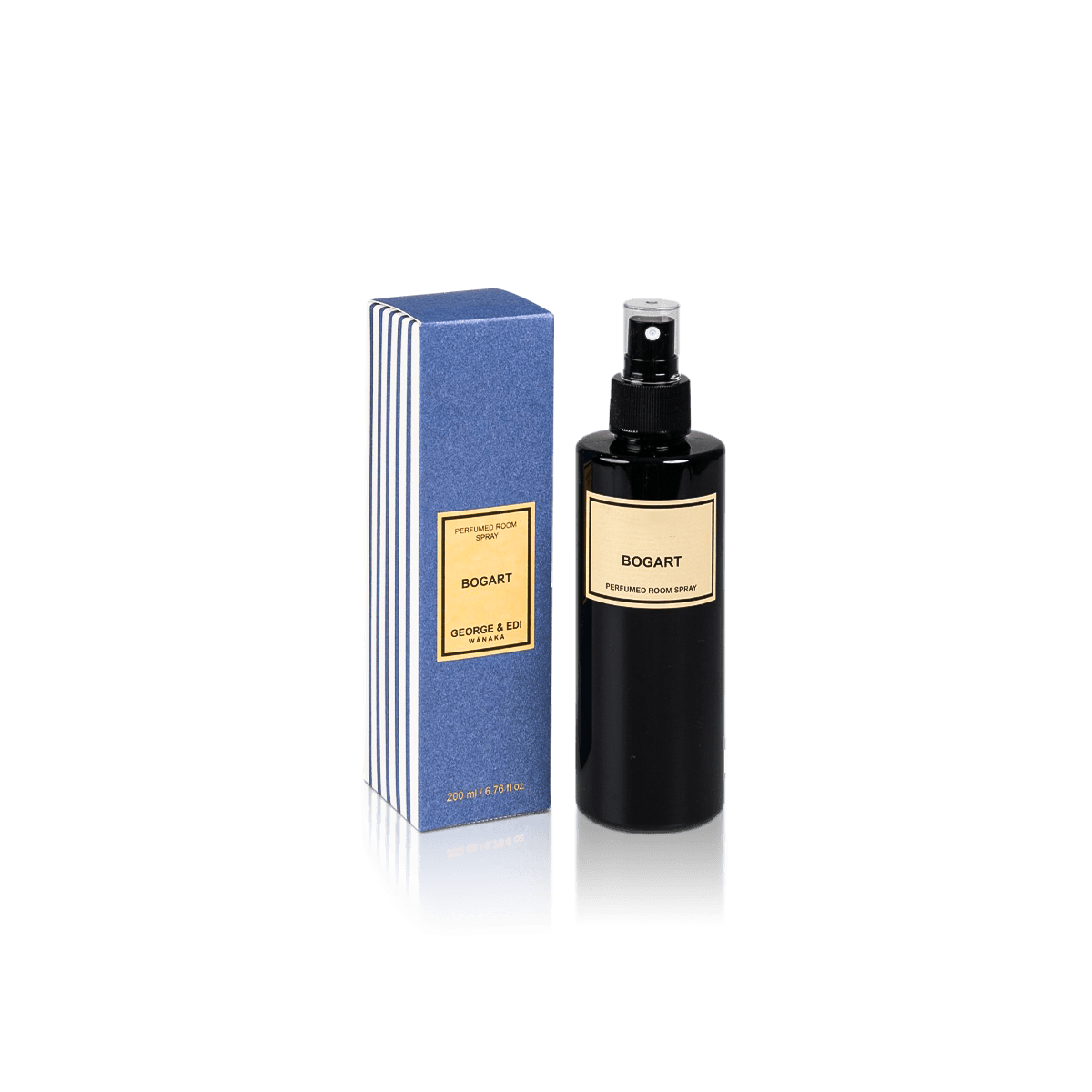
For individual bottles such as room fragrance or spray products, use packaging made around the actual container rather than relying on the amenity box to provide all protection. Room spray boxes can handle bottle fit, neck clearance and printed information before the item becomes part of a larger hospitality set.

Build for the Housekeeping Trolley

Hotel amenity packaging spends much of its life away from the guest room. It may be stored in cartons, moved on trolleys, counted in cupboards and handled repeatedly before placement.

Avoid Fragile Outer Detail

Loose ribbons, protruding closures and easily marked finishes can look attractive in a sample but become troublesome during routine handling. If several units rub against each other in storage, the finish needs to stay presentable without requiring individual protective wrapping.

This is where restraint can outperform decoration. Extra wrapping, slow assembly and bulky finished stock can cost more than the decorative finish itself. Common packaging cost mistakes shows why labour, storage and handling should be considered alongside the quoted unit price.

Keep Replenishment Units Consistent

If one room receives one complete amenity box, make the pack count unambiguous. If staff replenish individual items within a reusable presentation setup, the secondary cartons or sleeves should be easy to identify by product and variant.

Small side-panel coding, fragrance names or room-tier identifiers can help staff pick the right unit without changing the guest-facing design dramatically.

Test the Reset, Not Just the Reveal

Before approving a recurring amenity set, ask staff to run several filled units through a normal room reset. Check how quickly the correct version can be identified, whether the item count is obvious, whether the box fits its intended surface and whether unused stock returns cleanly to the trolley or cupboard.

Run the test with the real packed contents and actual placement zone. For tight inserts or unusual bottle combinations, a paid custom sample can still be justified, but the decision should come from a specific fit or handling risk rather than being treated as a standard step for every amenity carton.

The final approval should answer two practical questions: can the guest use it easily, and can staff reset it consistently?

Separate Amenities From Welcome Gifts

Hotel Amenity Boxes and Welcome Gift Boxes can appear in the same property, but they solve different problems.

A welcome box is usually a one-time arrival gesture. It may contain treats, messages, local products or information linked to a particular stay. Its value comes from the first impression.

Hotel amenity boxes support routine room use. They organise toiletries, grooming items, spa essentials or other guest necessities that housekeeping may need to replace again and again. They should therefore favour repeatable placement, easy identification and efficient storage over a theatrical reveal.

If the contents only exist for a VIP arrival, celebration or event stay, welcome gift boxes are likely the better brief. If the same amenity set needs to appear correctly across dozens or hundreds of room resets, operational consistency should lead.

Standardise Without Flattening Room Tiers

Hotels often need different amenity levels for standard rooms, suites, spa packages or executive stays. That does not mean every tier needs a completely different packaging system.

Keep Shared Dimensions Where Sensible

If the product sizes are close, one outer footprint may support several room tiers through different inserts, sleeves or printed identifiers. That can simplify storage and help staff recognise how the boxes stack and fit on trolleys.

Do not force a common size when a premium tier contains materially larger bottles or extra products. Empty space makes the higher-tier set look poorly planned and wastes storage volume.

Use Visible Coding for Staff

The guest-facing branding can remain restrained while a discreet side, base or internal code helps housekeeping distinguish Standard, Suite or Spa versions quickly.

This is especially useful when the boxes look intentionally similar from the front. Operational identification should not depend on staff opening every unit to confirm what is inside.

Choose the Lightest Structure That Works

Routine amenity packaging rarely needs the same physical weight as a keepsake gift box.

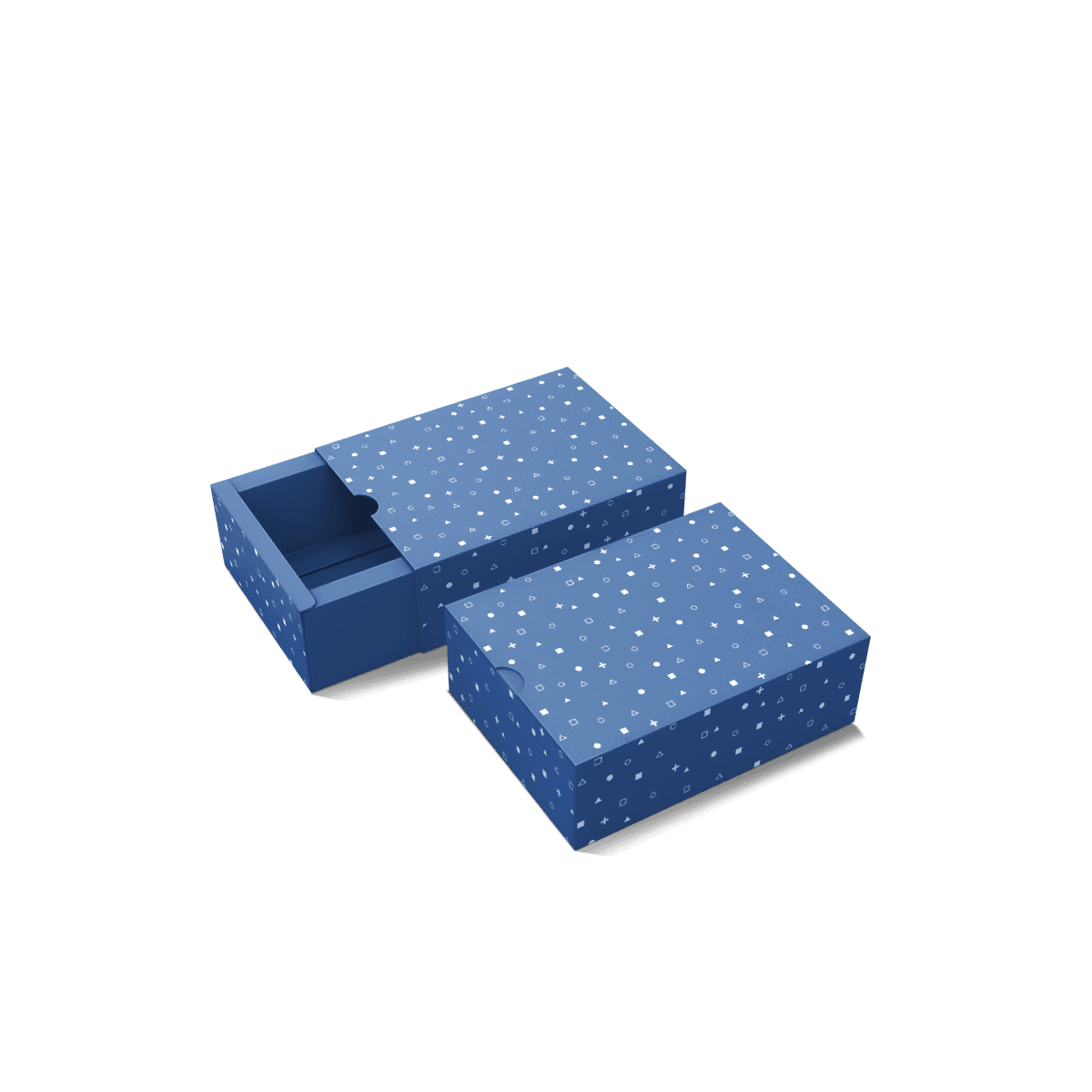
Folding paperboard cartons are often the strongest starting point for dry, lightweight guest items because they store flat, print cleanly and are quick to handle. Sleeve packaging can work when an existing tray, soap, kit or grouped item needs a branded outer layer without adding a full second box.

Rigid structures make more sense when the amenity set belongs to a high-value suite, spa treatment or retained presentation where the box itself has lasting value. The decision should follow frequency of use and operational burden, not the assumption that hospitality always needs heavy packaging.

Where staff must assemble cartons repeatedly, keep folds and closures simple. A visually unusual opening loses value if it slows every room reset.

Brand for Repeat Room Use

Hotel rooms already contain many visual signals: linen, fixtures, menus, bottles, cards and signage. Amenity packaging should belong to that environment rather than compete with it.

Use the main box for stable property branding. Colour, logo position and typography should be easy to reproduce across repeat orders. If seasonal messages, spa packages or room tiers change regularly, a sleeve, label or insert card can carry the variable information instead.

Premium offset printing can help when brand colours and fine artwork need to stay consistent across repeat runs. Before final artwork is approved, make sure folds, glue areas and visible panels are understood. Packaging dielines and artwork setup explains why a design that looks balanced on a flat screen still needs to be checked against the real folded structure.

Custom Packly can also support repeat hospitality orders with warehousing and scheduled deliveries where holding the full packaging quantity on-site would be inefficient.

Quote by Room Type and Refill Pattern

For hotel amenity boxes, the useful brief is more operational than a generic box-size request.

Share the amenity list for each room or treatment tier, the finished dimensions and weight of every packed item, where the box will sit, how many complete units are needed and whether staff place a new box each time or replenish an existing presentation.

If Standard, Suite and Spa versions share some contents, show that split clearly. Also note any bottles, liquids or delicate finishes that need extra separation and whether the packaging will be stored on-site in bulk or supplied in scheduled batches.

Use the custom packaging quote with room types shown as separate lines. Where two tiers share the same outer size, flag that explicitly so pricing can test whether the insert or printed identifier can change without creating another complete box specification.

FAQs

The best board depends on the contents and the level of presentation required. Folding box board works well for dry items, printed branding and standard room sets. If the amenity mix includes heavier bottles, multiple compartments or a more gift-like reveal, a thicker construction or rigid board route usually performs better. The right choice balances appearance, weight and housekeeping handling.

Not always, but inserts become very useful when the set includes more than one item type. Mini bottles, soaps, grooming tools and stitched accessories look neater and stay more secure when each item has a fixed position. Inserts also help during refills because staff can spot missing pieces quickly. For single-item or flat-kit presentations, a simple carton may be enough.

A rigid box is the stronger choice when the amenity set is part of a premium room experience, VIP welcome, spa treatment or executive gifting moment. It offers a firmer feel and a more elevated opening experience. A folding carton is usually better for routine in-room use because it packs faster, stores flatter and keeps unit costs more controlled.

Usually less is more. A hotel amenity box should look considered, not crowded, especially when it sits in a guest room or bathroom setting. A strong logo position, a refined colour palette and selective inside printing often work better than covering every panel. If the pack is part of a seasonal stay or event welcome, you can add tailored messaging without losing the clean hospitality feel.

Start with the full contents list, exact product dimensions and how the set will be packed. Then confirm whether the contents are dry or liquid, whether inserts are required, where the box will sit in the room and how it will be stored before use. It also helps to confirm finish choice, scuff resistance and whether housekeeping needs a faster opening style.

Process

How it works

Your Packaging Journey, From Idea to Production and Delivery

01

Tell Us Your Specs

Custom packaging boxes

Tell Us Your Specs

Provide size, quantity, printing, and finishes.

02

Get a Fast Quote

Custom packaging boxes

Get a Fast Quote

Instant transparent pricing, no hidden fees.

03

Design and Approval

Custom packaging boxes

Design and Approval

Artwork checks, revisions, and final sign-off.

04

Produce

Custom packaging boxes

Produce

Expert manufacturing to meet deadlines.

05

Ship to Your Door

Custom packaging boxes

Ship to Your Door

Hassle-free, flexible delivery options.

Get Your Quote for Custom Hotel Amenity Boxes

Share your product details, dimensions, quantity and artwork needs. We’ll help choose the right packaging style and send a clear quote.