Skip to content
Details

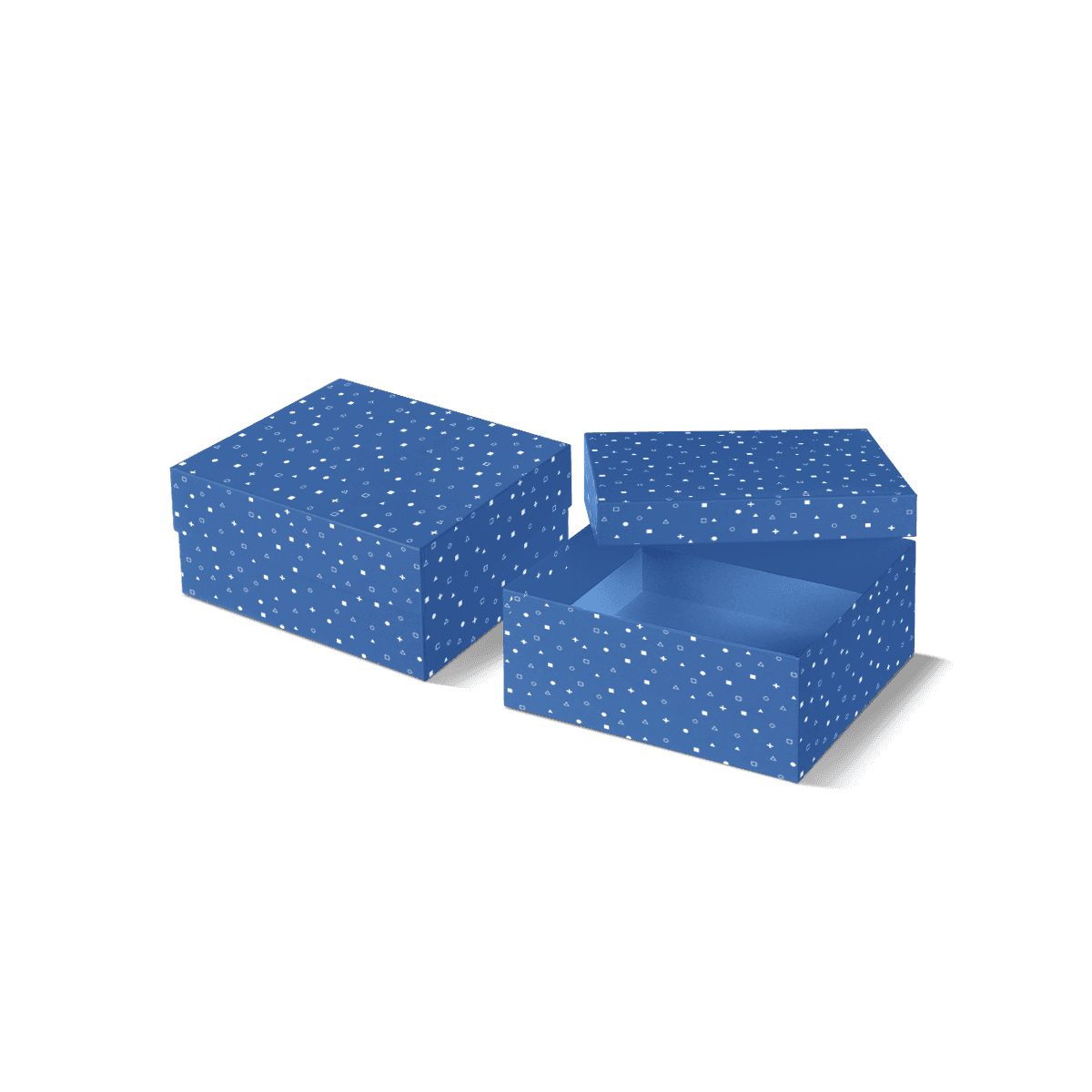
Custom Ring Boxes

Ring boxes protect delicate jewellery and shape the first reveal at the same time. Choose compact rigid styles, precise inserts and branded finishes for retail counters, gifting moments, bridal collections and secure online delivery.

Protect the Setting First

A ring can fit inside a box and still be badly presented. If the insert is too loose, the piece rotates or leans. If it grips the wrong area, the setting can sit under pressure. If the lid is too shallow, a raised stone or claw can touch the interior before the box is fully closed.

That is the main job of custom ring boxes: hold the band securely while leaving the setting free. The box should open with the ring already facing the customer, not require someone to straighten it after every movement. For proposal, bridal and fine-jewellery packaging, that first position matters as much as the exterior finish.

A compact case also magnifies small specification errors. A few millimetres of poor clearance or an insert slot cut for the wrong band profile can affect the whole reveal, so the ring itself should drive the interior before colour, foil or surface finish is chosen.

Size for the Highest Point

The safest starting point is the tallest finished ring you expect the box to hold. Measure the ring in the position it will actually sit, including the setting, shoulders and any raised decorative detail. Do not size the case from the band alone.

Ring Size Is Not Box Size

A UK ring size tells you about finger fit. It does not tell you the packaging depth required for a solitaire, halo, signet or sculptural setting. Two rings with the same finger size can need very different lid clearance and insert support.

For a collection, record the band width, the widest setting footprint and the highest point above the insert surface. If several designs share one box, use the most demanding profile as the starting test rather than the average ring.

Leave Real Lid Clearance

The lid should close without the stone, claws or shoulders touching the lining. Extra depth is not automatically better, though. Too much empty space can make a delicate ring look lost and can weaken the sense of scale during presentation.

If the range contains unusually tall or asymmetrical settings, Custom Packly's packaging team can review the fit 24/7 before the specification is locked. That is more useful than choosing a standard case depth and hoping the tallest piece clears it.

Grip the Band, Not the Stone

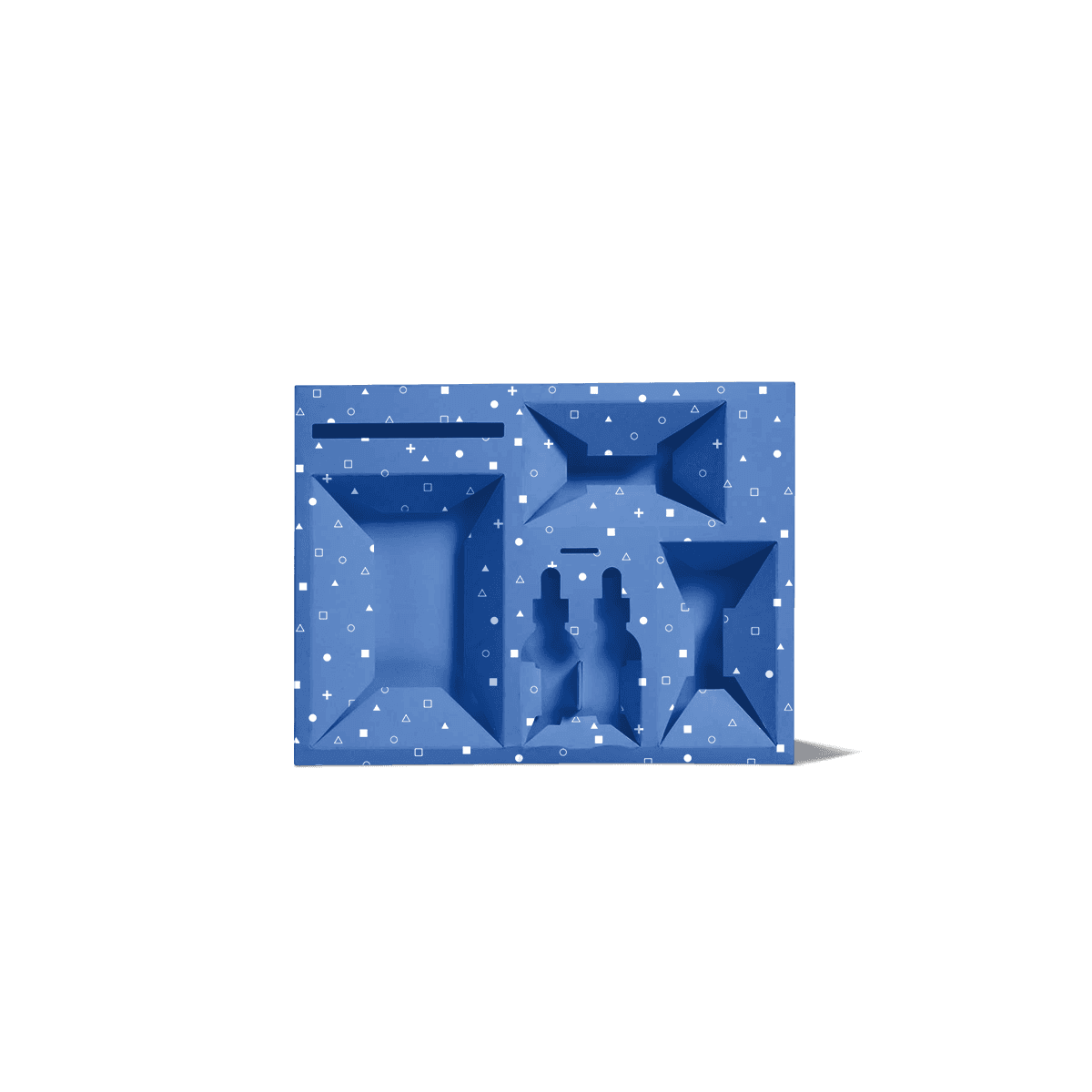
A ring insert should restrain the shank while keeping pressure away from the setting. The slit, pad or shaped support needs enough resistance to stop rotation without forcing the band into an awkward angle.

For broader decisions about interchangeable interiors, mixed jewellery layouts or several product types, Jewellery Box Inserts covers the wider insert problem. A ring box is narrower in purpose: its interior should control one ring or a defined pair with repeatable orientation.

Single Rings

For one ring, the centre position usually gives the cleanest visual balance. A top-heavy ring may need more support below the mount so it does not pitch forward even when the band itself feels secure.

The removal action matters too. The customer should be able to lift the ring without digging into the insert or pulling against a tight slit. Retention and release have to work together.

Paired Bands

Wedding bands or paired rings need independent holding points with enough separation to prevent contact. Do not simply widen one slit and place two bands together. Different widths can pull against each other and polished surfaces may rub during handling.

If one ring has a raised setting and the second is a plain band, check both the side-to-side spacing and the highest point before choosing the final case depth.

Choose the Reveal Speed

The opening style changes how the ring is presented. A classic lift-off lid creates a deliberate two-part reveal. A hinged case can open in one controlled movement. A drawer style slows the interaction further but changes how the ring first enters view.

For traditional gift presentation, Rigid Lid and Base Boxes give a useful structural reference. The wider Rigid Boxes options also help when the decision is really about closure, depth and keepsake value rather than the ring alone.

Custom Packly can handle the case, insert, print, artwork and outer protection as one packaging project rather than treating each part separately. That one-stop approach is useful when a premium ring box also needs a sleeve, presentation card or delivery layer that must fit the finished case.

The best choice is not always the most theatrical one. Retail teams may prefer a lid that opens quickly and closes repeatedly without disturbing the ring. Proposal packaging may justify a slower reveal if the ring stays perfectly oriented throughout the movement.

Decide Where It Travels

A presentation box and a shipping box solve different problems. A rigid ring case may protect the jewellery well during handover yet still need an outer pack to protect its corners, wrap and finish through courier handling.

For ecommerce, size the outer Jewellery Mailer Boxes around the finished presentation case, not around the ring. The aim is to stop the inner case travelling inside an oversized shipper while keeping enough protection around it.

The Fragile Product Packaging advice is relevant here because stronger outer packaging does not automatically solve internal movement. If the ring rotates inside its presentation case, making the mailer heavier will not correct the real problem.

This also changes what needs to be tested. A counter-only box should be assessed for repeated opening, display handling and surface wear. A box sold online needs those checks plus a sensible outer layer for delivery.

Keep Small Branding Legible

Ring boxes give you very little visual space, so detail has to earn its place. A compact lid usually benefits from one clear focal point rather than several competing finishes, messages and decorative elements.

Premium offset printing can keep logos, fine lines and repeat brand colours controlled across a run. Foil, embossing or debossing can then add hierarchy without turning the lid into a miniature catalogue of effects. The packaging customisation options show how print, papers and finishes can be combined across a complete specification.

The practical rule is simple: judge the artwork at the actual lid size. A logo that looks restrained on a large screen can feel crowded once reduced to a small ring case. The packaging design workflow is useful when artwork needs to move from brand files into production-ready panels.

Free 3D mockups help check proportion, logo position and the relationship between exterior and interior colour before production. They are especially useful when the box uses a dark wrap, metallic foil or inside printing and the visual balance is hard to judge from flat artwork alone.

One Case, Several Rings

Standardising one outer case across a ring collection can simplify presentation, but only when the internal profiles remain compatible. A shallow wedding band and a high solitaire may share the same footprint while needing very different vertical space.

One practical route is to keep the exterior dimensions and branding consistent while changing the insert specification for defined ring groups. That works best when the lid clearance is still appropriate for every group. If one profile forces excessive depth for the rest, splitting the range into two case depths usually gives a cleaner result.

This is where unlimited customisation has practical value rather than decorative value. The box can be tailored around ring geometry, insert angle, lid depth and opening style instead of forcing every SKU into a stock cavity.

MOQ starts from 100 boxes, which suits a focused collection launch without moving straight into a very large run. For planned launches and replenishment, Custom Packly provides guaranteed 4–6 working day production and delivery.

If material choice is still open, Paperboard vs Corrugated vs Rigid Packaging explains why rigid board suits presentation-led products while lighter paperboard can make more sense for lower-value or faster-moving retail lines.

Approve the Packed Ring

Do not approve a ring box only because the empty case looks good. The meaningful check is the box with the actual ring fitted, closed and reopened several times.

Look for five things: the ring stays facing forward, the band does not twist in the insert, the setting clears the lid, the piece can be removed without force and the interior returns to a neat presentation after handling.

Artwork also needs its own production check. If the project includes a printed sleeve, folding carton or mailer around the presentation case, the free dieline generator can provide a starting template for supported box styles. The packaging dieline explanation is useful for checking cut lines, crease lines, bleed and safe areas before artwork is signed off.

An established packaging partner should be able to challenge a specification that looks attractive but fails one of these physical checks. Custom Packly's experience covers sizing, inserts, artwork, printing, finishing, production and repeat orders, so the ring and the surrounding packaging can be reviewed as one system.

Do Not Force Sets Into It

A compact ring case is strongest when the ring deserves a focused single-item reveal. It becomes less convincing when several unrelated pieces are squeezed into the same footprint simply to keep one box style across a collection.

If a ring is sold with a pendant, bracelet or several coordinated pieces, start from the wider Jewellery and Accessories options and choose the interior around the full set. A larger presentation layout can control spacing and sequence without making the ring box oversized.

The same applies at the lower end of the price ladder. A rigid keepsake case may be unnecessary for a fast-moving fashion ring that is mainly displayed on cards or sold in volume. Custom Packaging can cover lighter structures when the job is more about efficient branded presentation than ceremony.

The decision rule is straightforward: use a ring box when compact focus, secure orientation and the reveal itself add value. Choose another route when the ring is only one part of a larger product story.

Quote the Ring Profile

The most useful starting information is not a generic box size. Share the highest ring setting, band width, whether the case holds one ring or a pair, the position you want the ring to face and the opening style you prefer.

Also state where the case will be used: proposal or gifting, retail counter, click-and-collect or ecommerce delivery. Those details decide how much emphasis belongs on lid clearance, repeated handling, outer protection and presentation weight.

Use the instant quote once the ring profile and intended reveal are clear. That gives the packaging team enough information to recommend the case depth, insert direction and structure without forcing the product into a generic specification.

FAQs

A slit insert that holds the band securely is usually the safest route for ring boxes. It keeps the ring upright and stops rotation during handling. For taller settings or heavier pieces, the insert should also support the base of the mount rather than only gripping the shank. Confirm the band width and stone profile before approving production.

The lid should clear the highest point of the ring without pressing on the stone or claws. A slim wedding band can sit comfortably in a shallow case, while halo rings, solitaire mounts and sculptural settings often need extra internal height. The safest approach is to test the tallest product in the range, not the average piece.

Yes, but the ring box should not act as the only transit layer. A rigid presentation case looks strong in the hand, yet ecommerce delivery still needs an outer mailer or shipping carton to absorb impact and protect corners. This route works well when the inner box is designed for presentation and the outer pack handles transport stress.

A ring box is the better route when one compact piece needs a focused reveal and a secure upright fit. Necklace boxes are better for chains, pendants or coordinated sets because they provide more length and prevent tangling. If the product includes matching items, splitting the range across dedicated box types usually creates a cleaner result.

Confirm five things early: ring orientation, band width, stone height, insert material and sales channel. It also helps to lock the opening style, finish level and whether the box will sit in a retail tray or inside a postal pack. Those details affect internal fit, lid depth, branding area and how efficiently the box can be packed.

Process

How it works

Your Packaging Journey, From Idea to Production and Delivery

01

Tell Us Your Specs

Custom packaging boxes

Tell Us Your Specs

Provide size, quantity, printing, and finishes.

02

Get a Fast Quote

Custom packaging boxes

Get a Fast Quote

Instant transparent pricing, no hidden fees.

03

Design and Approval

Custom packaging boxes

Design and Approval

Artwork checks, revisions, and final sign-off.

04

Produce

Custom packaging boxes

Produce

Expert manufacturing to meet deadlines.

05

Ship to Your Door

Custom packaging boxes

Ship to Your Door

Hassle-free, flexible delivery options.

Get Your Quote for Custom Ring Boxes

Share your product details, dimensions, quantity and artwork needs. We’ll help choose the right packaging style and send a clear quote.