Skip to content
Details

Custom Luxury Paper Bags

Build the premium feel from proportion and paper first, then add handles and finishes only where they improve the presentation.

Luxury Needs Coherence

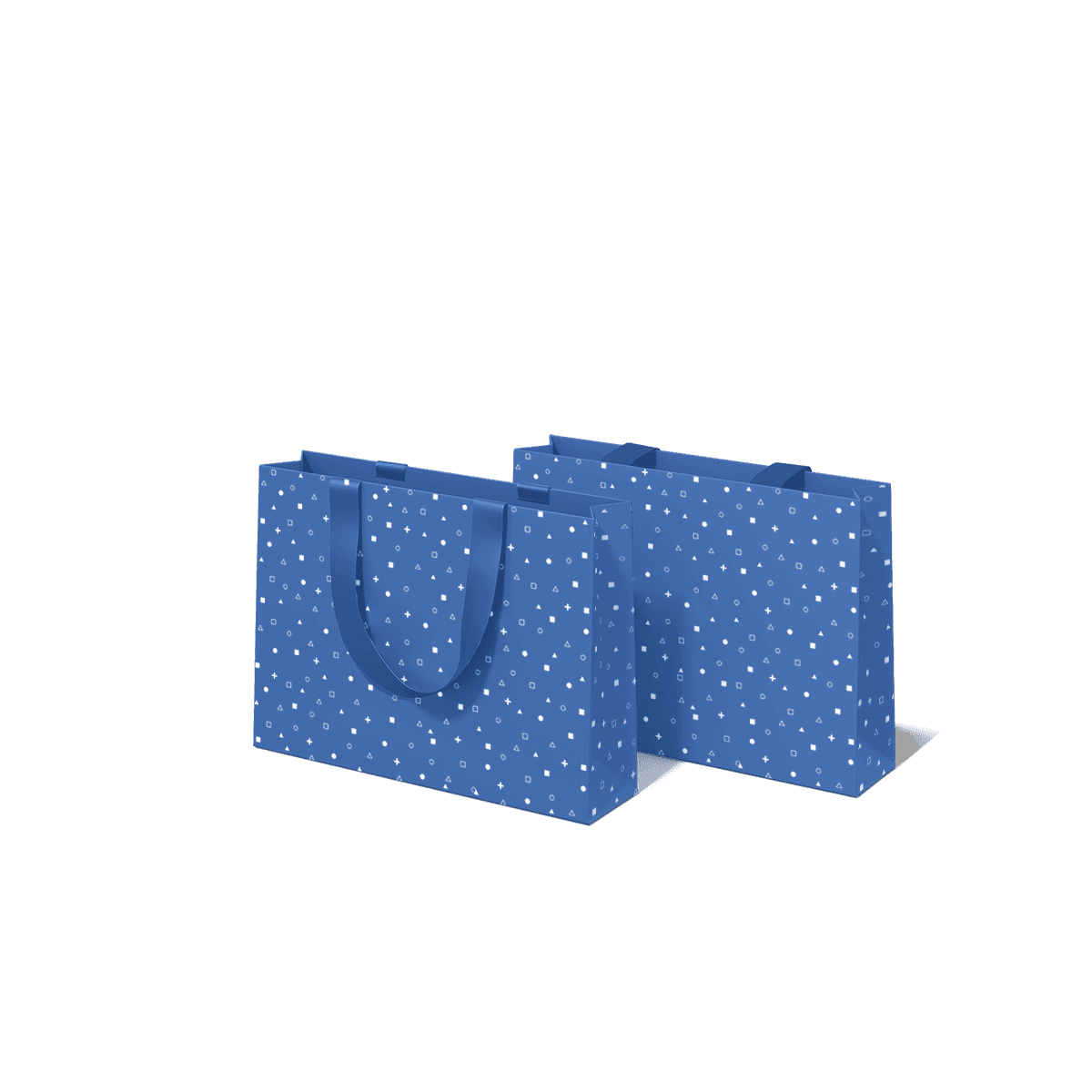
A premium paper bag feels deliberate when its proportions, paper, handles, print and finishing all speak the same visual language. Custom Luxury Paper Bags should therefore be specified as one presentation system rather than as a basic carrier with several expensive upgrades added afterwards.

This level of specification makes sense for fine confectionery, fragrance launches, boutique gifting, hotel welcome sets, seasonal presentation and other purchases where the carrier remains part of the experience after the product leaves the counter.

The strongest result is not necessarily the heaviest or most decorated bag. A restrained paper surface, accurate proportions and one well-chosen finish can feel more premium than several competing effects.

The bag should earn its specification by matching the value, setting and presentation of the product inside.
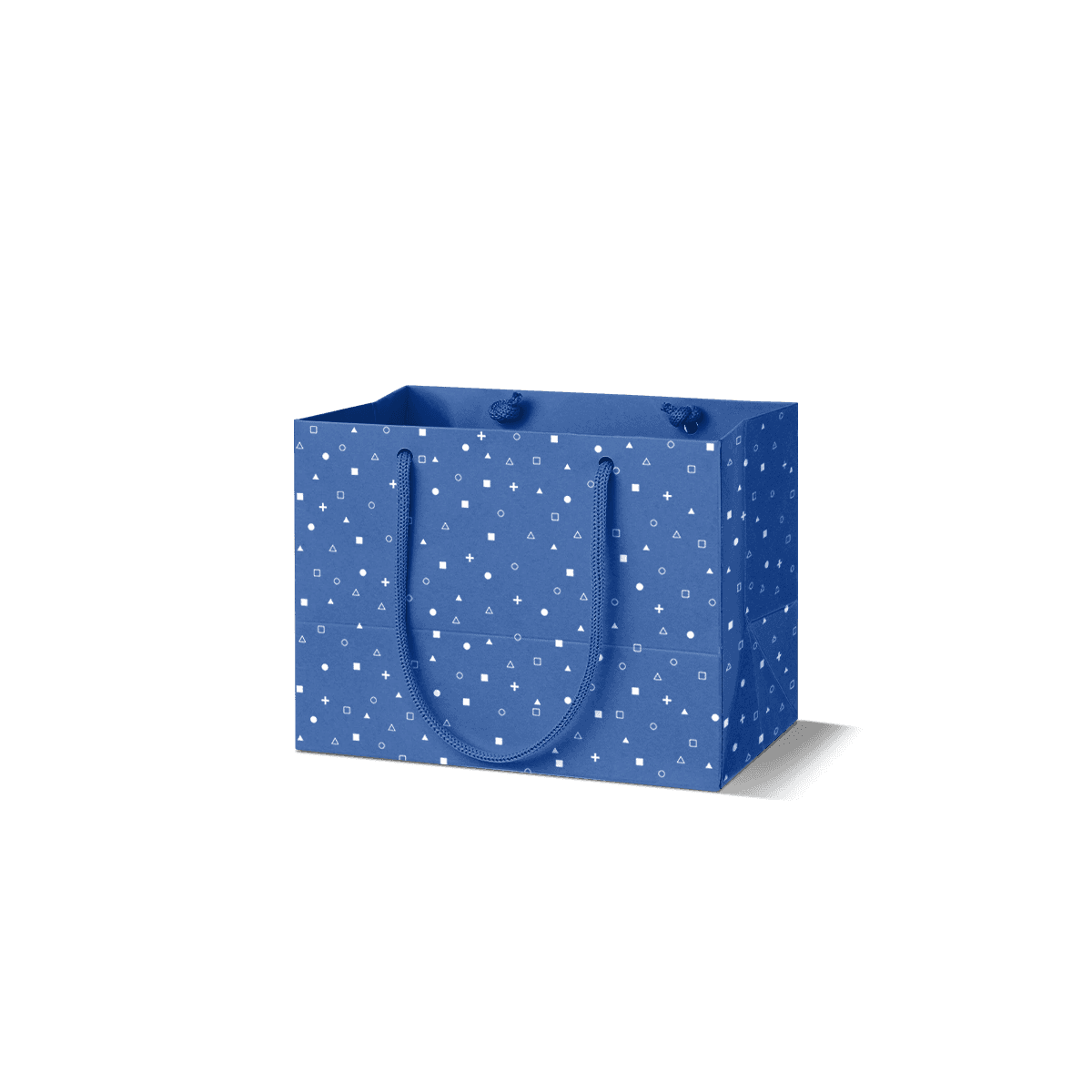
Match the Purchase Value

A luxury carrier should make sense beside the product rather than trying to create value the product presentation does not already support.

A premium rigid jewellery box placed inside a thin oversized carrier creates a mismatch. So does an inexpensive everyday product inside an unnecessarily elaborate laminated bag with ribbon, foil and interior printing.

For brands coordinating the carrier with boxes, cartons or presentation pieces, custom luxury packaging can help align the complete presentation while this page remains focused specifically on the paper bag.

Start With the Inner Pack

Measure the boxed or wrapped purchase as the customer receives it. Width, gusset and height should allow easy loading while keeping the contents visually controlled.

Gift boxes, candles and skincare sets often need more base depth than folded clothing. Jewellery may need very little overall volume but still justify a highly finished carrier because the handover carries commercial importance.

The bag should therefore be specified from the packed product, not from an arbitrary idea of what a luxury bag normally looks like.

Avoid Empty Volume

Oversizing is an easy way to make premium packaging feel less deliberate. A small jewellery box sliding around the bottom of a large carrier weakens presentation and uses extra paper without improving the experience.

Leave useful clearance for tissue, wrapping and multiple-item purchases, but do not add volume simply to make the bag look more substantial.

For stores selling products at several scales, custom retail packaging can coordinate a small set of purposeful sizes instead of stretching one carrier across every transaction.

Judge Paper by Feel

GSM matters, but luxury paper should not be selected from weight alone. Surface texture, stiffness, opacity, print response and how neatly the stock folds all contribute to the finished result.

Two papers at similar weights can feel noticeably different once formed into a bag.

Uncoated Can Feel Richer

Uncoated papers can create a quieter, tactile finish where visible paper texture is part of the identity. They suit restrained typography, foil details and brands that want the material itself to remain noticeable.

Natural and coloured papers also influence printed colour. A Pantone reference printed on a bright white coated stock will not necessarily look identical on a warmer or textured sheet.

For understated premium design, the principles behind packaging design ideas are useful: proportion, material and hierarchy can carry more visual weight than extra decoration.

Smooth Stock Controls Colour

A smoother white or coated surface can suit detailed graphics, stronger CMYK colour and artwork where consistent reproduction matters more than visible paper texture.

Neither direction is inherently more luxurious. The better choice is the one that supports the brand and the finished artwork.

FSC-certified papers can also be specified where required. If recyclability matters, assess the complete finished bag rather than assuming the paper alone determines the answer because lamination, foil, adhesives and handle components can affect disposal.

Choose Handles Last

A luxury bag is not defined by one handle type. Across custom paper bags, the handle should follow the product weight, bag proportions and intended presentation rather than being selected first simply because one style appears more premium.

That distinction matters because rope handle paper bags have their own buying problem: cord diameter, drop length, punched fixing points and grip behaviour. Use that style when the rope itself is central to the specification.

Rope Adds Substance

Rope can suit premium fashion, cosmetics, candles and boxed goods where a softer, more substantial hand grip supports the presentation.

The handle colour can coordinate with print or intentionally contrast with it, but physical references are useful when a close colour match matters.

Ribbon Changes the Mood

Ribbon creates a more gift-led feel and can work especially well for jewellery, beauty, events and seasonal presentation. Width, material and tying or fixing method affect both appearance and use.

It should not be added automatically because the word “luxury” appears in the brief. Ribbon makes sense when its softer visual character supports the product and occasion.

Simpler Can Still Look Premium

A highly considered bag does not always need rope or ribbon. A restrained carrier with excellent paper, proportion, print and a simpler handle can still support an expensive purchase.

If the job is regular daily carrying rather than premium presentation, twisted handle paper bags may be the more commercially sensible specification.

Hold the Shape Well

A luxury carrier is judged before it is lifted and again when it is full. Poor top edges, a sagging base or deeply distorted side gussets are much more noticeable when the rest of the packaging is positioned as premium.

Support the Top

Turned-over top edges and suitable reinforcement can give handle attachment points a firmer foundation and create a cleaner upper finish.

The amount of support should follow the bag dimensions, paper and packed weight. Reinforcement is functional first. It should not be added simply because premium bags often have it.

Stabilise Boxed Goods

A base card can help spread the weight of dense boxed products and keep the bottom looking more controlled.

This is particularly useful when carrying candles, cosmetics, bottles or compact gift sets. Customers buying jewellery and accessories may need a much smaller carrier, but the same rule applies: support should follow the actual product rather than a standard luxury specification.

Do not ask a polished outer surface to disguise weak physical performance. If the base bows or the handles pull unevenly, the premium impression disappears quickly.

Finish One Idea Well

Foil, embossing, debossing, spot UV, matte lamination, gloss lamination and soft-touch treatments can all contribute to a premium bag. Using more of them does not automatically produce a better result.

The best finishing usually has a clear hierarchy.

Choose a Lead Detail

A foil logo on an otherwise quiet bag can create a stronger focal point than foil, embossing and spot gloss competing across the same front panel.

Embossing can add tactile depth without another printed colour. Spot UV works when controlled gloss contrast supports the artwork. Matte and soft-touch surfaces change the feel of large areas rather than acting as small decorative accents.

Before approving several processes, ask what each one contributes when the bag is actually carried.

Interior Print Needs a Moment

Inside printing can work well when opening the carrier creates a deliberate reveal, perhaps around a gift, launch set or premium event handover.

It has less value when tissue completely covers it or when customers never meaningfully see inside the bag.

The cost of custom paper bags becomes especially relevant here because luxury handles, heavier papers, interior print and additional finishes all introduce extra production work. Removing an invisible feature can protect the overall budget without making the customer-facing surface look cheaper.

A free 3D mockup can help check the scale and placement of the main finish before committing to a physical sample, particularly where foil, embossing or a restrained logo treatment needs to sit precisely on the front panel.

Control Colour Across Surfaces

Luxury packaging makes small inconsistencies easier to notice. A brand colour printed on a coated carrier, foil stamped on a logo and repeated on a rope or ribbon handle may involve three different materials and production processes.

They should be coordinated, but expecting them to appear optically identical without physical checking can create disappointment.

Pantone references can help when a particular brand colour needs tighter control. CMYK remains useful for photographic work, gradients and multi-colour artwork. Digital and offset printing helps clarify why quantity, artwork and colour requirements can change the most suitable printing route.

Premium offset printing is available where it suits the run and artwork. Custom Packly's customisation capabilities can coordinate paper, print, colour, handles and finishing as one specification rather than treating the artwork file as the entire production reference.

For repeat orders, retain approved colour references and finishing details. “Same artwork” does not by itself define the paper surface, foil, handle colour or tactile finish used on the previous run.

Design for the Setting

A luxury bag should suit where the exchange happens. A boutique checkout, jewellery appointment, hotel room and corporate event create different expectations even when each requires premium presentation.

Boutique Retail

Fashion and accessory purchases often need enough volume for tissue or several items without becoming bulky to carry. The carrier may also stay visible as the customer moves through a shopping area, so front and side artwork should remain recognisable once the bag is filled.

The wider requirements of retail and apparel packaging can help coordinate the carrier with boxes, garment packaging and other store touchpoints.

Beauty and Jewellery

Small premium products reward restraint. A compact jewellery or skincare purchase rarely benefits from an enormous carrier.

For beauty and personal care packaging, colour consistency and finish quality may matter more than overall bag size. With jewellery, proportion and tactile presentation can carry more weight than a large print area.

Events and Gifting

Gift bags may need room for several coordinated products, tissue, cards or presentation boxes. The carrier should be measured around the complete set rather than the largest item alone.

For hotel gifts, corporate packs and launch handovers, events, hospitality and gifting packaging can keep the bag visually aligned with the items presented inside it.

Sample What Screens Cannot Show

Luxury decisions are unusually dependent on touch. A digital proof can show artwork position and approximate colour, but it cannot tell you whether the paper feels sufficiently substantial, the laminate is too glossy, the ribbon feels too soft or the rope feels too heavy for the size of the bag.

Previous-work samples can help compare general paper feel, print quality and finishing before the exact specification is fixed.

When the final paper, handle, dimensions and finishing need to be experienced together, a paid custom sample is the more useful approval because it reproduces the proposed bag itself.

Check the physical sample for:

  • whether the filled bag retains its intended shape
  • how the paper feels beside the product packaging
  • whether the handle suits the loaded weight
  • whether foil, embossing or surface finish feels appropriately restrained
  • whether colours work together across paper, print and handle
  • whether the complete presentation feels proportionate to the purchase

The objective is not to prove that every premium feature can be produced. It is to confirm that the features chosen work together.

Set the Premium Priorities

Before asking for every premium treatment available, decide which two or three qualities matter most. That may be paper feel, precise colour, handle experience, compact proportions or one tactile finish.

Share those priorities with the product or presentation box through the custom packaging quote.

The specification can then protect the parts customers will genuinely notice instead of spreading the budget across unnecessary decoration. A simpler bag with stronger material and finishing decisions will usually feel more considered than one trying to display every available effect at once.

FAQs

They are the right choice when the bag needs to add to the buying experience rather than simply carry the product. This style works best for premium retail, gifting and boxed goods where surface quality, structure and handle feel all matter. If the brief is mainly about low-cost daily service, a simpler paper bag style is usually the better option.

Luxury paper bags usually focus on finish, tactile quality and stronger presentation, while Kraft Paper Bags often suit a more natural, practical and everyday brand look. If the goal is elevated gifting or polished retail handover, luxury paper bags are often the better fit. If the brand wants a simpler paper-led look with broader routine use, kraft may be the smarter choice.

Start with the product inside and the expected handover setting. Confirm finished bag dimensions, filled weight, handle style, paper thickness, base reinforcement, finish type and how much print coverage the design needs. It also helps to decide early whether the bag is meant for regular retail use, a seasonal campaign or a special event because that changes the build priorities.

Yes, and that is one of their biggest advantages. Luxury paper bags are well suited to foil work, embossing, refined colour printing and smooth surface finishes that need a stronger stock to look their best. The best result usually comes from choosing finish details that support the brand clearly rather than stacking decorative effects without a reason.

No, they are most effective where perceived value and presentation justify the upgraded build. They are excellent for boxed beauty, jewellery, fashion accessories, candles and gift-led products, but they are not always the most commercial answer for fast takeaway, grocery-style sales or everyday high-volume service. The best choice depends on product weight, price point and how important the handover experience is.

Related Industry Packaging

Process

How it works

Your Packaging Journey, From Idea to Production and Delivery

01

Tell Us Your Specs

Custom packaging boxes

Tell Us Your Specs

Provide size, quantity, printing, and finishes.

02

Get a Fast Quote

Custom packaging boxes

Get a Fast Quote

Instant transparent pricing, no hidden fees.

03

Design and Approval

Custom packaging boxes

Design and Approval

Artwork checks, revisions, and final sign-off.

04

Produce

Custom packaging boxes

Produce

Expert manufacturing to meet deadlines.

05

Ship to Your Door

Custom packaging boxes

Ship to Your Door

Hassle-free, flexible delivery options.

Get Your Quote for Custom Luxury Paper Bags

Share your product details, dimensions, quantity and artwork needs. We’ll help choose the right packaging style and send a clear quote.