Skip to content
Details

Custom Rope Handle Paper Bags

Make the rope work as well as it looks, with cord drop, reinforcement and bag proportions set around the real boxed purchase.

Cord Changes the Carry

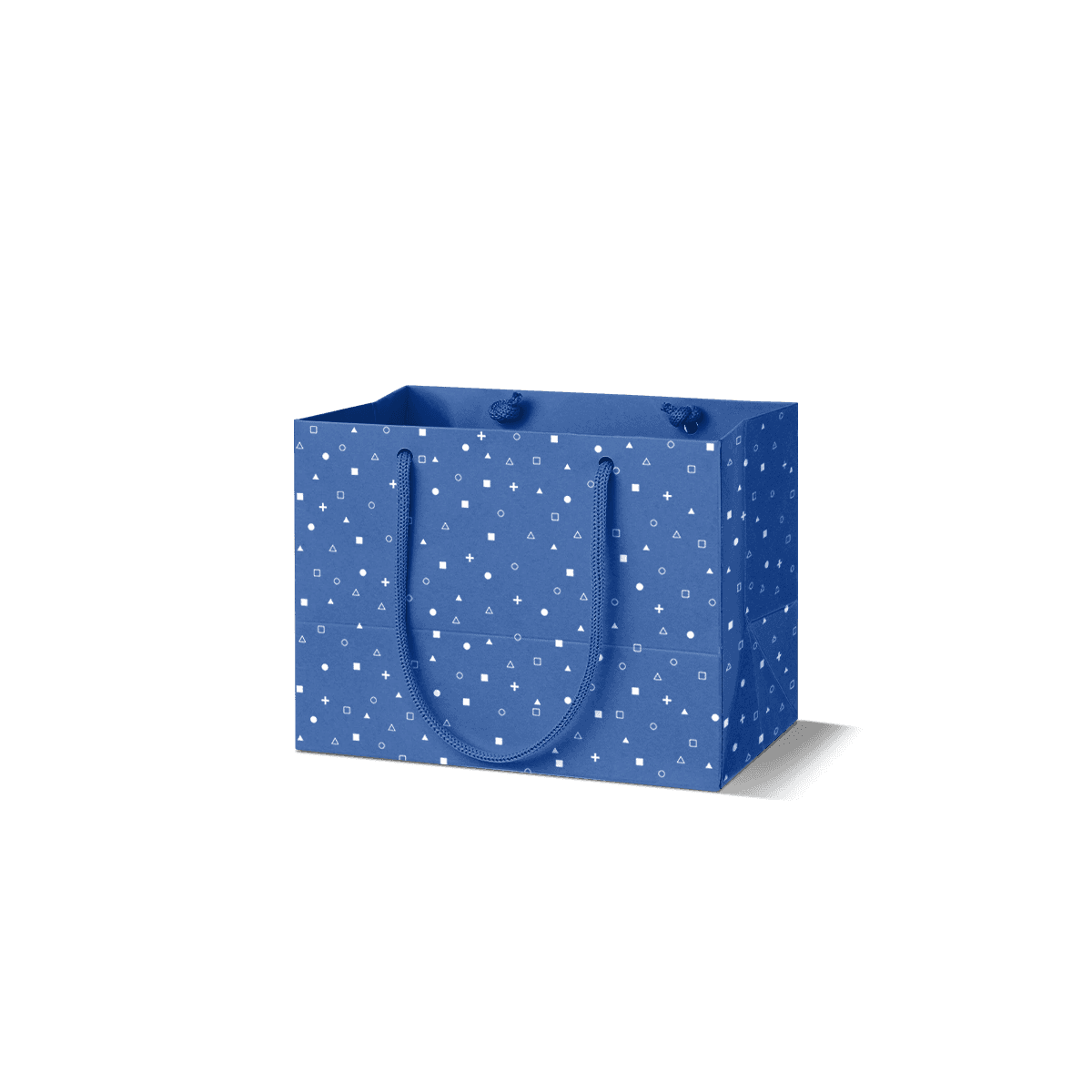
A cord handle changes both how a paper bag feels in the hand and how its upper edge carries the load. Custom Rope Handle Paper Bags make most sense when that grip is part of the product experience rather than simply a decorative upgrade.

This style suits boxed fragrance, folded knitwear, premium stationery, compact homeware and presentation boxes where the carrier should feel more substantial than a routine everyday bag. The rope itself becomes part of the specification because its thickness, flexibility, drop and fixing points all affect the finished result.

If the main buying decision is about paper texture, foil, embossing, ribbon and the overall premium presentation rather than the rope itself, Luxury Paper Bags are the better starting point. This page should remain focused on the cord and the way the loaded bag carries.

Start With the Carry Load

A rope handle does not make a paper bag strong by itself. Carrying performance comes from the paper, reinforced top, handle holes, fixing method, base support, bag proportions and the way the contents sit together.

The Top Edge Takes Stress

Rope handles normally pass through punched holes near the upper edge of the bag. That area needs enough support for the intended load because every lift transfers force into a relatively small part of the paper.

A turned-over top or added reinforcement can help spread that force and reduce distortion around the holes. The right treatment depends on bag size and filled weight. Simply increasing paper GSM while leaving the handle area poorly specified is not a reliable shortcut.

For higher-value products, test the heaviest normal purchase rather than an empty bag. A boxed fragrance set, compact homeware box and folded knitwear bundle may fit similar outer dimensions but pull on the handle points very differently.

The Base Shares the Job

Dense boxed goods also need a stable base. A base card can spread pressure across the bottom and help the bag retain its shape instead of allowing one corner of the product to push into the paper.

That matters for products commonly sold through jewellery and accessories packaging, beauty retail, candles and boxed gifting. The carrier should support the product's real footprint rather than relying on the handles to compensate for movement inside.

Set the Rope Properly

Handle specification changes comfort, appearance and the way the filled bag hangs. Treat the rope as a functional part of the carrier rather than choosing it at the end because its colour looks attractive.

Drop Length Changes the Feel

A shorter drop keeps the purchase close to the hand and can suit compact boutique bags. A longer drop creates more clearance around a taller bag or larger purchase, but it also changes how the carrier hangs and how much the contents can move.

The right length depends on bag height, product weight and intended carry. Before approval, lift the filled bag naturally. A handle that looks proportionate on a flat proof can feel awkward once the bag is loaded.

Cord Material Changes the Grip

Cotton and synthetic rope are common choices in premium paper bags, but they do not feel identical. Cotton tends to give a softer, more textile-like grip, while synthetic cord can give a firmer, cleaner and more uniform appearance.

Availability should be confirmed against the final specification. More important than chasing one material name is matching cord diameter, flexibility and handle drop to the expected load.

Colour Needs a Physical Check

Handle colour can become a strong part of the identity, especially when the bag uses restrained print. Do not assume a dyed cord will visually match a printed Pantone colour simply because both share the same colour description.

Where colour consistency is important, review the rope beside the printed stock or a physical colour reference. A deliberate contrast can work better than an almost-match that looks accidental.

Size by the Product Footprint

Rope-handle bags often carry rigid inner boxes, so base proportions matter as much as front-panel size. Start with the largest normal boxed purchase, then allow enough clearance for loading, tissue and any combination of items commonly sold together.

Give Boxes a Stable Base

A wide product in a shallow gusset can force the side folds outward and make the carrier sit poorly. A bag that is much deeper than the product can let the contents shift and pull unevenly when carried.

For fashion and boxed accessories, retail and apparel packaging should be considered alongside the carrier. The inner box and outer bag do different jobs, but their footprints should make sense together.

Do Not Oversize for Drama

Extra space can look impressive in a staged photograph, but an oversized carrier uses more paper, costs more to produce and can make a small purchase move excessively. Premium presentation comes from proportion, material and execution, not empty volume.

If the business sells several distinct product sizes, two coordinated bag sizes can be more useful than forcing everything into one large carrier. Keep the print system consistent while changing the dimensions around the actual purchases.

Keep Cord and Paper in Balance

The rope and paper should feel proportionate to each other. A very thick cord on a compact lightweight bag can look over-specified, while a fine cord may feel insubstantial on a larger carrier holding a dense boxed product.

Paper surface still affects the result, but on this page the decision should support the handle rather than become a separate lesson in luxury materials. A softer uncoated surface may pair naturally with a tactile cotton-style cord, while a smoother paper can support a cleaner, more structured presentation.

What matters is balance. The cord, paper weight, bag dimensions and product should feel as though they belong to the same level of specification.

For deeper decisions around tactile paper, lamination, foil and premium surface finishing, luxury paper bags are the more relevant specification.

Keep Artwork Clear of Rope

Rope handles interrupt the upper part of the bag physically and visually. Artwork should account for the punched holes, top fold, internal fixing points, gussets and any reinforcement before the logo is approved.

Give the Cord Breathing Room

Avoid placing small type, QR codes or critical logo details where rope can sit across them when the bag is held. The artwork should still read naturally when the handles fall forward, not only when the carrier is photographed with the rope positioned neatly behind it.

A free 3D mockup can help assess logo scale, front-to-back placement and the relationship between artwork and handle position before production.

Choose Print for the Artwork

Simple spot colour, photographic CMYK and strict brand-colour work do not need the same production route. Print method should follow quantity, paper surface, coverage and colour-control requirements.

Large solid colours, fine typography and repeat brand colours need more control than a simple one-colour mark. Custom Packly's print and finish capabilities can coordinate artwork, colour and finishing with the final paper and rope specification.

Foil, embossing, debossing or lamination should be placed where they add something customers can actually see or feel rather than being added automatically to make the bag appear more premium.

Use Rope When Grip Matters

Rope earns its extra specification when the customer should notice the grip itself. The cord should improve carrying comfort, support the presentation and feel appropriate beside the product.

For routine shop and takeaway volume, twisted handle paper bags are usually the more straightforward everyday carrier. They still provide a practical handle without making cord material, drop and reinforced fixing points part of the buying decision.

If the bigger question is paper texture, foil, ribbon, tactile finishing and overall premium presentation rather than cord behaviour, luxury paper bags are the better starting point.

Across custom paper bags, the handle should follow the product, carrying distance and presentation requirement rather than being selected simply because one style looks more expensive.

Protect What Customers Feel

If the budget tightens, protect the parts of the bag that affect the actual carrying experience: cord feel, top reinforcement and base support. Decorative print or finishing should be simplified before weakening those functional touchpoints.

A rope-handle carrier earns its value through the contact points the customer notices immediately. A premium foil logo will not compensate for a cord that feels too thin, a handle drop that is awkward or an upper edge that distorts when the bag is loaded.

The more useful cost question is therefore not how cheaply a rope bag can be produced, but which parts of the specification the customer will genuinely feel. The same principle applies when reducing unnecessary packaging costs: remove complexity that adds little before cutting the details that protect function.

Test the Cord in Use

A rope-handle bag should be judged while it is loaded and lifted. The useful test is not whether an empty sample looks premium, but whether the cord, upper edge and base still behave correctly with the real purchase inside.

Fill the bag with the heaviest normal order and lift it several times. Check whether the rope feels comfortable, whether both sides pull evenly and whether the punched handle areas remain controlled rather than stretching or distorting.

Also check the drop length. A cord that looks proportional while the bag is standing can still sit awkwardly in the hand once the contents add weight.

If exact cord feel, handle drop or carrying behaviour needs physical approval, a paid custom sample is the useful test because it reproduces the proposed specification rather than simply showing general paper or print quality.

Set the Carry Standard

Decide first what the customer should notice when they lift the bag. That may be a softer cord, a particular handle drop, close colour coordination or greater support for a dense boxed purchase.

One representative product or presentation box is usually more useful than trying to specify every technical detail yourself. Share the product, expected quantity and the carry feel you want through the custom packaging quote.

The cord, reinforcement and proportions can then be resolved around that carrying standard rather than starting from a generic rope-handle specification.

FAQs

Start with the packed product, not the bag. Confirm the finished product dimensions, total carry weight, required gusset depth, whether tissue or cartons will sit inside, how far the handle needs to drop and what finish suits the sales setting. Those decisions affect strength, comfort, print area and cost more than the artwork alone.

They are better when presentation is a priority. Rope handle paper bags usually feel smarter, carry more comfortably and suit premium finishes more naturally, while twisted handle paper bags often suit simpler, higher-volume retail use. If your brand sells giftable, boxed or style-led products, rope handles usually create the stronger impression.

Quite a lot, especially on premium paper stocks. Rope handle paper bags can take logo printing, full-colour artwork, foil blocking, embossing and matt or gloss surface treatments depending on the build you choose. Users should decide early whether they want a natural kraft look, a smooth coated finish or a luxury laminated surface because that affects both appearance and print sharpness.

Heavier items usually need stronger paper weight, a reinforced top fold and a firm base card. Brown or white kraft works well for strong paper-led presentation, while coated or laminated paper can add stiffness and a more premium finish for gift retail. The right choice depends on product weight, bag size and whether the contents are boxed or loose.

Yes, in many cases they do. A paper-based bag with sensible print coverage can support recyclable packaging aims while still looking premium, especially when compared with less reusable alternatives. It is still worth checking how lamination, foil, mixed-material extras and handle construction affect disposal guidance, then choosing the simplest build that still delivers the right brand impact.

Process

How it works

Your Packaging Journey, From Idea to Production and Delivery

01

Tell Us Your Specs

Custom packaging boxes

Tell Us Your Specs

Provide size, quantity, printing, and finishes.

02

Get a Fast Quote

Custom packaging boxes

Get a Fast Quote

Instant transparent pricing, no hidden fees.

03

Design and Approval

Custom packaging boxes

Design and Approval

Artwork checks, revisions, and final sign-off.

04

Produce

Custom packaging boxes

Produce

Expert manufacturing to meet deadlines.

05

Ship to Your Door

Custom packaging boxes

Ship to Your Door

Hassle-free, flexible delivery options.

Get Your Quote for Custom Rope Handle Paper Bags

Share your product details, dimensions, quantity and artwork needs. We’ll help choose the right packaging style and send a clear quote.