Skip to content
Details

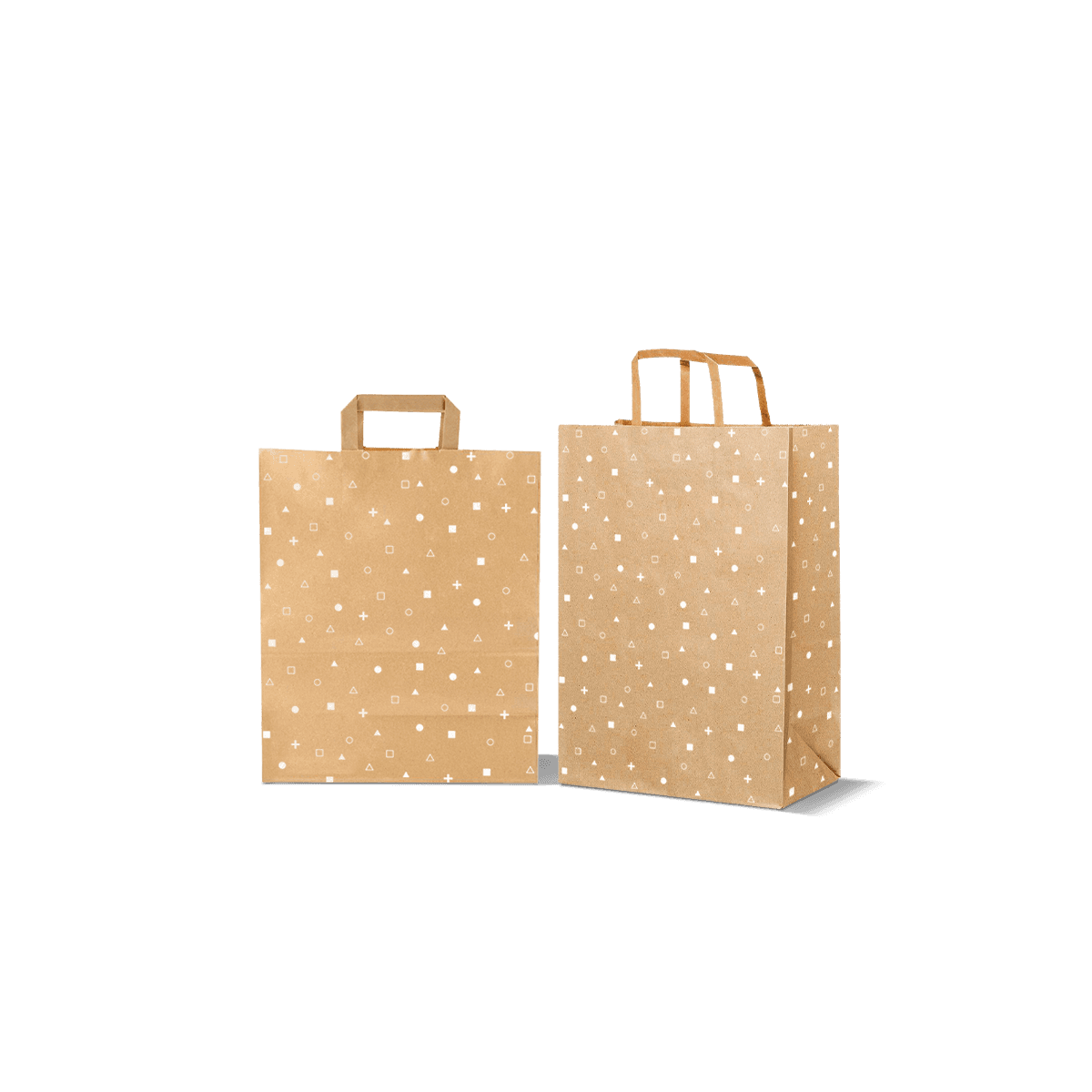
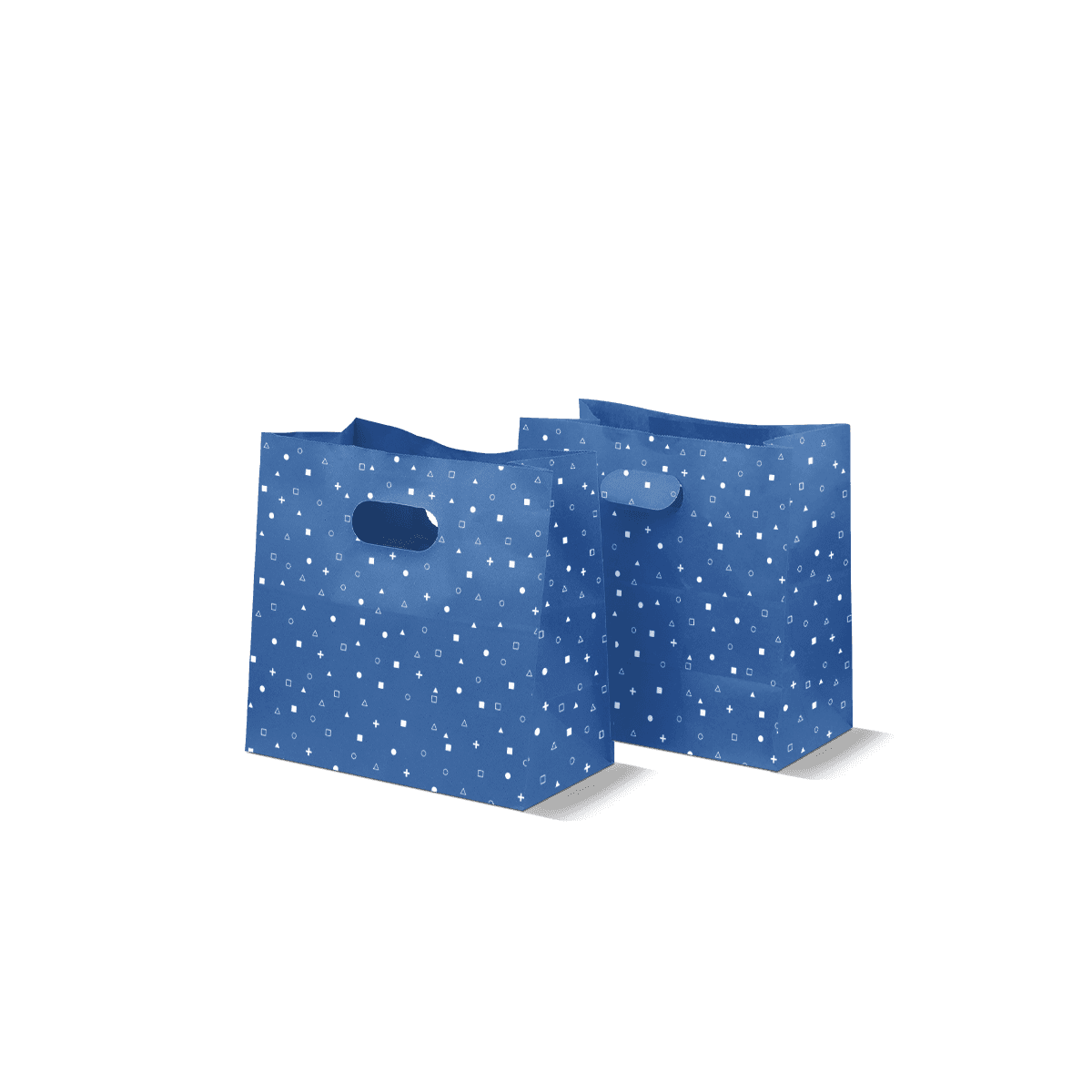
Custom Die Cut Handle Paper Bags

Cut the grip into the bag without sacrificing usable artwork space, comfortable handling or efficient flat storage.

The Handle Is the Structure

Cutting the grip directly into the upper panel changes both the appearance and the load path. Custom Die Cut Handle Paper Bags remove the need for an attached handle, but the missing paper has to be accounted for structurally.

Within custom paper bags, this style is strongest for lighter retail goods, promotional handovers, brochures, beauty products, small accessories, folded apparel and compact boxed items. It works especially well when separate handles would add more bulk, cost or visual detail than the purchase needs.

The mistake is treating the cut-out as a decorative feature. Its width, height, position, surrounding paper and reinforcement need to work together. A neat handle that tears at the first lift is a failed specification, however good the front panel looks.
Protect the Grip Zone

The area around the handle is the critical part of a die-cut carrier. The cut has to leave enough paper above and beside it to resist tearing, while still giving the customer enough room to get their fingers through comfortably.

Protect the Paper Bridge

The strip of paper between the top of the handle opening and the bag edge is doing real work. Making the aperture larger or moving it too close to the top can reduce that remaining material. An internal reinforcement patch can add support where the intended load justifies it.

Do not decide the patch from GSM alone. A small bag holding brochures creates a different stress pattern from a taller bag carrying two boxed skincare products. Filled weight, handle position, paper choice and bag proportions all matter.

Cut for a Real Hand

An aperture should be comfortable enough to use without becoming unnecessarily large. Very narrow openings can pinch fingers. Oversized or unusually decorative shapes can remove more paper from a high-stress area without improving the carry.

Simple oval, kidney-style or rectangular openings are common for a reason: the grip can be made comfortable while keeping the surrounding area practical to reinforce. The exact shape should follow the bag size, intended load and visual brief rather than novelty alone.

For an unusual aperture, a larger hand opening or a more demanding filled load, a paid custom sample can confirm grip comfort and reinforcement before the full production run.

Keep Product Below the Grip

A die-cut handle occupies internal space as well as visual space. If the contents rise directly behind the opening, the customer may have to push against the product to get their hand through.

Leave Useful Headroom

Measure the packed product first, then allow enough height above it for the grip zone to work. This is especially important with rigid cartons, brochures, books, boxed cosmetics and gift items that cannot compress out of the way.

For beauty brands, coordinating the carrier with custom cosmetic packaging can prevent a common mismatch: a polished inner carton that technically fits the bag but sits too high for the handle to remain comfortable.

Extra height should still have a reason. A bag that is far taller than the product uses more paper and can make a compact purchase look undersized.

Depth Controls Balance

Gusset depth changes how the contents sit when the bag is lifted. Too little depth can force boxed goods against the side folds. Too much depth can let a small item roll or lean, making the carrier feel less controlled.

Start with the footprint of the normal purchase rather than selecting width and height first. If several products are usually sold together, measure the typical combination as one loaded order.

Design Around the Cut

The die-cut opening is literally missing from the printed panel, so artwork should acknowledge it from the beginning. Do not finish the graphics first and then punch a handle through the composition.

Use the Opening Deliberately

The handle can become part of the visual balance. A centred wordmark may sit comfortably beneath it. A strong colour field can frame it. An asymmetrical layout may move important content away from the grip entirely.

What matters is that the design still reads while the bag is held. Logos, QR codes, web addresses and small type should not sit so close to the opening that fingers or reinforcement obscure them.

Artwork teams working from a production file can use the principles in packaging dielines and artwork setup to keep cut lines, safe areas and bleed separate from printed graphics.

Give the Top Space

A die-cut bag does not provide an uninterrupted front panel all the way to the top. The handle opening, safe area and any internal reinforcement need breathing room.

This can actually improve a minimalist design because it forces clearer hierarchy. The strongest identity often comes from one confident mark, disciplined spacing and paper colour doing part of the visual work. Packaging design ideas are most useful here when they are judged against the physical grip rather than a flat mock-up.

A free 3D mockup can help confirm the visual relationship between the handle opening and the artwork before production, especially where a large logo or strong graphic element sits close to the grip zone.

Flat Storage Has Value

One of the practical advantages of an integrated grip is the absence of separate rope or twisted handles projecting from the top of the bag. Finished carriers can stay compact when stored flat, which matters in small stockrooms, pop-up shops, exhibition spaces and counters where large quantities need to be kept close to the point of use.

Flat storage can also simplify preparation for campaigns and events. Staff can stack the bags neatly, open them only when needed and avoid loose handles tangling with neighbouring carriers.

That benefit matters most when the bag remains suitable for the product. Compact storage should not be used as a reason to choose a die-cut handle for loads that would be more comfortable or secure with a separate handle.

Know the Weight Ceiling

Move to a Separate Handle

As filled weight or carrying distance rises, a separate handle becomes more comfortable and gives the customer's hand more freedom from the paper edge.

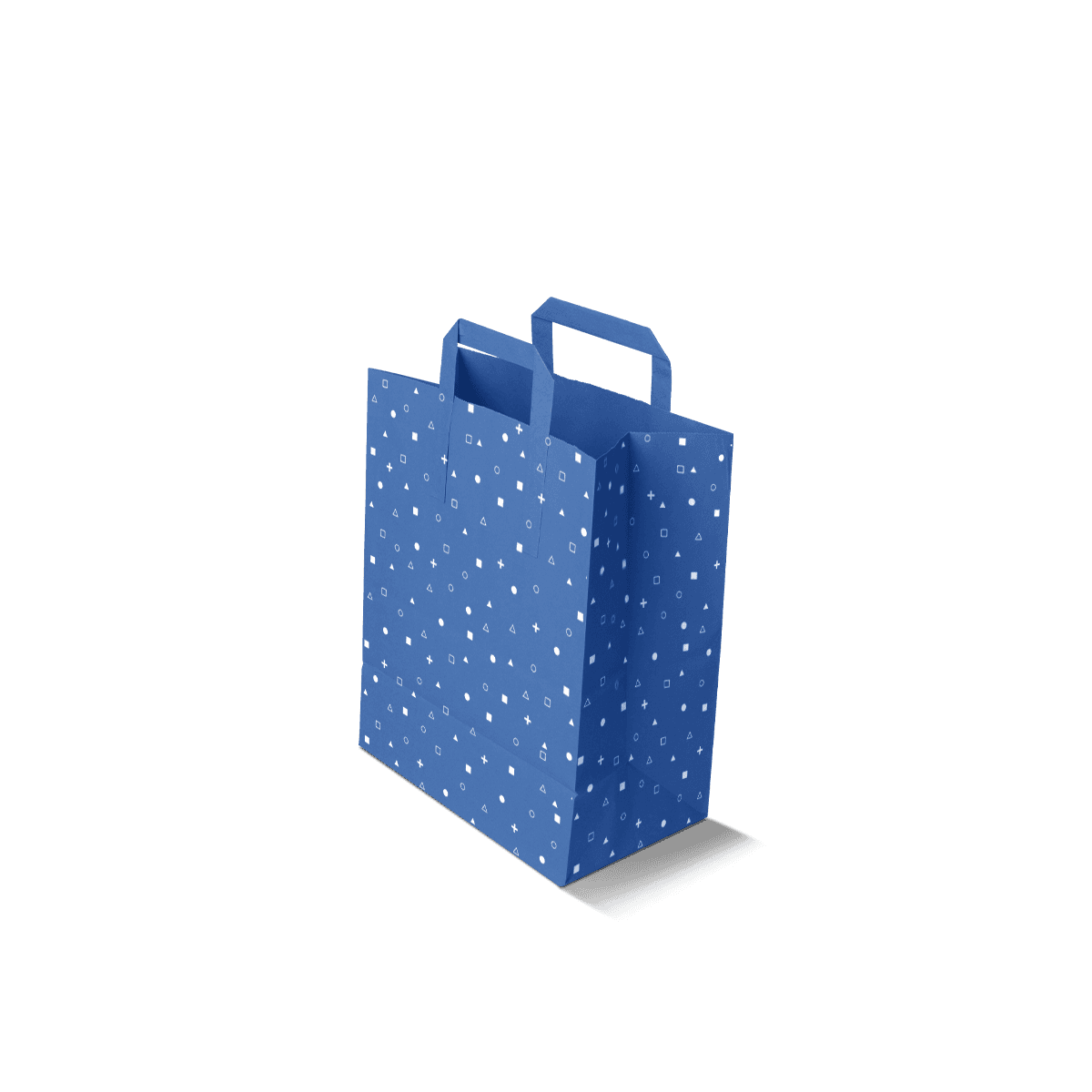
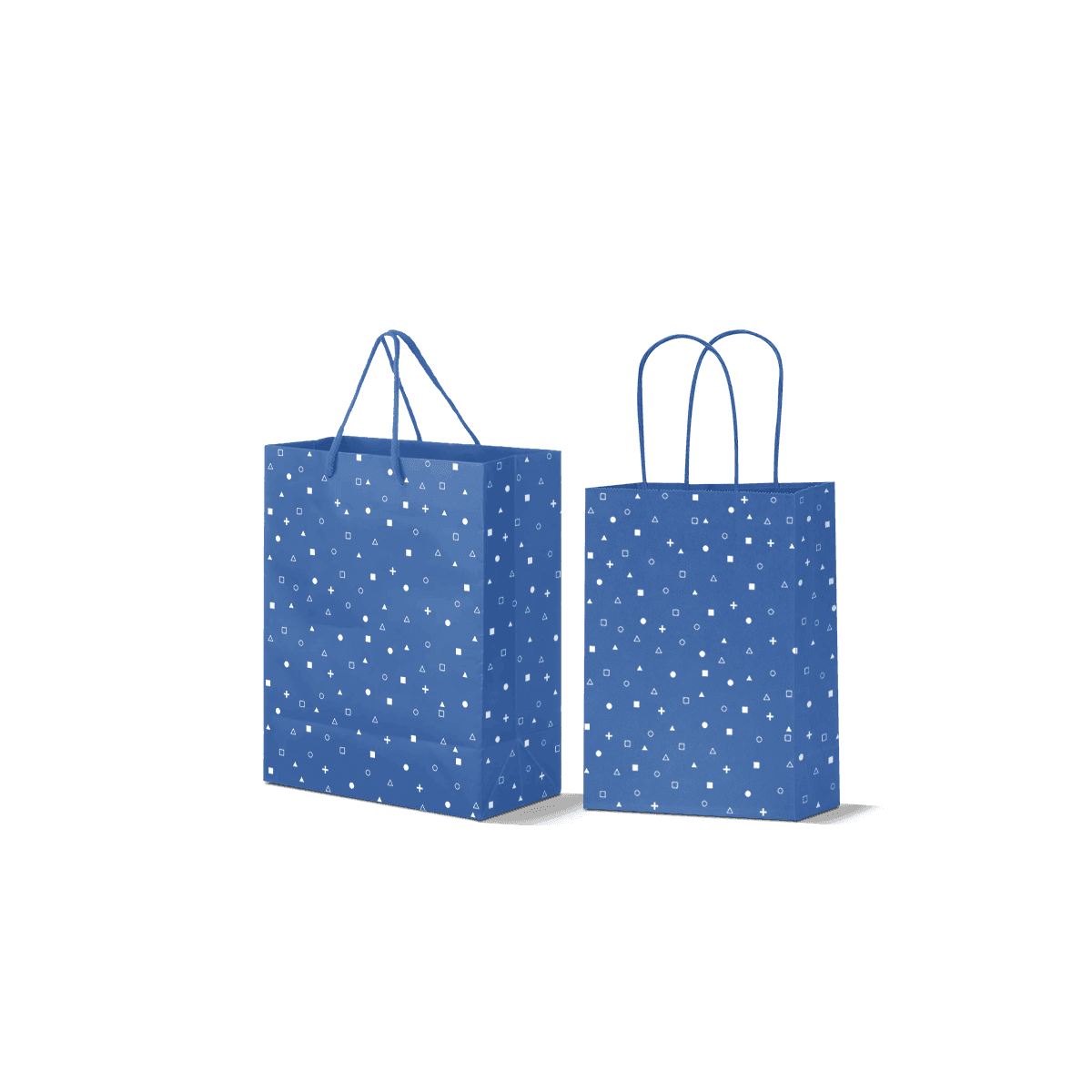
Twisted handle paper bags suit routine everyday carrying where a practical grip matters. Rope handle paper bags make more sense when grip feel and premium presentation justify the extra specification.

Across custom paper bags, handle style should follow the actual filled load and carrying distance rather than the appearance of the empty bag.

Skip the Grip When Unneeded

If the product is slim, light and normally passed directly across a counter, flat paper bags can remove the handle completely.

That can make more sense for cards, bakery items, pharmacy purchases and other simple handovers where adding a cut-out grip gives the customer little practical benefit.

Match Paper to the Cut

Paper choice affects both appearance and behaviour around the handle. Brown kraft gives a natural fibrous surface and changes how printed colours appear. White paper provides a cleaner base for brighter CMYK artwork and fine detail. Coated papers can support smoother colour and premium finishing where the commercial brief warrants it.

The paper specification should follow the finished dimensions, filled weight and amount of material remaining around the grip. Very heavy paper is not automatically the answer because stiffness, folding behaviour and cost also change.

Printing should be selected from the artwork, quantity and paper surface rather than from the handle style alone. Premium offset printing can suit larger or colour-critical runs, while other production routes may be more appropriate for shorter or more variable work.

Custom Packly's print and finish capabilities can also cover matte or gloss lamination, foil, embossing, debossing and spot UV. Keep embellishment purposeful. The most handled part of the bag is the grip, so the design should still look intentional after normal use rather than depending on delicate detail exactly where fingers repeatedly touch it.

Keep Campaign Stock Compact

Die-cut carriers work particularly well for launches, exhibitions, promotional handovers and retail counters where large numbers of bags need to remain flat until they are used.

For shops coordinating bags with product boxes, labels and display pieces, custom retail packaging can keep dimensions and branding aligned without forcing every item into the same material or structure.

If the actual requirement is a coordinated set of different carrier styles rather than a die-cut handle specifically, retail paper bags are the broader starting point.

MOQ starts from 100 bags, which can suit a launch, exhibition or campaign run where artwork may change. For repeat campaigns, keeping the approved aperture, bag dimensions and artwork safe area consistent is more useful than repeatedly redesigning the grip.

Lock the Handle Zone

Before artwork approval, confirm two things: the product finishes below the grip area and the handle aperture leaves enough surrounding paper for the intended load.

Those checks control more of this bag than an arbitrary paper-weight choice. If the free space above the product or the aperture size is uncertain, send the product dimensions or a representative item through the custom packaging quote.

The handle zone can then be resolved before print is locked, reducing the risk of an attractive artwork layout forcing an uncomfortable or weak grip.

FAQs

They are the right choice when presentation, flat storage and a neat branded front matter more than heavy load carrying. This style suits light to medium products, boxed items, event materials and gift-led retail handovers. If the contents are bulky or weighty, buyers should usually look at twisted handle paper bags or stronger base-supported paper bag styles instead.

Die cut handle paper bags usually look flatter, cleaner and more design-led, while twisted handle paper bags often feel better for regular heavier carry-out use. If your priority is visual sharpness, compact storage and uninterrupted print space, die cut handles often make more sense. If hand comfort and everyday carrying strength matter most, twisted handles are often the safer option.

Start with product weight and how the bag will actually be used. Confirm bag width, height, gusset depth, handle cut-out size, top margin, reinforcement patch requirement and whether the contents are boxed, wrapped or loose. It also helps to check if the bag must sit upright on a counter or simply act as a presentation carrier for a short handover.

Yes, and that is one of their strongest advantages. Because the front panel is visually cleaner, logos and artwork often read more clearly than on busier handle styles. This makes them well suited to minimal branding, seasonal campaigns, event graphics and polished retail presentation. The final result depends on stock choice, colour coverage and how much finish detail the design really needs.

No, not for all of them. They are excellent for lighter products and presentation-led retail use, but they are not always the best answer for dense or heavier purchases. If the bag will carry multiple boxed goods, food orders or weightier items, it is worth asking for stronger reinforcement or considering a different paper bag construction that is built more clearly around load performance.

Process

How it works

Your Packaging Journey, From Idea to Production and Delivery

01

Tell Us Your Specs

Custom packaging boxes

Tell Us Your Specs

Provide size, quantity, printing, and finishes.

02

Get a Fast Quote

Custom packaging boxes

Get a Fast Quote

Instant transparent pricing, no hidden fees.

03

Design and Approval

Custom packaging boxes

Design and Approval

Artwork checks, revisions, and final sign-off.

04

Produce

Custom packaging boxes

Produce

Expert manufacturing to meet deadlines.

05

Ship to Your Door

Custom packaging boxes

Ship to Your Door

Hassle-free, flexible delivery options.

Get Your Quote for Custom Die Cut Handle Paper Bags

Share your product details, dimensions, quantity and artwork needs. We’ll help choose the right packaging style and send a clear quote.