Skip to content
Details

Custom Retail Paper Bags

Turn different checkout purchases into a controlled set of paper bags instead of forcing every product into one generic store carrier.

Retail Needs a Bag System

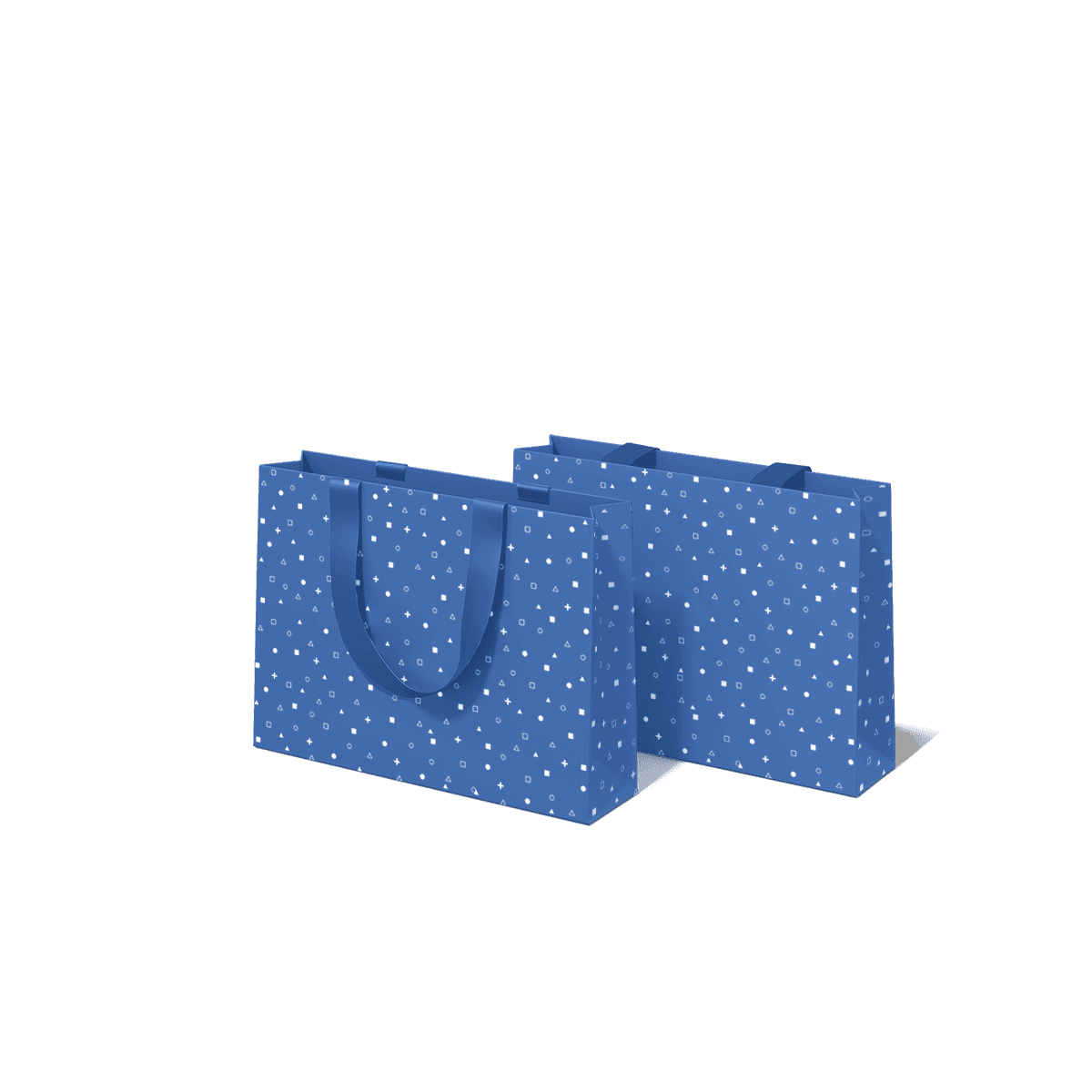
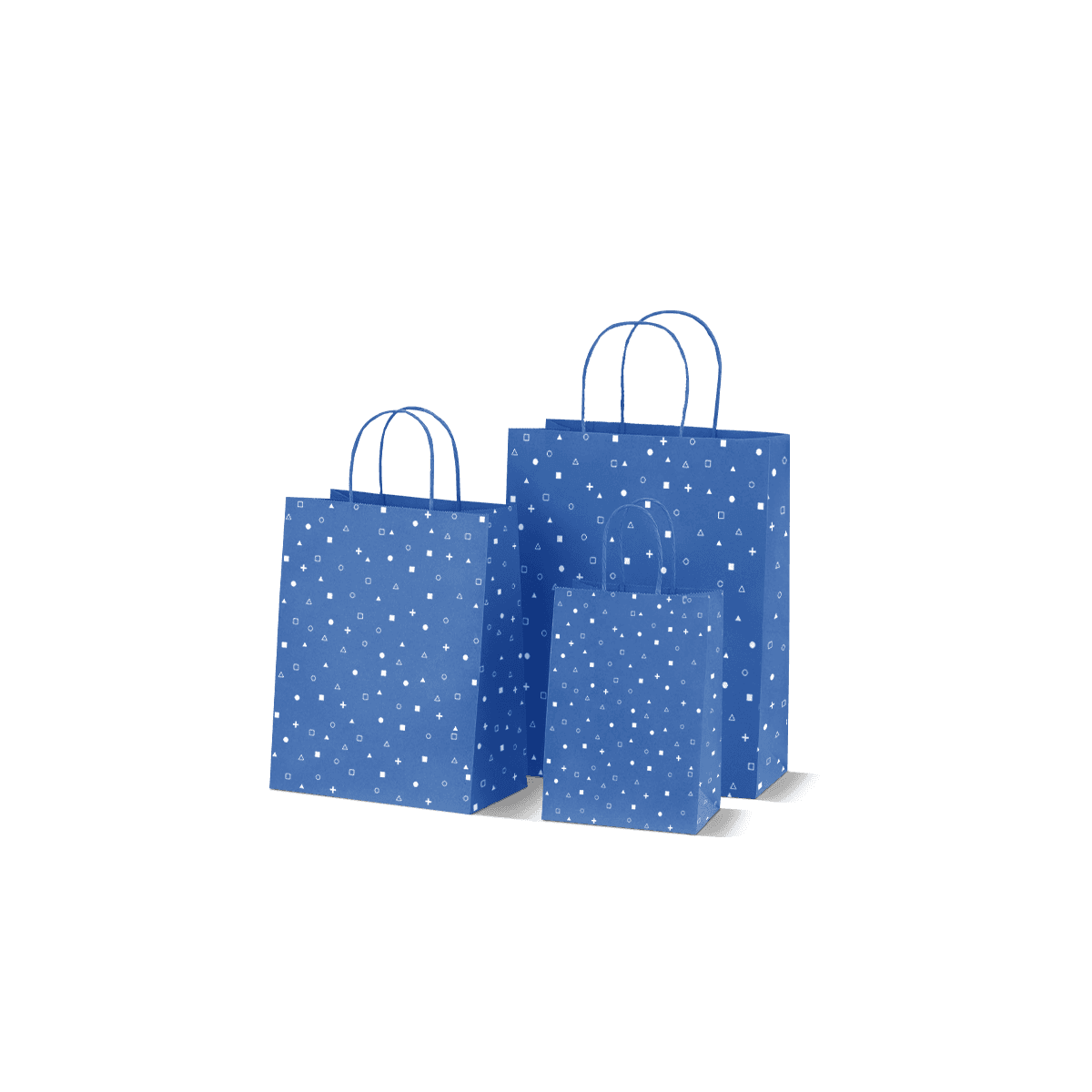
One paper carrier rarely fits every retail transaction well. Custom Retail Paper Bags work better as a small, deliberate store system covering compact till purchases, normal daily sales, larger boxed products, premium gifts and seasonal promotions without forcing them into one generic bag.

The commercial job of this page is therefore broader than choosing one handle or paper stock. It is deciding which paper bags your retail operation actually needs, what each one should carry and which brand details should remain consistent across them.

For retailers also coordinating cartons, tissue, sleeves or other store packaging, custom retail packaging can connect the wider presentation. The paper-bag system should then fit into that identity rather than becoming an unrelated checkout purchase.

A useful retail system is usually smaller than people expect. More variants create more stock to buy, store, count and reorder. The goal is enough choice to fit real transactions without creating a separate bag for every product.
Group Purchases Before Sizes

Do not start by choosing small, medium and large because those labels sound familiar. Start with what customers actually buy together.

Start With Transaction Types

Review normal till combinations rather than individual SKUs.

A fashion retailer might find that most sales fall into three useful groups:

  • small accessories or a single compact item
  • one or two folded garments
  • larger boxed or multi-item purchases

A beauty retailer may instead have:

  • one or two small cartons
  • skincare or fragrance gift sets
  • seasonal bundles

The individual products can change while the packing behaviour stays similar. That makes transaction type a better basis for bag planning than maintaining dozens of SKU-specific dimensions.

The product-led method in choosing the right packaging is especially useful here because the bag should follow how goods leave the store, not how they are organised in the catalogue.

Create Useful Size Tiers

Once the major purchase groups are clear, measure representative products from each one and set a useful width, gusset and height.

Avoid making the smallest tier too tight merely to reduce paper. It still needs comfortable loading. At the other extreme, do not make every bag large enough for the rare biggest purchase.

Two or three purposeful sizes can often serve a retail operation more cleanly than a long list of near-duplicates. A customer carrying lipstick should not receive the same amount of paper as someone leaving with a boxed handbag simply because the store only stocks one carrier.

Assign Roles, Not Products

Within custom paper bags, each structure should have a defined checkout role rather than being assigned to individual SKUs one by one.

Set an Everyday Default

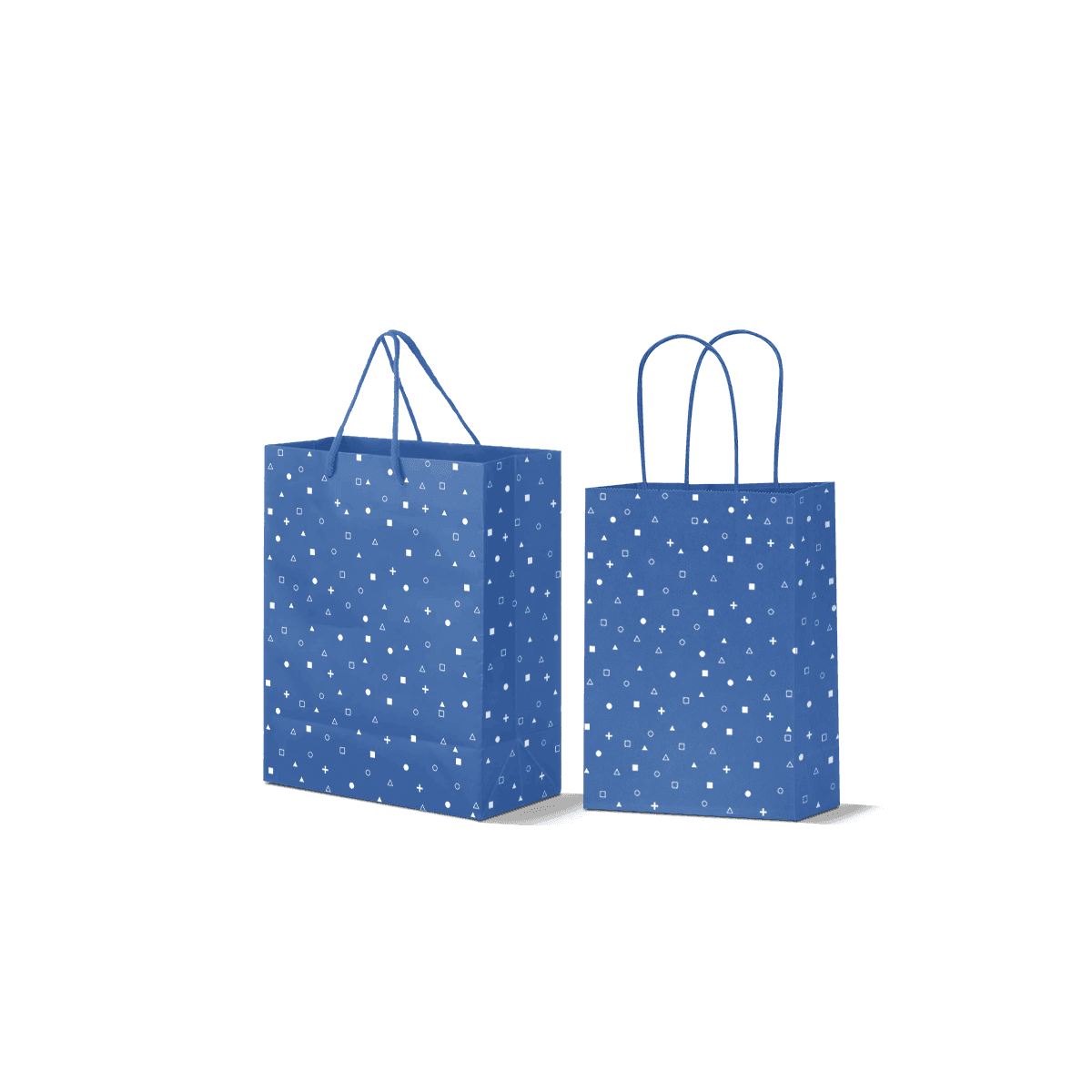
Choose one carrier to handle the majority of normal transactions. For many retailers, twisted handle paper bags can fill that role because the customer gets a practical handle without moving the whole store into a premium specification.

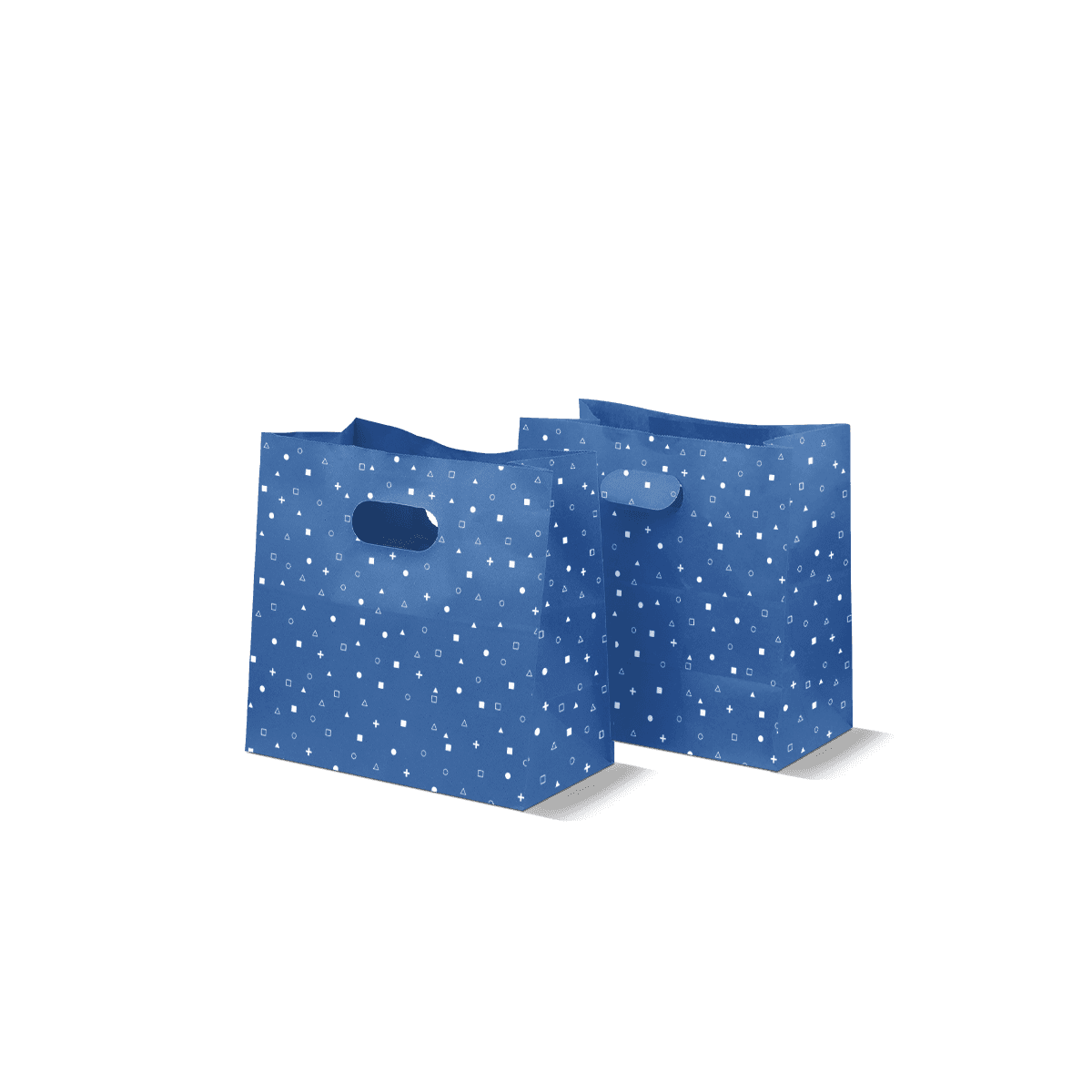
Where compact storage or a cleaner integrated grip is genuinely useful, die cut handle paper bags can serve a narrower promotional or lightweight role without becoming another everyday default.

Create One Premium Exception

Reserve the more expensive presentation tier for transactions that actually justify it. Rope handle paper bags make sense when cord feel and carrying presentation matter, while luxury paper bags are the better starting point when the whole paper, handle and finish specification needs to feel premium.

The store system becomes easier to manage when the premium carrier is a deliberate exception rather than another overlapping option staff have to choose between.

This keeps Retail broad without rebuilding the mechanisms already owned by narrower sibling pages.

Test the System at Checkout

Do not approve a retail bag programme by testing each bag separately on a boardroom table. Run typical transactions through the complete set.

Take several common purchases and ask staff to choose the bag they would naturally use. If different people repeatedly choose different sizes for the same order, the boundaries between the variants may not be clear enough.

Check whether:

  • the smallest useful bag is genuinely easy to load
  • larger purchases remain balanced
  • premium transactions move naturally to the intended carrier
  • bags are easy to distinguish behind the counter
  • handles do not create unnecessary storage problems
  • logo scale feels consistent across sizes

The test is successful when staff can select the right bag without stopping to debate the specification.

A paid custom sample can be useful where an important new size or premium tier needs physical approval. There is little value in sampling every routine variation if one representative structure answers the real question.

Keep One Brand Across Variants

Different bag structures do not need to look like different brands. A controlled visual system can make an everyday twisted-handle carrier and a premium rope-handle bag recognisably related without forcing them to share identical paper or finishing.

Lock the Visual Constants

Choose the brand elements that should remain stable across the bag programme.

That may include:

  • logo treatment
  • core brand colour
  • typography
  • general artwork position
  • tone of printed messaging
  • proportion of branding to clear space

Those constants create recognition when the physical carrier changes.

The principles behind packaging design that actually works apply directly here: consistency comes from disciplined decisions, not from applying the same finish to every item.

Allow Controlled Differences

A premium tier may use a different paper surface or handle colour. A seasonal bag may change artwork. A smaller bag may need the logo scaled differently because copying the exact dimensions from a larger carrier makes the mark look oversized.

Keep the identity consistent without treating every bag like a photocopied version of the same design.

A free 3D mockup can be useful when several sizes are being coordinated because it allows logo scale and layout to be checked across the set before production.

Design for Store Operations

Retail bags live behind the counter before customers ever see them. Storage, access and replenishment therefore belong in the specification.

Respect Counter Space

The bag used most often should be the easiest one for staff to reach. Less common sizes can sit elsewhere.

Handle style also changes storage behaviour. Cord handles occupy and tangle differently from flatter paper-handled or die-cut bags. A beautiful carrier that continually catches on neighbouring stock creates avoidable friction during checkout.

For retail and apparel packaging, the physical handover should work alongside garment boxes, tissue and other counter materials rather than competing with them for the same workspace.

Think Beyond One Store

Multi-site retailers need specifications that another branch can understand and reorder without relying on somebody remembering what “our normal medium bag” means.

Give every approved bag a clear internal identifier tied to:

  • finished dimensions
  • paper
  • handle type
  • approved artwork
  • colour reference
  • quantity or reorder tier

That reduces accidental variation between locations and makes repeat production easier to control.

Separate Core and Seasonal Bags

Seasonal packaging becomes expensive when every temporary campaign forces the entire bag programme to change.

Keep a stable core specification for everyday trading, then decide where seasonal artwork genuinely earns its place.

A retailer might keep the same bag dimensions, paper and handle while changing only printed artwork for Christmas, a collaboration or a limited collection. That preserves operational familiarity while giving the campaign visible distinction.

Where the campaign affects only a small share of transactions, a separate seasonal bag may make more sense than replacing all everyday stock.

This is also where inventory discipline matters. The mistakes discussed in avoiding unnecessary packaging spend become particularly expensive when several stores are left holding outdated campaign bags after the promotion has ended.

Order seasonal stock from a realistic sales window rather than from the lowest possible unit price.

Spend by Purchase Role

Retail bag budgets should not be distributed equally across every transaction.

A routine daily carrier may need dependable paper, clear print and comfortable handles without expensive finishing. A premium gift purchase may justify heavier paper, better tactile detail or another handle style because the bag remains part of the presentation.

This does not mean cheap bags for inexpensive products and expensive bags for everything else. It means matching specification effort to what the customer and store genuinely need.

If a finish adds little to an everyday carrier, remove it before reducing bag fit or handle reliability. If a premium bag is part of a high-value purchase, protecting material feel and print execution may matter more than squeezing every penny from the unit cost.

Smaller retailers developing their first coordinated system can also use custom packaging for small business to keep early quantities and future scaling in view rather than creating a complex packaging programme before demand justifies it.

Manage Stock as a Set

Paper bags are easy to reorder badly because each individual item looks simple. Problems appear when several dimensions, artworks and branches are involved.

A useful retail programme should make it obvious:

  • which bag is the everyday default
  • which transactions move to the next size
  • which carrier is reserved for premium purchases
  • which artwork is current
  • which branch or campaign uses a variation
  • when stock should be replenished

For larger repeat programmes, warehousing and scheduled deliveries can be particularly relevant because stores may need the economics of a larger production run without receiving every bag at every location at once.

Use that service only where it solves an actual inventory problem. The objective is consistent availability without turning the stockroom into packaging storage.

Send Three Typical Purchases

You do not need to arrive with a finished retail bag specification.

Choose three representative transactions instead: a small everyday purchase, the most common normal order and a larger or higher-value purchase. Show what each contains and how you would like customers to leave the store with it.

Send those examples through the custom packaging quote with expected quantities and any established brand artwork.

From those real transactions, the bag sizes and styles can be rationalised into a retail system rather than quoted as unrelated carriers. The result should give staff fewer decisions, products better fit and customers a consistent brand experience regardless of which bag the purchase requires.

FAQs

Start with the products being sold and the way customers carry them away. Confirm bag size, likely filled weight, whether the contents are boxed or soft packed, handle preference, paper stock and expected print coverage. It also helps to decide whether the bag is mainly for everyday store use, premium gifting or seasonal campaigns because each goal points to a different build.

Retail paper bags are usually chosen around brand presentation, product fit and customer experience after checkout. Takeaway Paper Bags are more often built around speed, food handling and short-journey practicality. If the bag needs to support shop presentation and a stronger branded impression, retail paper bags are usually the better fit. If fast service matters most, takeaway-led styles often make more commercial sense.

That depends on what the shop sells and how premium the handover needs to feel. Rope handle paper bags often suit boutiques, jewellery and gift-led retail because they feel more polished, while die cut handle bags can work well for cleaner modern branding. Twisted handle bags are often a better everyday option when the store wants a smart look with tighter cost control.

Yes, many can, but only if the structure matches the load. Check paper weight, base reinforcement, top fold support and handle choice before assuming any retail bag will do the job. A small candle box, a folded knitwear purchase and a two-piece gift set all place different demands on the bag, so product weight and shape should guide the specification.

Yes, they are often very effective for that. Retail paper bags can carry campaign branding without changing the whole packaging system, which makes them useful for launches, holiday promotions, limited editions and event sales. The best results usually come from keeping the size range practical and letting the print or finish do the seasonal work rather than rebuilding the entire bag around a short-term idea.

Process

How it works

Your Packaging Journey, From Idea to Production and Delivery

01

Tell Us Your Specs

Custom packaging boxes

Tell Us Your Specs

Provide size, quantity, printing, and finishes.

02

Get a Fast Quote

Custom packaging boxes

Get a Fast Quote

Instant transparent pricing, no hidden fees.

03

Design and Approval

Custom packaging boxes

Design and Approval

Artwork checks, revisions, and final sign-off.

04

Produce

Custom packaging boxes

Produce

Expert manufacturing to meet deadlines.

05

Ship to Your Door

Custom packaging boxes

Ship to Your Door

Hassle-free, flexible delivery options.

Get Your Quote for Custom Retail Paper Bags

Share your product details, dimensions, quantity and artwork needs. We’ll help choose the right packaging style and send a clear quote.