Skip to content
Details

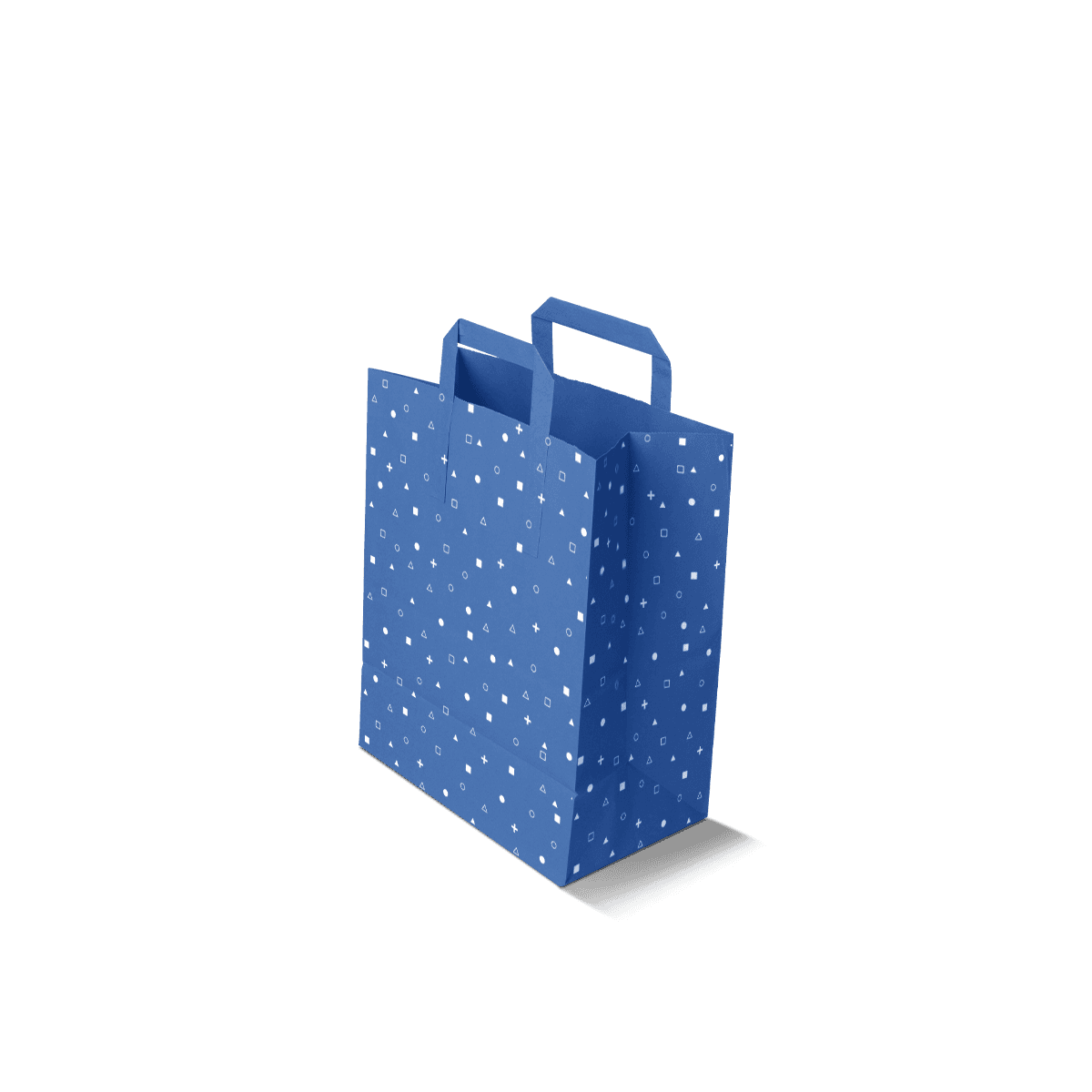
Custom Flat Paper Bags

Keep lightweight products simple with a flat paper bag sized around real thickness, easy insertion and low-bulk counter storage.

Use Less Structure on Purpose

Some purchases simply do not need handles, a standing base or meaningful internal depth. Custom Flat Paper Bags keep those transactions deliberately simple when the product is slim or lightweight enough to leave the counter in a low-bulk paper pack.

That makes them useful for greetings cards, stationery, printed photographs, small accessories, sweets, confectionery, sandwiches, pastries, pharmacy purchases and other light goods sold one or two at a time. The advantage is not that the bag can carry everything. It is that it avoids adding more paper and structure than the transaction needs.

A flat bag should remain easy to stack, quick to pick up and straightforward to fill. Once the product needs meaningful gusset depth, a controlled top closure or an upright base, another paper-bag style usually becomes more useful.

For businesses serving both food and non-food products, the first decision is therefore physical: can the item sit comfortably inside a two-dimensional bag without asking the paper to stretch around too much thickness?
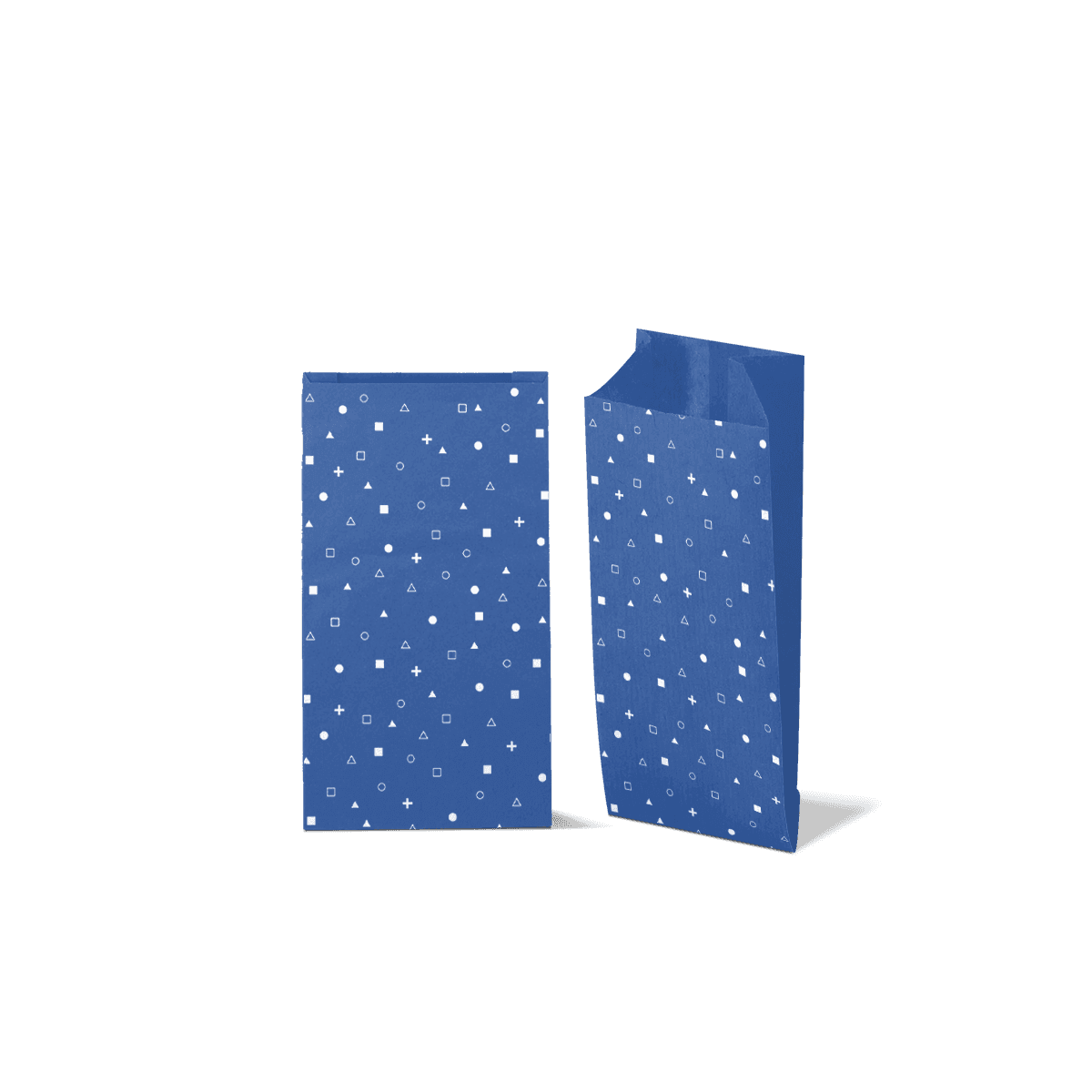
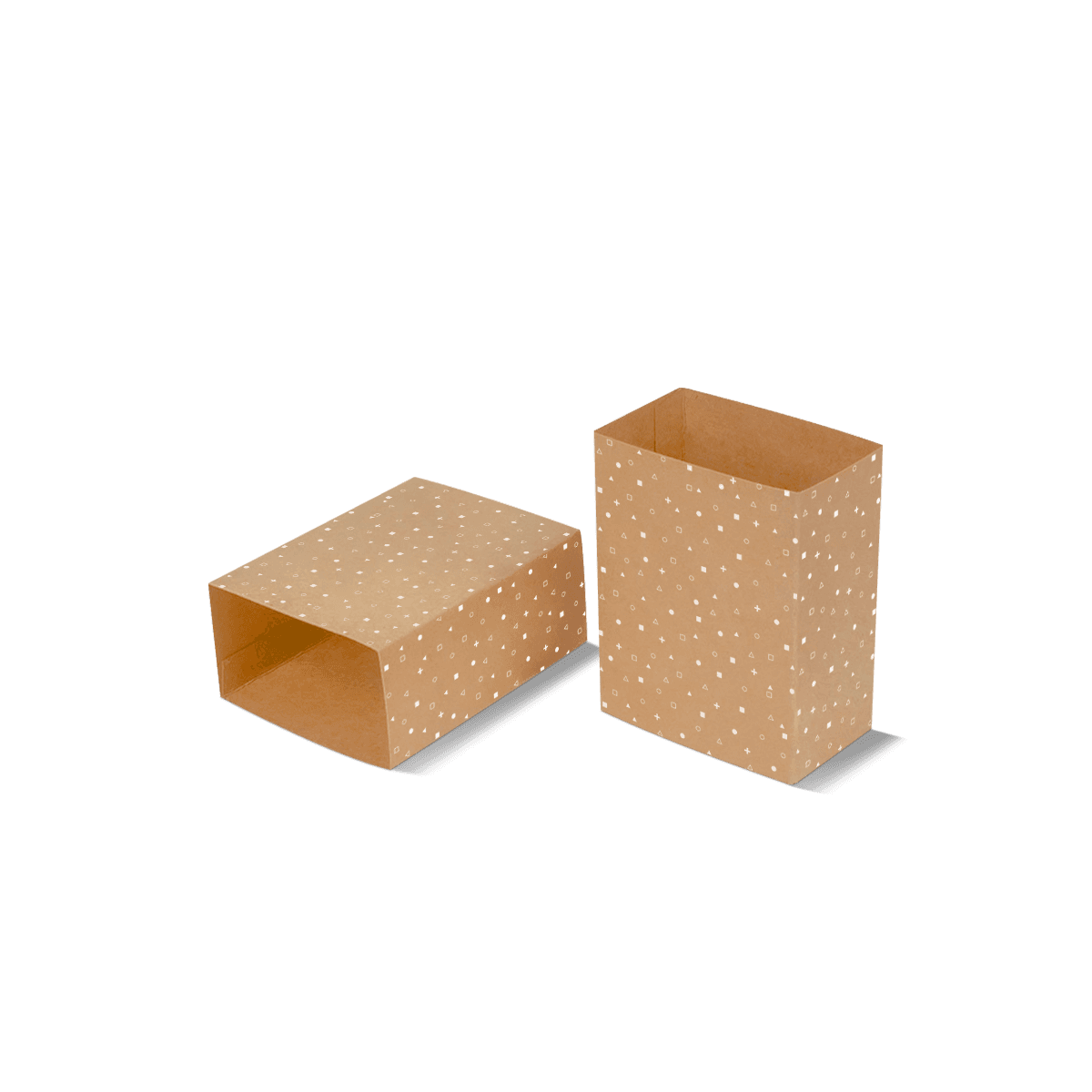
Measure the Product Thickness

Width and height alone can make a flat bag look suitable on paper while the real product still struggles to enter. Thickness reduces the usable opening and can force the front and back panels apart, so the product should be measured in the condition in which it is actually sold.

The Mouth Is the Constraint

A card or flat stationery item may need very little extra clearance. A sandwich, pastry or small boxed accessory has more depth, which means the bag opening needs additional width even when the front face appears large enough.

Do not size only from the product outline. Put the item on the counter exactly as staff will pack it, including wrapping, labels or protective paper, then check whether it slides inside without scraping, bending or forcing the side seams.

The same principle applies when choosing packaging around the real product: the finished item should determine the packaging rather than a convenient stock dimension.

Corners Change the Fit

Sharp corners and rigid edges consume space differently from soft products. A greetings-card pack can enter neatly because its thickness is predictable. A rigid accessory box of similar width may catch the opening and make the bag feel tighter than the dimensions suggest.

Allow enough clearance for the way staff actually insert the product. The goal is a close fit without friction, not the smallest possible bag.

If the product regularly needs meaningful depth, the flat style is probably being pushed beyond its strongest use.

Keep Counter Handling Simple

Flat bags earn their place at busy counters because they take up little storage room and require almost no shaping before use. That advantage matters only if staff can separate, open and fill them easily.

Stacking Is the Advantage

A pile of flat bags can sit beside a till, bakery counter or packing station without the bulk created by handles or pre-formed bases. This makes them useful where storage space is tight and the bag is used for quick one-item sales.

For bakery and confectionery packaging, that can suit cookies, sweets and flatter baked goods that do not need the bag to stand while staff fill it.

In stationery, pharmacy and small retail, the same benefit applies for cards, paper goods and compact accessories. The bag should be easy to reach and open with one packing motion rather than needing reshaping before every sale.

Opening Speed Still Matters

Very light paper can cling together in a stack. Very tight sizing can make the mouth difficult to separate around thicker items. These are small problems in a sample but repetitive problems at a busy counter.

Test how staff pick up and open the bag with normal working speed. If they repeatedly need both hands just to find the opening, the specification is not helping the service process.

The right flat bag is deliberately uneventful: take it from the stack, open it, insert the product and hand it over.

Wrapped or Direct Contact?

For food products, the most useful first distinction is whether the item is already wrapped before it enters the flat bag.

Wrapped confectionery, sealed snacks and already-contained products may need a relatively straightforward outer paper. A pastry, sandwich or other product touching the bag directly creates a different requirement because grease, moisture and food-contact suitability may need to be considered.

For food packaging for restaurants and takeaways, state how the product reaches the customer rather than simply asking for a “food bag”. Temperature, wrapping, grease and direct contact can all change the paper requirement.

If brown-versus-white paper and print response are the main decision instead, kraft paper bags cover that material choice in more depth.

Print for the Filled Bag

Flat bags give branding a clean front and back area while they are empty, but the surface changes once a thicker product pushes the two panels apart. Artwork should be judged in that filled condition.

Bulge Changes the Artwork

A large logo placed across the centre may distort when a sandwich, pastry or accessory creates a noticeable bulge. Fine lines and QR codes can become harder to read if they sit directly over the thickest part of the product.

For items with predictable depth, place important details where the paper remains relatively flat. A mockup can help with general placement, but the most useful check is the real bag filled with the actual item.

Keep Branding Simple

A simple logo, short message or restrained pattern usually suits this format better than dense artwork and heavy finishing. The bag is often used for a short handover, so clear recognition matters more than trying to turn it into a premium shopping carrier.

Custom Packly's print and finish capabilities can support the artwork and print route where needed, but the bag should stay proportionate to its simple physical job.

For stores coordinating these bags with boxes, labels and larger carriers, custom retail packaging can keep the identity consistent without forcing every format into the same finish level.

Move Up When Depth Appears

A flat bag stops being efficient when the product needs the paper to create shape around it. That boundary should be recognised early rather than compensated for by simply making the bag wider.

Choose More Structure Deliberately

Pinch bottom paper bags make more sense when a food product benefits from extra shape and a controllable fold-over or sealing area.

SOS paper bags are the stronger choice when staff need a bag that opens into shape and stands while boxier or mixed contents are loaded.

When stable upright presentation and a broader footprint matter after packing, flat bottom paper bags should own that requirement.

Across custom paper bags, the useful question is how much three-dimensional structure the product actually needs. Flat bags belong at the simplest end of that spectrum.

Test the Packing Motion

The most revealing test is not how a flat bag looks on a table. It is whether the intended product can be packed repeatedly without catching, bending or slowing the person behind the counter.

Take the thickest normal item that will use the bag. Insert it several times at realistic speed. Check whether the opening is easy to separate, whether corners snag the paper and whether the product creates too much tension across the panels.

For food, repeat the check with the product at the temperature and condition in which it is normally served. Look for grease marks, moisture effects and any change in paper feel.

If an exact material or difficult product fit needs physical approval before the main run, a paid custom sample can test that specific combination. The sample should answer a practical question about fit or paper performance rather than simply prove that the logo can be printed.

Keep Small Packs Economical

Flat paper bags are often chosen because the transaction does not justify a more elaborate carrier. Keeping them economical therefore means protecting their simplicity.

Use the smallest sensible size, avoid unnecessary paper weight and keep print coverage appropriate to the short customer journey. A small bag with a clear logo can do its job well without lamination, heavy finishing or oversized dimensions.

The same principle appears in custom packaging cost planning: size, material, quantity and production choices all affect cost, but paying for features the product does not need rarely improves value.

If several slim products share similar dimensions, one carefully selected bag size may cover them without looking oversized. If the products differ substantially in thickness, adding a second size can be more useful than increasing every bag to accommodate the largest item.

For retail and apparel packaging, this style is best kept for genuinely light counter goods rather than being stretched into a replacement for handled shopping bags.

Set the Size From Thickness

Flat bags are easiest to specify once one dimension is clear: the real packed thickness of the product. If the item is almost two-dimensional, the bag can stay compact. As thickness increases, opening width and structural suitability need to be reconsidered.

Send one representative item or its packed dimensions through the custom packaging quote with the expected quantity.

That product thickness can then be used as the boundary for deciding whether a flat paper bag still makes sense or whether a gusseted sibling would perform better.

FAQs

Flat paper bags are the best choice when the contents are light, slim and easy to carry without extra support. They suit single bakery items, sweets, cards, pharmacy goods and other everyday purchases that do not need a structured base. If the product is bulkier, boxed or multi-item, another paper bag style will usually work better.

Flat paper bags are slimmer, simpler and easier to stack in high volumes, while SOS paper bags offer more shape and easier open loading. If your products are narrow or sold individually, flat paper bags often make more sense. If staff need the bag to stand open and hold boxier or mixed contents, SOS paper bags are usually the stronger option.

Start with the actual product size and how the bag will be used at the counter. Confirm width, height, paper weight, food-suitability needs, grease resistance if relevant and how much print coverage is worth adding. It also helps to know whether the bag is for fast service, shelf pickup or branded retail handover.

Yes, and simple branding usually works best on this style. A clean logo, one-colour print or short promotional message can add brand value without fighting the bag’s minimal purpose. Flat paper bags usually perform best when the print stays clear and functional rather than trying to imitate the finish of more premium retail bag styles.

Usually not. Flat paper bags are designed for lighter contents and simpler handover, not for carrying heavier or awkwardly shaped product combinations. If the order includes several items, boxed goods or anything that needs more base support, buyers should usually move to SOS paper bags, flat bottom paper bags or a handled paper bag depending on the use case.

Process

How it works

Your Packaging Journey, From Idea to Production and Delivery

01

Tell Us Your Specs

Custom packaging boxes

Tell Us Your Specs

Provide size, quantity, printing, and finishes.

02

Get a Fast Quote

Custom packaging boxes

Get a Fast Quote

Instant transparent pricing, no hidden fees.

03

Design and Approval

Custom packaging boxes

Design and Approval

Artwork checks, revisions, and final sign-off.

04

Produce

Custom packaging boxes

Produce

Expert manufacturing to meet deadlines.

05

Ship to Your Door

Custom packaging boxes

Ship to Your Door

Hassle-free, flexible delivery options.

Get Your Quote for Custom Flat Paper Bags

Share your product details, dimensions, quantity and artwork needs. We’ll help choose the right packaging style and send a clear quote.