Skip to content
Details

Custom Sunglasses Boxes

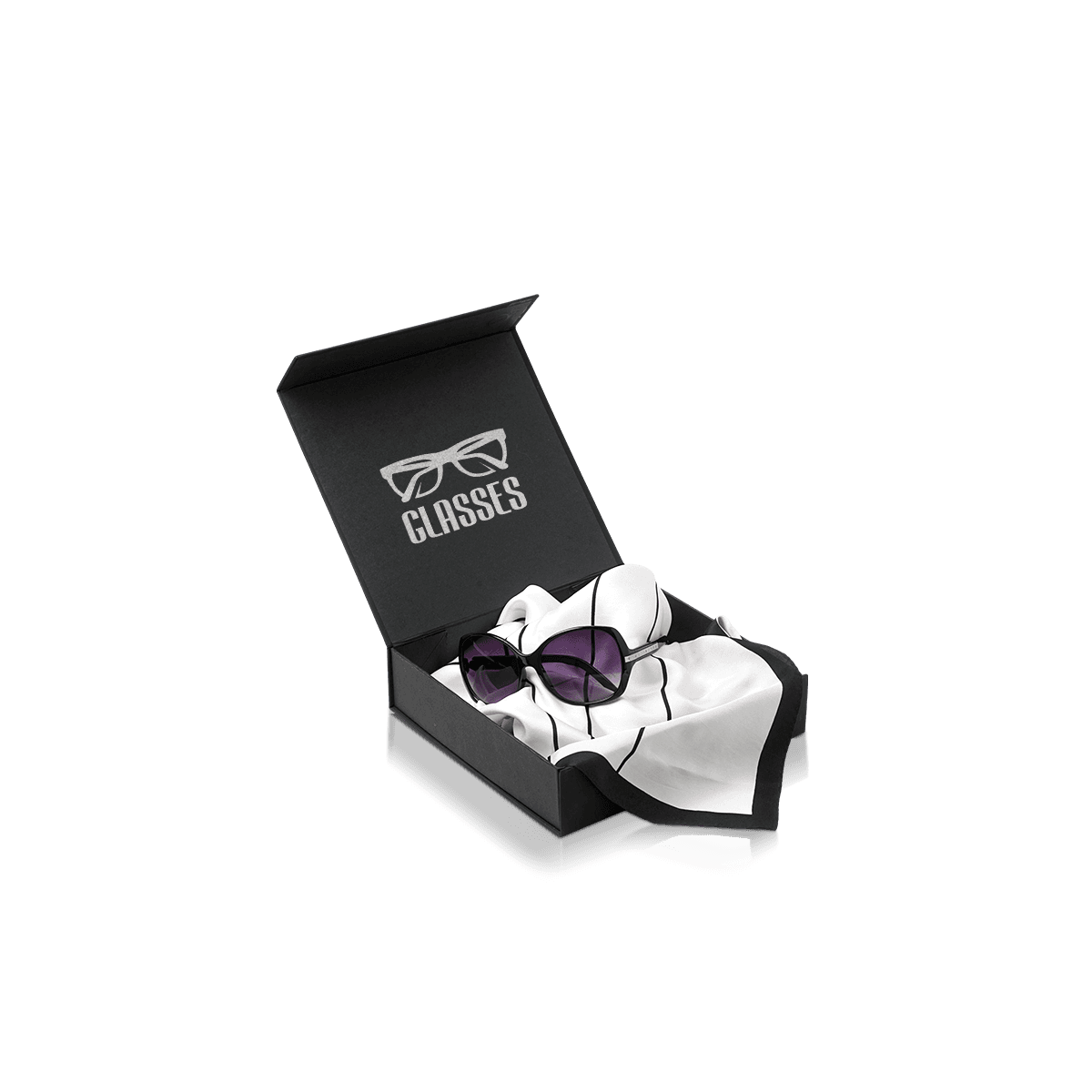
Sunglasses boxes need to protect lenses, frame edges and folded arms without losing retail appeal. The right case supports fashion presentation, gifting, travel-led collections and secure ecommerce fulfilment in one disciplined format.

Folded Arms Set the Depth

A pair of sunglasses can look almost flat from the front while becoming much deeper once the temple arms are folded behind the lenses.

That folded profile should set the starting dimensions for Custom Sunglasses Boxes. If the box is sized only from frame width and lens height, stacked arms can press the eyewear upwards, push against the lid or force the frame to sit at an angle.

The deepest point may come from the temples, hinge hardware, nose pads or curved lenses rather than the visible front of the frame.

Measure the sunglasses exactly as they will sit inside the finished case. The packaging should accommodate that natural folded shape instead of asking the frame to flex into a shallower cavity.

Measure the Complete Frame

Eyewear dimensions need to capture the full packed shape rather than the nominal lens or frame measurements used for product listings.

Record Maximum Width

Measure from the furthest outside point on one side of the frame to the furthest point on the other.

Oversized square styles, cat-eye corners and decorative temples can extend beyond the main lens area. The insert and walls need clearance around those true extremities.

Check the Folded Height

Measure from the lowest point of the folded frame to the highest point once both temples are in their resting position.

One arm may stack partly over the other, particularly on thicker acetate frames. That overlap can make the packed depth substantially greater than the front frame suggests.

Include Bridge Projection

The bridge can sit above or ahead of other surfaces depending on the frame shape. A support that ignores it may leave the eyewear rocking between the bridge and temples rather than resting evenly.

If several components need their own contact points, Jewellery Box Inserts can provide the fitted internal geometry while the eyewear measurements determine where those supports belong.

Keep Contact Off the Lenses

The lenses are a poor place to use as a primary holding surface.

The insert should locate the eyewear through safer areas of the frame wherever possible, such as stable bridge or frame sections, while leaving optical surfaces clear.

A soft-looking interior is not automatically safe if the sunglasses are loose enough for the lenses to rub against it repeatedly.

Support the Bridge Carefully

A shaped support near the bridge can help locate the centre of the frame without pressing directly against the lenses.

The support must still account for nose-pad hardware on metal frames. Adjustable nose pads can project below the bridge and may sit at slightly different angles between models.

Respect Curved Lenses

Wraparound and sport-led sunglasses can have far more lens curvature than conventional fashion frames.

A flat insert designed around the front outline may contact the lens before it reaches the surrounding frame. These products need the cavity assessed in three dimensions rather than from a top-down outline alone.

The fragile product packaging decision is relevant here because a stronger outer shell cannot correct poor contact inside the case.

Give Hinges Side Clearance

Hinges sit at one of the most mechanically active points on sunglasses. They also tend to occupy the edges of the folded frame, where an insert or side wall can easily apply pressure.

Leave enough space for the hinge area to sit without being pinched between the frame support and outer case.

The aim is not a loose cavity. It is controlled positioning that avoids turning the hinge into a load-bearing stop.

For unusually thick hinges, decorative temple hardware or wide fashion frames, Custom Packly's packaging specialists are available 24/7 to review the intended fit before final dimensions are set.

Group Frames by Folded Profile

An eyewear brand can often reduce the number of box sizes it carries, but the grouping should follow physical fit rather than collection name.

Slim metal aviators may share one case depth. Thick acetate frames may form another group. Oversized square frames or wraparound styles may need separate footprints even if they sell at the same price point.

Keep Similar Depths Together

Frames with close folded width, height and depth can often use one exterior case with small insert adjustments.

That keeps branding consistent without forcing the smallest pair into excessive empty space.

Separate the Outliers

One unusually deep temple design should not dictate the depth of every box in the collection.

If accommodating that model makes the rest of the line look buried, split it into another size group. MOQ starts from 100 boxes, which gives brands room to separate genuinely different frame profiles instead of building one oversized universal case.

Brands selling watches and other accessories alongside eyewear can coordinate the visual language through Jewellery and Accessories while allowing each product to keep the dimensions it actually needs.

Make Accessories Earn Their Space

Cleaning cloths, care cards, authenticity information and soft pouches can add value to an eyewear presentation, but they should not simply be inserted wherever empty space remains.

A folded cloth placed beneath the sunglasses changes support height. A booklet beside the frame increases the footprint. A pouch folded behind the insert can push the presentation surface forward.

Decide which accessories are included before finalising the case dimensions.

Keep Cloths Flat

A cleaning cloth usually needs little space when folded consistently. Give it a defined position so its thickness does not vary beneath one side of the frame.

Separate Hard Components

Spare parts, clips or other rigid accessories should not be free to move beside lenses or polished frames.

If several components need to share the case, plan their locations as one internal system rather than adding them after the sunglasses fit has already been approved.

This is where Custom Packly's one-stop support is useful: outer structure, fitted support, artwork and accessory positions can be resolved together instead of becoming separate production problems.

Choose Structure by Use

A sunglasses box used on a fashion counter does not have the same job as one kept for long-term storage or shipped inside an ecommerce parcel.

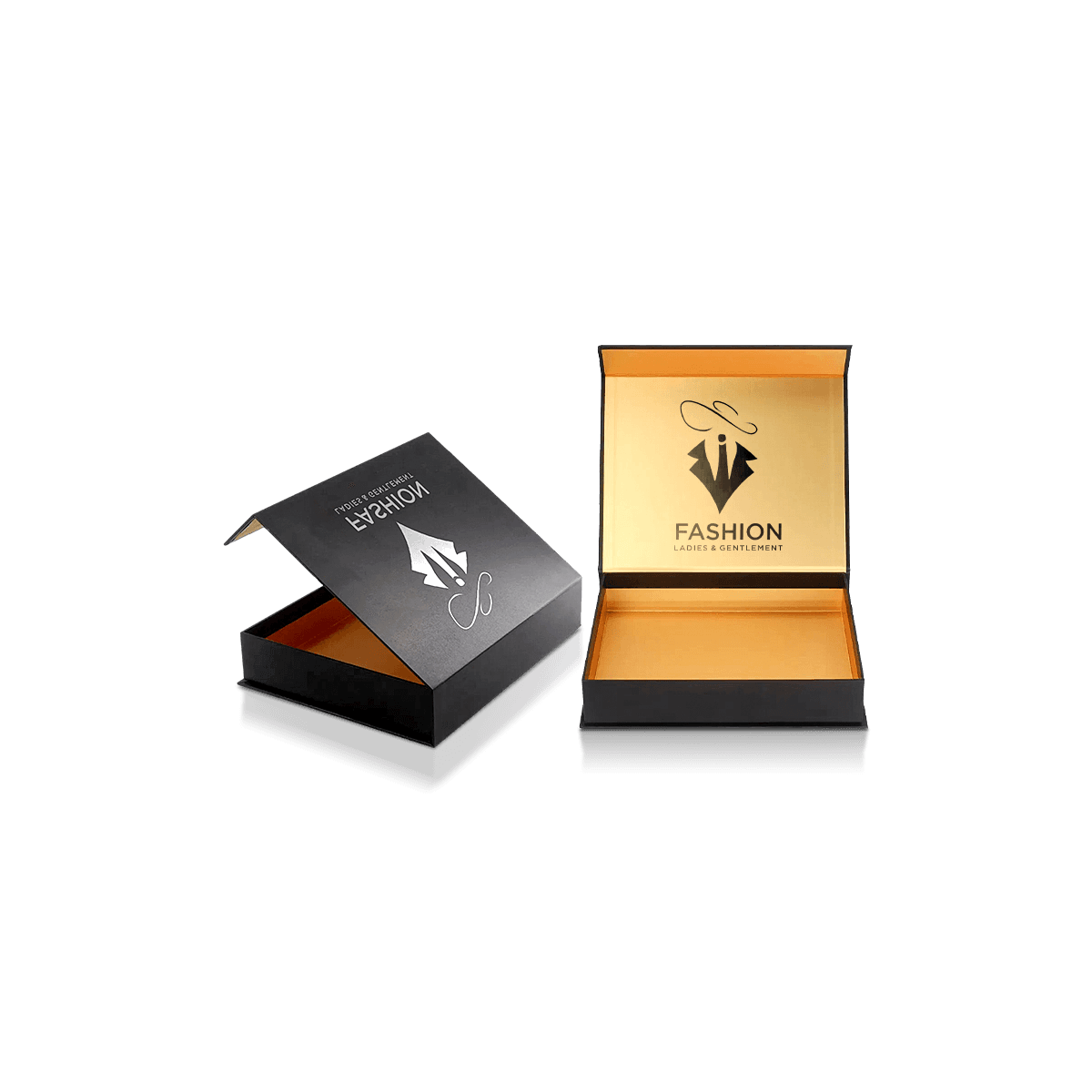
Rigid Boxes work well for premium eyewear where the packaging should remain useful after purchase and provide a substantial presentation case.

Hinged Lid Rigid Boxes keep lid and base together, which can suit retail demonstrations or reusable storage where the case is opened frequently.

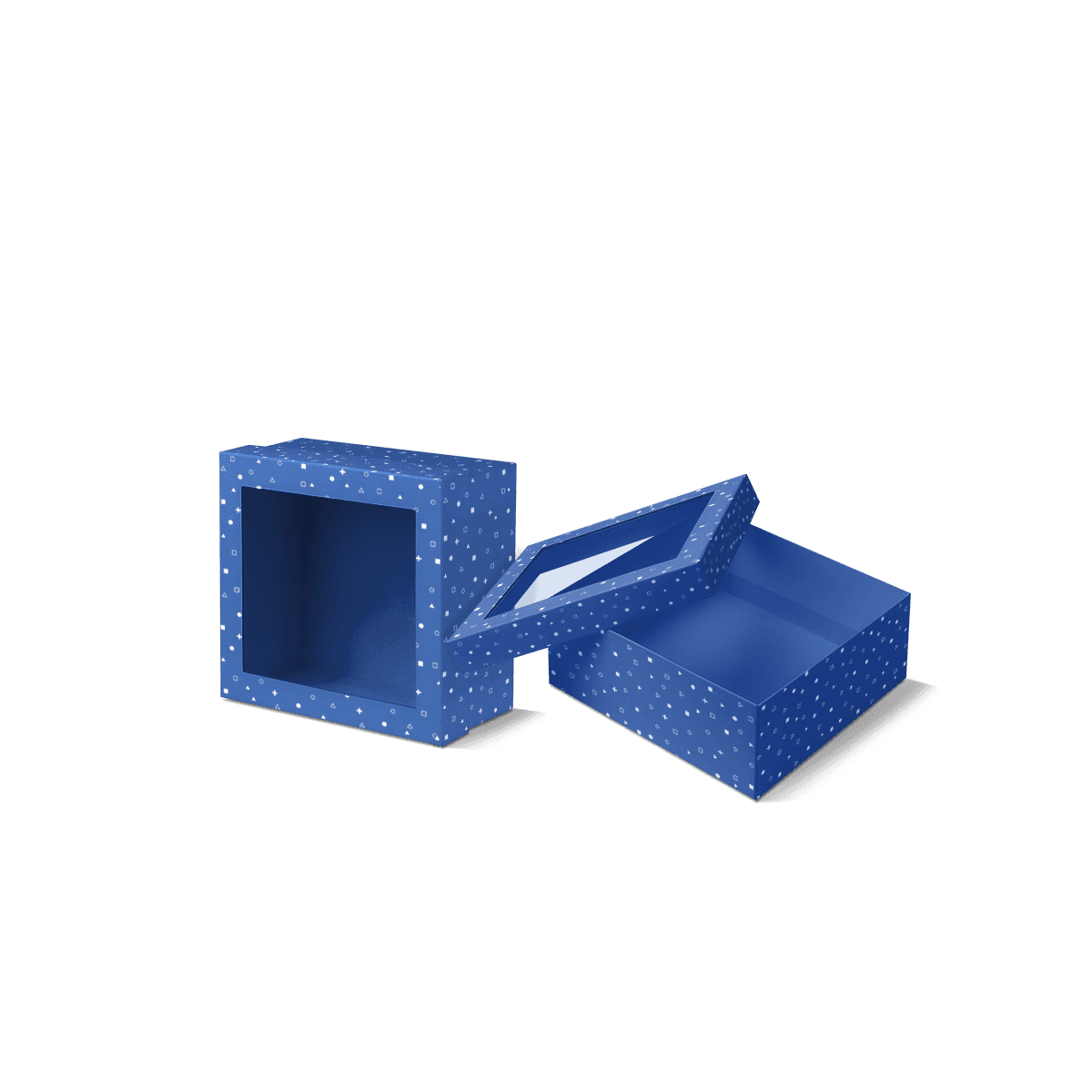
Telescopic Rigid Boxes provide deeper lid coverage when the brand wants a more enclosed two-piece presentation.

For lower-priced seasonal eyewear, a lighter paperboard carton may make more commercial sense if another protective case already surrounds the sunglasses.

The packaging selection process helps separate retail, shipping and premium presentation needs before material is chosen for appearance alone.

Make Repeated Opening Easy

Retail eyewear packaging may be opened many times before the sunglasses are sold.

Staff need to lift the product out, let a customer try it on and return it to the same position without rebuilding a complicated interior arrangement.

The support should make orientation obvious. Temple arms should fold into their intended position naturally. Accessories should return to a predictable location.

A case that needs careful adjustment after every demonstration may produce an excellent first photograph but perform badly on a working retail counter.

Free samples can help assess handling and physical fit where the frame shape is unusual or the opening sequence needs to be tested before a full production run.

Use the Lid for Branding

Sunglasses cases often provide a broad exterior surface, which gives brands more room than compact ring or earring boxes.

That space still needs discipline.

Premium offset printing works well for exact brand colours, fine typography, detailed graphics and large solid areas. Foil, embossing or debossing can add emphasis where the eyewear price and brand position justify it.

Packaging customisation can coordinate exterior print, interior colour and finishes with the case itself.

A free 3D mockup is useful when artwork needs to align with a long horizontal box. A logo that works on a square carton can feel undersized or awkwardly centred across eyewear proportions.

The packaging artwork workflow is useful when the frame dimensions and internal support need to be settled before final graphics are positioned.

Protect the Case in Ecommerce

A premium sunglasses case should normally be treated as presentation packaging, not as the parcel that directly enters a courier network.

For online orders, Jewellery Mailer Boxes can protect the completed eyewear case while the internal support keeps the folded sunglasses stable.

Test the complete system rather than evaluating each component separately.

After handling, reopen the inner case and check:

  • the temples remain folded correctly
  • the hinges have not moved into a hard edge
  • the lenses remain clear of surrounding surfaces
  • accessories remain in their assigned positions
  • the presentation case has not rubbed against the mailer

The outer delivery layer should protect the presentation case. The presentation case should protect and position the eyewear.

Avoid Paying for Empty Depth

Sunglasses packaging can become unnecessarily bulky when brands standardise around the deepest frame in the entire catalogue.

A few extra millimetres may seem insignificant on one box, but repeated across a rigid case, insert, storage carton and ecommerce mailer they can increase material use and occupied volume.

The analysis of custom packaging cost in the UK shows why dimensions, material, quantity, print and finishing need to be assessed together.

The commercial question is not simply whether every frame can technically fit one box.

It is whether the common box still presents the smaller frames properly and remains efficient enough to justify the standardisation.

Where frame families differ substantially, two or three disciplined sizes can be better than one universal case.

Check the Frame After Handling

A fit test should include more than placing the sunglasses neatly into an open sample.

Fold the temples as they will be packed, close the case and move it through several orientations. Reopen it and check where the frame has settled.

Look for signs that one arm has crossed the other, the eyewear has rotated, a hinge has reached the wall or a lens has contacted the insert.

Then remove and replace the sunglasses several times. The support should remain intuitive and should not require pressure on the lenses to lift the frame.

Years of packaging experience matter here because the successful case is not the one that fits once under controlled conditions. It is the one that keeps working through packing, retail handling, gifting and storage.

Define Frame Groups for Pricing

Instead of requesting one price against the words “sunglasses box”, divide the collection into physical frame groups before quoting.

For each group, record the maximum folded width, folded height and folded depth. Add the bridge projection, unusually thick hinges and any accessory bundle that must share the case. State whether the box is primarily for retail presentation, gifting, storage or ecommerce.

One representative set of dimensions can then define each case size rather than pricing every colourway as a separate packaging project.

Custom Packly provides guaranteed 4–6 working day production and delivery once the specification moves into production, which supports seasonal eyewear launches and repeat stock once those frame groups are established.

Use the instant packaging quote with the frame groups, quantities and accessory requirements. Pricing can then be based on the real folded profiles instead of a generic eyewear-box size.

FAQs

Sunglasses should sit in a controlled folded position with the frame supported at key contact points rather than left loose inside the cavity. The goal is to protect the lenses, bridge and hinges without putting too much pressure on the arms. A shaped insert or padded platform usually gives the cleanest result and keeps the product presentation consistent.

Usually not. Slim metal frames, oversized acetate styles and deeper wrapped arms all behave differently once folded. A single case size can make smaller products look lost and larger ones feel compressed. Many collections keep one outer look for brand consistency and adjust the inner fit or case depth for different frame groups.

Rigid sunglasses boxes are generally the better choice when presentation, gifting and shelf display matter. They protect the frame more effectively and create a stronger handover experience. Soft pouches still have value, especially as an added accessory for travel or cleaning, but they do not usually deliver the same structured retail impression on their own.

The most practical finishes are usually those that look refined but can handle repeated opening and handling. Matte wraps, lightly textured papers and controlled foil placement often work well because they add presence without turning the case into a scuff-prone surface. The right finish should match the collection image and the expected handling level.

Start with the folded width, folded height, bridge projection and arm thickness. Then confirm whether the case needs space for a cloth, booklet or promotional insert. It also helps to decide early if the sunglasses box will only sit at retail or also go inside a shipping pack, because that affects board strength and case tolerance.

Related Industry Packaging

Process

How it works

Your Packaging Journey, From Idea to Production and Delivery

01

Tell Us Your Specs

Custom packaging boxes

Tell Us Your Specs

Provide size, quantity, printing, and finishes.

02

Get a Fast Quote

Custom packaging boxes

Get a Fast Quote

Instant transparent pricing, no hidden fees.

03

Design and Approval

Custom packaging boxes

Design and Approval

Artwork checks, revisions, and final sign-off.

04

Produce

Custom packaging boxes

Produce

Expert manufacturing to meet deadlines.

05

Ship to Your Door

Custom packaging boxes

Ship to Your Door

Hassle-free, flexible delivery options.

Get Your Quote for Custom Sunglasses Boxes

Share your product details, dimensions, quantity and artwork needs. We’ll help choose the right packaging style and send a clear quote.