Skip to content
Details

Custom Lip Balm Tubes

Paper push-up packaging for solid lip care, planned around balm diameter, fill height, formula firmness and the way the product advances during daily use.

The Tube Is the Applicator

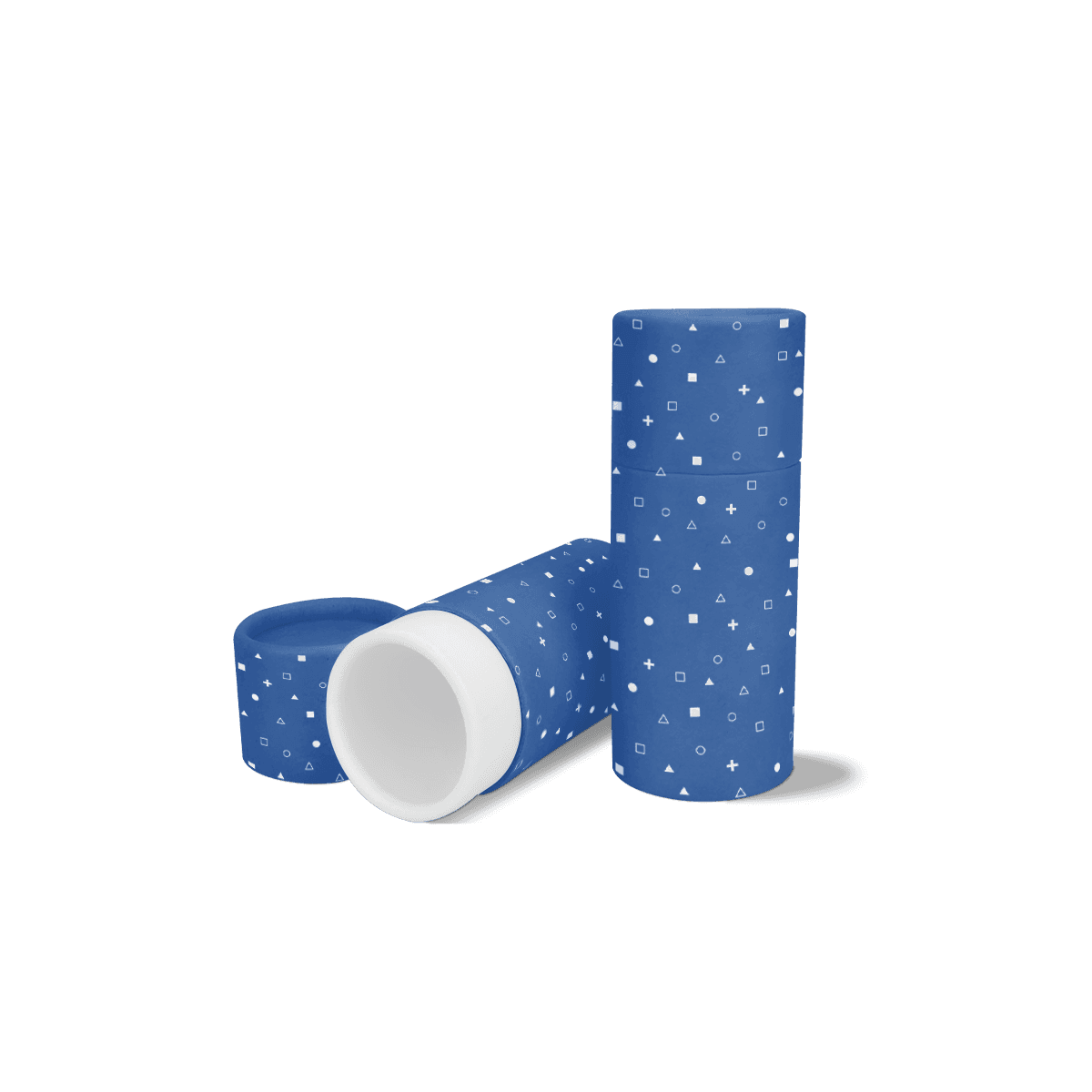
Custom Lip Balm Tubes are different from outer cosmetic cartons because the package is handled every time the balm is used. With a paper push-up format, the tube has to hold the formula, move it upward in a controlled way and stay comfortable in the hand while still carrying the brand.

That makes the dispensing structure the first decision. The broader custom cosmetic packaging system can keep a lip-care line visually consistent, but the balm tube itself should be developed around formula behaviour and application rather than copied from lipstick or lip gloss packaging.

Separate Tube From Carton

This page is about the direct-use balm tube. A push up tube is appropriate when the solid product advances from the base and is applied from the top of the same package.

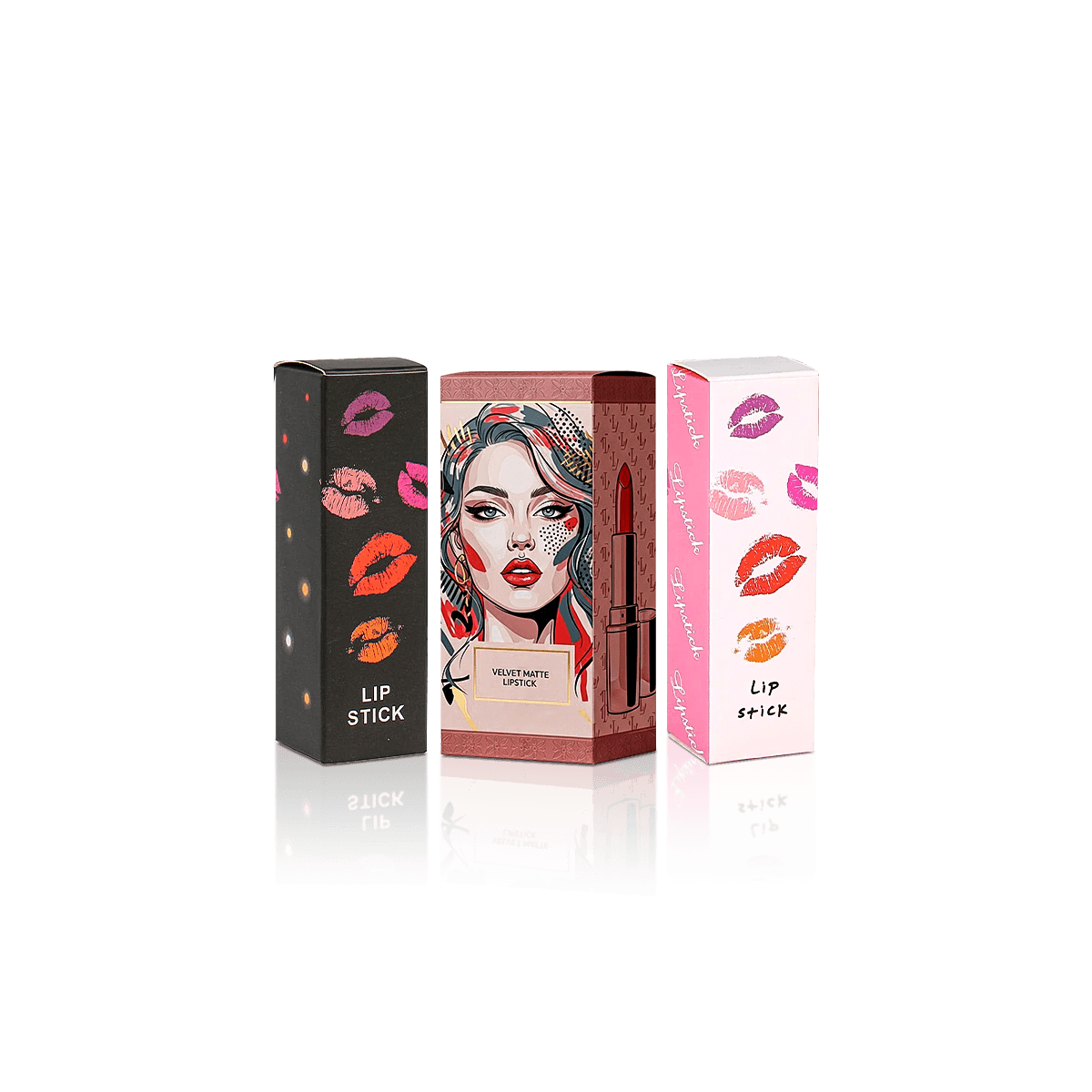
If the balm already sits inside a separate plastic or metal mechanism and simply needs an outer retail box, the job is closer to lipstick boxes. Keeping those two jobs separate avoids paying for an outer structure when the tube itself is meant to be the sellable pack.
Diameter Changes More Than Capacity

The internal diameter affects how much balm the tube can hold, but it also changes the area presented to the lips, the force needed to push the product and how the finished pack feels between the fingers.

A very narrow tube can suit a compact balm stick, while a wider format may work better for salves or products intended to cover more surface. The correct dimension therefore starts with the intended use, not with a standard tube picked from a catalogue.

Match the Balm Column

Confirm the target fill weight, intended balm diameter and usable product height together. Changing one can alter the others. A taller fill is not automatically more efficient if it leaves the customer pushing a long, slender column that becomes less stable as it rises.

The first usable portion should also sit at a sensible height below the rim. Enough headroom is needed for the cap to close without touching the product before first use.

Leave Room Above the Fill

Overfilling a push-up tube can make a good-looking capacity figure create a poor first opening. If the balm sits too high, the cap can mark the surface or pick up product.

Headspace should be planned into the filled specification rather than treated as wasted volume. The objective is a clean first opening and useful product travel, not filling every available millimetre.

Push Travel Needs Control

A push-up tube works through controlled friction. The base disc has to move when the customer applies pressure, then stay where it is left instead of sliding back or advancing unpredictably.

That balance cannot be judged from artwork. It depends on the actual tube dimensions, disc fit and filled product.

Too Tight Feels Stuck

If the moving base binds against the wall, customers may have to push harder than expected. That can make a small everyday product feel awkward, especially as the balm gets shorter and the hand position changes.

Packing teams can also encounter problems if the internal fit is so tight that filling or assembly distorts the tube.

Too Loose Wastes Control

The opposite problem is a disc that moves too freely. The product can advance too far, shift during handling or feel less precise in use.

The right push resistance has to be tested with the filled tube. An empty sample can confirm dimensions and print, but it cannot reproduce the way the mechanism behaves once formula weight and friction are present.

Formula Comes Before Paper

A paper-led tube should never be specified from appearance alone. Lip balm formulas can differ in firmness, oil content, wax balance and sensitivity to warmth, and those differences affect how the product behaves against the inside of a push-up pack.

If the formula will contact the tube directly, confirm the selected material and any required internal barrier or lining for that specific formulation and filling process before production. Do not assume ordinary paperboard provides the necessary compatibility simply because the product is solid.

Check Firmness at Use Temperature

A balm that performs well in a cool production room may soften in a handbag, pocket or warm stockroom. Softer product can drag against the wall, deform when pushed or leave more residue around the rim.

The packaging brief should therefore include the temperatures the filled product is reasonably expected to experience. This is a functional question, not a sustainability or branding claim.

Confirm the Filling Method

How the balm enters the tube matters. The packaging supplier needs to know whether the product is poured, filled in another state or inserted as a pre-formed stick because the process can change what the inner surface and moving components need to tolerate.

The wider principles in choosing packaging around the product apply especially strongly when the package becomes part of dispensing.

The Cap Needs Working Space

The cap does more than close the tube for sale. It will be removed and replaced repeatedly, often while the product is warm from use or sitting slightly above the tube rim.

Protect the Balm Surface

The inside of the cap should clear the highest intended product position at first opening. If the tube is filled too close to the top, normal cap replacement can smear or flatten the balm.

Cap depth, wall overlap and tube height should therefore be considered as one set of dimensions rather than three isolated parts.

Test Repeated Closing

A cap that feels secure once may behave differently after repeated use. Test removal and replacement with a filled tube and check whether friction remains appropriate, whether printed surfaces scuff and whether the closure stays neat after ordinary handling.

This is also where portability becomes real. A lip balm carried in a pocket or handbag needs a cap that stays seated through movement without becoming unnecessarily difficult to remove.

Use the Circumference Carefully

Lip balm tubes provide a continuous cylindrical print surface, but that does not mean every part of it is equally visible. Customers usually see one narrow face first, while the seam and hand position can interrupt artwork elsewhere.

Choose a Primary Reading Face

Give the brand name, product type and main lip-care cue a clear front-facing zone. Secondary information can continue around the tube, but important elements should not depend on the customer rotating the pack several times to understand what it is.

The packaging design process is useful here because artwork should follow the approved physical structure and seam position rather than being wrapped around an assumed cylinder.

Design Around the Seam

Keep small text and precise graphic alignment away from the wrap seam where possible. Patterns can cross it more forgivingly than a fine rule, letterform or small icon that relies on exact registration.

For colour-critical artwork or larger repeated orders, digital and offset printing should be compared using the actual quantity, artwork and colour requirements rather than assuming one method is always the premium choice.

The available customisation choices can then be narrowed to the print and finish details that still work well on a product handled repeatedly.

Decide If It Needs Another Pack

A self-contained lip balm tube does not automatically need an outer carton. Removing an unnecessary second layer can simplify packing and keep a small product compact, provided the tube itself carries the required branding and supplied product information.

Singles Can Stay Direct

For straightforward everyday lines, the printed tube can be the customer-facing unit. This keeps the packaging proportionate to a small product and avoids creating a large box simply to add shelf presence.

A counter display, retailer requirement or security need may still change that decision, but the secondary package should solve a specific problem.

Sets Need Another Structure

Duos, seasonal kits or mixed beauty sets may benefit from an outer pack that groups several tubes and prevents them rolling loose. In that case, treat the lip balm tube as the primary product pack and design the surrounding structure separately.

For counter-led retail, countertop display boxes can group several tubes without forcing each one into an oversized individual carton. Gift sets and ecommerce bundles should use a separate outer pack sized around the number of tubes and how they need to stay separated.

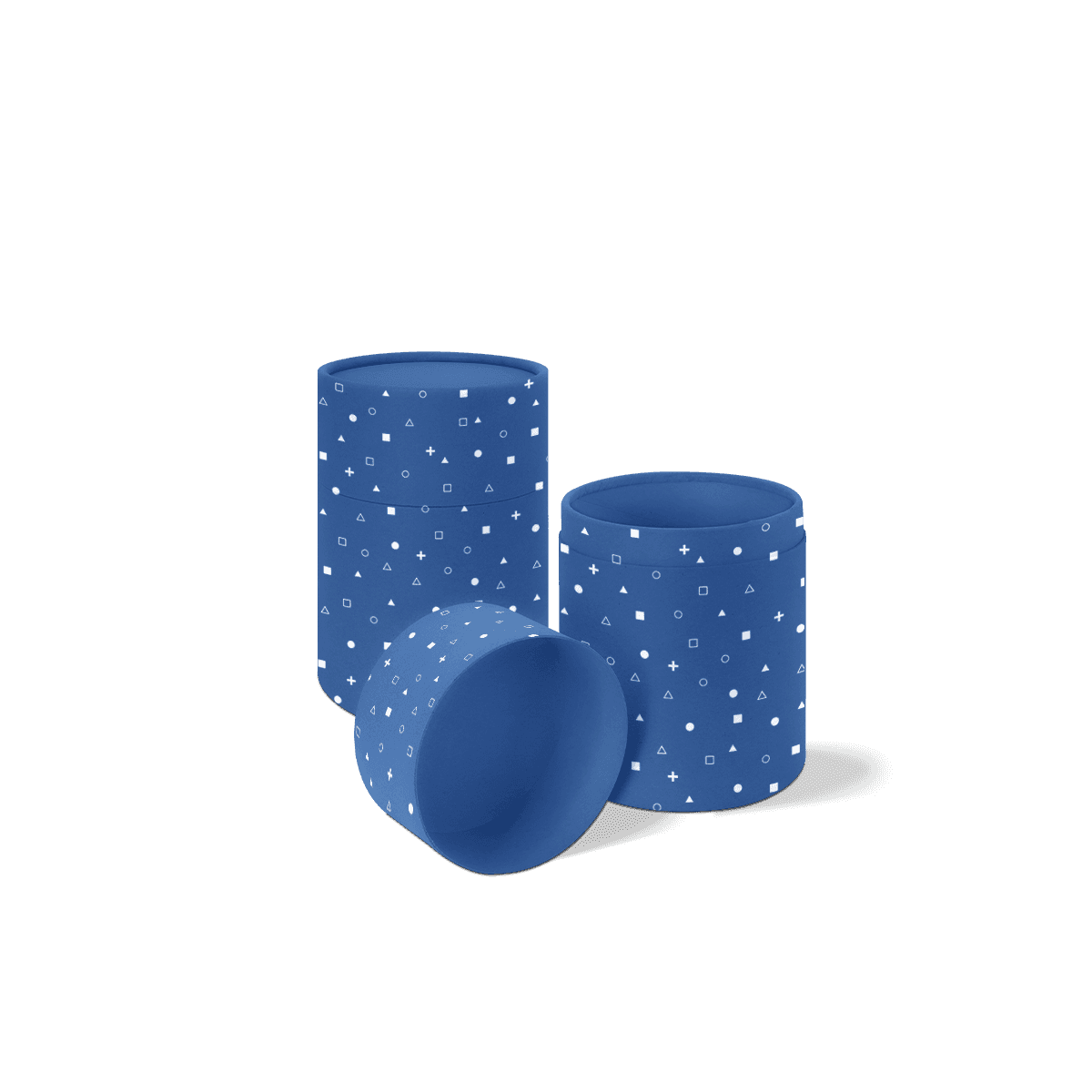
Conventional cardboard tube packaging serves a different purpose again: the product is normally removed from a lidded presentation tube rather than advanced through a dispensing base.

Prototype the Repeated Motion

Lip balm packaging should be sampled as something the customer will use repeatedly, not only admired as a finished printed object.

Fill representative tubes, push the balm upward in stages, replace the cap, carry the sample and repeat the cycle. Watch for drag, sudden movement, surface marking, loose caps, seam wear and residue around the rim.

Use the physical sample to confirm the things a screen cannot: push resistance, cap retention, wall drag and residue after repeated use. Visual artwork can be checked separately once the mechanism behaves correctly.

This is also where custom packaging cost should be considered beyond unit price. A cheaper tube is not cheaper if filling is awkward, samples fail after repeated use or a later formula change forces the specification to be remade.

Turn the Fill Spec Into Production

Once the formula, fill weight, diameter, headspace and filling method are stable, the packaging is ready to move from development into pricing. The useful production reference is the approved filled-tube target, not a decorative tube size chosen in isolation.

Attach that specification to the custom packaging quote with the required quantity, artwork and whether the tube will sell alone, in a counter display or inside a set. If push resistance or material compatibility is still unproven, keep sampling ahead of the main run instead of locking print first.

FAQs

Paper-based push-up tubes are usually the strongest starting point for stick balms because they keep the format compact and easy to use without adding unnecessary outer packaging. The right structure still depends on balm diameter, fill height and how the product will be merchandised. If the line is more gift-led or needs grouped presentation, a secondary carton or insert-supported set may be the better route.

Start with the actual balm diameter, the finished product height and the intended fill depth inside the tube. Confirm how firm the formula is, how the balm will behave in warmer conditions and whether the product needs space for labels, flavour names or treatment claims. It also helps to confirm if the tubes will be sold as singles, in duos or inside mailing packs.

Yes, provided the range is planned as a system rather than as isolated SKUs. Tinted, flavoured and treatment-led balms usually need a consistent approach to colour coding, naming and side-panel information so the line stays easy to read. That matters most when many variants share the same core dimensions and need to be sorted quickly in retail or fulfilment.

A tight hierarchy works best. Brand, product type and the main variant cue should carry the front-facing focus, while ingredients, directions and barcode details sit in fixed secondary positions. Small packs do not leave much room for visual excess, so disciplined layout is more valuable than trying to squeeze too many claims onto the tube surface.

Lip Balm Tubes are the stronger route when the product is a balm stick designed for direct use from the tube and repeated daily handling. They keep the format more compact and better suited to portable lip care. Lipstick Boxes become more useful when the product sits in a separate cosmetic component and needs an outer carton for shelf presentation, coding or gifting rather than a self-contained tube structure.

Process

How it works

Your Packaging Journey, From Idea to Production and Delivery

01

Tell Us Your Specs

Custom packaging boxes

Tell Us Your Specs

Provide size, quantity, printing, and finishes.

02

Get a Fast Quote

Custom packaging boxes

Get a Fast Quote

Instant transparent pricing, no hidden fees.

03

Design and Approval

Custom packaging boxes

Design and Approval

Artwork checks, revisions, and final sign-off.

04

Produce

Custom packaging boxes

Produce

Expert manufacturing to meet deadlines.

05

Ship to Your Door

Custom packaging boxes

Ship to Your Door

Hassle-free, flexible delivery options.

Get Your Quote for Custom Lip Balm Tubes

Share your product details, dimensions, quantity and artwork needs. We’ll help choose the right packaging style and send a clear quote.