Skip to content
Details

Custom Mascara Boxes

Slim cartons planned around complete mascara tubes, cap width, formula recognition and the way each unit is packed, displayed and reordered.

Control the Tall Profile

Mascara tubes create an awkward carton proportion: plenty of height, very little footprint and often a cap that is wider than the barrel beneath it. The box needs to stay straight while giving that finished component enough room to load cleanly.

Measure the closed tube at its widest and tallest points before choosing the carton footprint. An oversized decorative cap, square section or raised collar can determine the width even when most of the component is much slimmer..

Measure the Widest Point

Do not assume the tube body sets the box width. Some mascara components have a cap that is wider than the barrel, while square, oval or faceted components can create different maximum dimensions depending on orientation.

Measure the product exactly as it will be packed. If a raised logo, collar or decorative feature projects beyond the main surface, include it. Close fit is useful, but the tube still needs enough clearance to enter without scraping against the carton walls.

Avoid Excess Headspace

Extra height above the cap does not add useful protection. It can make a slim carton feel weak, allow the component to move vertically and waste front-panel space.

The safer target is controlled clearance: enough room for the closing flaps to work without pressing against the cap, but not a visible empty chamber above the product. This is especially important on tall mascara cartons because a small sizing error is repeated across a large panel area.

Keep the Carton Square

Tall narrow cartons can show distortion quickly. If the paperboard is too light for the panel height or the creases do not fold cleanly, the pack can bow, twist or look uneven when several units stand together.

For most single mascara tubes, folding paperboard remains the efficient starting point. The board specification should be chosen from carton dimensions, filled weight and finish rather than from a generic cosmetic-packaging thickness.

Watch Panel Stiffness

A lightweight tube does not always mean the thinnest stock is the right choice. Long unsupported panels need enough stiffness to stay flat after printing, creasing and assembly.

This matters more when the artwork uses large dark areas, gloss contrast or other treatments that make surface distortion easy to see. The goal is not to make a small mascara box unnecessarily heavy. It is to keep four narrow walls looking straight once the product is inside.

Use Tuck Cartons Deliberately

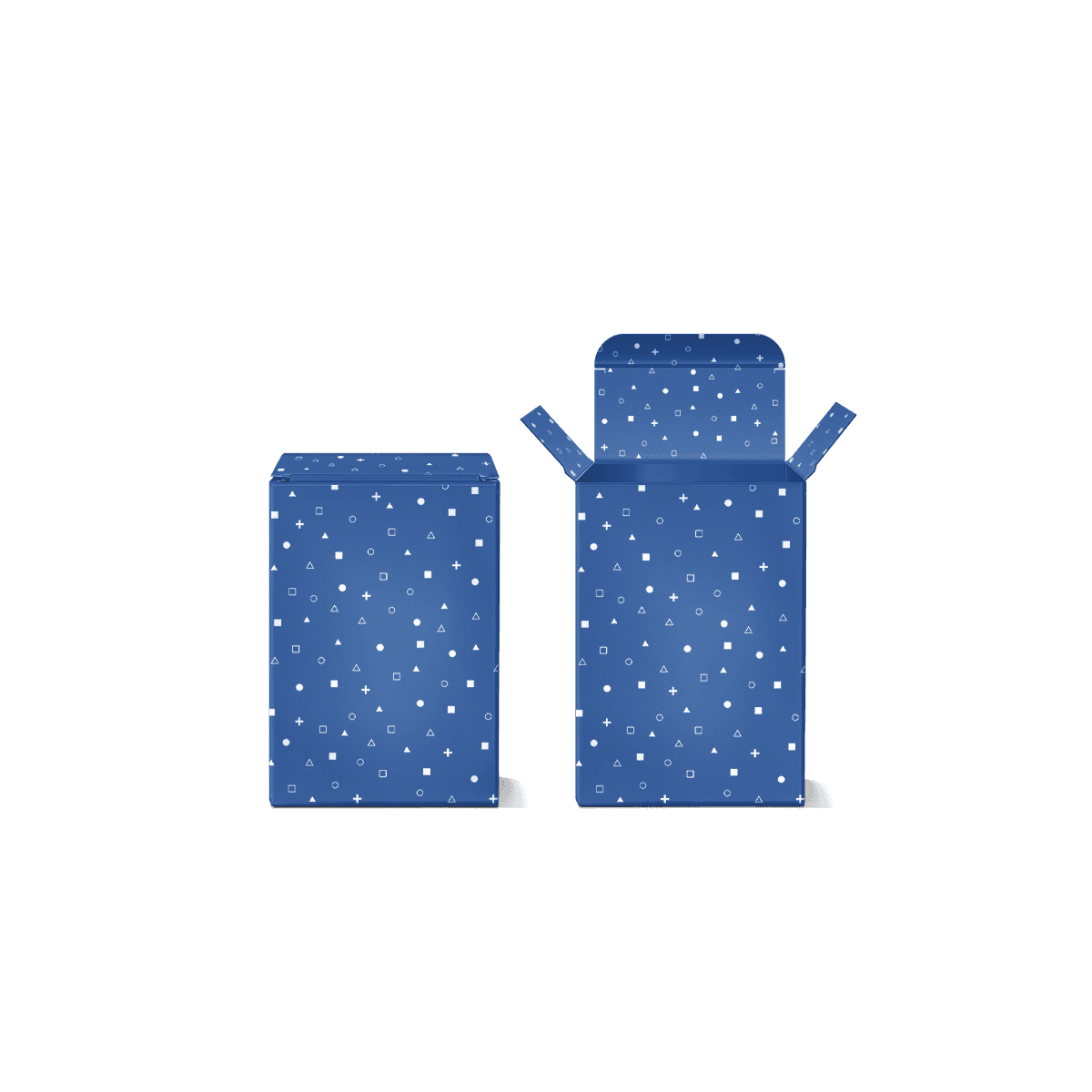
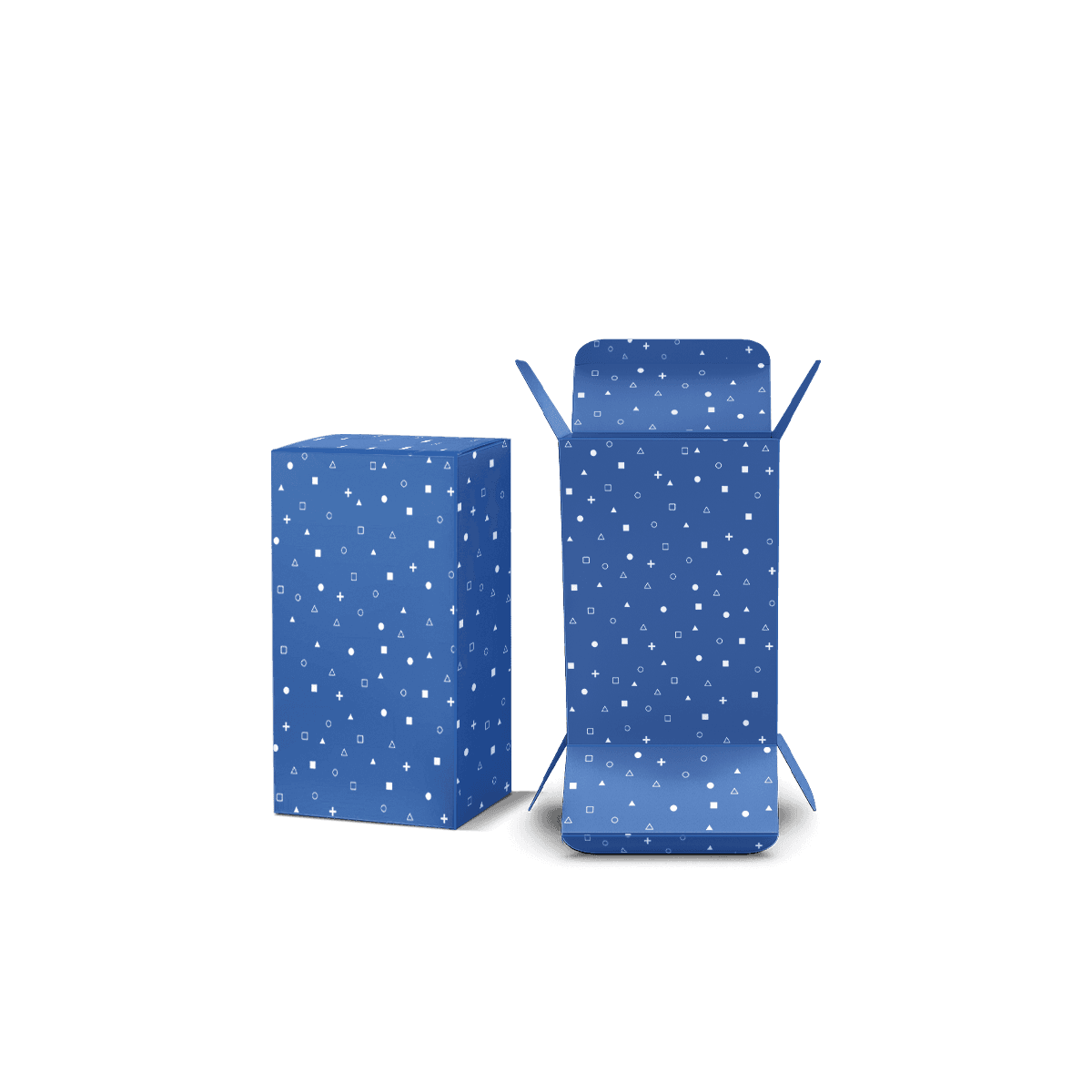
A straight tuck end carton can suit mascara when same-direction top and bottom closures support the intended packing orientation. A reverse tuck end carton may suit a different panel layout or production sequence.

Choose between them from flap direction, front-face placement and how the tube will be loaded. Neither should be selected simply because it is common in cosmetics.

Make Formula Claims Easy

Mascara ranges often contain products that look physically similar while promising very different results. Waterproof, tubing, volumising, lengthening, curling, primer and treatment-led variants can all sit in cartons of nearly identical size.

The outer carton therefore needs a fast recognition system. This is not the same problem as lipstick shade navigation. The stronger priority is usually formula, performance claim or product type, with colour information supporting it where relevant.

Give Each Variant One Cue

Pick a repeatable place for the main variant cue and keep it consistent across the line. That might be a top-flap identifier, a side-panel band, a short product descriptor or a controlled colour change.

The best cue is the one people can see in the real display or picking position. If staff handle cartons from the top, hiding the variant on the base creates unnecessary checking. If units stand front-facing on a shelf, the main formula difference should not disappear onto the rear panel.

Do Not Overload the Front

Mascara cartons have limited front width. Trying to place the brand, product name, brush story, every performance claim and decorative finish on the same face usually weakens the hierarchy.

Keep the front focused on what needs to be recognised first, then use the side and rear panels for supporting information supplied for the product. Makeup Boxes deal with the wider colour-cosmetics system; the mascara carton should solve one tube and its variant clearly.

Choose the Working End

How a mascara tube enters the carton affects packing speed and the way the flaps behave. Decide the working end before artwork is finalised rather than treating both ends as interchangeable.

This becomes more important when the cap is noticeably wider than the body, when the component has a tapered profile or when repeated hand packing is involved.

Test Cap-First Loading

A wide cap may pass cleanly through one end but catch a dust flap or tight opening at the other. Pack several real tubes both ways and choose the direction that creates the smoothest repeatable movement.

Do not rely on one empty-carton test. A sequence that feels harmless once can become frustrating over hundreds or thousands of units.

Align Artwork With Packing

Once the working end is chosen, map the front face, top, base and glue seam around it. This prevents a variant code from ending up underneath the carton or important copy from sitting across the least convenient panel.

The packaging dieline setup process is useful here because the flat file needs to show more than artwork. Cut lines, crease lines, safe areas and the glue flap all affect what remains readable after the carton is erected.

Plan the SKU Split

A mascara launch may contain one physical tube format but several artwork versions. That makes SKU planning part of the print decision, not something to resolve after a total quantity has been agreed.

Five thousand cartons split across five formulas are commercially different from five thousand identical cartons. The artwork count affects setup, stock holding and the value of flexibility on future reorders.

Keep the Dieline Stable

If multiple mascaras use the same finished component, one approved structural dieline can often support several print files. That can simplify artwork checks and keep the line visually consistent.

Do not force this when the component changes. A mini mascara, oversized decorative cap or different tube supplier should be remeasured before it inherits the same carton.

Choose Print From the Mix

Digital printing can be commercially useful when quantities are divided across many changing designs. Premium offset printing becomes more attractive when artwork is stable, volume is concentrated and tighter control of fine type, solids or Pantone colour matters.

The digital and offset printing decision should therefore use the quantity per artwork, not just the combined purchase order.

Brands can also avoid unnecessary cost by resisting a separate structural size for every small variation. The discussion of packaging cost mistakes is relevant when SKU growth starts creating too many dielines, stock locations and short production runs.

Separate Singles From Sets

A standard single mascara usually does not need an insert. A closely sized folding carton can hold a lightweight tube efficiently without adding another component.

The decision changes when mascara is paired with primer, liner, lash treatment or another product. At that point, internal positioning and opening order become part of the packaging problem.

Keep Singles Simple

For one tube, extra internal parts should solve a measurable issue before they are added. If the carton already controls side movement and protects the component surface, an insert may only increase assembly and material use.

A window deserves the same test. Showing the tube can be useful when the component itself is distinctive, but cutting away a large section of a narrow panel also removes printable space and can reduce stiffness.

Stage Duos Properly

Mascara-and-primer duos or promotional lash sets can benefit from a fitted paperboard insert when the products need fixed positions. The support should be designed around the actual components and removal clearance rather than added after the outer carton has already been sized.

If the product line extends into false lashes and tray-led presentation, Eyelash Boxes address a different display problem. If it extends into tall gloss tubes, Lip Gloss Boxes should own those wand-led dimensions instead of stretching the mascara specification across both products.

Check the Counter-Tray View

A flat artwork approval cannot show how a row of mascara cartons will actually read on shelf. Review the erected pack upright, beside other variants and from the direction customers or staff will normally see first.

This is where mismatched top-flap orientation, weak formula coding and overly dense side panels become obvious.

Read the Formula From Above

Stand several mascara variants in the same orientation they will use at retail. If a counter tray hides part of the front panel, check whether the exposed top or side edge still separates waterproof, tubing, volumising or treatment-led formulas clearly.

The variant system has failed if staff have to lift every carton out to identify it.

Check the Exposed Panel Height

The useful display area is not always the full carton height. A tray wall may cover the lower front, while tightly packed neighbouring cartons can hide most side-panel artwork. Design the identifier for the portion that remains visible.

Where mascara is merchandised in a counter display, a suitable Display Box should be considered alongside the individual carton rather than after artwork is complete.

Send the Tube and Formula Map

Start with one finished mascara tube or its production drawing. Mark the total height, widest cap point and normal loading direction, then show how the formula line will be divided across waterproof, tubing, volumising, lengthening or other variants.

Include the quantity required for each artwork and identify which panel needs to carry the primary formula cue. Those details can be sent through the detailed quote form so the carton is priced around the real mascara line and its handling method.

FAQs

Start with the actual filled component size, including the full cap height and widest point, rather than relying on a standard mascara template. Confirm the total unit weight, number of variants, required legal copy and barcode position. It also helps to confirm whether the cartons will be hand packed, machine packed or placed inside secondary delivery packaging after assembly.

For most standard mascara units, straight tuck or reverse tuck cartons are the strongest starting point because they suit narrow components and store efficiently. The better choice depends on loading preference, artwork layout and closure direction. If the range includes duos, heavier premium components or grouped sets, a stronger format or insert-supported structure may be the more practical route.

A fixed coding system works best. Waterproof, lengthening, curling and serum-led variants should follow one consistent layout for names, markers and barcode placement so the line stays easy to navigate. Top flap labels, side-panel identifiers or base coding can all work well. The key point is consistency across the full range, especially when carton sizes remain very close.

A standard folding mascara carton is usually better when protection, print space and cleaner range control matter most. It gives more room for claims, ingredients and legal detail while keeping the tube better covered in transit. A Window Box can work when the actual component finish is a major selling feature, but it gives less panel freedom and can weaken the structure if not planned carefully.

Yes, especially when the format includes more than one unit. Inserts help keep mascara tubes, primers or liners from shifting and make the opening layout feel more deliberate. They also improve presentation in gift edits and promotional bundles. For a single lightweight mascara, inserts are usually unnecessary, so the decision should be based on set configuration and movement risk.

Process

How it works

Your Packaging Journey, From Idea to Production and Delivery

01

Tell Us Your Specs

Custom packaging boxes

Tell Us Your Specs

Provide size, quantity, printing, and finishes.

02

Get a Fast Quote

Custom packaging boxes

Get a Fast Quote

Instant transparent pricing, no hidden fees.

03

Design and Approval

Custom packaging boxes

Design and Approval

Artwork checks, revisions, and final sign-off.

04

Produce

Custom packaging boxes

Produce

Expert manufacturing to meet deadlines.

05

Ship to Your Door

Custom packaging boxes

Ship to Your Door

Hassle-free, flexible delivery options.

Get Your Quote for Custom Mascara Boxes

Share your product details, dimensions, quantity and artwork needs. We’ll help choose the right packaging style and send a clear quote.