Skip to content
Details

Custom Makeup Boxes

Coordinated cartons for palettes, compacts, bottles and colour cosmetics, with clearer shade identification and smarter artwork control across changing SKUs.

Makeup Lines Need a System

A makeup line rarely behaves like one packaging job. Palettes, compacts, bottles and slim colour products create different sizing and handling needs, so Custom Makeup Boxes should share a visual system without forcing every SKU into the same carton logic.

The stronger approach is to give each product the structure and internal clearance it needs, then repeat the visual rules that make the line recognisable. Custom Cosmetic Packaging provides the main beauty context while makeup packaging has a specific challenge: many products are small, shade-led and refreshed frequently.

That makes artwork control, variant recognition and quantity per design just as important as the outside dimensions.

Group Products Before Boxes

Start by grouping the makeup products by physical behaviour. This prevents a large line from becoming a list of unrelated carton sizes.

Slim Units Stay Efficient

Lip products, liners and mascara-style units usually need narrow cartons with disciplined panel use. The outer box should protect the product without creating unnecessary depth or dead space.

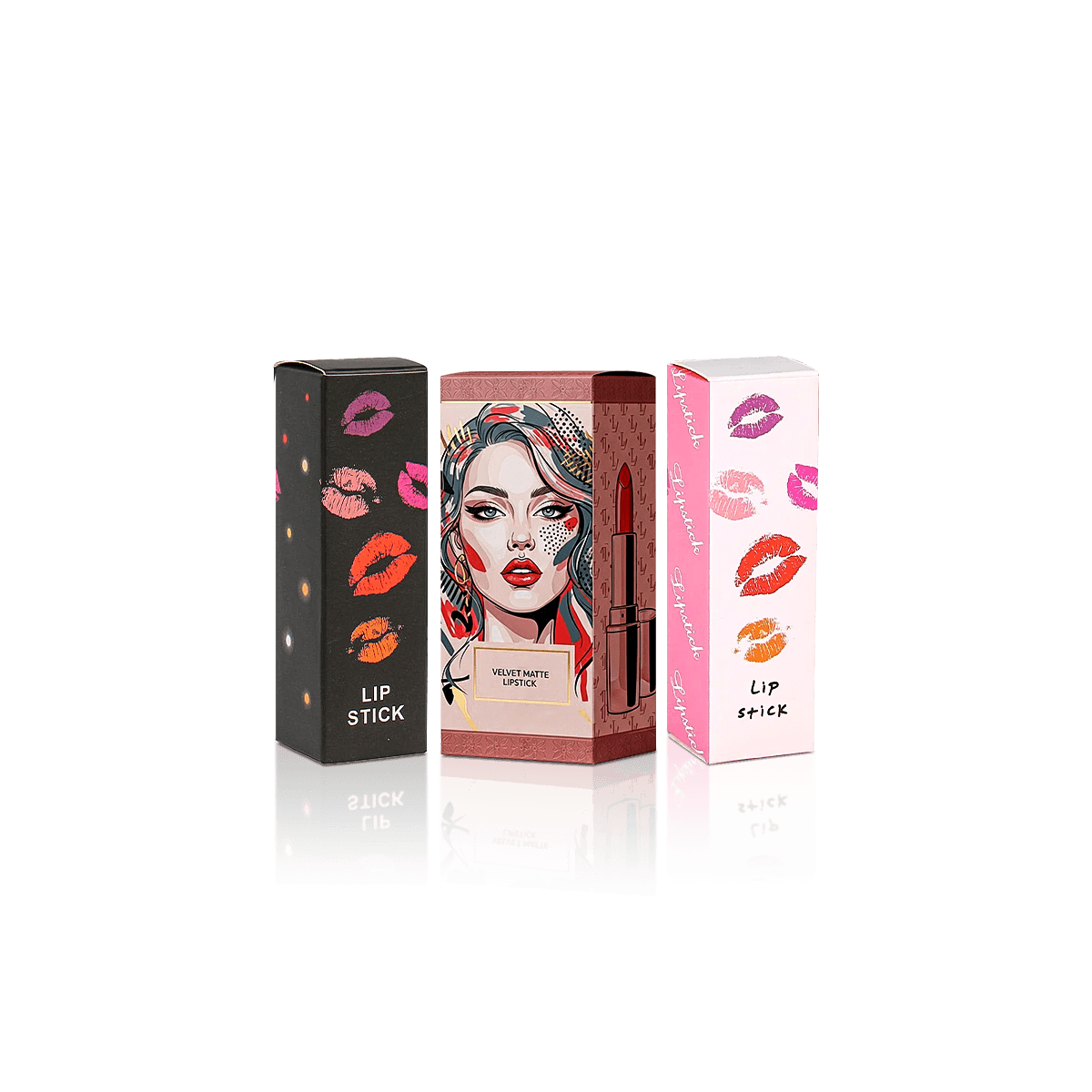
For lipstick specifically, Custom Lipstick Boxes should handle bullet dimensions, cap profiles and shade-heavy slim cartons in more detail. The makeup-level specification only needs to establish how those slim units fit into the full visual system.

Compacts Need Edge Control

Blush, bronzer, pressed powder and similar compacts are wider and flatter. Their corners and hinges can become the weak points if the carton allows repeated movement.

The best fit is not always the tightest fit. A carton needs enough clearance for quick loading and removal without letting the compact slide hard into the side walls.

Bottles Change Weight Balance

Foundation, primer and other bottled makeup can put more weight into a small footprint. Check the final closure, pump or cap as well as the bottle body. A carton that looks proportionate around an empty component can behave differently once the filled unit is packed.

Product-specific cartons still matter inside a coordinated makeup line: Mascara Boxes need long tube control, while Nail Polish Boxes need bottle and cap clearance that a generic makeup carton may not provide.
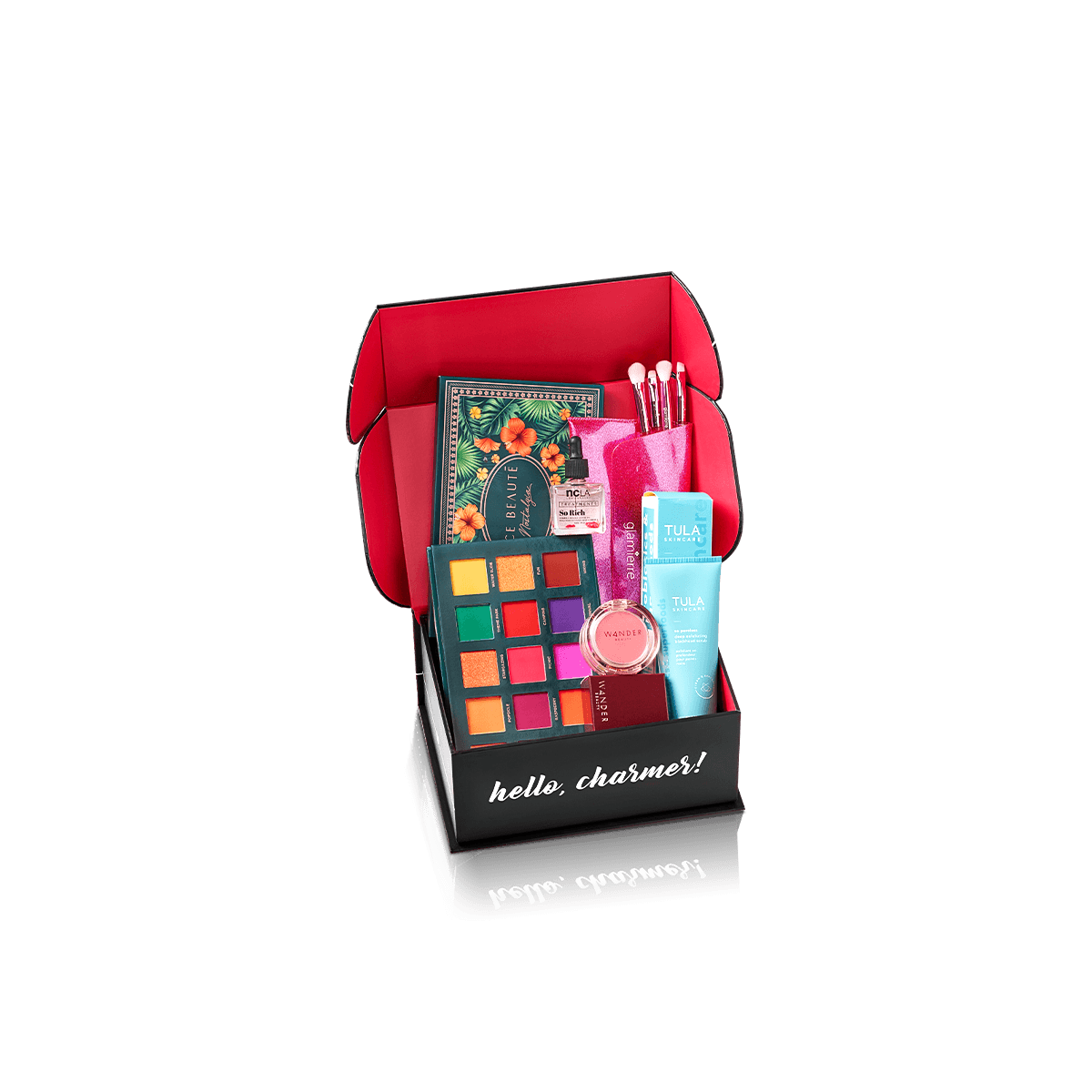
Palettes Need Edge Protection

Palettes bring a different risk profile from most slim cosmetics. Mirrors, hinges and pressed pans can make impact at the edges more important than simple side-to-side movement.

Protect the Perimeter First

A palette should not be able to strike the carton walls repeatedly during handling. A close paperboard carton may be enough for a light, durable palette. Larger or more delicate formats can justify an internal retainer or stronger presentation box.

Custom Eyeshadow Boxes is the better destination when the requirement centres on multi-pan palettes, pressed shadows and mirrored components.

Do Not Grip the Product

An insert that holds a palette too aggressively can transfer pressure to corners, hinges or decorative surfaces. Support should locate the item without making removal awkward.

Where several makeup items share one presentation box, Cosmetic Box Inserts can separate products and control spacing without asking the outer box to do every job.

Shade Recognition Must Be Fast

Makeup packaging often has to distinguish many near-identical cartons. If the only shade difference appears in small copy on one side panel, warehouse picking and retail selection become harder than they need to be.

Code the Visible Panel

Place the shade or variant marker where the carton is actually seen during storage and sale. That might be a top flap, base panel or side edge rather than the main front face.

The exact position depends on how the units are stored, displayed and picked. The important point is consistency. A repeatable marker is more useful than redesigning every shade.

Keep One Variable Zone

Give shade names, finish names, colour swatches or variant codes a fixed area in the artwork. Keep stable elements such as the logo, product hierarchy and core typography in the same positions.

That makes later launches easier to check because reviewers can focus on the fields that changed rather than re-reading the whole carton.

One Dieline Is Not the Goal

Consistency does not require every makeup product to use the same box dimensions. A compact and a slim lip product can share typography, colour logic and panel hierarchy while using completely different dielines.

Trying to standardise the physical size too aggressively creates two common problems: small items rattle inside oversized cartons and larger products force awkward proportions simply to preserve a visual rule.

The better standard is repeatable design logic. Keep the front-panel relationship, naming structure and variant coding recognisable, then let the dimensions follow the product.

For shelf presentation decisions, Custom Retail Packaging covers carton visibility, barcode space, display handling and product presentation across retail formats.

Artwork Count Changes Print Economics

A makeup order should be assessed by the number of physical artworks as well as the total box quantity.

Ten thousand boxes of one design and ten thousand boxes split across twenty shade files are different production jobs. Setup, plate requirements, colour control and the commercial value of shorter runs can all change once the SKU split is visible.

Count Units Per Artwork

When requesting pricing, state how many boxes are needed for each design. A total order figure on its own can hide the part of the job that affects production most.

The digital versus offset printing decision becomes especially relevant for makeup because colour lines, seasonal drops and changing shade mixes can create many separate print files.

Use Offset Where It Earns Its Place

Premium offset printing can be valuable for stable higher-volume artwork, fine text, controlled solids and true spot-colour work. Digital production can be commercially stronger when the same total quantity is divided into many changing designs.

Custom Printed Boxes covers print choices including CMYK, Pantone, repeat colour control and finishing.

Small Panels Need Hierarchy

A small makeup carton can become crowded quickly. Product name, shade, barcode, brand elements and other supplied product information all compete for limited panel space.

Do not solve that by shrinking every line of text. Decide what the customer needs to recognise first, what stock teams need to identify quickly and what can move to a secondary panel.

A clean front can still carry bold colour. The key is to make one level of information visibly more important than the next.

The same principle applies to finishes. Foil, embossing or spot UV should reinforce a focal point rather than compete with shade coding. Packaging design ideas looks at structure, colour and finishing as one physical design problem rather than separate decorative choices.

Retail and Delivery Split Roles

A makeup carton that looks excellent under retail lighting does not automatically make a good courier outer.

Counter Display Changes the Carton

Makeup cartons are often viewed in groups rather than one at a time. On a counter, display tray or stock drawer, the visible top or side edge can matter almost as much as the front panel.

Design the Visible Edge

Put the shade name, finish or variant code where customers and staff will actually see it when several cartons sit together. If the units are loaded into Display Boxes, coordinate that visible edge with the tray height rather than assuming the full front panel will remain exposed.

The same rule helps stock picking. A strong shade system should still work when cartons are stored side by side or end-on.

Protect the Finish After Checkout

Once an order leaves the counter, the retail carton becomes an inner pack. Dark inks, foil, soft-touch surfaces and sharp corners can mark when several products move against each other during parcel handling.

Cosmetic Mailer Boxes can take that delivery role without forcing the individual makeup cartons to become heavier than their retail job requires.

Group Products Without Reboxing

Promotional makeup bundles do not always need a dedicated presentation insert. If each lipstick, compact or palette carton already protects its own product, the bundle can sometimes be created with a sleeve, grouped outer carton or mailer instead of developing a second internal packaging system.

Keep Retail Units Independent

Keeping each SKU in its normal retail carton makes the bundle easier to replenish, break apart or sell separately later. It also avoids redesigning the inner packaging for a short campaign.

Fix Products Only When It Matters

A fitted presentation becomes worthwhile when the bundle itself is the product and the opening arrangement carries enough value to justify dedicated assembly. For short promotions or changing online kits, simpler grouping can be easier to pack and easier to update.

Approve Structure Before Decoration

Makeup packaging often attracts attention to colour and finishing early, but structural approval should come first.

Lock the finished product dimensions, closure points, loading direction and box style before final artwork is adapted to the production template. The packaging dieline workflow covers cut lines, crease lines, bleed, safe areas and artwork placement in more depth.

Check the Physical Orientation

A palette name that reads correctly on a flat artwork file can end up on the wrong visible edge after folding if panel orientation is not checked. Shade labels and barcodes are especially sensitive because they often sit on smaller flaps.

For supported structures, the Dieline Generator can provide a starting template from the dimensions. Before duplicating the master artwork across every shade, review the folded panel orientation once and confirm that shade names, barcodes and variant markers land on the intended faces.

Match Finish to Fold Lines

Heavy foil areas, embossing or dense coatings need sensible placement around creases and small flaps. Makeup cartons often have compact panels, so a finish mask that looks generous on screen may sit too close to a fold once the dieline is considered.

The available print and surface treatments can be reviewed under packaging customisation once the structure and artwork hierarchy are stable.

Reorders Should Follow Sell-Through

Do not automatically reorder every makeup SKU in equal quantities. Shade demand often separates quickly after launch.

Keep the approved dieline, artwork version, colour references and finish specification tied to each SKU, then adjust the next order to actual demand. That reduces the risk of holding excess packaging for slower shades while faster products run out of cartons.

For seasonal drops, retailer exclusives or reformulated products, artwork flexibility may matter more than chasing the lowest possible unit price on one large run.

Warehousing and scheduled deliveries can support established makeup lines when the production quantity is sensible but receiving everything at once would put unnecessary pressure on storage.

Price the SKU Mix

The most useful makeup quote starts with the variant structure, not a single combined quantity. Group the products by physical type, then provide the finished dimensions for each carton, the number of artwork files and the units required for every design.

For palettes or kits, include the closed product dimensions, total packed weight and whether mirrors, inserts or multiple components need extra control. For shade-heavy lines, show which artwork elements stay fixed and which change between variants. Also state whether the cartons are for retail only or will be packed into delivery outers.

That gives Custom Packly enough information to compare structure and print routes without treating thirty shades as one generic box job. UK orders can start from 100 boxes, with instant pricing support available once the real SKU split is clear.

Get a quote with the product groups and artwork quantities you already know. The remaining material, print and finishing decisions can then be narrowed around the actual makeup launch.

FAQs

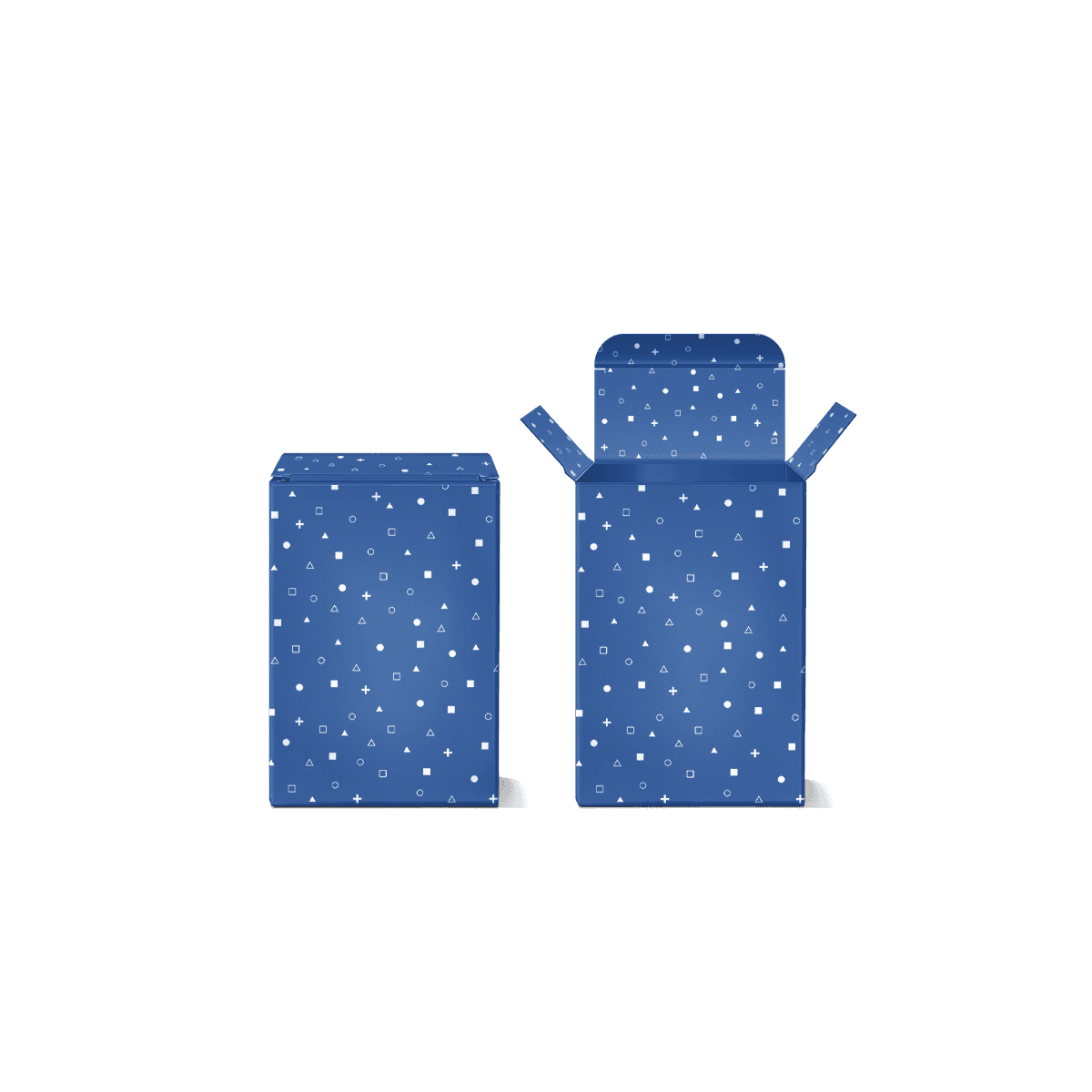
It depends on the product shape and how it will be sold. Straight tuck and reverse tuck cartons suit many lighter cosmetics such as mascaras, liners and lip products. Palettes, bundled sets and heavier items often need stronger bases, trays or inserts. The right choice comes from product size, pack weight, opening style and whether the item is going to shelf, kit assembly or direct delivery.

A good system starts with panel planning. Shade names, colour indicators, barcodes and batch details need fixed positions so every SKU feels part of one range. That consistency matters more as the line grows. If the carton has very limited space, a slightly revised size or layout is usually better than forcing crowded typography onto the same structure.

Confirm the filled product dimensions, closure height, total unit weight and whether the carton needs to hold one product or several items. It also helps to lock the finish direction early, especially if foil, embossing or spot UV will be used. For palettes or gift sets, confirm insert depth, hinge clearance and how the units will be packed for shipping after assembly.

Often, yes. Inserts become useful when the contents include mirrors, pressed pans, mini tools or more than one product. They reduce movement, improve presentation and make the opening sequence feel more deliberate. A small single cosmetic carton may not need internal support, so the decision should be based on fragility, weight distribution and how polished the pack needs to feel.

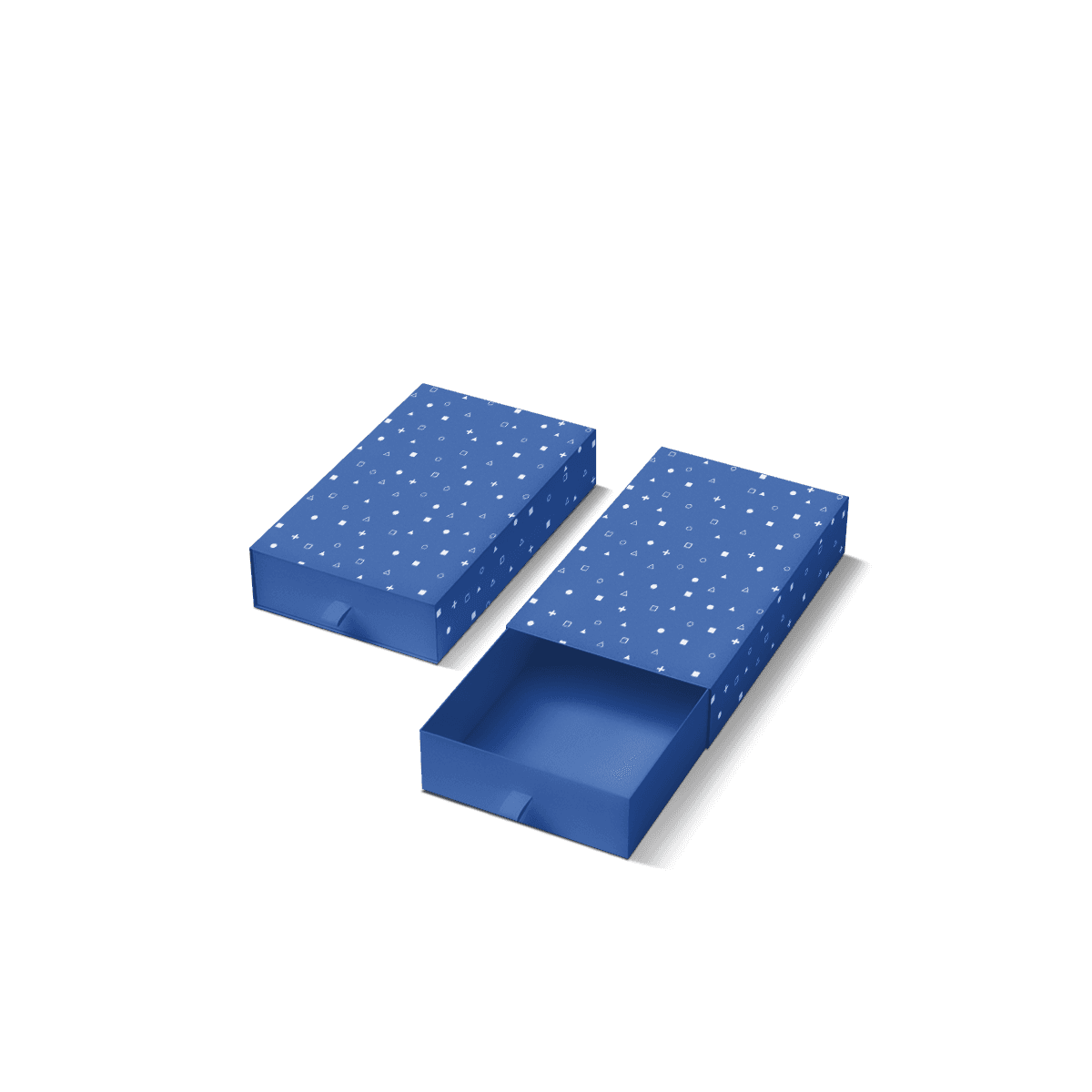
Standard cartons are usually enough for most everyday retail cosmetics, especially where speed, range flexibility and efficient storage matter most. A more premium route becomes stronger when the product is being sold as a hero launch, giftable edit or higher-ticket set. In those cases, structures such as Drawer Boxes or rigid formats can support a slower reveal, stronger presence and a more elevated finish story.

Process

How it works

Your Packaging Journey, From Idea to Production and Delivery

01

Tell Us Your Specs

Custom packaging boxes

Tell Us Your Specs

Provide size, quantity, printing, and finishes.

02

Get a Fast Quote

Custom packaging boxes

Get a Fast Quote

Instant transparent pricing, no hidden fees.

03

Design and Approval

Custom packaging boxes

Design and Approval

Artwork checks, revisions, and final sign-off.

04

Produce

Custom packaging boxes

Produce

Expert manufacturing to meet deadlines.

05

Ship to Your Door

Custom packaging boxes

Ship to Your Door

Hassle-free, flexible delivery options.

Get Your Quote for Custom Makeup Boxes

Share your product details, dimensions, quantity and artwork needs. We’ll help choose the right packaging style and send a clear quote.