Skip to content
Details

Custom Lip Gloss Boxes

Slim cartons planned around gloss tubes, wand caps, visible shades and multi-SKU artwork without wasting space around the component.

Start With the Closure

A lip gloss tube can look narrow through most of its body and still need a noticeably wider carton because of the applicator cap, collar or shoulder. Measure the product closed and treat those projecting points as part of the packaging footprint.

Clear and decorated gloss tubes also make surface contact more visible than it is on many opaque cosmetic components. The carton needs enough clearance to load cleanly without creating so much room that the tube moves inside the box.

Measure Cap and Body Separately

Record the total closed height, the widest body point and the widest point across the cap or collar. Square, faceted and oversized caps can sit outside the main tube profile even when the container itself looks narrow.

Do not create the dieline from the tube diameter alone. If the cap changes for a seasonal edition or premium SKU, recheck the fit before reusing the same carton.

Keep Pressure Off the Neck

The carton should close without transferring pressure into the cap, collar or neck area. A tight top flap may seem harmless on an empty mockup but can push directly onto the component once the gloss is loaded.

Controlled headspace is better than either extreme. Leave enough room for reliable flap movement while avoiding a visibly oversized cavity above the cap.
Show the Shade Intentionally

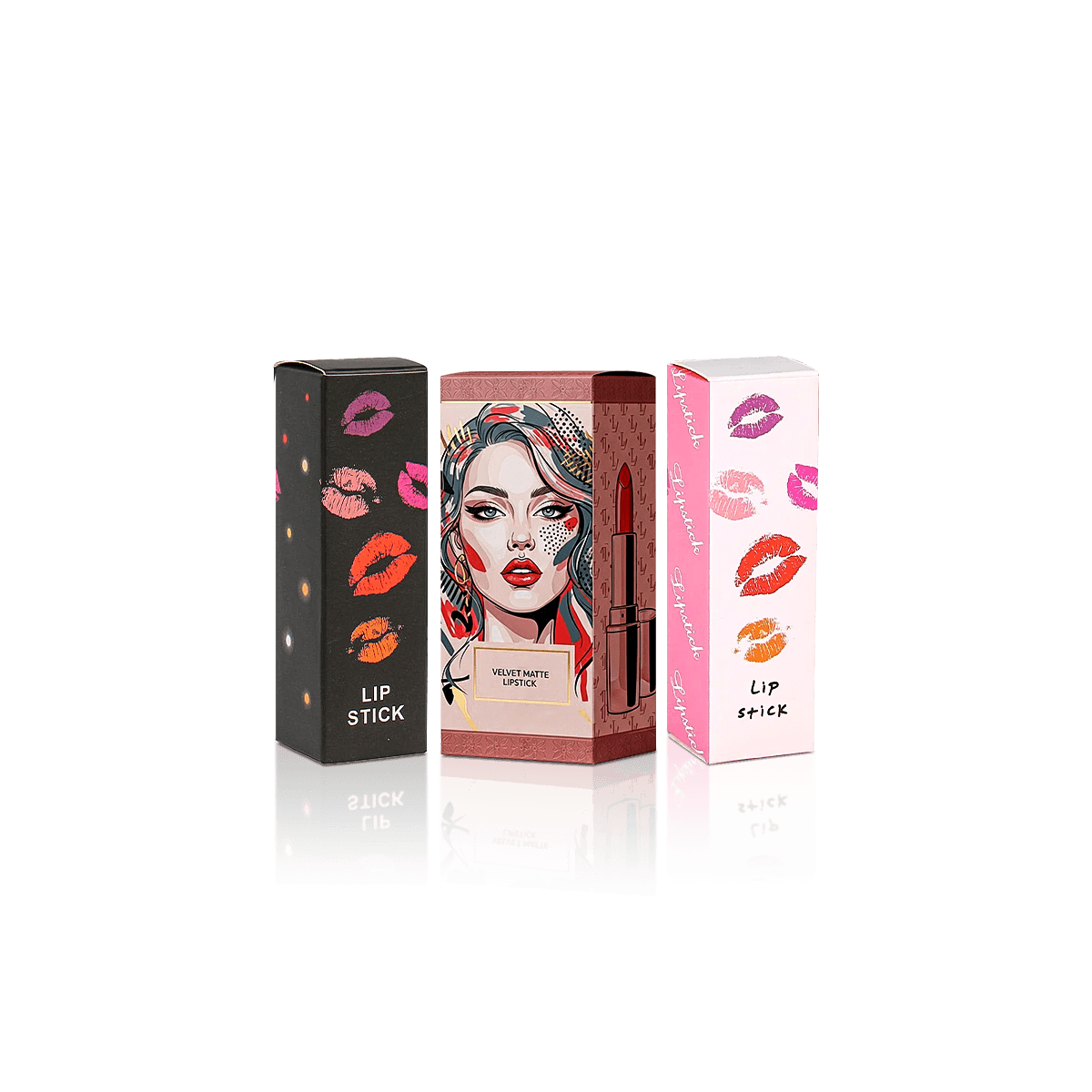
Lip gloss has one advantage many cosmetic products do not: the tube itself may already reveal the product colour or finish. The carton therefore needs a deliberate decision about whether shade recognition comes from printed coding, direct product visibility or both.

That decision should be made before artwork is built. Otherwise the pack can waste space repeating the same visual information while more useful details are squeezed onto narrow side panels.

Use Printed Cues for Fast Picking

A consistent shade name, number or colour field helps staff and customers distinguish similar cartons without opening them. Put the cue where it can actually be seen in the normal retail or picking position.

If glosses are stored upright, the top flap may be useful. If units are stored in drawers or horizontal trays, a side or base identifier may work better. The right position depends on handling, not on a universal beauty-packaging rule.

Use Product Visibility When It Adds Value

A window can earn its place when the visible tube genuinely helps customers distinguish colour, shimmer or finish. It adds less value when the opening reveals only a generic cap or a heavily printed tube that hides the gloss itself.

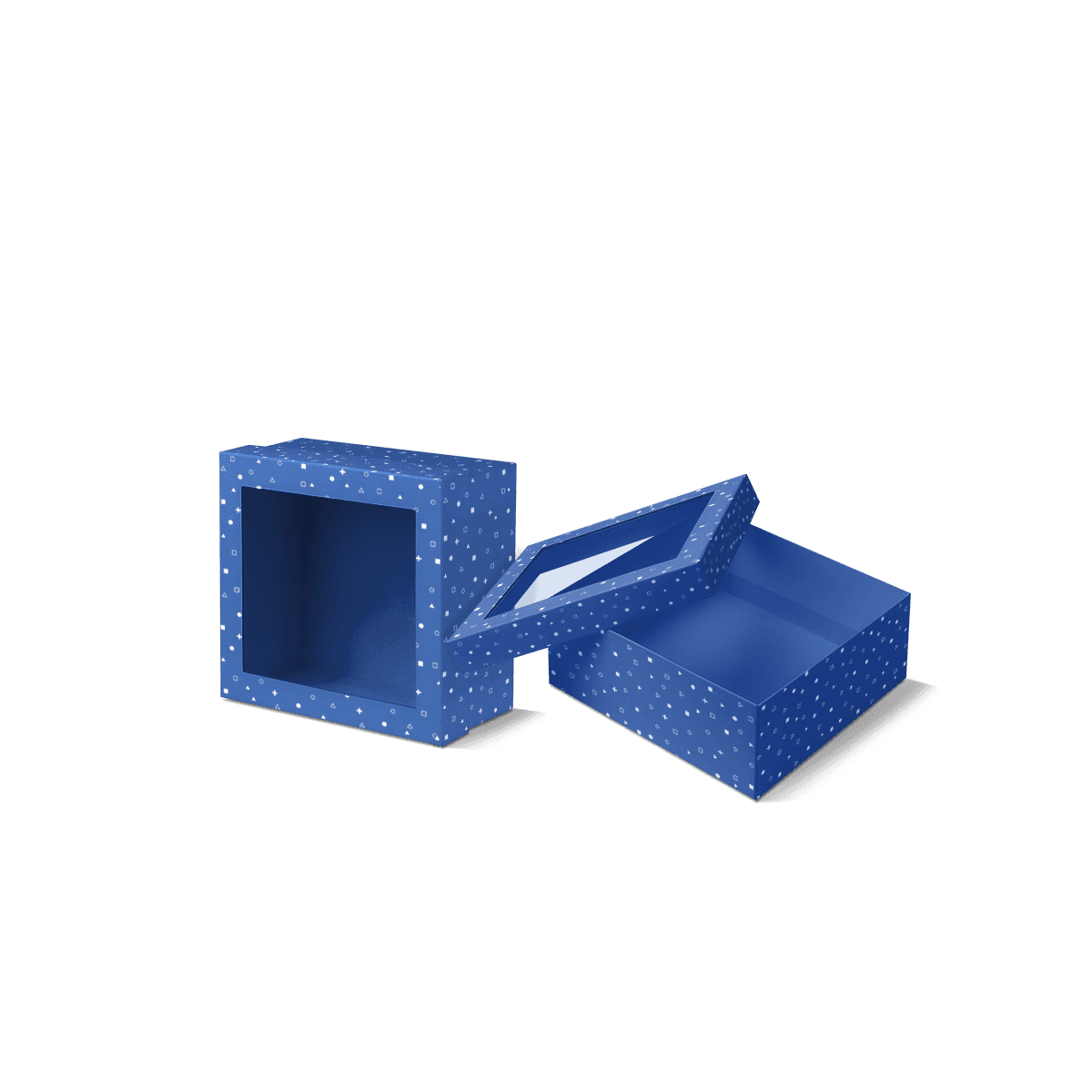
For brands considering a product-reveal structure, Custom Window Boxes are worth assessing before artwork is finalised. On a narrow carton, the aperture has to share limited space with branding and product information.

Protect the Visible Tube

Clear and high-gloss lip gloss components can show handling marks easily. A carton that is too tight may rub printed decoration, metallic caps or transparent surfaces during packing, while an oversized carton allows the tube to move and knock against the walls.

Fit should therefore control movement without turning loading into a friction test.

Allow Surface Clearance

Check the widest decorated point, not just the moulded container. Screen print, labels, raised decoration and cap coatings can all change what rubs first during insertion.

If the component has a delicate finish, test several repeated loading cycles rather than approving one carefully inserted sample. Production packing is repetitive and faster than design-room testing.

Check the Filled Product

Use a filled production-equivalent component when possible. Weight distribution can change how a tall gloss tube sits inside a carton, especially when a heavier cap shifts the balance upward.

The outer carton should not be expected to compensate for a leaking or poorly sealed cosmetic component. If leakage is a product risk, test the filled tube and closure separately before relying on paperboard packaging to contain the consequence.

Use Narrow Panels Better

Lip gloss cartons often provide plenty of height but very little width. That creates a different artwork problem from a compact lipstick box: there is vertical space, but long narrow panels can become visually dense very quickly.

Assign a clear purpose to each face before adding finishes. The front should communicate the product quickly, while side and rear panels carry supporting copy, barcode information and variant details supplied for the product.

Keep the Front Face Simple

Do not stack the brand, product name, shade, finish, claim language and decorative effects into one narrow column. A front panel reads better when one or two elements lead and the secondary information moves elsewhere.

If the brand needs to coordinate lipsticks, glosses, mascara and other colour cosmetics, Makeup Boxes cover the broader system. This carton should solve the lip gloss component first.

Respect Folds and Glue Areas

Keep small type, barcodes and precision graphics away from creases, trim edges and the glue seam. Slim cartons have less spare room, so a small placement error becomes proportionally more noticeable.

The packaging dieline workflow helps separate cut lines, crease lines, bleed and safe areas before several shade artworks are built on the same structure.

Choose Structure From Handling

Most single gloss tubes do not need a complicated box. A closely sized folding carton is usually enough when the component is lightweight, the cap is secure and the retail pack will sit inside proper outer delivery packaging when sold online.

Structure should change only when the product or handling changes.

Keep Singles Efficient

Straight or reverse tuck cartons suit many single tubes because they store flat and provide clean printable faces. Straight Tuck End Boxes can work well when same-direction closures suit the intended loading and front-panel orientation.

The better tuck direction should come from the working end, glue seam and artwork layout rather than from appearance alone. Test how the gloss is inserted before finalising the dieline.

Give Sets Their Own Logic

Duos, minis or lip sets should not be treated as an enlarged single-tube carton. Once two or more products share one box, internal movement, presentation order and removal clearance become separate decisions.

A fitted paperboard insert may be useful when the products need fixed positions. If the set combines lipstick and gloss, Lipstick Boxes should still retain its own component sizing rather than forcing both products into one generic single-unit format.

Plan the Shade Run

A lip gloss launch can contain many artworks while using one physical tube and one structural dieline. That makes the artwork split commercially important.

A total order of 5,000 cartons is not one print job in practical terms if it is divided across ten shades with different artwork. Quote and print decisions should use the quantity per design as well as the combined volume.

Reuse Structure, Not Assumptions

When the tube, cap and filled dimensions stay identical across a gloss line, one approved dieline can support multiple shade files. That reduces unnecessary structural variation and makes future artwork additions easier to control.

If the component supplier changes, the cap grows or a mini size is introduced, measure again. Reusing artwork architecture is sensible. Reusing dimensions without checking is not.

Choose Print From SKU Mix

Digital printing can make commercial sense when the run is divided across many short or changing artwork versions. Premium offset printing becomes more attractive where the design is stable, quantities are concentrated and colour control or fine detail matters.

The digital-versus-offset packaging decision explains why total order quantity alone is a weak way to choose. Multi-SKU launches change the economics.

The same principle applies to unnecessary structural proliferation. Common packaging cost mistakes include creating more box sizes and inventory than the product actually requires.

Check Shade Visibility as a Set

Do not approve a hero shade in isolation and assume the rest of the line will work. Review several lip gloss variants together as erected cartons so differences in shade names, colour fields and finish cues can be judged as one retail system.

This is also the point to check whether the chosen artwork still works when cartons are viewed from the top, front and side.

Compare Clear and Opaque Tubes

Put several finished gloss components beside their cartons before approving the full line. A transparent tube may already communicate most of the shade, while an opaque, frosted or heavily printed component may rely far more on the carton.

Do not force both types to use the same amount of printed shade colour simply for consistency. Give the carton only the identification work the component itself is not doing.

Check the Identifier at Distance

Review several shades together at normal retail distance, not one carton enlarged on screen. Closely related nudes, pinks or clear finishes may need a stronger name, number or colour field than visually distant variants.

Keep the identifier in the same position across the line so variation remains easy to scan even when the artwork changes.

Start With the Master Gloss Component

Before pricing the full shade line, identify the physical tube that will act as the master component. Send its closed dimensions, widest cap or collar point and a photo or drawing showing the visible tube surface.

Then identify which shades use that exact component and which versions change the cap, tube shape, window requirement or physical size. Send that component map through the detailed quote form so one valid structure can be separated from the variants that genuinely need a different carton.

FAQs

Slim tuck-end cartons are usually the most practical route for standard gloss tubes because they handle narrow proportions well and store efficiently. Straight tuck and reverse tuck options both work depending on loading preference and artwork layout. If the gloss line includes duos, taller decorative caps or bundled sets, a grouped carton or insert-supported format can give better control than a simple single-unit box.

A repeatable coding system works best. Shade names, finish cues and barcode details should sit in fixed positions so every SKU feels connected to the wider range. Top flap labels, side markers or base identifiers can all work well when applied consistently. That consistency helps both shelf display and order picking, especially when multiple glosses share very similar carton sizes.

Start with the actual filled component size, including the full cap and applicator height. Confirm the widest tube point, total unit weight, number of variants and how much panel space is needed for legal copy and barcode placement. It also helps to confirm whether the cartons will be hand packed, machine packed or placed inside secondary delivery boxes after assembly.

Yes, when the format goes beyond a standard single tube. Inserts are useful for gloss duos, mixed beauty sets and products with unusual closures that need more control inside the carton. They improve presentation and reduce movement during handling. For one lightweight gloss tube, they are often unnecessary, so the decision should follow the pack format rather than being treated as a default extra.

Lip Gloss Boxes are the better route when the product has a taller tube, wand cap or liquid-format profile that needs different internal clearance. Lipstick Boxes usually suit shorter bullet or stick products where the carton can stay more compact. The main decision should come from the actual container shape and closure height, not from using one box system across both lip categories.

Process

How it works

Your Packaging Journey, From Idea to Production and Delivery

01

Tell Us Your Specs

Custom packaging boxes

Tell Us Your Specs

Provide size, quantity, printing, and finishes.

02

Get a Fast Quote

Custom packaging boxes

Get a Fast Quote

Instant transparent pricing, no hidden fees.

03

Design and Approval

Custom packaging boxes

Design and Approval

Artwork checks, revisions, and final sign-off.

04

Produce

Custom packaging boxes

Produce

Expert manufacturing to meet deadlines.

05

Ship to Your Door

Custom packaging boxes

Ship to Your Door

Hassle-free, flexible delivery options.

Get Your Quote for Custom Lip Gloss Boxes

Share your product details, dimensions, quantity and artwork needs. We’ll help choose the right packaging style and send a clear quote.