Protect the Dispenser First
A shampoo bottle can fit the carton body correctly and still have the wrong box. Custom Pet Grooming Product Boxes need to account for the pump, trigger, flip cap or dispensing closure because that is often the tallest, widest or most vulnerable part of the packed product.
The bottle body gives only part of the measurement. A trigger sprayer projects sideways. A pump may need vertical clearance so the top flap cannot press it. A flip cap can overhang the shoulder. Once the container is filled, its weight also changes how much support the base and internal fit need.
Measure Beyond the Bottle Body
Measure the complete filled container at its maximum width, depth and height with the production closure fitted.
A nominal 250 ml or 500 ml capacity does not tell you the carton dimensions. Two bottles with the same volume can have different shoulders, neck finishes, pump collars and bases.
The tuck box sizing process is useful when converting those real container dimensions into workable internal space. Clearance should allow packing and closing without leaving the bottle free to rattle.
Keep Pressure Off Pumps and Triggers
A common problem appears with a 250 ml detangling spray whose trigger extends beyond the bottle shoulder. If the carton is sized only around the bottle body, the trigger touches the upper side panel and sits close to the top closure. Normal handling can then place pressure directly onto the actuator.
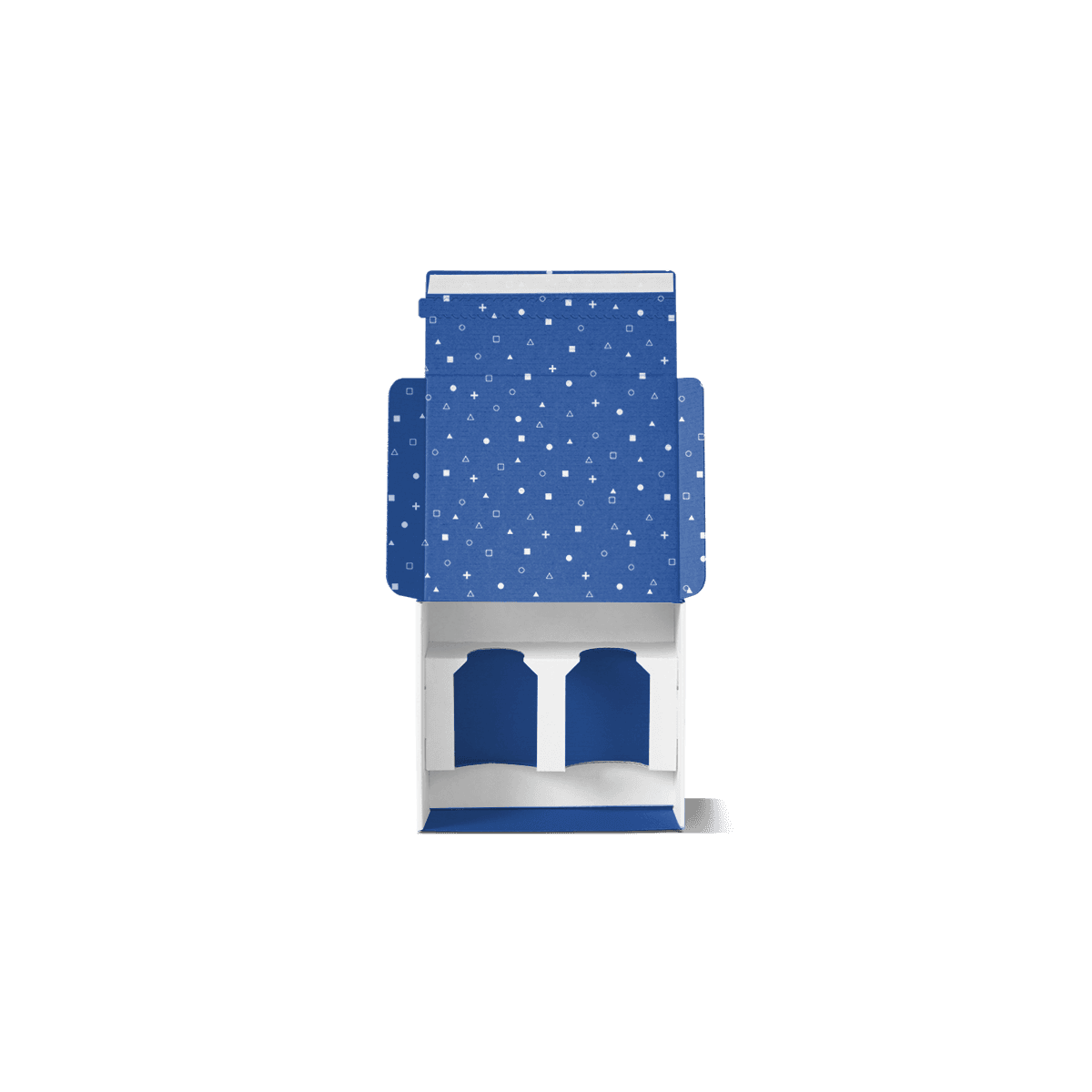
Rotating the trigger into a controlled orientation and adding a simple card cradle around the bottle shoulder or body lets the closure sit inside a protected pocket of space. The carton can remain compact while the trigger stays clear of the panels.
The practical improvement is not simply “more protection”. The bottle becomes easier to load consistently and the carton stops using the dispenser itself as a contact point.
Leave the Closure Removable
Do not grip a cap, pump or nozzle so tightly that the customer has to fight the insert to remove the bottle. Internal support should control the stable part of the container while leaving the operating closure clear.
That principle becomes more important with pumps that lock or rotate. A support point that blocks normal closure movement may solve transport fit while making the product frustrating to use.