Skip to content
Details

Custom Cufflink Boxes

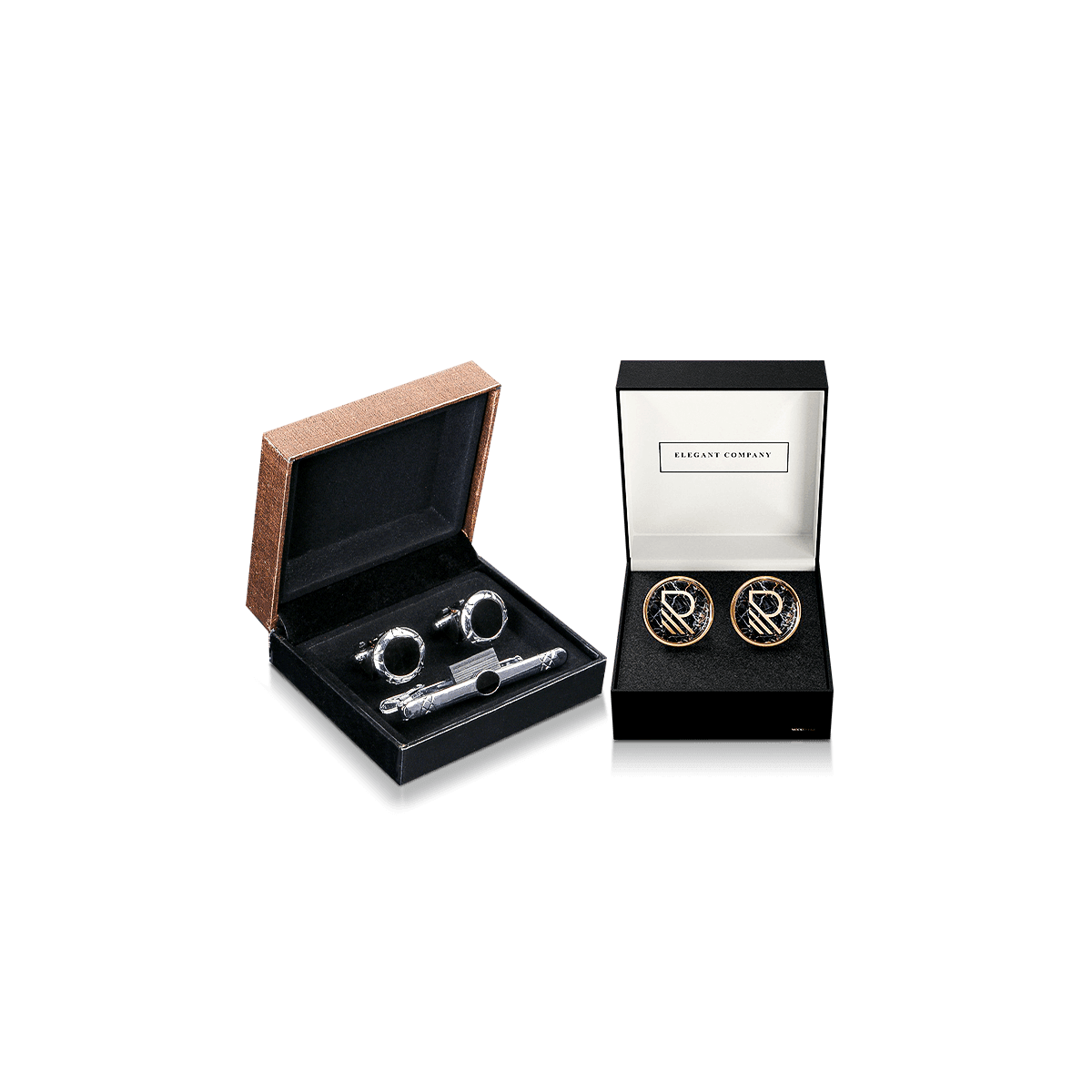
Cufflink boxes need to hold a pair neatly, protect polished faces and feel appropriate for formal gifting. The right case supports retail display, menswear presentation, wedding accessories and well-packed ecommerce delivery without wasting space.

Plan Below the Display Surface

Cufflinks are presented from the front, but most of their packaging problem sits underneath. The decorative faces may look small and flat while stems, toggles, chain links or fixed backs create much more depth behind the display plane.

Custom Cufflink Boxes should therefore be planned around the closed fastening position, not only the visible face. If the insert is too shallow, the mechanism can push the cufflink forward or tilt it. If the cavity is too deep, the pair can sink into the interior and lose the clean formal presentation the box is meant to create.

The aim is to let both faces sit at a deliberate height while the working hardware has enough space underneath to remain relaxed and easy to remove.
Separate Face From Mechanism

The same front dimensions can hide very different mechanisms. Two square cufflinks of equal face size may need different depths because one uses a whale-back toggle and another uses a chain link.

Whale-Back Toggles Need Depth

A rotating toggle creates a compact closure when aligned with the stem but a much wider shape when turned across it. Decide which position the cufflink will use inside the box and keep that position consistent.

The cavity below the presentation surface should clear the closed toggle without forcing it against the underside of the insert. Custom Packly's packaging team can review unusual mechanisms 24/7 when the packed position is difficult to judge from dimensions alone.

Chain Links Need Freedom

Chain-link cufflinks connect the two faces with flexible metal rather than a rigid stem and rotating back. They need enough internal freedom for the chain to settle without bunching underneath one face.

The insert should control the visible faces while avoiding a tight cavity that traps the chain in an unnatural position.

Fixed Backs Need Clearance

Ball returns, fixed bars and other solid backs can make the product thicker than a rotating mechanism even though they contain fewer moving parts.

Measure the complete depth from the presentation face to the furthest point of the backing. That dimension, not the face thickness, determines the space required below the insert.

Hold Two Faces Level

A cufflink pair should read as one set when the lid opens. That requires more than equal spacing between two holes.

Face shape, stem position and centre of mass can make one piece rotate even when both attachment points were cut correctly.

Reference the Visible Faces

Square, rectangular and directional cufflinks should sit with their faces matching in angle. Round, plain designs are more forgiving because rotation may not change the presentation.

If the logo, engraving or motif has a clear top and bottom, the insert needs enough control to stop the product turning during normal handling.

Jewellery Box Inserts can be tailored around those holding points when a simple pad does not keep both faces at the intended height and angle.

Leave a Clean Lift Point

The customer should be able to remove each cufflink without pulling hard on the stem or levering the decorative face against the insert.

Finger access can come from a small exposed edge, a controlled recess or enough space around the face to grip it safely. The best solution keeps the pair visually compact without trapping it.

Free sample examples are useful when the interaction between the insert, hardware and removal action needs to be judged physically rather than from a rendering alone.

Decide Pair or Gift Set

A single pair and a formal accessory set should not automatically use the same internal layout.

Single Pairs Need Focus

For one pair, compact proportions usually make the product feel more deliberate. Excessive empty space can make small cufflinks look lost and may add cost without improving protection.

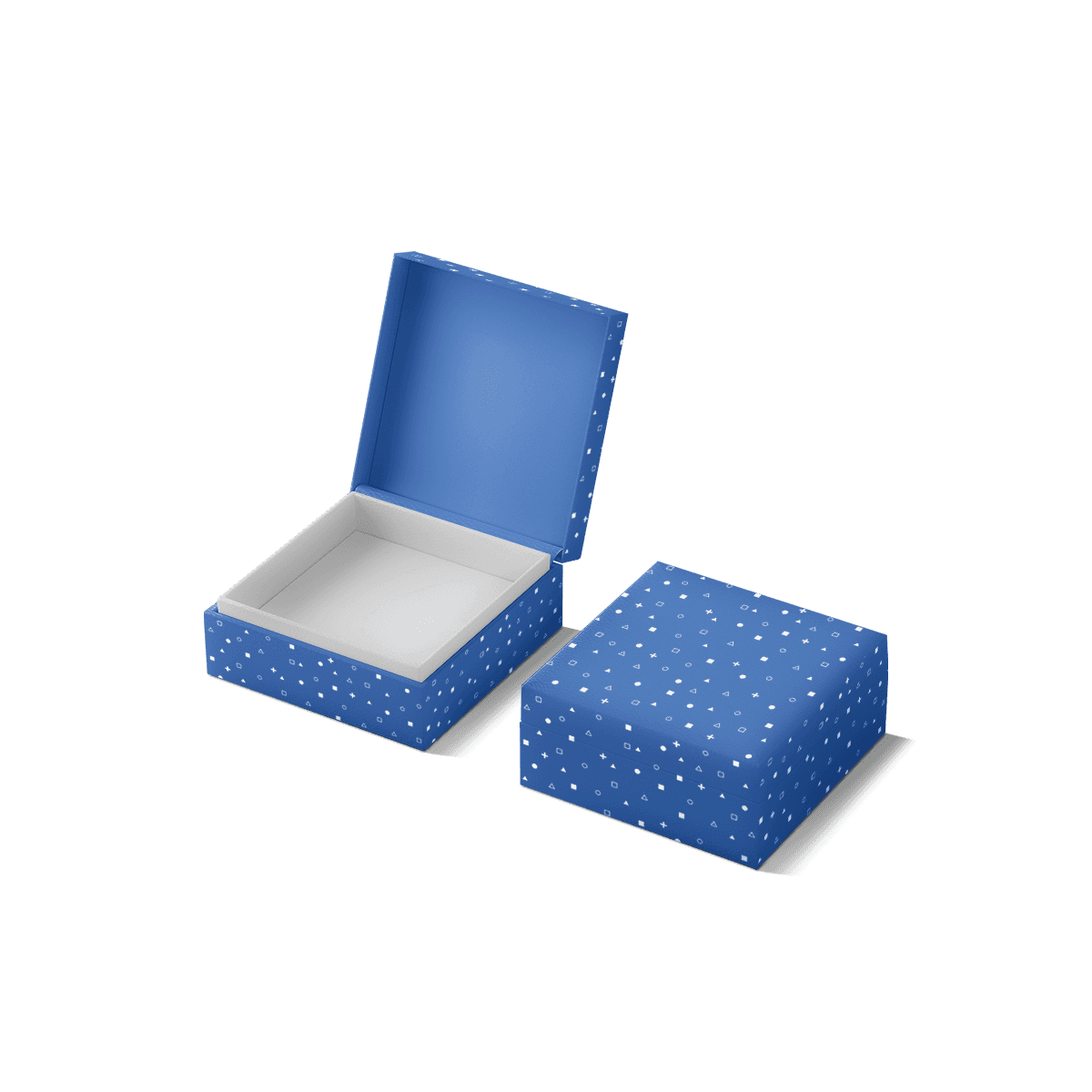
A Rigid Lid and Base Box can give a straightforward top-down reveal when the pair is the only item that needs attention.

Tie Bars Change the Footprint

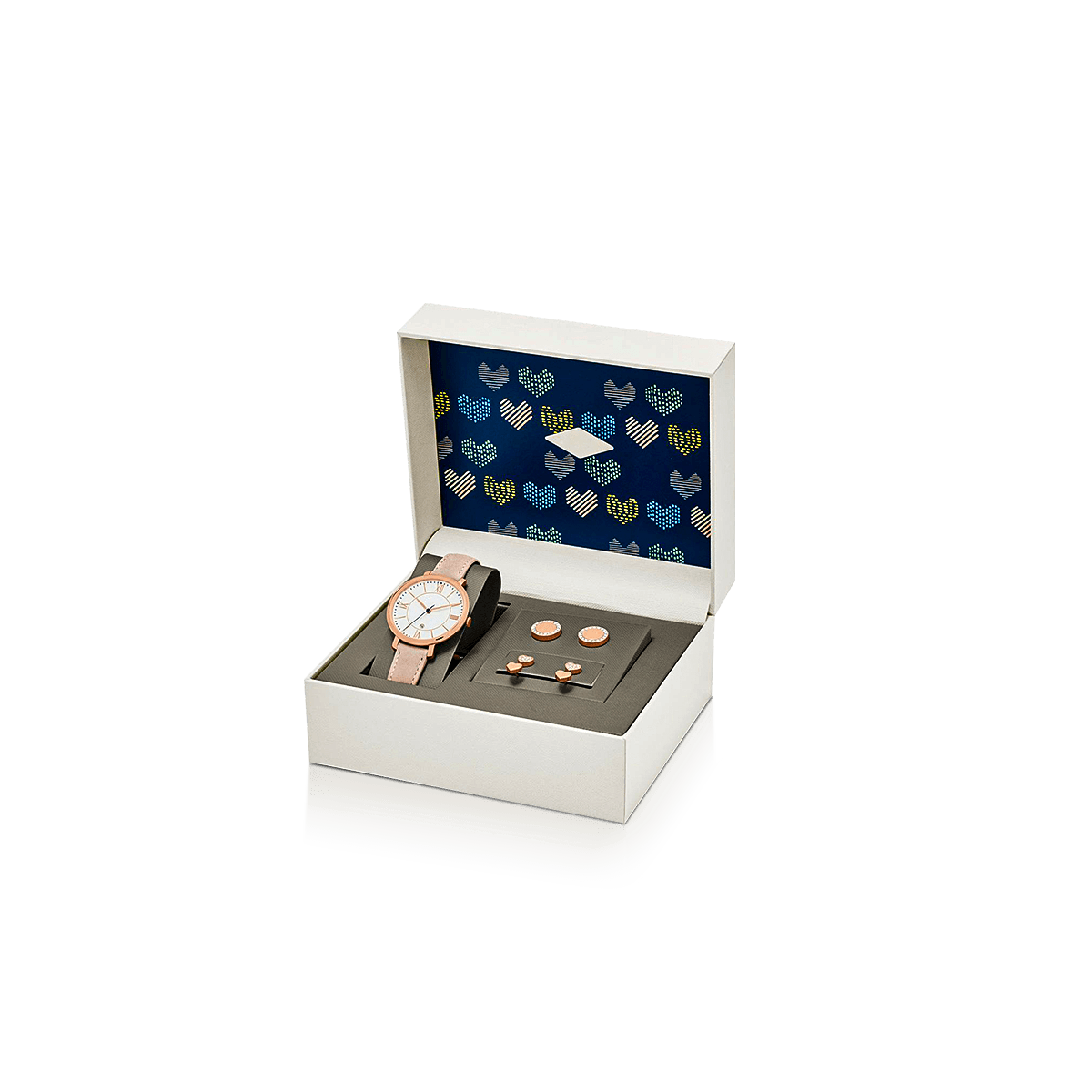
A cufflink and tie-bar set combines two very different geometries. The cufflinks need depth below their faces while the tie bar usually needs a longer, shallower position.

Do not stretch a two-cufflink insert sideways and treat the extra space as an accessory area. Give each component a defined position and a removal path.

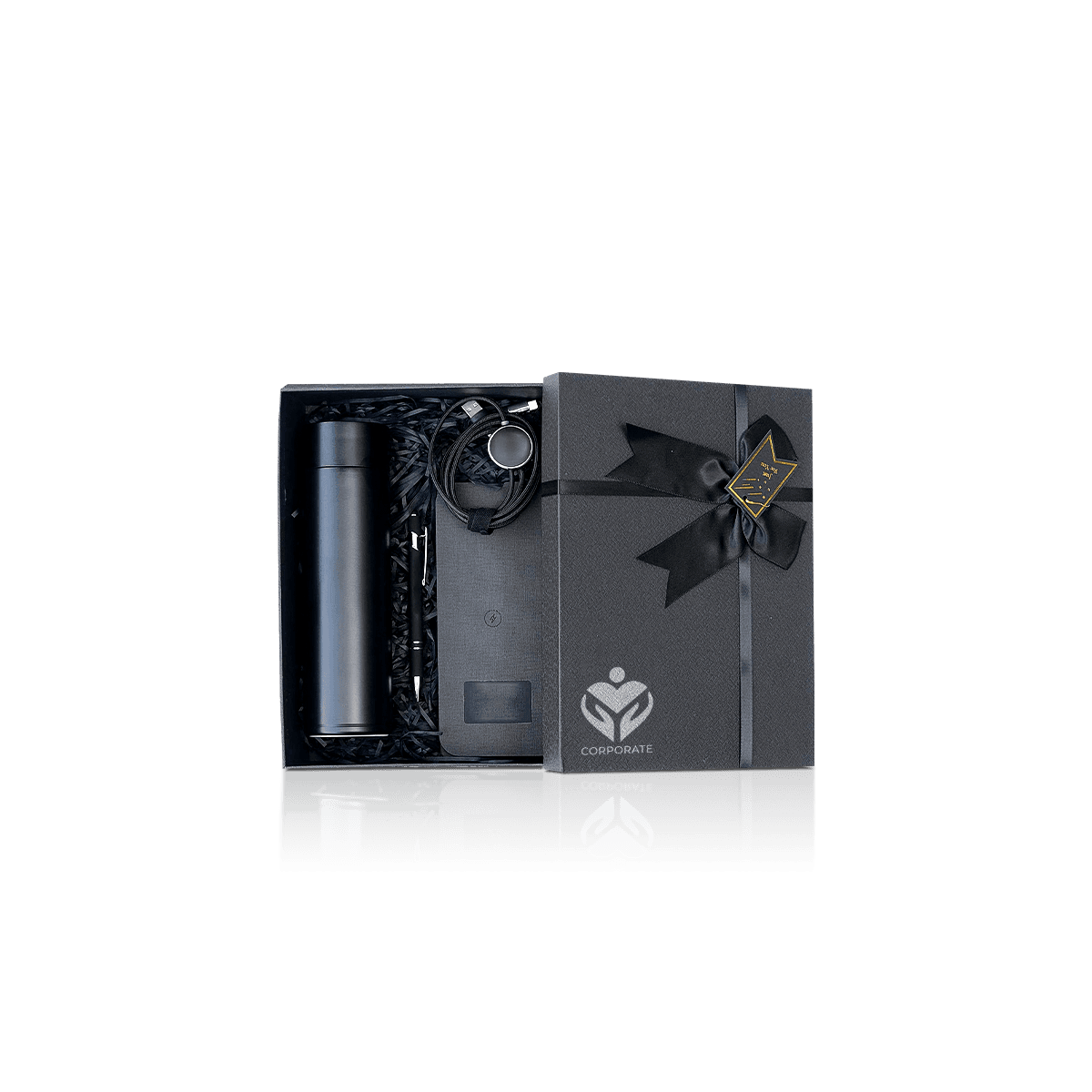
For client gifts, awards and formal business sets, Corporate Gift Boxes can accommodate the additional message, campaign and handover requirements that sit beyond a single retail cufflink pair.

Keep Pressure Off the Faces

Polished metal, enamel, stone details and plated finishes should not become the main contact surfaces simply because they are easy to locate from above.

The insert should hold through the stem, stable backing area or another safe feature where the mechanism allows it.

A soft lining can improve feel, but softness does not correct poor geometry. A loose cufflink can still rub repeatedly against a soft surface, while a very tight slit can place unnecessary pressure on the stem.

The principles in fragile product packaging apply here: protection comes from controlling the actual movement and contact points, not simply adding more material.

Custom Packly can coordinate insert depth, outer case dimensions and finished presentation as one specification. That one-stop approach matters because even a small change below the insert can change the total internal depth of a compact case.

Keep the Case Compact

Cufflinks usually benefit from tight visual framing. The box should leave enough space for removal and hardware clearance without turning a very small product into an oversized presentation.

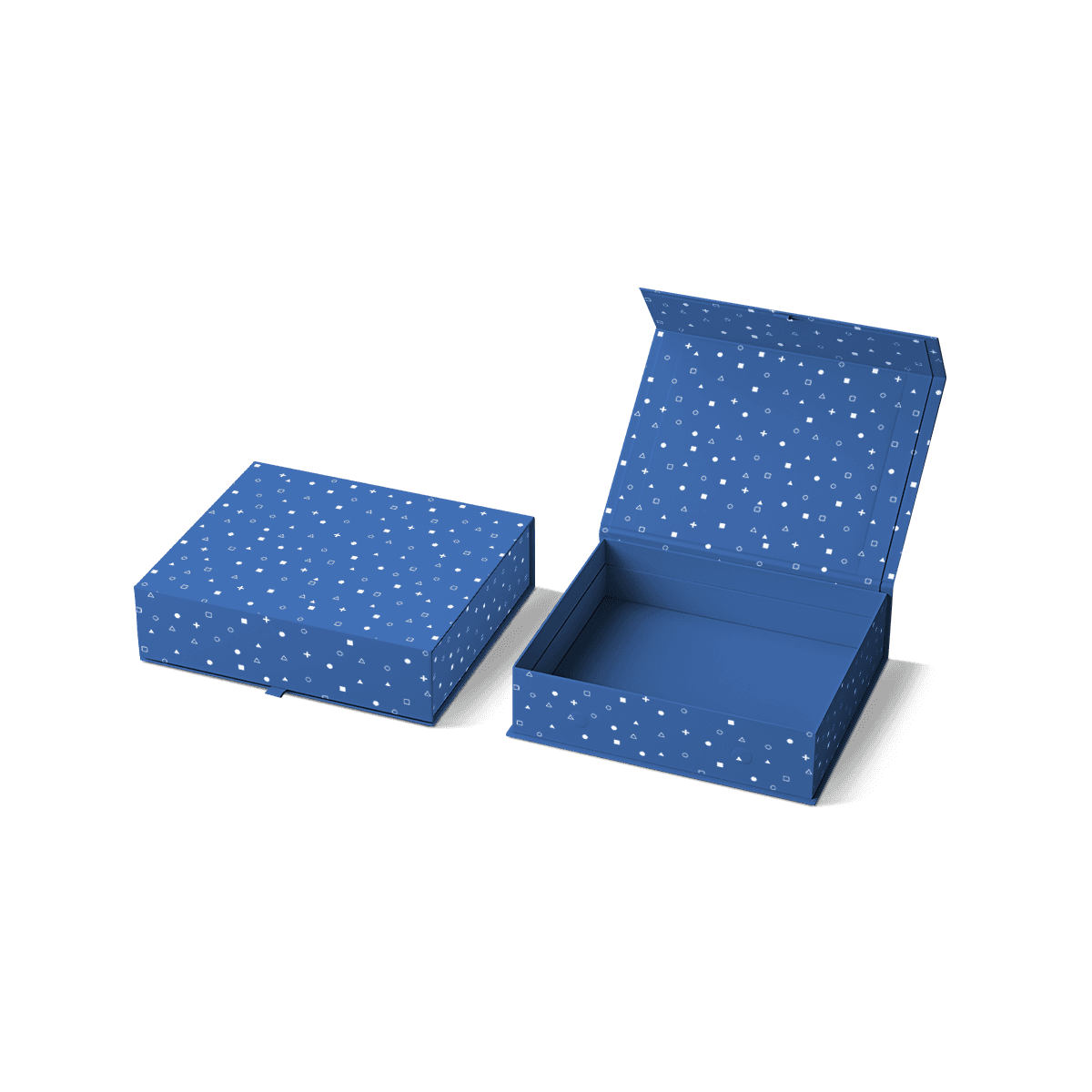
Rigid Boxes make sense when the case should feel permanent, gift-ready or reusable. A Shoulder Neck Rigid Box can frame the pair with a raised inner edge when the extra structure genuinely contributes to the reveal.

A sliding case can create a different interaction. Drawer Boxes can suit formal accessory sets, but the insert should stay stable as the tray moves so both cufflinks remain level.

The most elaborate structure is not automatically the best. For lower-priced retail cufflinks, a lighter paperboard carton with a precise insert may be more commercially sensible than a substantial rigid case.

Coordinate Formal Accessories

Cufflinks often sit beside watches, tie bars, lapel pins or other formal accessories within the same brand.

Consistency should come from colour, typography, paper, print and finishing rather than forcing every accessory into one box dimension.

Jewellery and Accessories can keep the visual identity aligned while each item uses the internal proportions it actually needs.

This is particularly important when a watch box or sunglasses case is much deeper than a cufflink case. Matching exterior colours can make the packaging feel connected without asking a small pair of cufflinks to sit inside unnecessary volume.

Use Small Branding Precisely

A compact cufflink lid leaves little room for weak hierarchy. One well-positioned mark usually works harder than several competing graphic elements.

Premium offset printing is useful for controlled brand colours, fine typography and repeat production. Foil, embossing or debossing can add a formal detail where it supports the product position.

Custom Luxury Packaging is useful when the decision involves wrapped rigid structures, premium papers and restrained finishing rather than simply adding decoration to a small carton.

The thinking in Packaging Design Ideas also applies to cufflink packaging: proportion and structure can carry much of the premium impression before multiple finishes are added.

Free 3D mockups can check logo scale and lid balance before production. This matters on compact boxes because a small positional change can be visually obvious.

Make Retail Reset Obvious

Cufflinks are often removed from their boxes for inspection, fitting or counter display. The insert should make the correct return position easy to recognise.

Both faces should settle to the same height. Directional motifs should return to the same angle. Toggles or chain backs should have a clear space beneath the display surface rather than being pushed into a different position each time.

A layout that needs staff to straighten the pair carefully after every demonstration is too dependent on manual attention.

Years of packaging experience matter here because the useful test is not the first perfect opening. It is whether the same pair can be removed and returned repeatedly without the presentation degrading.

Protect the Presentation Box

A small rigid cufflink case can still be marked by courier handling, even when the product itself is safely retained.

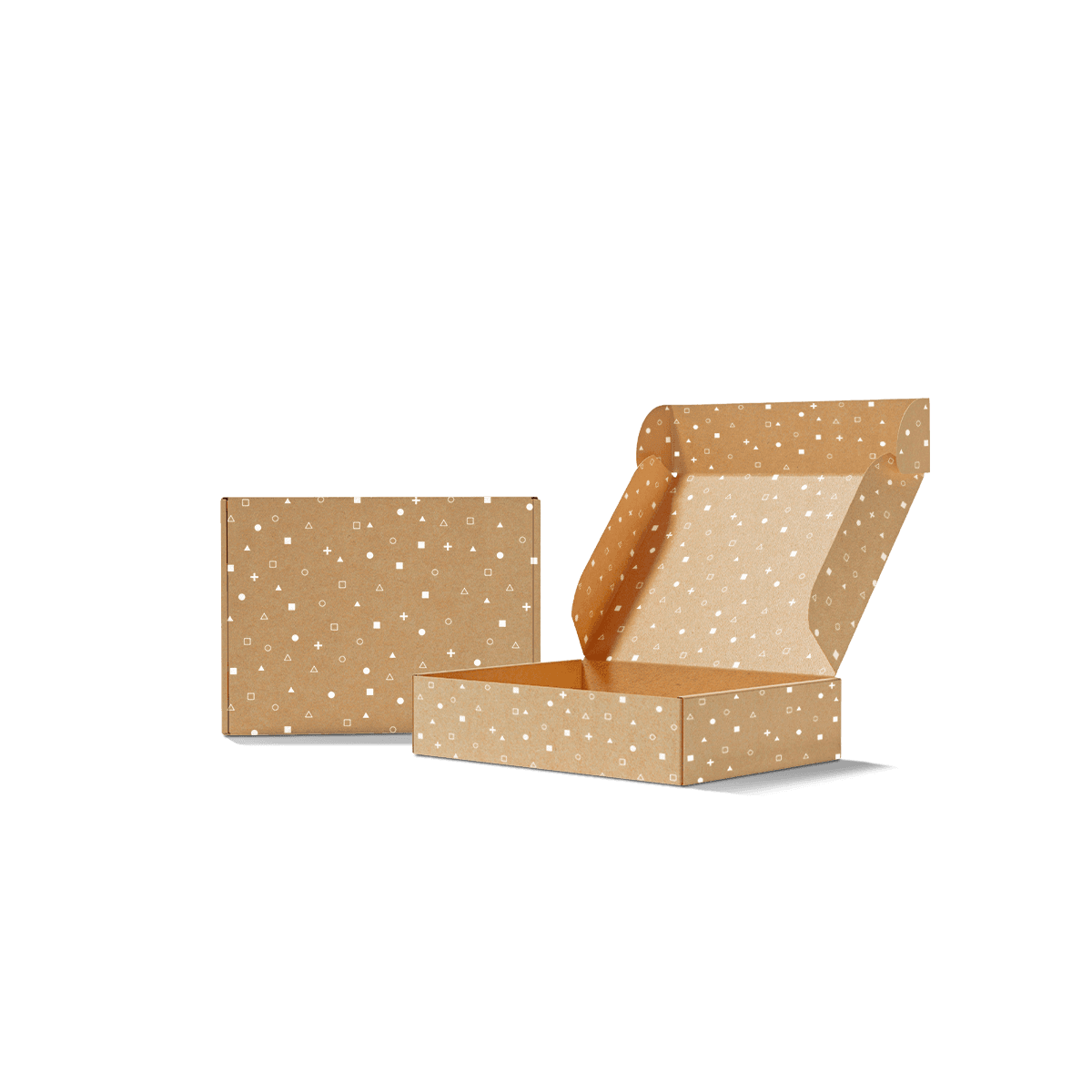
For online sales, Jewellery Mailer Boxes can protect the finished presentation case while the cufflink insert controls the pair inside it.

Keep those jobs separate. The inner case manages product orientation and gifting. The mailer manages parcel handling, scuffs and external impacts.

After a delivery test, reopen the inner case and check both levels. If the cufflinks have rotated but the case looks untouched, improve the insert. If the pair is still perfect but the presentation case is marked, improve the outer delivery protection.

Standardise by Backing Type

Brands with several cufflink designs can often reduce packaging variants, but face size alone is a weak grouping method.

Products with similar closed mechanism depth, stem position and face footprint are better candidates for one insert specification. A wide whale-back toggle may not share the same cavity as a chain-link design even when both have identical fronts.

Keep the exterior case consistent where practical, then change the internal cut or support for groups that genuinely need it.

MOQ starts from 100 boxes, so mechanism groups can be separated where forcing one universal insert would compromise presentation. Guaranteed 4–6 working day production and delivery can then support repeat supply once the approved groups are clearly identified.

Spend on Visible Value

A cufflink box is small enough that unnecessary depth, layered inserts and excessive finishing can add cost quickly without giving the customer more value.

Start with fit, display height and clean opening. Then decide which material and finish actually improve the presentation.

The breakdown of custom packaging cost in the UK shows how size, material, quantity, printing and finishing interact. For cufflinks, the practical lesson is especially clear: a compact case with a precise insert can feel more considered than a larger box filled with decorative material.

Pay for details that the product uses. Remove components that exist only because the box had empty space to fill.

Specify the Closed Mechanism

For pricing, provide the cufflink in the exact state it will use inside the case. State the face width and height, total depth with the mechanism closed and the backing type. For directional artwork or engraved faces, indicate which edge should sit at the top.

If the box will hold a tie bar, spare backs or another accessory, include those components in the same specification instead of adding them after the pair has been fitted.

This gives the packaging team the measurement that matters most: the complete presentation depth from the visible face through to the furthest point of the closed hardware.

Use the instant packaging quote with those dimensions, quantity and intended retail or gifting use. The case can then be priced around the actual mechanism and display position rather than a generic cufflink-box size.

FAQs

A dual-position insert with clear separation between the pair is usually the strongest option. It keeps each cufflink level and stops the faces from touching during handling. The insert also needs enough depth for the post and fastening so the pair sits securely rather than rocking in place. Shape and post length should be confirmed before approval.

Rigid construction is normally the better route when gifting quality, protection and presentation matter. Folding cartons can work for lower-cost promotions or higher-volume lines, but they usually do not feel as substantial in the hand. For weddings, executive gifts or premium retail, a rigid case nearly always creates the stronger result.

Start with face width, face depth, post length and whether the design is flat, domed or unusually shaped. Then confirm insert firmness, spacing between the pair, internal depth and whether the finished box must fit inside an outer mailing pack. Those details affect both protection and how balanced the pair looks when opened.

Not always. A clean insert for classic round cufflinks may feel too tight for a sculpted design or too shallow for a thicker statement pair. Many collections keep one outer case style for consistency and adjust the inner fit by product group. That approach usually protects the presentation better without fragmenting the range visually.

A cufflink box is the better choice when one pair needs focused formal presentation in a compact footprint. A presentation box becomes the stronger route when cufflinks are packed with shirts, ties, pens or other accessories. The deciding factor is whether the product should feel like a dedicated standalone gift or part of a broader set.

Process

How it works

Your Packaging Journey, From Idea to Production and Delivery

01

Tell Us Your Specs

Custom packaging boxes

Tell Us Your Specs

Provide size, quantity, printing, and finishes.

02

Get a Fast Quote

Custom packaging boxes

Get a Fast Quote

Instant transparent pricing, no hidden fees.

03

Design and Approval

Custom packaging boxes

Design and Approval

Artwork checks, revisions, and final sign-off.

04

Produce

Custom packaging boxes

Produce

Expert manufacturing to meet deadlines.

05

Ship to Your Door

Custom packaging boxes

Ship to Your Door

Hassle-free, flexible delivery options.

Get Your Quote for Custom Cufflink Boxes

Share your product details, dimensions, quantity and artwork needs. We’ll help choose the right packaging style and send a clear quote.