Skip to content
Details

Custom Die Cut Shipping Boxes

Die Cut Shipping Boxes are cut and creased to a more precise shape than a standard transit carton, which makes them useful for custom-sized shipping, cleaner product fit and faster packing where protection, presentation and handling all matter.

Custom Geometry Should Remove Packing Work

Extra filler, extra tape and improvised folds usually mean the packing team is correcting the carton by hand. Die cutting becomes useful when a standard rectangular case creates those repeated workarounds and the blank can be cut and creased around a more deliberate loading and closing sequence.

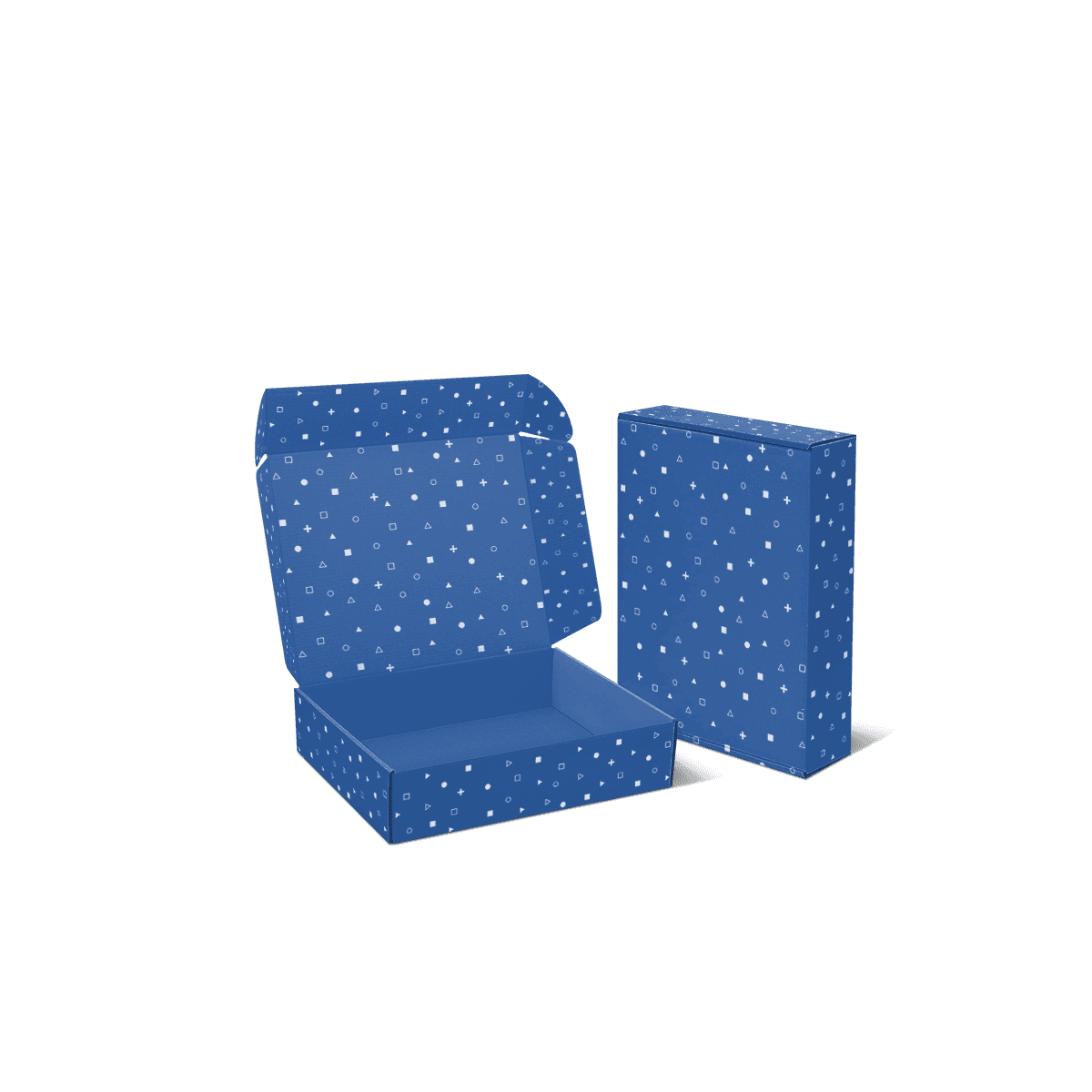
Custom Die Cut Shipping Boxes use a purpose-made flat pattern rather than relying only on a standard slotted case. That allows locking tabs, shaped panels, controlled folds, cut-outs or other practical features to be placed where the shipping job actually needs them.

The aim is not to make the carton unusual for its own sake. A custom-cut feature should reduce movement, simplify assembly, improve closure or make better use of the available board. If an ordinary rectangular carton already does those things well, additional geometry may add complexity without adding value.

A Feature Needs an Operational Job

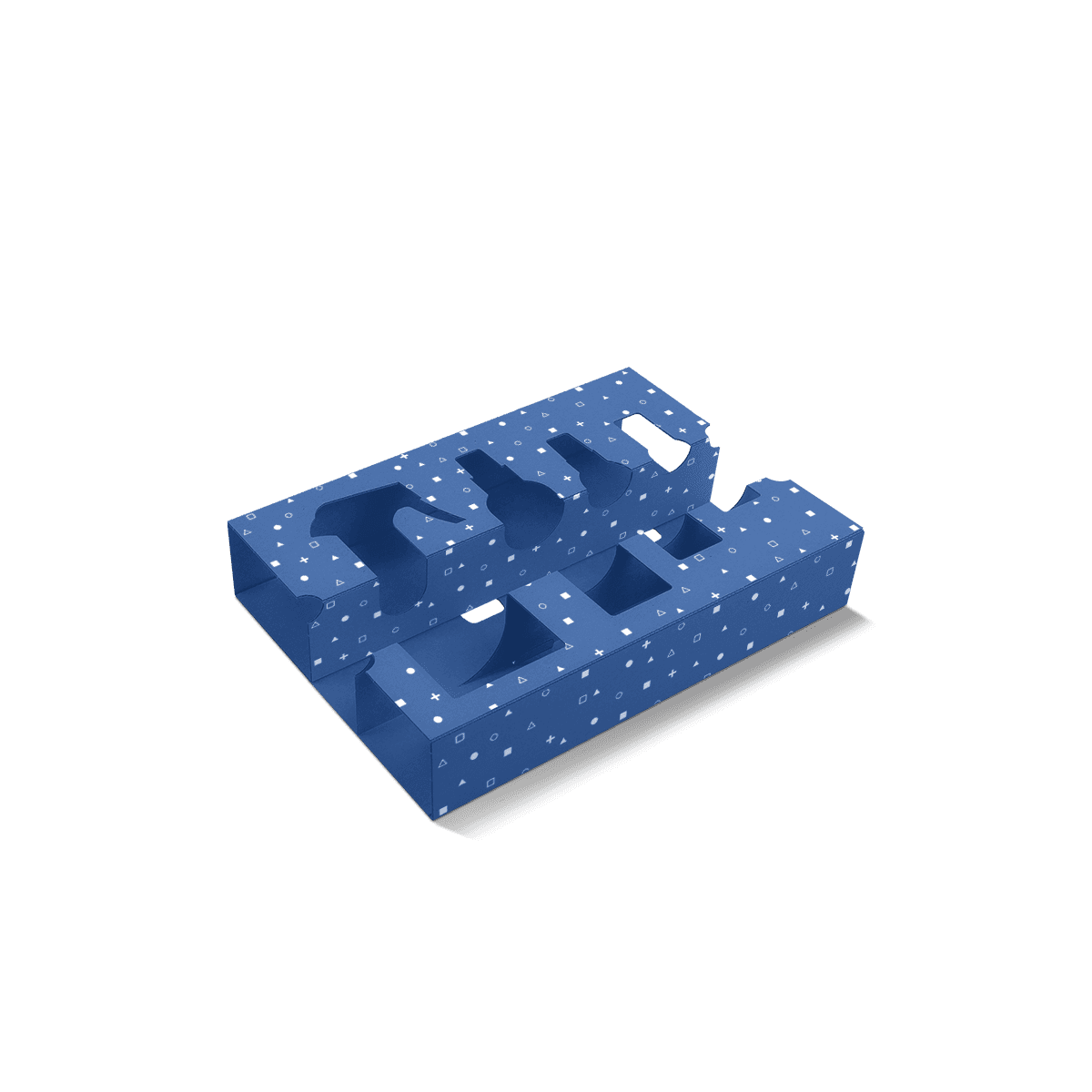
A tab can hold a panel in position. A slot can guide a locking action. A shaped fold can create clearance around a projecting part. An internal cut can locate an accessory. Each feature should answer a specific packing problem.

Decorative complexity is a poor reason to add folds to a transit pack. The best die-cut structures usually look purposeful because every cut and crease contributes to the way the carton is erected, loaded or closed.

Die Cutting Is Not One Box Shape

Die cutting is a manufacturing method rather than one universal carton design. Corrugated board is cut and creased to a planned layout using tooling made for that structure.

That means two die-cut shipping boxes can behave very differently. One may use locking panels around a compact product, another may fold around an awkward profile and another may pair a conventional outer shape with shaped internal retention.

For simpler centre-seam cases, Regular Slotted Containers may still be the more efficient choice.
The Loading Sequence Belongs in the Dieline

A die-cut structure should be designed around how the product enters the carton, where the operator's hands need access and which panels must move next. A shape that looks elegant in a flat drawing can become frustrating when staff have to bend a flap backwards, hold several panels at once or force the product past a narrow opening.

The dieline is therefore part of the packing process, not just a production file.

Top Loading and Wraparound Loading Differ

Some products are easiest to lower into an open cavity. Others are better placed on a central panel before the outer walls fold around them. Long, flat or edge-sensitive items can be awkward to push through the opening of a conventional case even when the final dimensions are technically correct.

The structure should follow the safest and fastest loading movement. That can reduce handling around finished surfaces and make the pack easier to repeat across shifts.

Locking Features Need Finger Clearance

Tabs and slots only help when staff can engage them cleanly. If the locking point sits too close to the product or requires excessive force, assembly slows down and panels can deform.

Small allowances around the closing path can matter as much as the overall internal dimensions. This is why the product, protective components and operator movement should be considered before the final cutting pattern is fixed.

For artwork teams, packaging dielines and box artwork setup explains how cut lines, crease lines, bleed and safe areas translate into the flat production file.

Precise Fit Does Not Mean Zero Clearance

Closer geometry is one of the main reasons to use die cutting, but the product still needs practical loading clearance. A structure that grips every edge on screen may become difficult to assemble once corrugated thickness, tolerances, coatings or protective wrapping are introduced.

The correct fit controls movement without turning packing into a force-fit operation.

Measure the Finished Packed Profile

Start with the product as it will actually enter the shipping box. Include retail packaging, sleeves, cables, handles, protective wraps and any component that changes the outer profile.

Where a shaped insert or corrugated locator is part of the system, the outer carton should be sized around that complete assembly rather than the bare product.

Inserts and Dividers are more useful when separate components need controlled spacing or impact separation than when the outer blank alone can provide sufficient restraint.

Projecting Parts Change the Geometry

Handles, nozzles, brackets, knobs and other projections often create wasted space in ordinary cartons. Enlarging the whole box to clear one projecting feature can leave the rest of the product surrounded by unnecessary volume.

A die-cut design can sometimes create local clearance or a more deliberate support path without making every dimension larger. The practical limit is manufacturability: the structure still needs sensible folds, enough board around cut areas and a closing sequence that works reliably.

One Cut Can Replace Several Workarounds

The strongest case for custom geometry appears when one planned structure removes several manual corrections from the packing bench.

Consider a replacement appliance component measuring roughly 340 × 225 × 115 mm with a projecting hose connector on one side and a small mounting kit shipped with it. In a generously sized RSC, the main body may need loose void fill, the connector may need separate wrapping and the mounting kit can migrate around the case.

A die-cut corrugated outer with a controlled recess around the projecting area, combined with a simple shaped locator for the mounting kit, changes the job. The main component has a defined position, the projecting part receives clearance without enlarging the whole carton and the accessory no longer relies on loose filler to stay away from the product.

The practical improvement is a more repeatable arrangement with less internal movement and fewer packing decisions. The benefit comes from the geometry, not from claiming that a die-cut case is automatically stronger than every standard carton.

Integrated Features Should Stay Manufacturable

It is tempting to solve every problem with another tab, notch or fold. Complexity quickly becomes self-defeating if the blank grows substantially, assembly takes longer or one damaged locking feature prevents the carton closing.

Where a separate insert is simpler and easier to replace, it may be the better engineering decision. Outer geometry and internal retention do not need to be combined simply because both can be die cut.

A free sample is particularly useful at this stage because the real product can be loaded through the intended sequence and the locking features can be checked before the production run.

Tooling Complexity Needs a Reason

A bespoke die-cut structure requires a defined cutting pattern, and more complex blanks can use more board or require additional production setup than a straightforward slotted case. The commercial question is whether those costs remove enough packing waste, filler, unused volume or handling time to justify the design.

This makes die-cut shipping especially relevant to repeat products where the same geometry is used again and again.

Blank Area Matters as Much as Finished Size

Two boxes with similar assembled dimensions can use different amounts of corrugated board because their flat blanks have different flap lengths, locking panels and waste areas.

When comparing structures, look beyond the finished length, width and height. A clever feature that adds a large amount of board should solve a real problem in return.

The same principle appears in common custom packaging cost mistakes: packing labour, unused space and structural complexity all contribute to the real cost of packaging, not just the quoted unit price.

Low Volume Still Needs Structural Discipline

MOQ starts from 100 boxes, so a new die-cut specification does not have to begin as a very large production commitment. That flexibility is useful for new products, controlled launches and businesses testing a more specialised shipping arrangement.

Small quantity does not make the dieline less important. In fact, the structural decisions deserve more attention when the purpose of the run is to establish whether custom geometry genuinely improves the operation.

Board Has to Fold Through the Dieline

Corrugated grade has to do two jobs in a die-cut shipper: carry the shipment and fold cleanly through the tabs, slots and creases created by the dieline. Material that is unnecessarily heavy can make small locking features harder to form, while a lighter grade can leave a large blank under-specified for transit.

Select the board after the critical folds and load path are known, then check that the finished case can be erected without forcing the locking features or weakening the creases.

Flute Choice Affects Small Features

Finer corrugated profiles can accommodate tighter folds and more compact details than deeper material in some structures, while heavier-duty transit jobs may require greater stiffness.

The correct balance depends on the size of the blank, load, stacking conditions and the geometry of tabs and folds. Board should be chosen with the finished structure in mind rather than added after the dieline has been designed.

For broader material decisions, Corrugated Shipping Boxes cover flute, wall count and load behaviour in more depth.

Higher Loads May Change the Whole Brief

If the primary requirement is elevated compression, dense contents or repeated high-load handling, custom geometry should not distract from the performance problem.

Heavy Duty Shipping Boxes make more sense when the finished packed case needs a higher duty specification. Die cutting can still be part of that solution, but it is not the reason the case qualifies as heavy duty.

Mailer-Like Does Not Mean Mailer-First

Many self-locking mailer boxes are produced by die cutting, which is why the terms are often blurred. The deciding factor is what the shipment is trying to achieve.

Custom Mailer Boxes put more emphasis on ecommerce presentation, lid opening, inside print and the recipient's unboxing sequence. A die-cut shipping carton can use similarly precise cutting while remaining primarily a transit tool built around fit, loading efficiency or an awkward product shape.

Presentation Can Still Matter

Shipping-led does not mean the box must be plain. Exterior branding, product identification and clean opening details can improve arrival without turning the structure into a presentation-first mailer.

Premium offset printing, CMYK or Pantone colour can be considered where the surface and artwork justify them. The structural dieline should be settled first so branding works with the folds, locking points and label areas rather than competing with them.

Flat Products Have Their Own Foldaround Logic

Long or shallow products may be better served by a structure that wraps around the item rather than building a deeper cavity around it.

One Piece Folder Boxes specialise in that foldaround behaviour for books, printed products and other flat goods. A die-cut shipping brief should not recreate a folder unnecessarily when the product already matches that established loading method.

Print Must Respect Moving Parts

Die-cut cartons can create more panel interactions than a standard case. Tabs disappear into slots, lid sections overlap walls and some panels become partly hidden after assembly.

Artwork should be designed around those movements.

Keep Key Graphics Off Locking Zones

Logos, instructions and barcodes should remain readable after the carton is closed. Placing important information across a locking slot or crease can weaken the visual hierarchy and sometimes make the operational marking harder to scan.

Courier labels and tape also need space where the final structure still uses them.

A free 3D mockup is valuable here because the team can review which printed panels remain visible through the complete opening and closing sequence before final artwork is released.

Inside Print Is a Deliberate Choice

A die-cut box may expose internal panels during opening, but printing those surfaces only makes sense when the recipient actually sees them and the extra artwork supports the commercial goal.

For warehouse-first or wholesale shipments, clear external identification may be more useful than decorative interior coverage. The structure should decide which surfaces deserve attention.

Product Changes Can Break a Proven Dieline

A die-cut shipper can perform reliably for several production runs and still become wrong after a small product change. A longer connector, thicker retail sleeve, additional accessory or revised protective wrap can alter the loading path or stop a locking tab seating cleanly.

Treat those changes as structural triggers. Recheck the contact points, clearance and closing sequence before the revised product is put into the old blank. This is more useful than preserving an approved dieline simply because it performed well for the previous version.

The final control is product-version compatibility: each die-cut blank should remain tied to the product configuration it was designed to load and close around.When custom cutting has a clear operational purpose, request a custom packaging quote around that exact structure. The useful commercial question is not how unusual the box can be, but how much unnecessary packing work the finished geometry removes.

FAQs

The main difference is the structure. A standard shipping carton usually follows a stock case pattern, while a die cut box is designed around the product and packing job. That allows more controlled shaping, closure detail and fit. If the contents sit well in a regular case, a standard carton may be enough. If the product needs a more exact transit pack, die cut construction is often the better route.

It becomes worthwhile when a standard transit carton creates too much empty space, poor product fit or awkward packing steps. It is also useful when the outer case needs to double as part of the brand experience on arrival. The more repeatable the dispatch process is, the more value a tailored shipping structure can add over time.

Yes, provided the board grade and structure are matched to the packed weight and delivery conditions. A die cut design is not automatically lighter duty than a regular case. In many jobs it performs better because the contents fit more securely and move less in transit. The key is to confirm board strength, closure style and internal support before final sign-off.

Confirm the product dimensions first, then review packed weight, loading method, sealing approach and how the case will be stacked or shipped. It is also important to decide whether the contents need inserts, partitions or pads. A prototype is especially useful on this style because small design changes can affect packing speed, fit and closure performance.

It depends on what the shipping job demands most. Die Cut Shipping Boxes are stronger when product fit, custom shaping and packing control matter more. Full Overlap Boxes are often the better choice when the main priority is added top and base reinforcement for heavier loads or longer cases. If the product needs a tailored outer pack, die cut is the more flexible option.

Process

How it works

Your Packaging Journey, From Idea to Production and Delivery

01

Tell Us Your Specs

Custom packaging boxes

Tell Us Your Specs

Provide size, quantity, printing, and finishes.

02

Get a Fast Quote

Custom packaging boxes

Get a Fast Quote

Instant transparent pricing, no hidden fees.

03

Design and Approval

Custom packaging boxes

Design and Approval

Artwork checks, revisions, and final sign-off.

04

Produce

Custom packaging boxes

Produce

Expert manufacturing to meet deadlines.

05

Ship to Your Door

Custom packaging boxes

Ship to Your Door

Hassle-free, flexible delivery options.

Get Your Quote for Custom Die Cut Shipping Boxes

Share your product details, dimensions, quantity and artwork needs. We’ll help choose the right packaging style and send a clear quote.