Aroma Finds the Weak Point
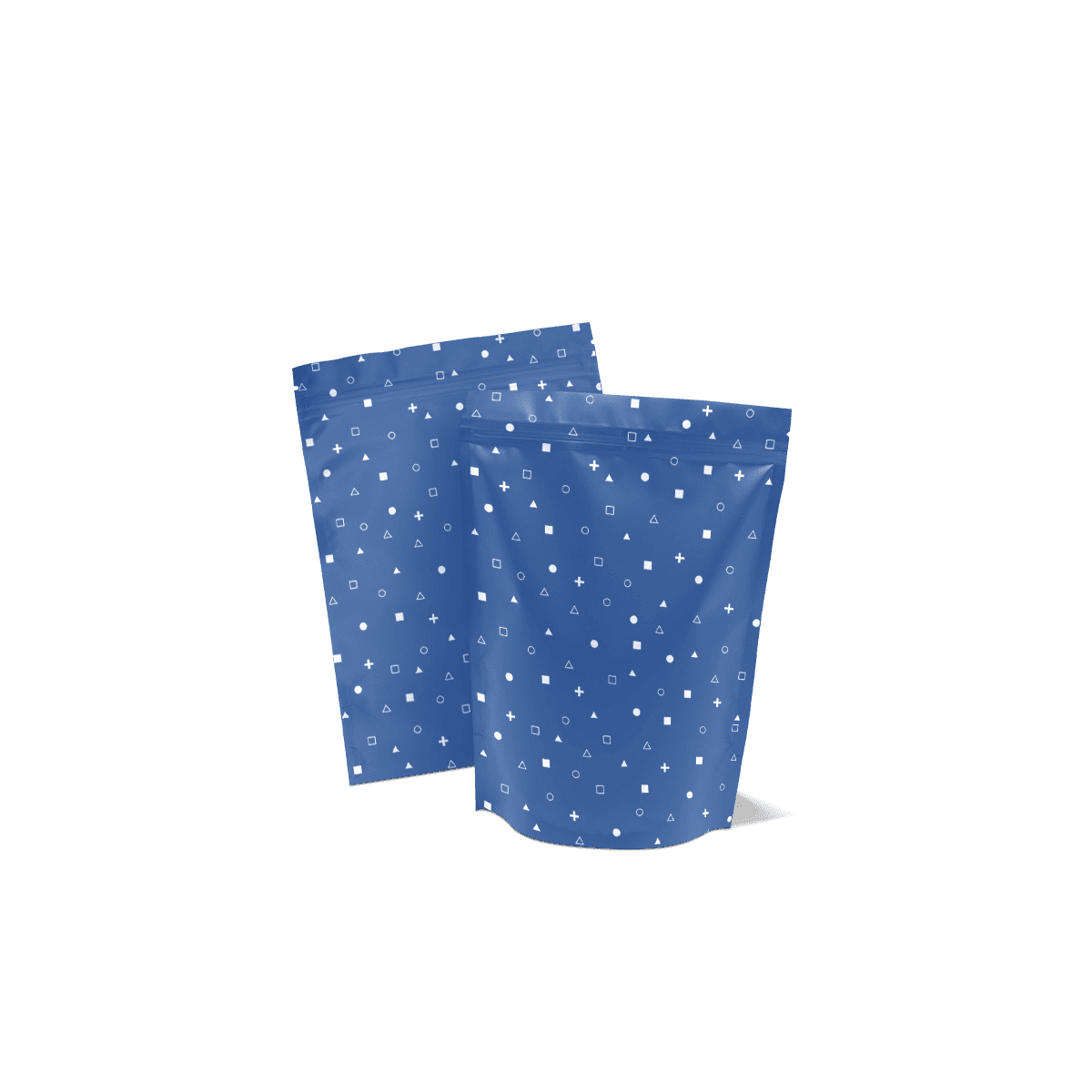
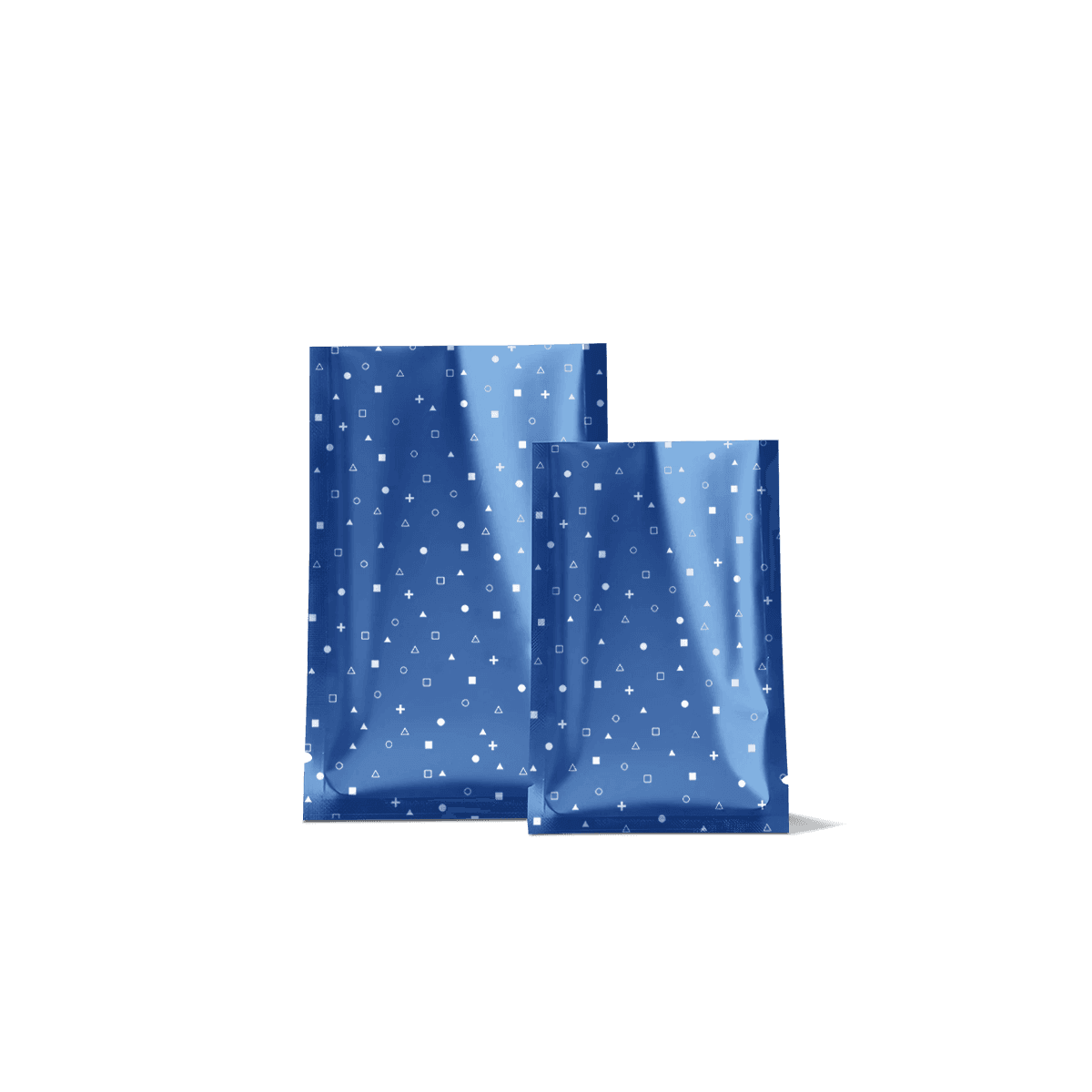
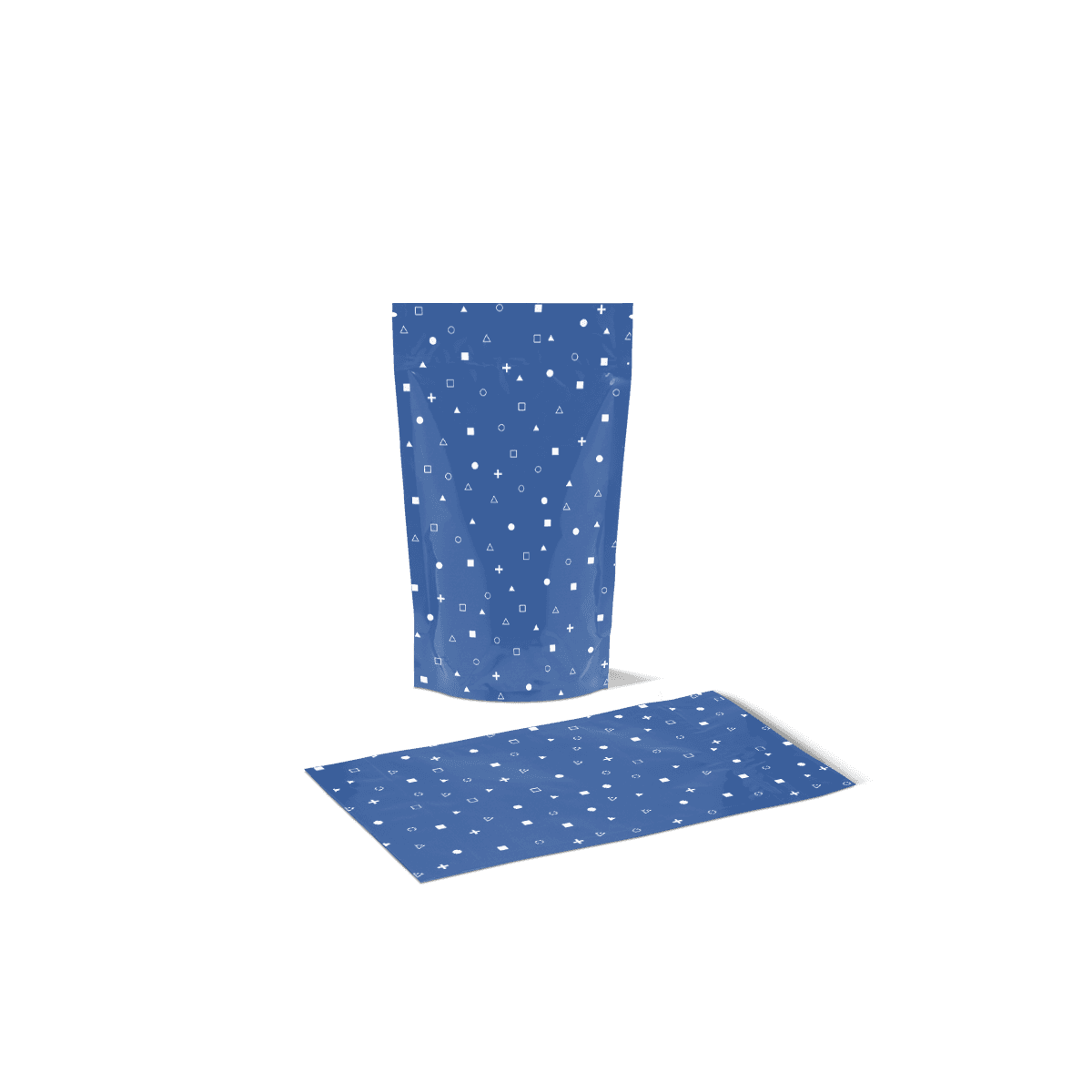
Custom Smell Proof Mylar Bags need more than a film that performs well on its own. Aroma containment depends on the finished pouch as a system: the laminate, side seams, final seal and any reusable closure all need to work together.
That gives these bags a specific role within custom Mylar bags. Choose them when scent transfer during storage, retail handling or delivery is a real concern rather than simply because the product needs a metallic-looking pouch.
A high-barrier film can be useful, but the strongest material cannot compensate for a poorly closed top or product caught inside a zipper track.
Film Is Only One Barrier
The laminate controls how readily aroma can pass through the pouch walls.
Different flexible-film structures perform differently, so the word “Mylar” by itself is not enough information for a serious specification. A metallic appearance does not prove that two pouches have equivalent barrier performance.
Start with the actual product. Coffee, strongly scented spices, pet treats, dry blends and fragranced products can place different demands on flexible packaging.
If a foil layer is being considered specifically for an opaque high-barrier laminate, Foil Mylar Pouches cover that material decision separately.
Edges Matter Just as Much
Every sealed edge interrupts the continuous pouch surface.
A seam that is incomplete, contaminated or damaged creates a different path for aroma than transmission through the film itself. That is why smell containment should not be judged from material thickness alone.
Check how the pouch is made, filled and finally closed.